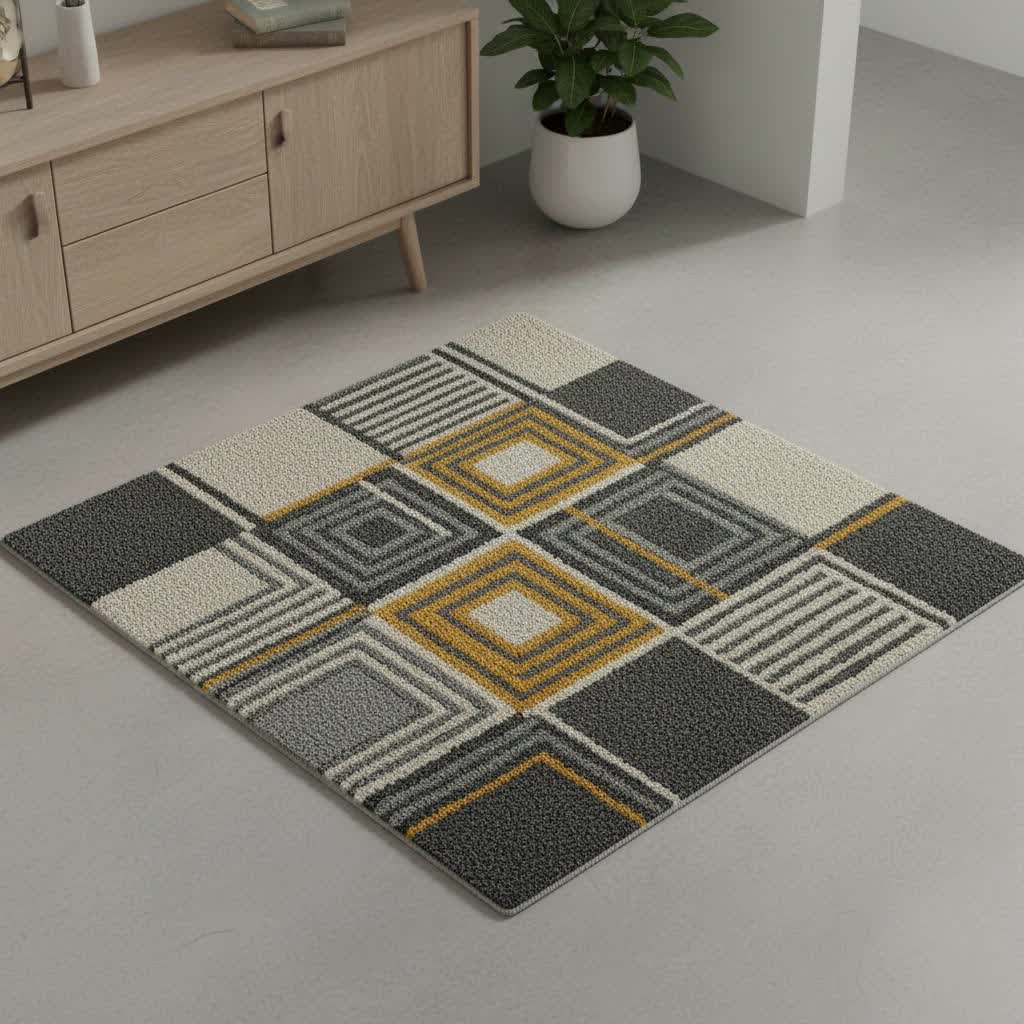
Transforming a room into a cozy, stylish, and inviting sanctuary often begins with the perfect floor rug. More than just a decorative accent, a well-chosen rug can define a space, add warmth underfoot, absorb sound, and inject personality into any interior. With countless options available, navigating the world of floor rugs can feel overwhelming, but understanding the key factors will empower you to make an informed decision that enhances your home for years to come.
Popular Floor Rug Types
Floor rugs are crafted from a diverse array of materials, each offering unique characteristics in terms of aesthetics, durability, and maintenance. Understanding these differences is crucial for selecting a rug that fits both your lifestyle and design preferences. For best home decor roundups on this site.
Natural Fiber Rugs
Natural fiber rugs bring an organic, earthy feel to any space, often prized for their sustainability, unique textures, and breathability. These rugs are typically durable and offer a timeless appeal.
-
Pros and Cons:
- Pros: Eco-friendly, often softer underfoot, unique textures, durable in many cases, naturally hypoallergenic (e.g., wool).
- Cons: Can be more expensive, some are susceptible to moisture or staining, may shed initially, require specific cleaning methods.
-
Common Natural Fiber Types:
- Wool: Renowned for its softness, durability, and natural stain resistance. Wool rugs are excellent insulators, hypoallergenic, and can last for decades with proper care. They may shed during initial use.
- Cotton: A softer, more affordable alternative to wool, cotton rugs are often washable and come in a wide range of colors and patterns. They are less durable than wool and prone to staining.
- Sisal: Made from the agave plant, sisal rugs are incredibly strong, durable, and naturally stain-resistant. They offer a coarse, textured feel, ideal for high-traffic areas, but can be rough and less comfortable for bare feet.
- Jute: Similar to sisal but softer, jute rugs are known for their natural golden hue and chunky texture. They are eco-friendly and affordable but less durable than sisal and prone to water damage.
-
Choosing the Right Natural Fiber Rug:
Consider the room’s traffic level and desired comfort. Wool is excellent for living rooms and bedrooms, while sisal or jute suit high-traffic areas like hallways or entryways. Cotton is ideal for casual spaces or areas requiring frequent cleaning.
Synthetic Fiber Rugs
Synthetic rugs offer a versatile and often budget-friendly option, manufactured for specific performance characteristics like durability, stain resistance, and vibrant colors.
-
Pros and Cons:
- Pros: Highly durable, excellent stain resistance, fade-resistant, generally more affordable, wide range of colors and patterns, easy to clean.
- Cons: Can feel less luxurious than natural fibers, may lack the softness of wool, some types are not eco-friendly, can show crushing in high-traffic areas.
-
Common Synthetic Fiber Types:
- Nylon: One of the most durable synthetic fibers, nylon rugs are exceptionally resilient, resistant to crushing, and easy to clean. They hold color well and are a good choice for high-traffic areas.
- Polyester: Known for its luxurious softness, vibrant colors, and natural stain resistance. Polyester rugs are a good choice for bedrooms or low-traffic living areas but are less durable against crushing than nylon.
- Polypropylene (Olefin): This fiber is highly resistant to moisture, mildew, and fading, making it ideal for outdoor rugs or indoor areas prone to spills, such as kitchens or playrooms. It is very affordable but can have a less plush feel.
-
Choosing the Right Synthetic Fiber Rug:
For busy households and high-traffic zones, nylon offers superior resilience. Polyester provides softness and color richness for more decorative purposes, while polypropylene is the go-to for moisture-prone areas or outdoor use.
Decorative Rugs
|
Our Picks for the Best Floor Rug in 2026
As an Amazon Associate I earn from qualifying purchases.
|
||
| Num | Product | Action |
|---|---|---|
| 1 | OLANLY Area Rugs for Living Room Bedroom, Machine Washable 4x5.9 ft Soft Fluffy Shaggy Bedside Rug, Indoor Floor Carpet for Kids Girls and Boys, Dorms, Nursery Rooms, Home Decor Aesthetic, Black |

|
| 2 | OLANLY Area Rugs for Living Room Bedroom, Machine Washable 4x5.9 ft Soft Fluffy Shaggy Bedside Rug, Indoor Floor Carpet for Kids Girls and Boys, Dorms, Nursery Rooms, Home Decor Aesthetic, Beige |
|
| 3 | OLANLY Area Rugs for Living Room Bedroom, Machine Washable 4x5.9 ft Soft Fluffy Shaggy Bedside Rug, Indoor Floor Carpet for Kids Girls and Boys, Dorms, Nursery Rooms, Home Decor Aesthetic, Blush |
|
| 4 | OLANLY Area Rugs for Living Room Bedroom, Machine Washable 4x5.9 ft Soft Fluffy Shaggy Bedside Rug, Indoor Floor Carpet for Kids Girls and Boys, Dorms, Nursery Rooms, Home Decor Aesthetic, Grey |
|
| 5 | Ophanie Blue Rug, Boys 4x6 Rugs for Bedroom Royal Dark Blue Carpet Nursery Aesthetic, Kids Playroom Navy Area Rugs for Girls Teen Home Decor, Fluffy Shag Bedside Floor Living Room Carpet |
|
| 6 | OLANLY Area Rugs for Living Room Bedroom, Machine Washable 4x5.9 ft Soft Fluffy Shaggy Bedside Rug, Indoor Floor Carpet for Kids Girls and Boys, Dorms, Nursery Rooms, Home Decor Aesthetic, Burgundy |
|
| 7 | Ophanie Area Rugs for Bedroom, Christmas Upgrade Non-Slip Ivory Fluffy Soft Shag Living Room Carpet, Indoor Floor 4x6 Fuzzy Shaggy Living Room Plush Nursery Rug for Kids Home Dorm Decor Aesthetic |
|
| 8 | OLANLY Area Rugs for Living Room Bedroom, Machine Washable 4x5.9 ft Soft Fluffy Shaggy Bedside Rug, Indoor Floor Carpet for Kids Girls and Boys, Dorms, Nursery Rooms, Home Decor Aesthetic, Coffee |
|
| 9 | Ophanie Black Area Rugs for Bedroom Living Room, 4x6 Fluffy Fuzzy Shag Shaggy Carpet Soft Plush Furry Bedside Rug, Indoor Floor Rug for Kids Girls Boys Home Decor Aesthetic, Dorm Nursery |
|
| 10 | Ophanie Area Rugs for Living Room Bedroom, Upgrade Non-Slip Fluffy Soft Grey Shag Carpet, Indoor Floor Gray 4x6 Fuzzy Shaggy Living Room Plush Rug for Kids Home Dorm Decor Aesthetic |
|
Decorative rugs go beyond material, focusing on style, pattern, and texture to enhance the aesthetic appeal of a room. These rugs are chosen to complement or define a design theme.
-
Popular Design Styles:
- Vintage/Distressed: Often featuring faded patterns and a worn-in look, these rugs add character and history, perfect for bohemian, eclectic, or traditional spaces.
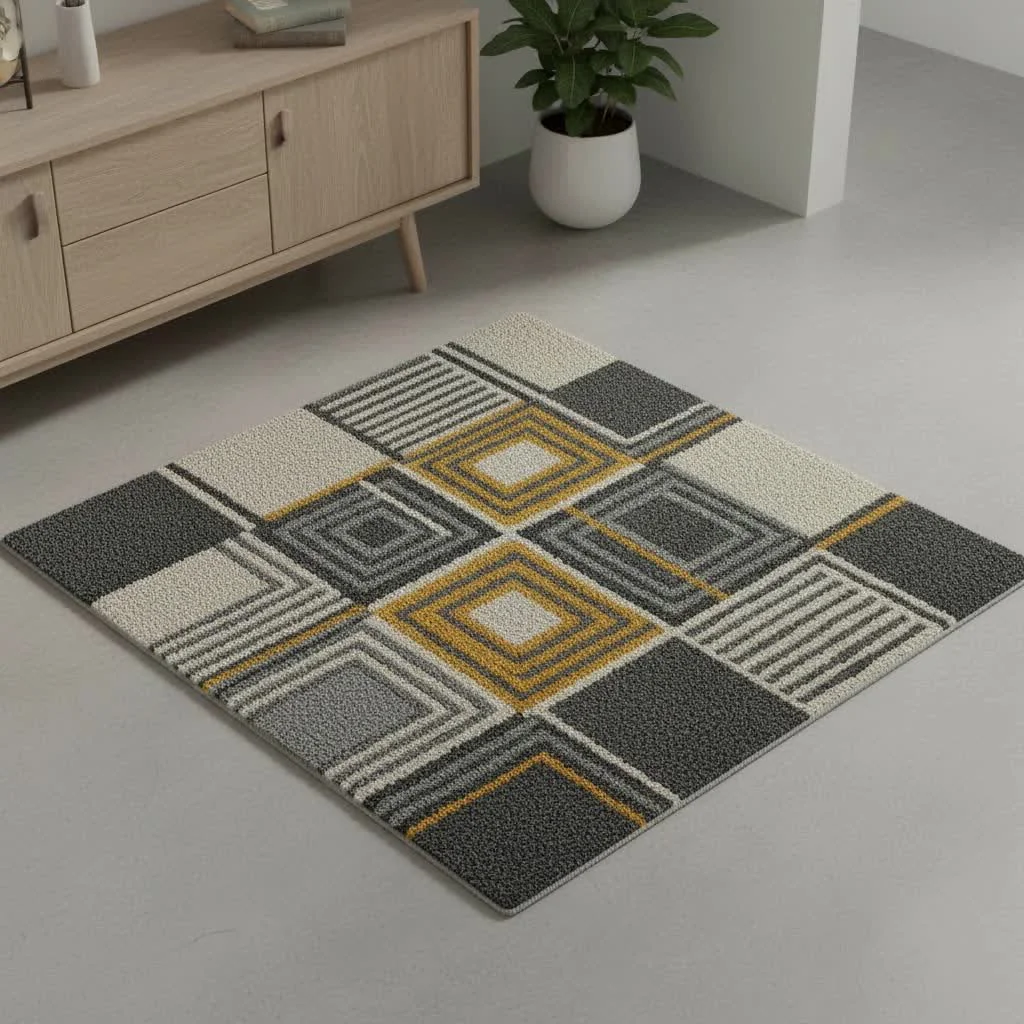
- Modern/Geometric: Characterized by bold shapes, clean lines, and abstract patterns, modern rugs create a contemporary focal point and suit minimalist or urban interiors.
- Bohemian: Rich in color, texture, and global-inspired patterns, bohemian rugs bring warmth and an artistic flair, often layered for a maximalist look.
- Shag: Known for their long, plush pile, shag rugs provide ultimate comfort and a retro-chic vibe, ideal for bedrooms or cozy living areas.
-
Choosing a Decorative Rug for Your Space:
Consider the existing furniture and color palette. A rug can either blend seamlessly or provide a striking contrast. For a cohesive look, choose colors that echo elements already in the room. For a bold statement, opt for a rug with contrasting colors or a dominant pattern. -
Tips for Using Decorative Rugs:
Use them to define zones in open-plan spaces, add a layer of texture, or introduce a pop of color. Remember that a rug’s pattern can influence the perceived size of a room; smaller patterns can make a room feel larger, while large, bold patterns can make a statement in spacious areas.
Floor Rug Buying Guide
Selecting the perfect floor rug involves more than just admiring its appearance. Practical considerations regarding size, material suitability, and quality are paramount to ensure your investment serves its purpose beautifully and durably.
Identify Usage Needs
Before falling in love with a rug’s design, assess its intended function within your home. Different rooms and purposes demand different characteristics from your rug.
-
Rug Size for Your Space:
The right size rug is critical for anchoring a room and making it feel balanced. For living rooms, aim for a rug that allows all major furniture pieces (or at least their front legs) to rest on it, extending at least 6-8 inches beyond the sides of your sofa. In dining rooms, ensure the rug is large enough for all chair legs to remain on the rug even when pulled out. In bedrooms, a large rug can frame the bed, extending at least 18-24 inches on the sides and foot.“My biggest piece of advice for ordering the accurate size rug is to test it! Use painter’s tape to visualize the actual rug size in your room.” – Alinta Lim, King Living Senior Designer
-
Rug Material for Usage Purpose:
High-traffic areas like entryways, hallways, or living rooms benefit from durable materials like wool, nylon, or sisal. Bedrooms and low-traffic areas can accommodate softer, more delicate fibers like cotton or plush polyester. For kitchens or bathrooms, choose moisture-resistant synthetics like polypropylene. -
Rug Color and Pattern for Interior Style:
Consider your room’s existing color scheme and furniture. A rug can either complement by using similar tones or create a focal point with contrasting colors or bold patterns. Light colors can make a room feel more open, while dark colors add intimacy. Patterns can hide dirt and add visual interest.
Compare Prices and Brands
Rugs come in a vast price range, influenced by material, construction, size, and brand reputation. Researching and comparing options helps you find the best value.
-
Reputable Floor Rug Brands:
While specific brand recommendations depend on your region and budget, look for brands known for quality materials, ethical production, and positive customer reviews. Brands specializing in handmade rugs often command higher prices but offer unparalleled artistry and longevity. -
Average Price Range for Floor Rugs:
- Small (2’x3′ – 3’x5′): $30 – $200+
- Medium (5’x7′ – 6’x9′): $100 – $800+
- Large (8’x10′ – 9’x12’+): $300 – $5000+ (depending heavily on material and craftsmanship)
-
Tips for Finding Good Deals:
Shop during sales events, check online retailers, and consider outlet stores. Sometimes, slightly imperfect rugs (seconds) can be purchased at a significant discount. Always read reviews and understand return policies when buying online.
Check Rug Quality
A rug’s quality directly impacts its durability, appearance, and lifespan. Knowing what to look for can help you identify a worthwhile investment.
-
How to Recognize a Quality Floor Rug:
- Density: A denser pile (more knots per square inch for hand-knotted, or more fibers per square inch for machine-made) generally indicates higher quality and durability.
- Backing: A well-constructed backing (often cotton or jute) prevents stretching and provides stability.
- Fibers: Look for consistent, tightly twisted fibers. For natural fibers, check for smooth, even strands.
- Dye Quality: Colors should be consistent and not bleed when tested with a damp cloth in an inconspicuous area.
-
Considerations When Buying Online:
Online purchases offer convenience and variety but lack the ability to physically inspect the rug. Rely on high-resolution images, detailed descriptions, customer reviews, and clear return policies. Order swatches if available. -
Warranty and Return Policy:
Always check the warranty offered by the manufacturer or retailer. A good warranty reflects confidence in the product’s quality. Understand the return policy, especially for large items, to avoid unexpected costs or difficulties if the rug doesn’t meet your expectations.
Floor Rug Comparison Table
| Feature | Natural Fiber (e.g., Wool) | Synthetic Fiber (e.g., Nylon) |
|---|---|---|
| Material | Wool, cotton, jute, sisal | Nylon, polyester, polypropylene |
| Durability | High (wool, sisal), Medium (jute, cotton) | Very High (nylon), Medium (polyester, polypropylene) |
| Stain Resist. | Good (wool, sisal), Low (cotton, jute) | Excellent (nylon, polyester, polypropylene) |
| Comfort | Excellent (wool, cotton) | Good (polyester), Medium (nylon, polypropylene) |
| Price Range | Medium to High | Low to Medium |
| Eco-Friendly | Yes | No (typically) |
| Best For | Living, bedroom (wool, cotton); High-traffic (sisal) | High-traffic (nylon); Bedrooms (polyester); Kitchens/outdoors (polypropylene) |
-
Advantages and Disadvantages of Each Type:
- Natural Fibers: Offer authentic texture and sustainability but can be more expensive and require careful cleaning. Wool is a premium choice for longevity.
- Synthetic Fibers: Highly practical and budget-friendly, excelling in stain and fade resistance. Nylon is a workhorse, while polyester offers softness.
-
Recommended Choices for Different Needs:
- Luxury & Longevity: Wool rugs are an excellent investment, providing comfort, warmth, and timeless style.
- High-Traffic & Pet-Friendly: Nylon or sisal rugs offer superb durability and are easier to maintain.
- Budget-Conscious & Stain-Prone Areas: Polypropylene rugs provide great value and strong resistance to spills.
- Softness & Vibrant Colors: Polyester and cotton rugs are ideal for adding comfort and visual appeal to less busy spaces.
Floor Rug Cleaning and Maintenance Tips
Proper care is essential to preserve the beauty and extend the life of your floor rug. A consistent maintenance routine can prevent premature wear and keep your rug looking fresh.
Regular Cleaning
Routine maintenance is the backbone of rug care, protecting fibers from embedded dirt and maintaining their appearance.
-
Vacuuming:
Vacuum your rugs at least once a week, and more frequently for high-traffic areas or homes with pets. Use a vacuum with an adjustable suction or a beater bar that can be turned off, especially for delicate or high-pile rugs, to avoid damaging fibers. Occasionally vacuum the underside to remove trapped dust. -
Washing:
Small, machine-washable rugs can be washed in warm water with a mild detergent and tumble-dried on the lowest heat setting. For larger rugs, shaking them outside and beating them over a clothesline can remove loose dirt before vacuuming. Always check the care label; “dry clean only” rugs should be handled by professionals. -
Odor Removal:
Sprinkle baking soda generously over the rug, let it sit for 15-30 minutes (or longer for stubborn odors), then vacuum thoroughly. For pet odors, enzymatic cleaners designed for pet stains can be highly effective.
Stain Removal
Accidents happen, but quick and correct action can prevent permanent stains.
-
Common Stains and How to Treat Them:
- Liquids (coffee, wine, juice): Blot immediately with a clean, absorbent cloth. Do not rub, as this can spread the stain and push it deeper into the fibers.
- Solid/Semi-Solid (food, mud): Gently scrape off any excess material with a spoon or dull knife before blotting.
-
Using Specialized Cleaning Solutions:
For most stains, a solution of mild detergent (e.g., dish soap) and warm water can be effective. Apply with a clean cloth, blot gently, then rinse with a damp cloth and blot dry. Always test any cleaning solution on an inconspicuous area first. A solution of white vinegar and water can also be used as a rinse after cleaning to help remove residues and neutralize odors. -
Natural Stain Removal Hacks:
For grease stains, cornstarch or baking soda can absorb oil before vacuuming. For sticky residues, ice cubes can freeze the substance, making it easier to chip away. Always follow up with a mild detergent and water solution if needed.
Proper Storage
If you need to store your rug, doing so correctly will protect it from damage and prolong its life.
-
How to Store Rugs When Not in Use:
Ensure the rug is thoroughly cleaned and completely dry before storage to prevent mold and mildew. Roll the rug tightly, rather than folding it, to avoid permanent creases. -
Avoiding Direct Sunlight and High Humidity:
Store rugs in a cool, dry place away from direct sunlight, which can cause fading, and high humidity, which can lead to mold, mildew, or fiber damage. Basements and attics are often not ideal due to temperature and humidity fluctuations. -
Using Protective Storage Products:
Wrap the rolled rug in breathable fabric (like a cotton sheet) or specialized rug storage bags to protect it from dust, pests, and moisture. Avoid wrapping in non-breathable plastic for extended periods, as it can trap moisture. Consider mothballs or cedar chips for natural pest deterrence if storing for a long time.
Investing in a quality floor rug is an investment in your home’s comfort and style. By understanding the various types, making informed choices, and committing to a consistent care routine, you can ensure your rug remains a cherished element of your decor for years to come. Remember that each rug tells a story, and with the right care, yours will continue to beautifully unfold.
What unique character will your next floor rug bring to your home?
Frequently Asked Questions
What is the best material for a durable floor rug in high-traffic areas?
For high-traffic areas, durable materials like wool or synthetic fibers such as nylon and sisal are excellent choices. Wool offers natural resilience and stain resistance, while nylon is known for its exceptional strength and ability to withstand heavy foot traffic without showing significant wear. Sisal provides a natural, robust texture perfect for demanding spaces.
How do I choose the right size floor rug for my living room?
To choose the right size rug for your living room, ensure all major furniture pieces (like your sofa and armchairs) can rest entirely on the rug, or at least have their front legs on it. The rug should extend approximately 6-8 inches beyond the sides of your sofa to properly anchor the seating area and create a balanced look.
Can I clean my floor rug at home, or should I hire a professional?
Many common stains and routine cleaning, such as vacuuming and spot treatment with mild detergent, can be done at home. However, for deep cleaning, intricate natural fiber rugs, or stubborn stains, hiring a professional rug cleaner is often recommended. They have specialized equipment and expertise to thoroughly clean without damaging the fibers.
What are the benefits of using a rug pad under my floor rug?
Using a rug pad offers several benefits: it provides cushioning, enhances comfort underfoot, and helps prevent the rug from slipping and sliding, improving safety. Additionally, a rug pad protects your flooring underneath from scratches and wear, allows air circulation to prevent moisture buildup, and extends the life of your rug by absorbing impact.
How often should I rotate my floor rug?
It is advisable to rotate your floor rug every 6 to 12 months. This practice ensures even wear across the rug’s surface, particularly in high-traffic areas, and helps prevent uneven fading due to prolonged exposure to sunlight. Regular rotation contributes significantly to maintaining the rug’s appearance and longevity.
Pet products vetted on real animals
Free PDF — protein DMB calculator + 18 dog foods rated.
