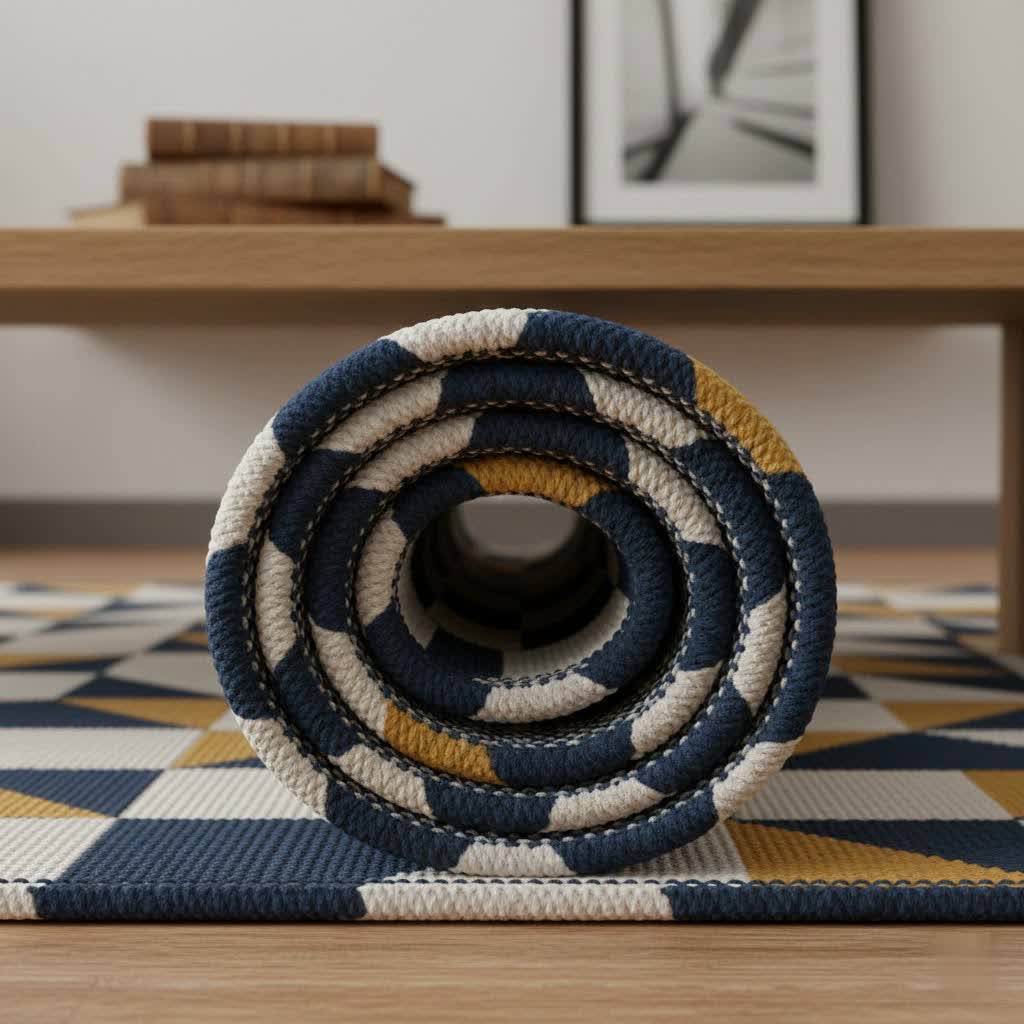
Every floor rug benefits from a rug pad, which provides essential safety by preventing slips and trips, protects flooring from scratches and stains, extends the rug’s lifespan by reducing wear, and enhances comfort and sound absorption. A quality rug pad also improves airflow, preventing moisture buildup and maintaining a stable, even surface for your rug.
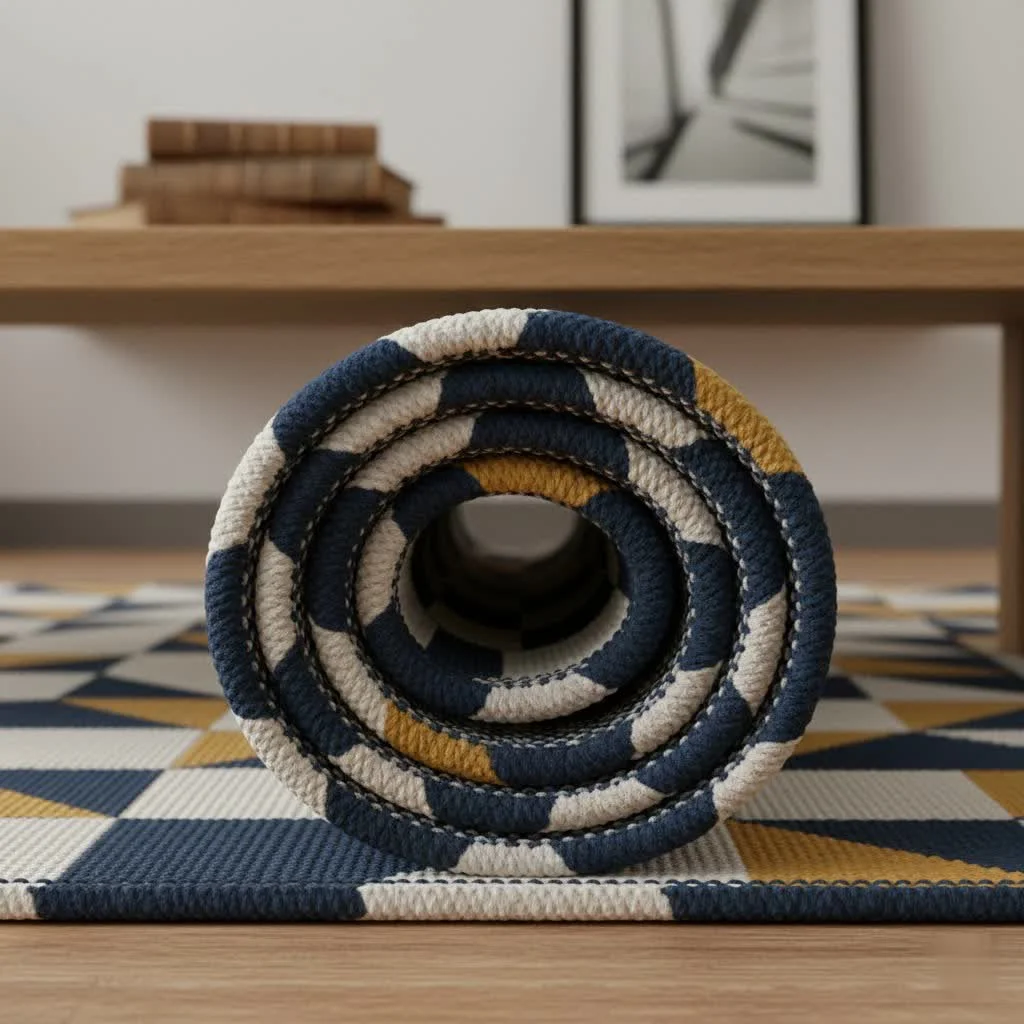
Why Every Floor Rug Needs a Pad: Unveiling the Benefits
- Enhanced Safety: A rug pad prevents slips, trips, bunching, and curling, making your home safer.
- Floor Protection: It acts as a barrier against scratches, scuffs, friction, stains, and furniture indentations on your underlying floor.
- Extended Rug Lifespan: Pads reduce wear and tear on rug fibers, support the rug’s structure, and make vacuuming easier, prolonging its life.
- Superior Comfort & Sound Absorption: A good pad adds plushness underfoot, insulates against cold, and dampens noise in a room.
- Improved Airflow & Hygiene: Open-weave pads prevent moisture buildup, which can lead to mold and mildew.
- Stable & Even Surface: Pads eliminate lumps and bumps, ensuring your rug lies flat and smooth.
Navigating the World of Floor Rug Pad Materials
- Natural Rubber Rug Pads:
- Pros: Offer excellent non-slip grip, are eco-friendly, safe for most hard floors (including urethane finishes), durable, and breathable.
- Best for: Small rugs, runners, and high-traffic areas on hard floors.
- Felt Rug Pads:
- Pros: Provide superior cushioning, insulation, and soundproofing, often made from recycled fibers.
- Best for: Large rugs where movement is less of an issue, ideal for adding plushness in bedrooms and living rooms.
- Felt-and-Rubber Combination Pads:
- Pros: These pads combine the strong grip of rubber with the cushioning of felt, offering versatile benefits.
- Best for: Medium-sized rugs and areas needing both grip and comfort, such as dining rooms.
- Materials to Approach with Caution (or Avoid):
- PVC/Vinyl Pads: Can stain or damage floor finishes, off-gas volatile organic compounds (VOCs), and leave sticky residue.
- Synthetic Latex: May contain harmful chemicals that can degrade over time.
- Foam Padding: Can degrade quickly and lose its cushioning ability over time.
Your Comprehensive Floor Rug Pad Buying Guide
Determine Your Needs and Floor Type
- Floor Surface: For hardwood, natural rubber or felt/rubber combination pads are best. Tile and laminate floors benefit from natural rubber. For rugs on carpet, a thin felt pad with texture is recommended.
- Rug Size & Weight: Small and light rugs require strong grip to prevent movement. Large and heavy rugs may prioritize cushioning over extreme grip.
- Room Traffic: High-traffic areas like entryways and hallways need low-profile, grippy pads. Low-traffic areas such as bedrooms can use thicker, softer pads for added comfort.
- Door Clearance: In areas with doors, it is crucial to opt for thinner pads (1/16″ to 1/8″) to ensure the door can open and close freely.
Mastering Floor Rug Pad Sizing
|
Our Picks for the Best Floor Rug in 2026
As an Amazon Associate I earn from qualifying purchases.
|
||
| Num | Product | Action |
|---|---|---|
| 1 | OLANLY Area Rugs for Living Room Bedroom, Machine Washable 4x5.9 ft Soft Fluffy Shaggy Bedside Rug, Indoor Floor Carpet for Kids Girls and Boys, Dorms, Nursery Rooms, Home Decor Aesthetic, Blush |

|
| 2 | OLANLY Area Rugs for Living Room Bedroom, Machine Washable 4x5.9 ft Soft Fluffy Shaggy Bedside Rug, Indoor Floor Carpet for Kids Girls and Boys, Dorms, Nursery Rooms, Home Decor Aesthetic, Black |
|
| 3 | Ophanie Black Area Rugs for Bedroom Living Room, 4x6 Fluffy Fuzzy Shag Shaggy Carpet Soft Plush Furry Bedside Rug, Indoor Floor Rug for Kids Girls Boys Home Decor Aesthetic, Dorm Nursery |
|
| 4 | OLANLY Area Rugs for Living Room Bedroom, Machine Washable 4x5.9 ft Soft Fluffy Shaggy Bedside Rug, Indoor Floor Carpet for Kids Girls and Boys, Dorms, Nursery Rooms, Home Decor Aesthetic, Beige |
|
| 5 | Ophanie Area Rugs for Bedroom, Christmas Upgrade Non-Slip Ivory Fluffy Soft Shag Living Room Carpet, Indoor Floor 4x6 Fuzzy Shaggy Living Room Plush Nursery Rug for Kids Home Dorm Decor Aesthetic |
|
| 6 | OLANLY Area Rugs for Living Room Bedroom, Machine Washable 4x5.9 ft Soft Fluffy Shaggy Bedside Rug, Indoor Floor Carpet for Kids Girls and Boys, Dorms, Nursery Rooms, Home Decor Aesthetic, Grey |
|
| 7 | Ophanie Blue Rug, Boys 4x6 Rugs for Bedroom Royal Dark Blue Carpet Nursery Aesthetic, Kids Playroom Navy Area Rugs for Girls Teen Home Decor, Fluffy Shag Bedside Floor Living Room Carpet |
|
| 8 | OLANLY Area Rugs for Living Room Bedroom, Machine Washable 4x5.9 ft Soft Fluffy Shaggy Bedside Rug, Indoor Floor Carpet for Kids Girls and Boys, Dorms, Nursery Rooms, Home Decor Aesthetic, Burgundy |
|
| 9 | OLANLY Area Rugs for Living Room Bedroom, Machine Washable 4x5.9 ft Soft Fluffy Shaggy Bedside Rug, Indoor Floor Carpet for Kids Girls and Boys, Dorms, Nursery Rooms, Home Decor Aesthetic, Coffee |
|
| 10 | Ophanie Area Rugs for Living Room Bedroom, Upgrade Non-Slip Fluffy Soft Grey Shag Carpet, Indoor Floor Gray 4x6 Fuzzy Shaggy Living Room Plush Rug for Kids Home Dorm Decor Aesthetic |
|
- General Rule: A rug pad should be 1-2 inches smaller than the rug on all sides to remain hidden and prevent tripping hazards.
- Measuring: Always measure the rug itself, not the room, to ensure an accurate fit.
- Specific Recommendations:
- Small rugs/runners: Aim for about 1 inch smaller on all sides, prioritizing strong non-slip properties.
- Large area rugs: A 1-2 inch smaller perimeter is suitable, often with a thicker felt or combination pad.
- Custom cutting: Most pads can be trimmed to size; cut incrementally to avoid over-cutting.
- Common Mistakes to Avoid: Do not buy a pad the same size as the rug, an oversized pad, or ignore door clearance.
Considering Thickness and Cushioning
- Thin (1/16″ – 1/8″): Provides maximum grip and minimal lift, ideal for areas requiring door clearance or where a low profile is desired.
- Medium (1/8″ – 1/4″): Offers moderate cushion and grip, making it a versatile choice for many rug types and rooms.
- Thick (1/4″ – 1/2″): Delivers maximum cushioning, soundproofing, and insulation; typically used for larger, less-mobile rugs in living rooms or bedrooms.
Floor Rug Pad Comparison Table
| Feature | Natural Rubber | Felt | Felt & Rubber Combination |
|---|---|---|---|
| Grip | Excellent | Minimal (unless textured) | Excellent |
| Cushioning | Subtle | Excellent | Good |
| Floor Protection | Very Good | Excellent | Excellent |
| Rug Longevity | Very Good | Excellent | Excellent |
| Noise Reduction | Good | Excellent | Very Good |
| Airflow | Good (open weave) | Less (dense) | Good |
| Best For | Small rugs, hard floors | Large rugs, comfort | Medium rugs, versatile |
| Common Thickness | 1/16″ – 1/8″ | 1/4″ – 1/2″ | 1/8″ – 7/16″ |
Maintaining Your Floor Rug Pad for Lasting Performance
Regular Cleaning & Inspection
- Weekly Rug Care: Vacuum your rug regularly to prevent dirt and debris from accumulating beneath it.
- Periodically Lift & Clean: Every few months, remove the rug to clean the floor underneath and the rug pad itself.
- Inspect Pad: Check the pad for any signs of deterioration, excessive wear, or sticky residue. Replace the pad if it shows significant damage or loss of effectiveness.
Handling Spills and Stains
- Blotting: For felt pads, blot spills immediately with a clean cloth to absorb as much liquid as possible.
- Wiping: Rubber and memory foam pads can be wiped clean with a damp cloth and mild detergent.
- Spot Treatment: Use a mild soap and water solution for spot treatment. For odors, a 1:1 vinegar-water solution can be effective; always test in an inconspicuous area first.
- Drying: Ensure the pad is completely dry before relaying the rug to prevent mold or mildew growth.
Proper Installation & Storage
- Clean Surface: Always install a rug pad on a clean, dry floor to ensure optimal grip and prevent damage.
- Curing Time: Do not place a rug pad on freshly sealed or finished floors until the finish is fully cured, which can take several days or weeks depending on the product.
- Storage: When storing a rug pad, roll it instead of folding to prevent creases and damage. Store it in a dry, cool place away from direct sunlight.
Frequently Asked Questions
Are rug pads necessary for all types of rugs?
Yes, rug pads are necessary for almost all rugs, regardless of size or placement. They provide crucial benefits like preventing slips, protecting your flooring, extending the rug's life, and adding comfort. Even large, heavy rugs benefit from a pad to prevent shifting and protect the floor underneath.
What is the best rug pad for hardwood floors?
For hardwood floors, natural rubber rug pads or felt-and-rubber combination pads are generally the best choice. Natural rubber offers excellent non-slip grip and is safe for most urethane finishes, while felt-and-rubber pads combine grip with cushioning. Avoid PVC/vinyl pads, as they can damage hardwood finishes.
Can a rug pad cause damage to my floor?
Yes, certain types of rug pads, particularly those made from PVC or vinyl, can damage floor finishes by causing discoloration, leaving sticky residue, or off-gassing harmful chemicals. Always choose pads made from natural rubber or felt for hard floors to ensure floor safety and longevity.
How can I prevent my rug pad from sliding on the floor?
To prevent your rug pad from sliding, ensure you choose a pad with excellent non-slip grip, such as one made from natural rubber or a felt-and-rubber combination. The pad should also be sized correctly, typically 1-2 inches smaller than the rug on all sides, and placed on a clean, dry floor surface.
How often should I clean my rug pad for optimal performance?
You should inspect and clean your rug pad periodically, ideally every few months, when you lift your rug to clean the floor underneath. Vacuuming the rug regularly also helps. For spills, blot felt pads immediately or wipe rubber/memory foam pads clean with mild soap and water, ensuring the pad is completely dry before relaying the rug.
Pet products vetted on real animals
Free PDF — protein DMB calculator + 18 dog foods rated.

I’ve always been worried about my hardwood floors getting scratched by my rugs, especially in high-traffic areas. The information about how rug pads act as a barrier against scratches and scuffs was exactly what I needed to hear. I immediately ordered a new pad for my dining room rug, and I feel so much better knowing my floors are protected.
This guide was super helpful! I had no idea there were so many types of rug pads. I ended up getting a felt and rubber combo pad for my living room rug, and it’s made a huge difference. No more bunching, and it feels much softer underfoot. My only minor complaint is that it was a bit tricky to trim to the exact size.
I always thought rug pads were just for preventing slips, but I’m so glad I read up on them. The part about extending the rug’s lifespan really hit home for me. I invested in a nice wool rug recently, and getting a quality pad to protect it from wear and tear just makes sense. It feels much more plush now too!
I bought a new rug pad specifically for sound absorption in my apartment, hoping it would help with the noise from downstairs. While it definitely added some comfort and stopped my rug from sliding, I haven’t noticed a significant improvement in sound dampening. It’s okay, but not the miracle cure I was hoping for in that regard.