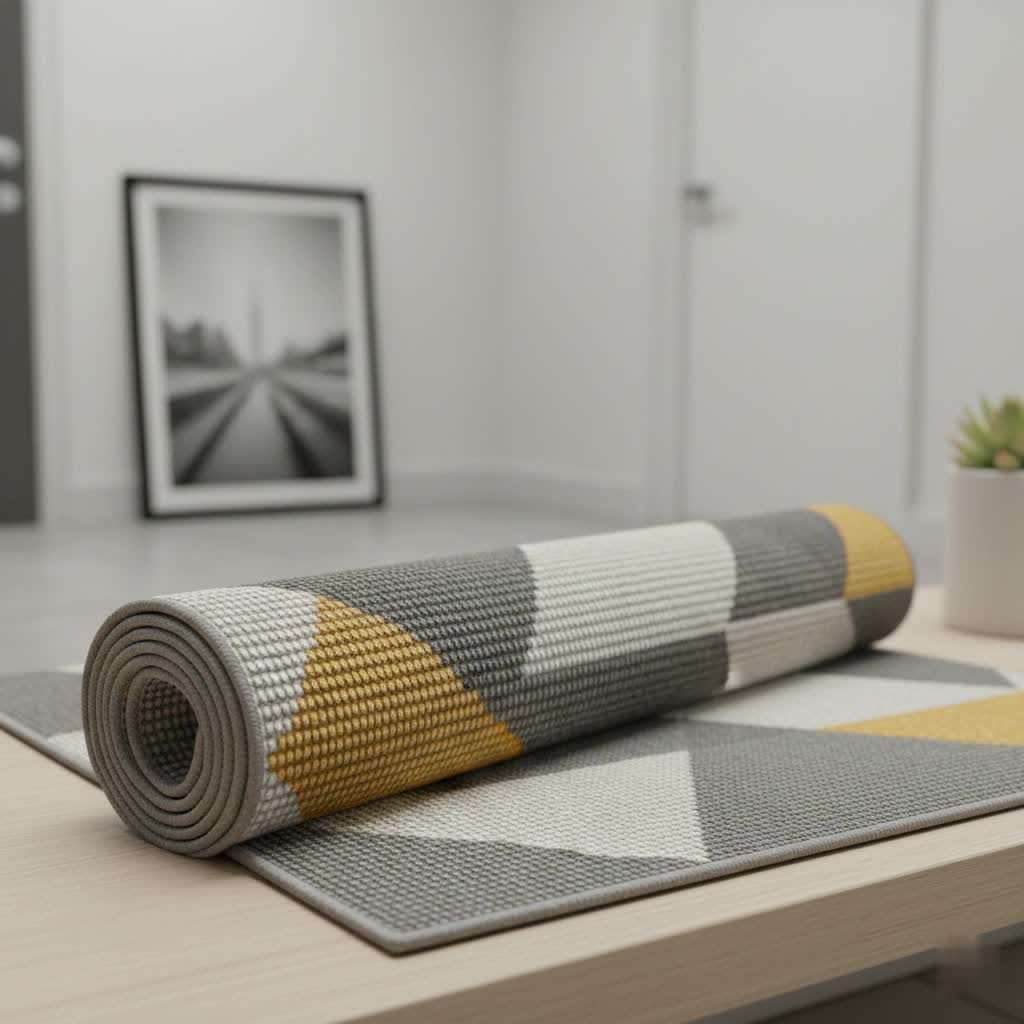
American carpets offer a blend of comfort, durability, and style, with the U.S. market valued at USD 16.00 billion in 2024. These flooring solutions have evolved to meet modern demands, incorporating innovative technology and timeless aesthetics. Understanding the diverse types, buying considerations, and proper maintenance is essential for enhancing your home with this versatile flooring.
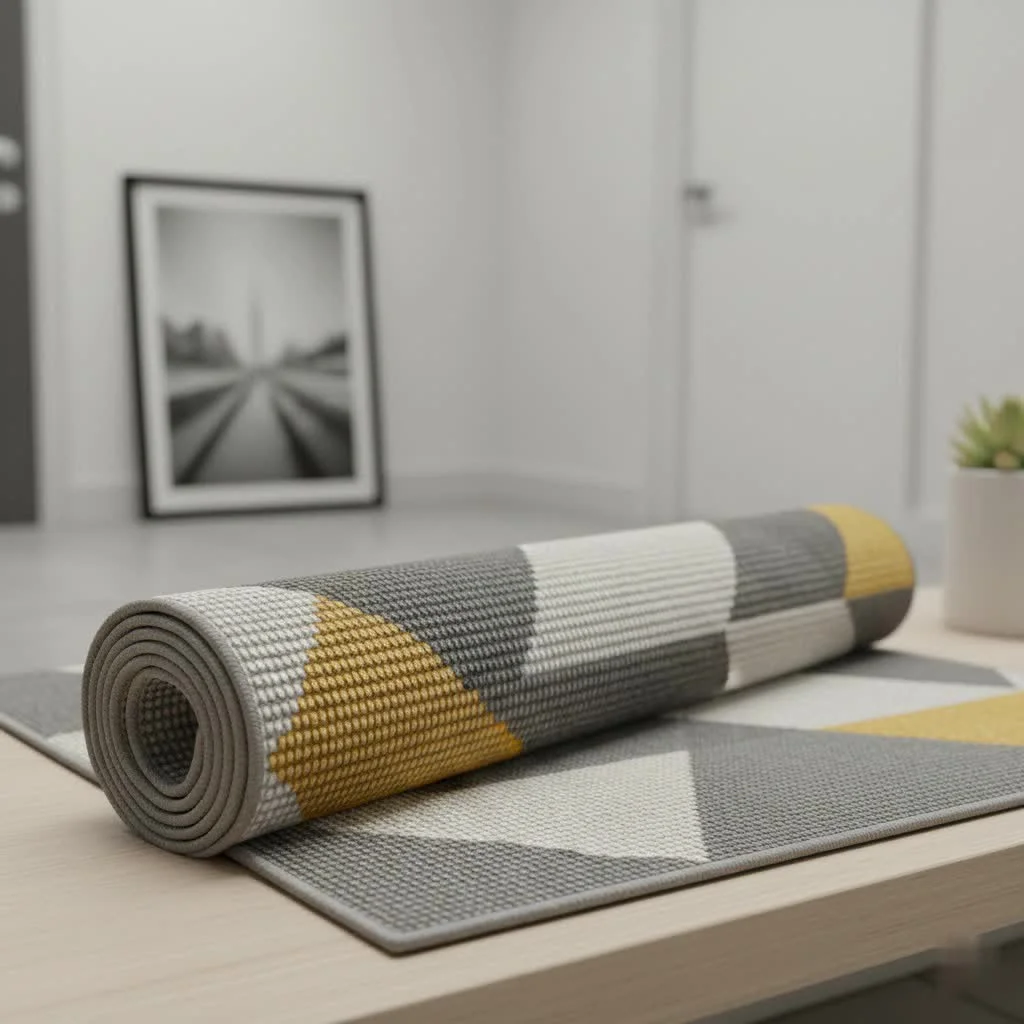
Popular American Carpet Types
The American carpet market provides a wide array of choices, each possessing distinct features that cater to various needs and design preferences. From the inherent luxury of natural fibers to the robust performance of synthetics, knowing your options is the initial step towards an informed decision.
Natural Fiber Carpets
Natural fiber carpets introduce an element of organic elegance and sustainability to any American home. They are highly regarded for their unique textures and eco-friendly attributes.
- Advantages and Disadvantages: Natural fibers often boast superior softness, excellent insulation, and inherent fire resistance. They are also biodegradable and renewable, appealing to eco-conscious consumers. However, they can be more prone to stains, require specific cleaning methods, and may have a higher price point than synthetic alternatives.
- Popular Natural Fiber Types:
- Wool: Renowned for its luxurious feel, durability, and natural elasticity, wool carpet is a premium choice. It’s naturally stain-resistant (though not stain-proof) and acts as a natural air filter.
- Cotton: Softer than wool, cotton carpets provide a casual, comfortable feel. They are frequently found in area rugs due to their absorbency and tendency to flatten in high-traffic areas.
- Sisal and Jute: These plant-based fibers offer a coarse, textured appearance, ideal for a natural, rustic, or bohemian aesthetic. They are durable but can feel rough underfoot and are best suited for low-moisture environments.
- Choosing the Right Natural Fiber Carpet: When selecting a natural fiber carpet, consider the room’s traffic level and potential for spills. Wool is ideal for living rooms and bedrooms where comfort and longevity are key, while sisal or jute can add textural interest to a study or sunroom. Always prioritize certified sustainable options if environmental impact is a primary concern.
Synthetic Fiber Carpets
Synthetic carpets hold a significant share of the American market due to their affordability, durability, and a broad range of performance features, making them a practical choice for busy households and commercial spaces.
- Advantages and Disadvantages: The primary benefits of synthetic carpets include exceptional stain resistance, impressive durability against wear and tear, and a lower cost. Many are engineered to withstand heavy foot traffic and are easy to clean. Conversely, some synthetic options may not offer the same luxurious feel as natural fibers, and their production can have a larger environmental footprint, though eco-friendly synthetic options are becoming more prevalent.
- Popular Synthetic Fiber Types:
- Nylon: The leading choice in the US market, nylon is celebrated for its outstanding resilience, durability, and stain resistance. It retains its texture and color well, making it suitable for high-traffic residential and commercial areas.
- Polyester: Emerging as a fast-growing option, polyester offers excellent stain resistance and a luxurious, soft feel, often at a more affordable price point. Advances in manufacturing have improved its durability.
- Polypropylene (Olefin): Known for its inherent stain, fade, and moisture resistance, polypropylene is frequently used for indoor-outdoor carpets and basements. It’s highly durable but can be less resilient to crushing than nylon.
- Choosing the Right Synthetic Fiber Carpet: Nylon is an excellent all-around choice for active families and high-traffic areas due to its proven performance. Polyester offers a softer feel and great stain resistance for bedrooms and living rooms. For basements or areas prone to moisture, polypropylene can be a wise choice.
Decorative Carpets and American Design Trends
|
Our Picks for the Best Floor Rug in 2026
As an Amazon Associate I earn from qualifying purchases.
|
||
| Num | Product | Action |
|---|---|---|
| 1 | OLANLY Area Rugs for Living Room Bedroom, Machine Washable 4x5.9 ft Soft Fluffy Shaggy Bedside Rug, Indoor Floor Carpet for Kids Girls and Boys, Dorms, Nursery Rooms, Home Decor Aesthetic, Burgundy |

|
| 2 | OLANLY Area Rugs for Living Room Bedroom, Machine Washable 4x5.9 ft Soft Fluffy Shaggy Bedside Rug, Indoor Floor Carpet for Kids Girls and Boys, Dorms, Nursery Rooms, Home Decor Aesthetic, Grey |
|
| 3 | Ophanie Black Area Rugs for Bedroom Living Room, 4x6 Fluffy Fuzzy Shag Shaggy Carpet Soft Plush Furry Bedside Rug, Indoor Floor Rug for Kids Girls Boys Home Decor Aesthetic, Dorm Nursery |
|
| 4 | Ophanie Area Rugs for Bedroom, Christmas Upgrade Non-Slip Ivory Fluffy Soft Shag Living Room Carpet, Indoor Floor 4x6 Fuzzy Shaggy Living Room Plush Nursery Rug for Kids Home Dorm Decor Aesthetic |
|
| 5 | OLANLY Area Rugs for Living Room Bedroom, Machine Washable 4x5.9 ft Soft Fluffy Shaggy Bedside Rug, Indoor Floor Carpet for Kids Girls and Boys, Dorms, Nursery Rooms, Home Decor Aesthetic, Blush |
|
| 6 | OLANLY Area Rugs for Living Room Bedroom, Machine Washable 4x5.9 ft Soft Fluffy Shaggy Bedside Rug, Indoor Floor Carpet for Kids Girls and Boys, Dorms, Nursery Rooms, Home Decor Aesthetic, Beige |
|
| 7 | Ophanie Blue Rug, Boys 4x6 Rugs for Bedroom Royal Dark Blue Carpet Nursery Aesthetic, Kids Playroom Navy Area Rugs for Girls Teen Home Decor, Fluffy Shag Bedside Floor Living Room Carpet |
|
| 8 | Ophanie Area Rugs for Living Room Bedroom, Upgrade Non-Slip Fluffy Soft Grey Shag Carpet, Indoor Floor Gray 4x6 Fuzzy Shaggy Living Room Plush Rug for Kids Home Dorm Decor Aesthetic |
|
| 9 | OLANLY Area Rugs for Living Room Bedroom, Machine Washable 4x5.9 ft Soft Fluffy Shaggy Bedside Rug, Indoor Floor Carpet for Kids Girls and Boys, Dorms, Nursery Rooms, Home Decor Aesthetic, Black |
|
| 10 | OLANLY Area Rugs for Living Room Bedroom, Machine Washable 4x5.9 ft Soft Fluffy Shaggy Bedside Rug, Indoor Floor Carpet for Kids Girls and Boys, Dorms, Nursery Rooms, Home Decor Aesthetic, Coffee |
|
Beyond material, a carpet’s aesthetic appeal can profoundly influence a room’s character. American design trends for 2025 emphasize a return to comfort, warmth, and expressive individuality, moving away from stark minimalism.
- Popular Design Styles:
- Geometric Designs: Clean lines, abstract shapes, and Moroccan trellis patterns are trending, adding a modern and striking focal point to interiors.
- Botanical and Floral Motifs: Nature-inspired patterns bring a sense of calm and serenity, often with a muted, vintage twist or dark and dramatic flair.
- Retro and Vintage Styles: Embracing the “maximalism” trend, homeowners are layering rugs, mixing prints, and experimenting with textures, including shag and tufted styles reminiscent of past eras.
- Color-Blocking and Multi-tonal Carpets: Bold color statements, ombre effects, and tonal layering are popular, offering sophistication and visual interest.
- Matching Decorative Carpets to Your Space: Carpets are increasingly viewed as the “fourth wall,” providing structure and personality. A bold patterned carpet can anchor a spacious living room, while a subtle motif can define a cozy bedroom. Layering multiple rugs with varying sizes and designs, a practice known as “rug combing,” is gaining momentum.
- Considerations for Decorative Carpets: For high-traffic areas, consider durability alongside aesthetics. Washable rugs and removable carpet tiles offer practical and temporary style upgrades, especially for renters or those seeking easy maintenance.
American Carpet Buying Guide
Navigating the vast selection of American carpets requires a thoughtful approach. Consider your specific needs, compare options, and always prioritize quality.
Identify Usage Needs
The perfect carpet begins with understanding how it will be used in your home.
- Determine the Right Size: Measure your space carefully. For wall-to-wall carpeting, precise measurements are critical. For area rugs, ensure they are proportionate to the room and furniture, typically extending beyond key furniture pieces to create a cohesive zone.
- Choose the Material Based on Purpose:
- High-Traffic Areas: Hallways, stairs, and living rooms benefit from durable options like nylon or Berber carpet, known for their tightly woven, resilient fibers.
- Comfort and Softness: Bedrooms and family rooms often call for plush, high-pile, or wool-like textures for maximum comfort underfoot.
- Stain Resistance: For homes with children or pets, advanced stain-resistant synthetic carpets are a major upgrade, offering peace of mind and easy cleanup.
- Match Colors and Patterns to Interior Style: Neutral tones like beige, gray, and taupe remain timeless and versatile, while bold patterns and rich jewel tones are making a strong comeback for those desiring a statement. Consider your existing decor, lighting, and desired ambiance when making your selection.
Compare Prices and Brands
The United States boasts a robust carpet industry with numerous reputable manufacturers. The market size was valued at USD 16.00 Billion in 2024, emphasizing its significant presence in home decor.
- Reputable American Carpet Brands: Leading brands known for quality and innovation include Mohawk Industries, Shaw Industries, Interface, Inc., Milliken & Company, Karastan, Masland, Nourison Home, and Stanton. Many offer “Made in USA” collections, supporting domestic manufacturing.
- Average Price Ranges: Carpet prices vary widely based on material, construction, brand, and features. Economy options, often using synthetic fibers, dominated 57.6% of the US market in 2024, catering to budget-conscious buyers. Luxury carpets, typically made from premium natural fibers or advanced synthetics, represent a higher investment.
- Tips for Finding Value: Look for sales, factory outlets, and consider carpet tiles for potential cost savings and easier replacement. Always inquire about warranties and installation costs, which can significantly impact the overall price.
Check Carpet Quality
A carpet’s quality isn’t always evident at first glance. Knowing what to look for can ensure your investment lasts for years.
- Key Indicators of Quality:
- Face Weight: Refers to the amount of fiber per square yard. Higher face weight generally indicates a denser, more durable carpet.
- Density: How tightly packed the fibers are. Denser carpets resist matting and crushing better.
- Twist: The number of twists in the yarn bundles. More twists mean better durability and resistance to unraveling.
- Backing: A strong, flexible backing helps the carpet maintain its shape and can contribute to its longevity.
- Buying Online vs. In-Store: In-store shopping allows you to physically touch and see samples, assess colors accurately, and receive expert advice. Online stores often offer a broader selection and competitive pricing, but ensure you order samples to evaluate texture and color in your home’s lighting before committing.
- Warranty and Returns: Understand the manufacturer’s warranty, which typically covers wear, stains, and manufacturing defects. Also, be clear on the retailer’s return policy, especially for large purchases.
Floor Rug Comparison Table
| Feature | Natural Fiber Carpets (e.g., Wool, Jute) | Synthetic Fiber Carpets (e.g., Nylon, Polyester) |
|---|---|---|
| Materials | Wool, cotton, sisal, jute, seagrass, coir | Nylon, polyester, polypropylene (olefin) |
| Durability | Varies by fiber; wool is highly durable, sisal/jute less resilient to moisture. | Generally very durable, especially nylon; resistant to wear, crushing. |
| Price Range | Higher, particularly for wool. | Moderate to affordable. |
| Aesthetics/Feel | Luxurious, soft (wool), natural, textured (jute, sisal). | Soft, plush, diverse textures; wide range of colors/patterns. |
| Sustainability | Renewable, biodegradable, lower VOCs. | Eco-friendly options available (recycled, low VOC); generally less sustainable. |
| Stain Resistance | Lower; may require immediate cleaning. | High, often with advanced stain-resistant treatments. |
| Best Use Case | Bedrooms, low-traffic living areas, eco-conscious homes. | High-traffic areas, family rooms, commercial spaces, budget-friendly projects. |
American Carpet Cleaning and Maintenance Tips
Proper care is paramount to preserving the beauty and longevity of your American carpet, ensuring it remains a comfortable and stylish element of your home for years to come.
Regular Cleaning
Consistent maintenance is the best defense against dirt and wear.
- Vacuuming: Vacuum frequently, especially in high-traffic areas, to prevent dirt and grit from embedding in the fibers. For cut pile carpets, an upright vacuum with a beater bar works well. For loop pile (like Berber), a vacuum with adjustable height settings and no beater bar or one that can be turned off is recommended to prevent snagging.
- Deep Cleaning: Professional deep cleaning (steam cleaning or hot water extraction) is recommended every 12-18 months, or more often for homes with pets, children, or allergies. This removes deeply embedded dirt and allergens, revitalizing the carpet.
- Odor Neutralization: For common household odors, sprinkle baking soda liberally over the carpet, let it sit for at least 15-30 minutes (or overnight), then vacuum thoroughly. Commercial carpet deodorizers are also available.
Stain Removal
Accidents happen, but quick and correct action can prevent permanent stains.
- Common Stains and Solutions:
- Liquids (coffee, juice): Blot immediately with a clean, white cloth, working from the outside of the stain inward. Avoid rubbing.
- Pet Accidents: Blot thoroughly. Apply a pet-specific enzymatic cleaner following product instructions to break down odors and stains.
- Food (greasy): Scrape off solids, then apply a small amount of dish soap diluted in water, blot, and rinse with clean water.
- Using Specialized Cleaners: Always test any cleaning solution on an inconspicuous area of your carpet first to ensure it doesn’t cause discoloration. Follow the product’s instructions carefully.
- Natural Stain Removal Tips: A mixture of white vinegar and water (1:1 ratio) can be effective for many stains. For stubborn spots, a paste of baking soda and a few drops of water can be applied, left to dry, and then vacuumed.
Proper Carpet Storage
If you need to store a carpet, doing so correctly will protect it from damage.
- Preparation: Thoroughly clean and dry the carpet before storage to prevent mold, mildew, and pest infestations.
- Rolling, Not Folding: Always roll your carpet, never fold it, to prevent creases and damage to the backing. Roll it with the pile facing inward to protect the fibers.
- Protection: Wrap the rolled carpet in a breathable fabric (like cotton sheets) or a heavy-duty plastic sheeting to protect it from dust, dirt, and insects. Avoid airtight plastic for long-term storage, as it can trap moisture.
- Storage Environment: Store carpets in a cool, dry, dark, and well-ventilated area, away from direct sunlight and extreme temperature fluctuations. Elevate the carpet off the floor to protect against potential moisture or pests.
Conclusion
American carpets have evolved significantly, offering an impressive array of choices that beautifully blend comfort, durability, and modern design. From the sustainable charm of natural fibers to the high-performance resilience of synthetics, today’s options cater to every lifestyle and aesthetic preference. By understanding the diverse types, navigating the buying process with confidence, and committing to proper maintenance, you can ensure your floor rug not only enhances your home’s beauty but also stands the test of time.
Investing in an American carpet means embracing a piece of history while enjoying the benefits of modern innovation. It’s about creating a warm, inviting, and personalized sanctuary underfoot.
What American carpet trend are you most excited to incorporate into your home?
Frequently Asked Questions
Pet products vetted on real animals
Free PDF — protein DMB calculator + 18 dog foods rated.

I appreciated the breakdown of different carpet types, especially the focus on sustainability with natural fibers. I bought a jute rug for my sunroom, hoping for that organic elegance. It looks great, but it’s a bit rougher than I anticipated, even after a few weeks. I wish there was a bit more detail on the actual feel of some of those natural options.
I’ve been looking to upgrade my flooring for ages, and the information on the U.S. market value really put things into perspective about the quality available. I ended up investing in a premium American carpet, and the difference in style and durability is night and day. It’s truly enhanced the look and feel of my entire home.
This guide was super helpful in narrowing down my choices. I was initially overwhelmed by the sheer number of options, but understanding the difference between natural and synthetic fibers made a huge difference. I opted for a wool carpet for my bedroom, and while it was a bit pricier than I expected, the luxurious feel is totally worth it.
I was really struggling to find a durable carpet for my high-traffic living room, and the guide’s mention of synthetic fibers really helped. I ended up going with a nylon blend, and it’s holding up beautifully against my kids and pets. The comfort underfoot is amazing, and it truly feels like a quality American-made product.