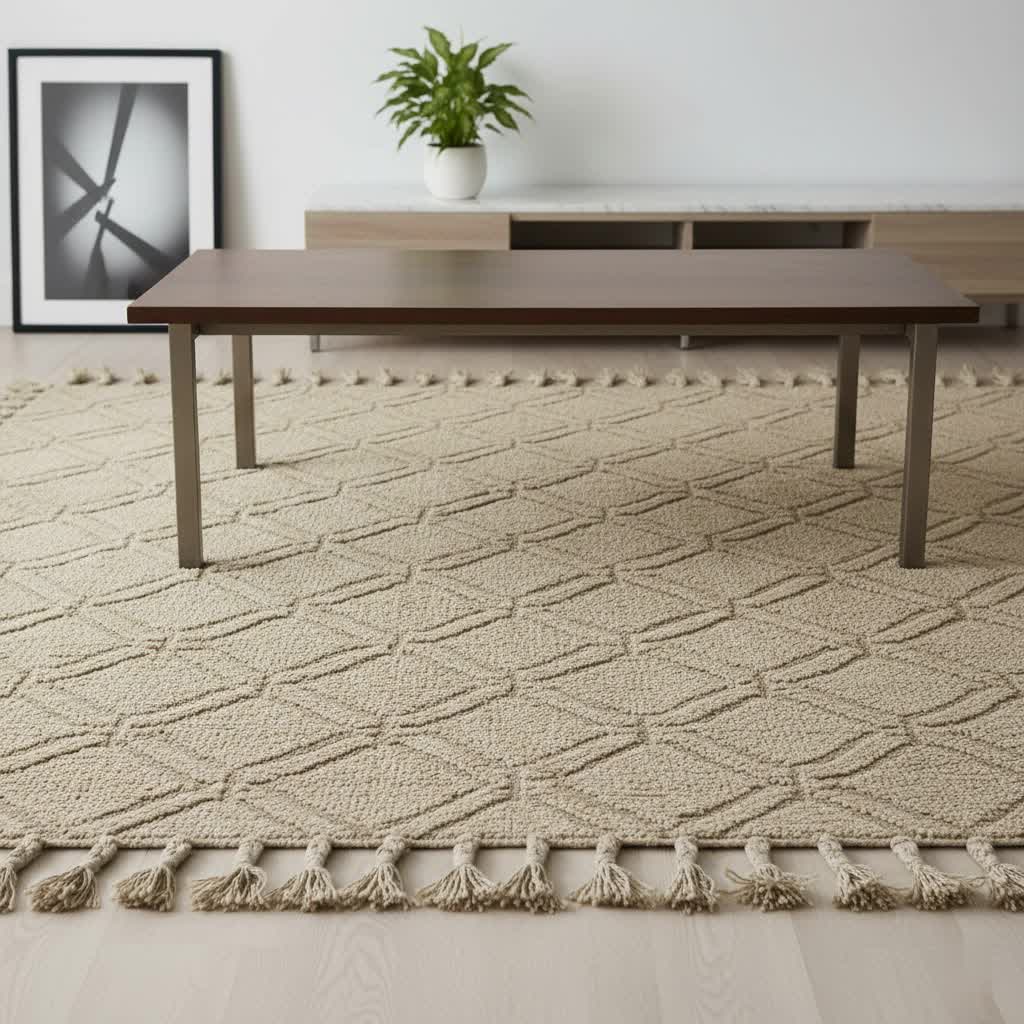
Stepping into a well-decorated room, do you ever feel that subtle shift, that perfect harmony created by thoughtfully chosen elements? Often, the unsung hero is the humble small area rug. Far from being a mere accessory, small area rugs are transformative pieces that can define zones, inject personality, and enhance comfort in any corner of your home. Whether you’re grappling with a tiny entryway or a cozy reading nook, selecting the right small area rug can be a game-changer, turning an ordinary space into something truly special.
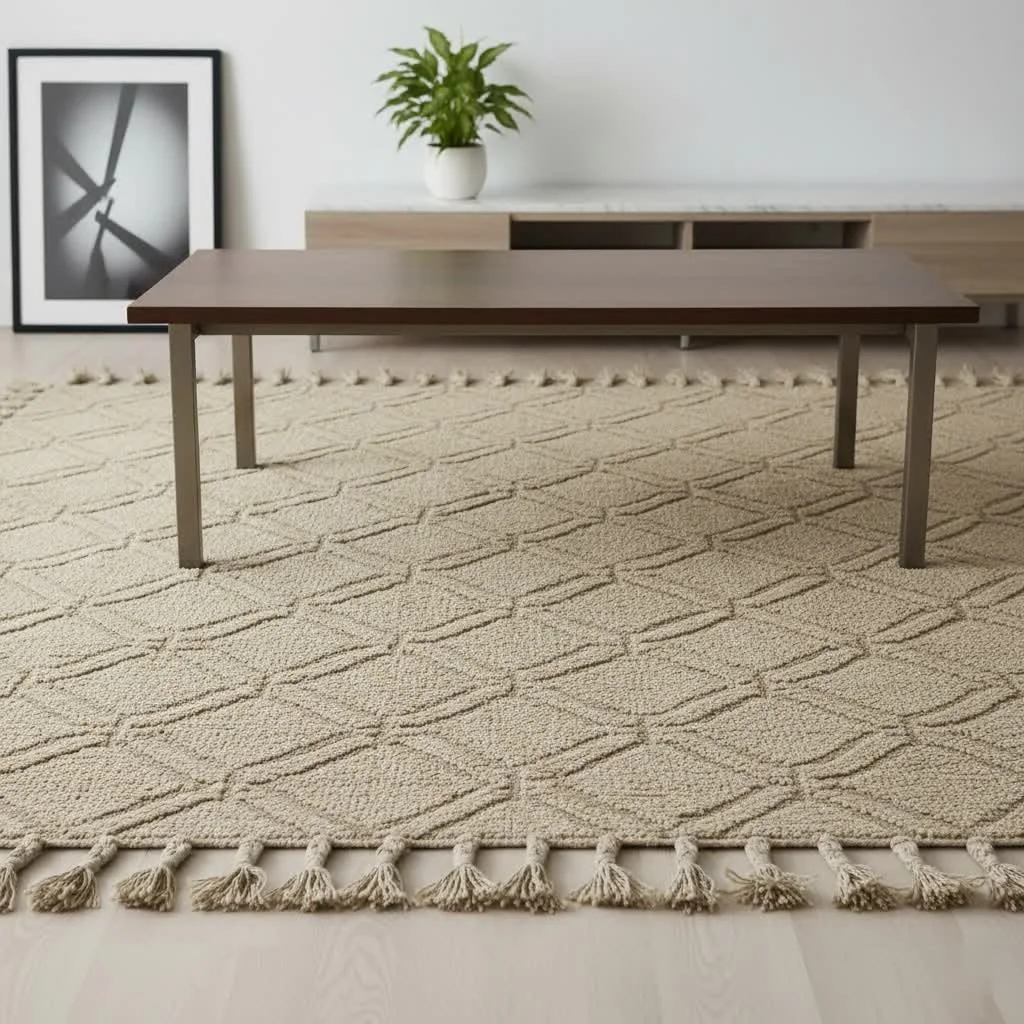
In this comprehensive guide, we’ll unravel the mysteries of choosing, placing, and caring for small area rugs. We’ll explore the diverse world of materials, from the natural warmth of wool to the practical resilience of synthetics, ensuring you have all the knowledge to make an informed decision. Get ready to discover how these petite powerhouses can elevate your interior design, adding both style and functionality without overwhelming your space.
Common Types of Small Area Rugs
The world of small area rugs is rich with variety, offering materials and constructions to suit every need and aesthetic. Understanding the distinct characteristics of natural and synthetic fibers is crucial for making the best choice for your home.
Natural Fiber Rugs
Natural fiber rugs bring an undeniable organic charm and tactile richness to any space. These rugs are crafted from materials derived from plants or animals, offering unique textures and inherent qualities.
Advantages:
- Warmth and Authenticity: Natural fibers like wool provide a luxurious, warm feel underfoot and a genuine, classic aesthetic.
- Sustainability & Eco-friendliness: Made from renewable resources, many natural rugs are biodegradable and a more sustainable choice for your home.
- Allergen Control: Free from synthetic chemicals, they can be ideal for households with allergy sensitivities. Wool, in particular, is naturally dirt-resistant, helping stains remain on the surface for easier dabbing.
- Durability: High-quality natural rugs, especially wool and sisal, are known for their longevity, often developing character over years of use rather than wearing out abruptly. Wool fibers also spring back well under pressure, maintaining their structure.
Disadvantages:
- Higher Cost: Natural fiber rugs often come with a higher upfront price due to their quality and craftsmanship, especially for hand-made varieties.
- Maintenance: Some natural materials, like wool, may require professional cleaning to preserve their fibers and color, though many are easy to spot clean.
- Moisture Sensitivity: Certain natural fibers, such as jute and sisal, can absorb moisture, making them less suitable for damp environments like bathrooms.
- Color Absorption: Not all natural materials absorb dye as vibrantly as synthetics, leading to deeper, more rustic tones rather than bright, bold colors.
Popular Natural Fiber Rugs:
- Wool: Renowned for its softness, durability, and insulation properties, wool rugs are excellent for living areas and bedrooms. They are naturally resistant to dirt and stains, making them a practical yet luxurious choice.
- Cotton: Lightweight and easy to clean, cotton rugs are versatile and come in a wide range of colors and patterns, perfect for casual settings.
- Jute & Sisal: These plant-based fibers offer a rustic, textured look and are highly durable, making them great for high-traffic areas like entryways. However, they can be rougher underfoot and are less suitable for damp spaces [cite: 3 (search result), 5].
- Silk: Known for its exquisite sheen and softness, silk rugs are a luxurious option, often used in decorative pieces for low-traffic areas.
When selecting a natural fiber rug for a small space, consider lighter, airy materials and neutral tones to enhance the sense of openness [cite: 3 (search result)].
Synthetic Fiber Rugs
|
Our Picks for the Best Floor Rug in 2026
As an Amazon Associate I earn from qualifying purchases.
|
||
| Num | Product | Action |
|---|---|---|
| 1 | Ophanie Area Rugs for Living Room Bedroom, Upgrade Non-Slip Fluffy Soft Grey Shag Carpet, Indoor Floor Gray 4x6 Fuzzy Shaggy Living Room Plush Rug for Kids Home Dorm Decor Aesthetic |

|
| 2 | OLANLY Area Rugs for Living Room Bedroom, Machine Washable 4x5.9 ft Soft Fluffy Shaggy Bedside Rug, Indoor Floor Carpet for Kids Girls and Boys, Dorms, Nursery Rooms, Home Decor Aesthetic, Burgundy |
|
| 3 | OLANLY Area Rugs for Living Room Bedroom, Machine Washable 4x5.9 ft Soft Fluffy Shaggy Bedside Rug, Indoor Floor Carpet for Kids Girls and Boys, Dorms, Nursery Rooms, Home Decor Aesthetic, Black |
|
| 4 | Ophanie Black Area Rugs for Bedroom Living Room, 4x6 Fluffy Fuzzy Shag Shaggy Carpet Soft Plush Furry Bedside Rug, Indoor Floor Rug for Kids Girls Boys Home Decor Aesthetic, Dorm Nursery |
|
| 5 | Ophanie Blue Rug, Boys 4x6 Rugs for Bedroom Royal Dark Blue Carpet Nursery Aesthetic, Kids Playroom Navy Area Rugs for Girls Teen Home Decor, Fluffy Shag Bedside Floor Living Room Carpet |
|
| 6 | Ophanie Area Rugs for Bedroom, Christmas Upgrade Non-Slip Ivory Fluffy Soft Shag Living Room Carpet, Indoor Floor 4x6 Fuzzy Shaggy Living Room Plush Nursery Rug for Kids Home Dorm Decor Aesthetic |
|
| 7 | OLANLY Area Rugs for Living Room Bedroom, Machine Washable 4x5.9 ft Soft Fluffy Shaggy Bedside Rug, Indoor Floor Carpet for Kids Girls and Boys, Dorms, Nursery Rooms, Home Decor Aesthetic, Beige |
|
| 8 | OLANLY Area Rugs for Living Room Bedroom, Machine Washable 4x5.9 ft Soft Fluffy Shaggy Bedside Rug, Indoor Floor Carpet for Kids Girls and Boys, Dorms, Nursery Rooms, Home Decor Aesthetic, Coffee |
|
| 9 | OLANLY Area Rugs for Living Room Bedroom, Machine Washable 4x5.9 ft Soft Fluffy Shaggy Bedside Rug, Indoor Floor Carpet for Kids Girls and Boys, Dorms, Nursery Rooms, Home Decor Aesthetic, Grey |
|
| 10 | OLANLY Area Rugs for Living Room Bedroom, Machine Washable 4x5.9 ft Soft Fluffy Shaggy Bedside Rug, Indoor Floor Carpet for Kids Girls and Boys, Dorms, Nursery Rooms, Home Decor Aesthetic, Blush |
|
Synthetic fiber rugs are human-made, typically from petroleum-based products, and are engineered for specific performance characteristics. They offer a practical and often more affordable alternative to natural fibers.
Advantages:
- Affordability: Generally more budget-friendly than natural rugs, synthetic options are accessible for a wider range of budgets.
- Durability and Resilience: Fibers like nylon and polypropylene are exceptionally strong and can withstand heavy foot traffic, making them ideal for busy areas and homes with pets.
- Stain and Moisture Resistance: Many synthetic rugs are inherently stain-resistant or treated to repel spills, and some, like polypropylene (olefin), are excellent for outdoor or damp spaces as they resist water absorption.
- Easy Maintenance: Synthetic rugs are often easy to clean and maintain, with many being machine washable, which suits busy lifestyles [cite: 4 (search result), 5].
- Vibrant Colors: Synthetic fibers absorb dyes exceptionally well, allowing for a vast array of vibrant colors and intricate patterns that might be harder to achieve with natural fibers.
Disadvantages:
- Environmental Impact: As they are made from petroleum products, synthetic rugs are generally not biodegradable and are considered less eco-friendly than natural alternatives.
- Shorter Lifespan: While durable, synthetic rugs can sometimes wear out faster than high-quality natural fiber rugs, and may lose their structure over time.
- Feel and Appearance: Some synthetic rugs can feel stiff or “plastic-like” and may lack the rich texture and luxurious feel of natural fibers.
- Chemical Treatments: Many synthetic rugs are chemically treated for stain resistance, which can be a concern for some homeowners.
Popular Synthetic Fiber Rugs:
- Nylon: Known for its exceptional strength, durability, and resistance to wear and tear, nylon is ideal for high-traffic zones.
- Polypropylene (Olefin): This fiber is highly resistant to stains, fading, and moisture, making it a popular choice for outdoor rugs, kitchens, and entryways.
- Polyester: Offers a soft feel and is good for vibrant colors, but can be less durable than nylon for extremely high-traffic areas.
- Acrylic: Often used as a wool substitute, acrylic rugs are soft and resistant to fading, but can pill over time.
For small, high-traffic areas where spills are common, such as kitchens or entryways, a durable, low-pile synthetic rug is often the most practical choice [cite: 1 (search result)].
Decorative Rugs
Decorative small area rugs are all about style, pattern, and texture, acting as accent pieces that elevate the aesthetic of a compact space. They are crucial for tying together design elements and creating visual interest.
Popular Design Styles:
- Modern & Abstract: Featuring clean lines, geometric shapes, or abstract patterns, these rugs add a contemporary flair.
- Bohemian & Vintage: Often showcasing intricate global patterns, distressed finishes, or vibrant colors, these styles bring character and a well-traveled feel.
- Traditional & Persian: With classic motifs and rich color palettes, these rugs add a touch of timeless elegance and formality.
- Shag & Plush: High-pile rugs offer luxurious softness and warmth, best suited for low-traffic, cozy spaces like bedrooms or reading nooks.
Choosing for Small Spaces:
Selecting the right decorative rug can dramatically impact how large or intimate a room feels. Light-colored or neutral rugs can create an illusion of openness and airiness, making a small room appear larger. If you love patterns, opt for subtle designs or stripes, which can visually elongate the space [cite: 1 (search result)]. Bold patterns, when used judiciously, can also introduce drama and define a distinct zone without overwhelming the room, especially if the surrounding decor is more subdued [cite: 3 (search result)].
“In smaller areas, a rug isn’t just a floor covering; it’s an opportunity to create a visual anchor and inject personality,” says an expert in interior design. It defines a nook or sparks joy beneath your feet without overwhelming the space. [cite: 2 (search result)]
Round rugs can soften the edges of a square room or break up linear furniture arrangements, adding a touch of whimsy and flow. Meanwhile, rectangular rugs work best in rectangular rooms, helping to lengthen the space and ensure continuity [cite: 1 (search result), 3 (search result)].
Small Area Rug Buying Guide
Choosing the perfect small area rug involves a blend of practicality and personal taste. The goal is to find a rug that enhances your space both functionally and aesthetically.
Identify Usage Needs
Before you fall in love with a rug’s pattern, consider where it will live and what demands it will face.
- Determine the Right Size for Your Space: In a small room, the rug size is paramount. An oversized rug can overwhelm the room, making it feel cramped, while one that is too small can look like an afterthought [cite: 1 (search result), 3 (search result)]. A good rule of thumb is to leave a border of bare flooring, typically 12-18 inches, around the rug’s perimeter to create a sense of openness [cite: 1 (search result)]. For a reading nook, a 3×5 or 4×6 rug can be ideal, grounding the furniture without dominating [cite: 3 (search result)].
- Select the Best Material for Purpose: High-traffic areas like entryways or kitchens demand durable, easy-to-clean materials such as nylon, polypropylene, or even sturdy wool. For areas requiring softness and warmth, like a bedroom beside the bed, wool or plush synthetic options are excellent.
- Choose Color and Pattern to Match Interior Style: Light colors and subtle patterns can make a small space feel larger and airier. Darker tones or bold patterns can introduce drama and define zones, especially in an entryway where a strong first impression is desired [cite: 1 (search result), 3 (search result)]. Ensure the rug’s texture and pattern complement your existing flooring and furniture.
Compare Prices and Brands
While specific brand recommendations are beyond our scope, consider these factors when comparing options. The price of small area rugs varies widely based on material, craftsmanship, and brand reputation. Natural, hand-made rugs typically command higher prices than mass-produced synthetics. It’s wise to set a budget and research reputable retailers known for quality and fair pricing. Prioritize value by considering durability and ease of maintenance alongside the initial cost.
Check Rug Quality
A rug is an investment, even a small one. Here’s how to ensure you’re getting a quality piece:
- Inspect Construction: For natural rugs, look for tight weaves and consistent fiber density. For synthetics, check for well-finished edges and a sturdy backing.
- Read Reviews: Online reviews can provide insights into a rug’s actual durability, color accuracy, and overall customer satisfaction.
- Understand Return Policies: Especially when buying online, a flexible return policy is crucial in case the rug doesn’t look or feel as expected in your space.
- E-E-A-T Principle: When making a significant purchase, consider the rug’s origin, the manufacturer’s expertise, and any certifications (e.g., for sustainable materials). A hand-tufted rug crafted from premium New Zealand wool, for instance, signals superior quality and durability [cite: 3 (search result)].
Small Area Rug Comparison Table
| Feature | Natural Fiber Rugs (e.g., Wool, Jute, Cotton) | Synthetic Fiber Rugs (e.g., Nylon, Polypropylene, Polyester) |
|---|---|---|
| Durability | High (Wool, Sisal); Moderate (Cotton, Jute) | High (Nylon, Polypropylene); Moderate (Polyester, Acrylic) |
| Cost | Higher | Lower |
| Feel | Soft, warm, authentic | Smooth, cooler, can be stiff/plastic-like |
| Appearance | Rich texture, deeper, rustic colors | Uniform sheen, vibrant colors, wide pattern variety |
| Maintenance | Can require professional cleaning, spot clean | Easy to clean, often machine washable, stain-resistant |
| Eco-Friendly | Yes (biodegradable, renewable) | No (petroleum-based, not biodegradable) |
| Best For | Living rooms, bedrooms, low-traffic areas | High-traffic areas, kids/pets, outdoors, damp spaces |
Choosing between natural and synthetic fibers often comes down to balancing your priorities for aesthetics, budget, and practicality. If warmth, authenticity, and environmental consciousness are paramount, natural fibers are an excellent choice. However, if durability, easy maintenance, and affordability are your top concerns, synthetics offer a practical solution.
Small Area Rug Cleaning and Maintenance Tips
Proper care is essential to extend the life and beauty of your small area rugs, ensuring they continue to enhance your home for years to come.
Regular Cleaning
Consistency is key to keeping your rugs fresh.
- Vacuuming: Vacuum your small area rug at least once a week, and bi-weekly for less-used areas. Be sure to vacuum both the top and underside of the rug to remove embedded dry soil. For delicate rugs or those with fringe, use a brush attachment or broom instead of a beater bar, which can damage fibers [cite: 3 (cleaning), 4].
- Shake or Beat: For smaller rugs, taking them outside and giving them a good shake or gentle beat can effectively dislodge loose dirt and debris that a vacuum might miss [cite: 1 (cleaning), 2 (cleaning)].
- Rotation: Rotate your rug every few months, if possible, to distribute wear and tear evenly, especially in high-traffic zones. This prevents one area from showing excessive signs of use [cite: 2 (cleaning)].
Stain Removal
Accidents happen, but quick action can save your rug.
- Act Immediately: Address spills and stains as soon as they occur to prevent them from setting permanently.
- Blot, Don’t Rub: Always blot stains with a clean cloth, rather than rubbing, which can spread the stain or push it deeper into the fibers [cite: 3 (cleaning)].
- Mild Cleaning Solutions: Use a cleaner specifically designed for your rug’s material. For many common stains, a simple solution of mild dish soap and cold water can be effective [cite: 2 (cleaning), 3 (cleaning)].
- DIY Solutions: For deodorizing and lifting stains, a mixture of baking soda and vinegar can work wonders. Sprinkle baking soda over the stain, then spray with vinegar, let it fizz, and blot dry [cite: 2 (cleaning)]. For tougher stains, combine cold water, white vinegar, and a mild detergent to create a cleaning foam, apply it to the stain, let it sit, then blot the residue with a damp cloth [cite: 3 (cleaning)]. Always spot-test any cleaning solution in an inconspicuous area first.
Proper Storage
If you need to store a small area rug, follow these steps to protect it:
- Clean and Dry Thoroughly: Before storage, give your rug a deep clean and ensure it is completely dry to prevent mold or mildew growth [cite: 2 (cleaning)].
- Roll, Don’t Fold: Roll the rug tightly, rather than folding it, to avoid permanent creases and damage to the fibers [cite: 2 (cleaning)].
- Breathable Wrapping: Wrap the rolled rug in a breathable fabric like cotton or muslin. Avoid plastic wraps, as they can trap moisture and promote mildew.
- Cool, Dry, Elevated Storage: Store the wrapped rug in a cool, dry place, ideally elevated off the ground to protect against dampness and pests. Adding a sachet of lavender or cedar can naturally deter moths [cite: 2 (cleaning)].
“The lifespan of a small area rug can be dramatically extended with consistent care. Think of it as an investment in your home’s comfort and style.”
Conclusion
Small area rugs are truly mighty design elements, offering an incredible blend of style, warmth, and functionality for every corner of your home. From defining distinct zones in an open-plan living space to adding a cozy touch beside your bed, these versatile rugs empower you to personalize and optimize even the most compact areas. By understanding the characteristics of natural and synthetic fibers, thoughtfully considering size and placement, and committing to proper cleaning, you can ensure your small area rugs remain beautiful and impactful additions for years to come.
Ready to find the perfect small area rug to transform your space? Which area of your home could benefit most from a thoughtfully chosen accent rug?
Frequently Asked Questions
What is the smallest rug size?
The smallest rug sizes generally range from 2×3 feet to 3×5 feet. These dimensions are ideal for adding a touch of color or texture to compact spaces like entryways, bathrooms, kitchens, or as accent pieces under furniture in larger rooms [cite: 5 (search result)].
Can a small rug make a room look bigger?
Yes, paradoxically, a strategically placed small rug can make a room appear larger. By leaving more of the floor exposed around its perimeter, it creates an illusion of greater space and openness [cite: 5 (search result)].
How far should a small rug be from the wall?
As a general guideline, aim to leave a border of bare flooring typically 12-18 inches wide around the perimeter of a small area rug. This visually expands the space and prevents the rug from overwhelming the room [cite: 1 (search result)].
Are small area rugs good for high-traffic areas?
Absolutely, if chosen correctly. Small area rugs made from durable materials like nylon, polypropylene, or even sturdy wool, are excellent for high-traffic zones such as entryways, hallways, and kitchens, providing both protection and style.
Can you layer small rugs?
Yes, layering small rugs is a fantastic way to add depth, texture, and visual interest to a room. It’s often recommended to start with a larger, neutral base rug and then layer a smaller, complementary rug with a bold pattern or different texture on top [cite: 1 (search result), 2 (search result)].
Pet products vetted on real animals
Free PDF — protein DMB calculator + 18 dog foods rated.

I’ve always struggled with making my small apartment entryway feel welcoming, but the tips here about defining zones with a small area rug were a lifesaver. I picked up a jute rug, and it instantly made the space feel more intentional and cozy. It’s amazing how such a simple change can make such a big difference!
This guide was exactly what I needed! I’ve been wanting to add some personality to my living room, and the idea of using a small rug to inject color and texture really resonated. I found a beautiful patterned rug that perfectly complements my existing decor. My space feels so much more complete now.
I was really hoping to find more budget-friendly options for wool rugs. While the guide was informative about the natural warmth of wool, many of the examples I found after reading seemed a bit out of my price range for a small area. It’s a good overview, but I’m still on the hunt for something affordable.
I appreciated the breakdown of different materials. I ended up going with a synthetic rug for my reading nook because of the resilience factor, and it’s holding up great. My only minor complaint is that I wish there were a few more examples of specific brands mentioned, but overall, it was super helpful for narrowing down my choices.