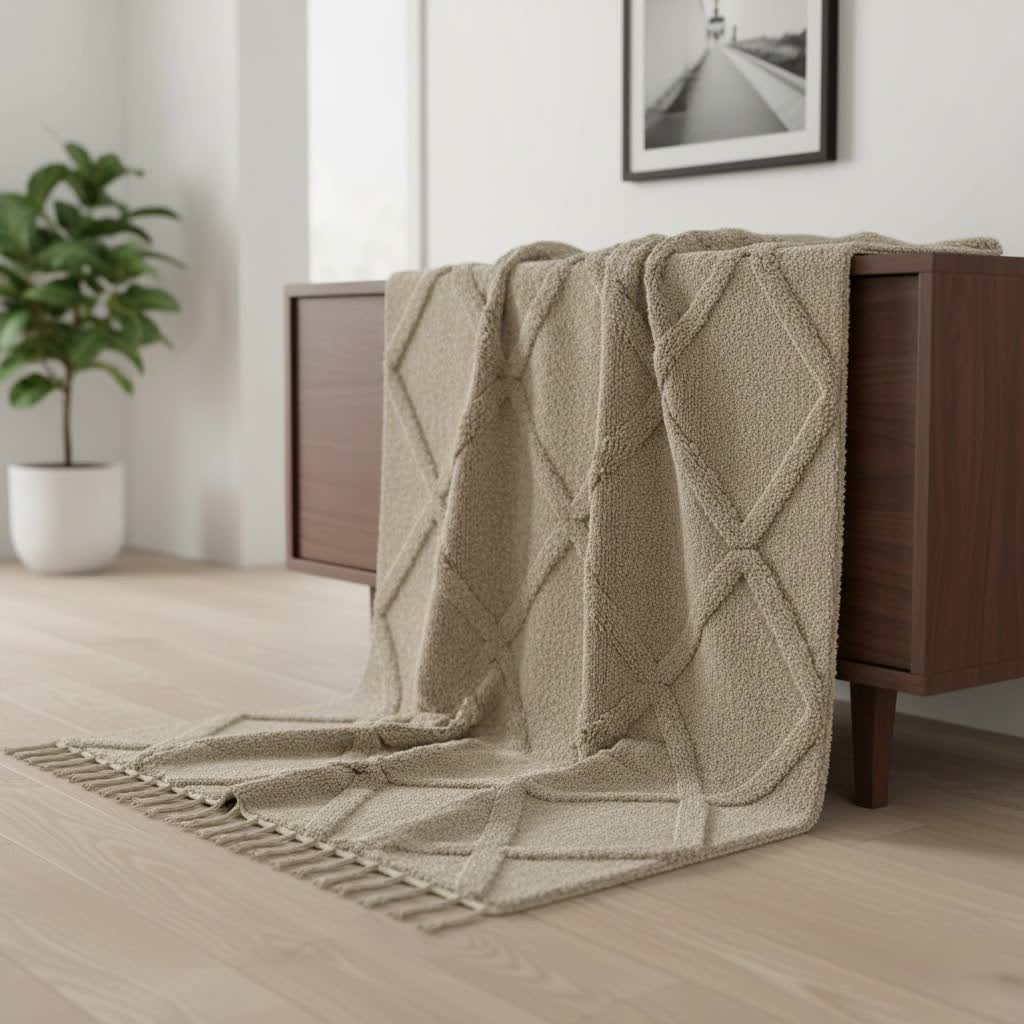
Transforming your home often begins from the ground up, and few elements offer the warmth, comfort, and style of new carpeting. But selecting the right carpet is only half the journey; finding the ideal carpet company to guide you through the process, from selection to flawless installation, is equally crucial. With countless options available, navigating the world of carpet companies can feel overwhelming. This guide will equip you with the insights and expert advice needed to make an informed decision, ensuring your investment enhances your home for years to come.
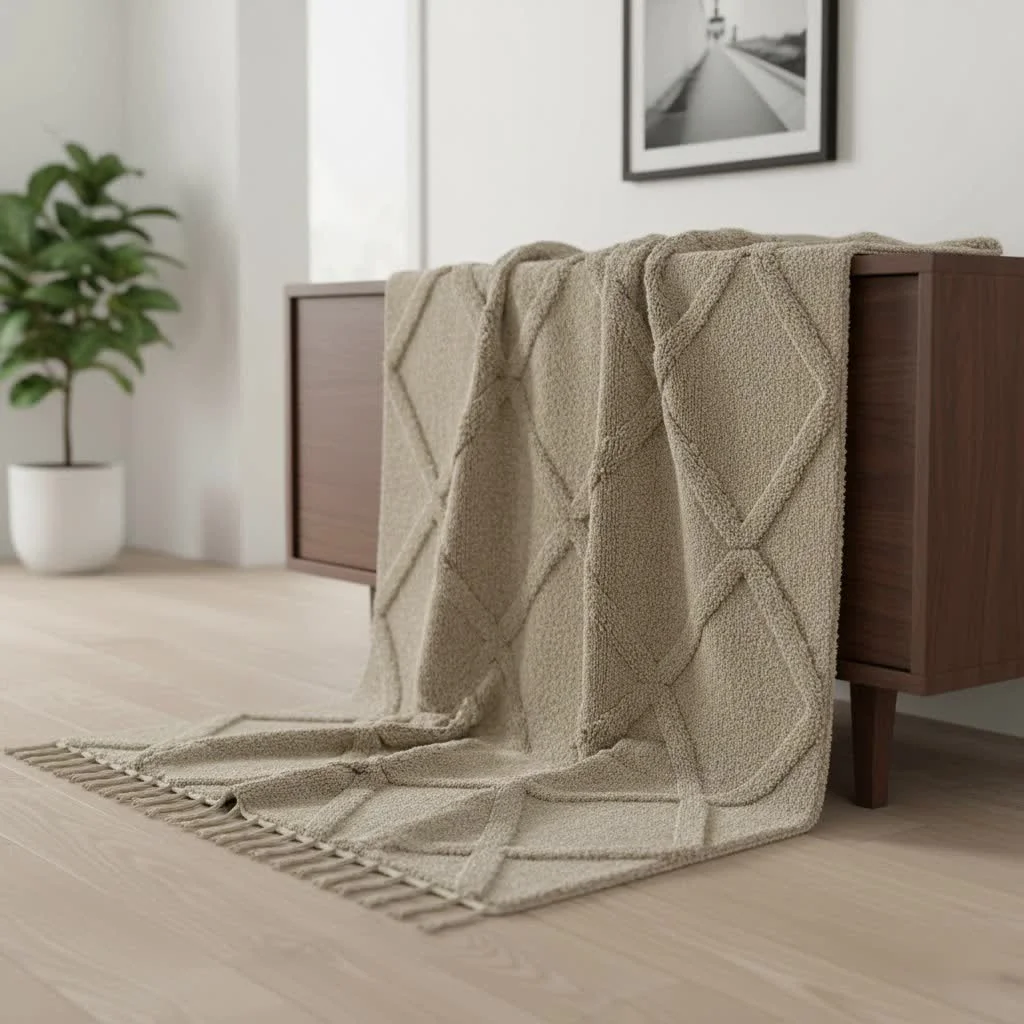
Types of Carpets Offered by Leading Companies
Carpet companies typically offer a wide array of carpet types, distinguished primarily by their fiber composition and construction. Understanding these differences is key to choosing a carpet that meets your aesthetic, functional, and budgetary needs. For expert home decor reviews on this site.
Natural Fiber Carpets
Natural fiber carpets bring a touch of timeless elegance and eco-consciousness to any space. These carpets are derived from sustainable resources and are often favored for their unique textures and inherent properties.
- Benefits and Drawbacks: Natural fibers like wool are renowned for their exceptional durability, softness, and natural resistance to crushing and matting. They are also hypoallergenic, fire-resistant, and contribute to improved indoor air quality by absorbing pollutants. However, natural carpets can be more expensive and some types may require more specialized cleaning or be less stain-resistant than synthetic options.
- Common Types:
- Wool: The gold standard for natural fibers, offering luxurious softness, excellent resilience, and long-lasting beauty. Wool carpets are a premium choice for residential spaces.
- Cotton: Soft and comfortable, cotton carpets are often used in rugs or as blends.
- Sisal & Jute: These plant-based fibers offer a robust, textured look, ideal for areas where durability and a natural aesthetic are paramount. They provide good strength and are often chosen for their rustic charm.
- Choosing the Right Natural Fiber Carpet: Consider wool for luxurious, high-traffic areas needing durability and comfort. Sisal or jute are excellent for adding texture in living rooms or studies, especially if a rustic or natural look is desired. Companies like Doma offer a good array of natural fiber carpets, particularly wool and wool blends.
Synthetic Fiber Carpets
Synthetic fiber carpets are engineered for performance, offering an impressive balance of durability, stain resistance, and affordability. They are a popular choice for busy households and commercial settings.
- Benefits and Drawbacks: Synthetic carpets excel in stain resistance, often featuring advanced treatments that make spills easy to clean. They are generally more budget-friendly than natural fibers and come in an extensive range of colors and patterns. The primary drawback can be a less luxurious feel compared to wool, and some types may be more prone to flattening in high-traffic areas.
- Common Types:
- Nylon: Often considered the “durability champion” among synthetics, nylon is exceptionally strong, resilient, and resistant to abrasion and soil. It’s ideal for high-traffic areas. Many leading brands, including Shaw and Mohawk, offer high-quality nylon carpets.
- Polyester (PET): Known for its softness and vibrant color retention, polyester is often made from recycled materials, making it an eco-friendlier synthetic option. It offers good stain resistance but may not be as resilient as nylon in very heavy traffic. LifeProof, manufactured by Mohawk, offers many polyester options.
- Polypropylene (Olefin): This fiber boasts excellent moisture and stain resistance, making it a good choice for basements or outdoor areas. It’s budget-friendly but can flatten more easily than nylon.
- Triexta: A newer synthetic fiber, Triexta offers similar benefits to polyester with enhanced durability and stain resistance, often backed by lifetime warranties against pet stains.
- Choosing the Right Synthetic Fiber Carpet: For high-traffic zones or homes with pets and children, nylon or triexta are excellent choices due to their resilience and stain-fighting properties. Polyester provides a softer feel and vibrant colors at a more accessible price point.
Specialty & Decorative Carpets
|
Our Picks for the Best Floor Rug in 2026
As an Amazon Associate I earn from qualifying purchases.
|
||
| Num | Product | Action |
|---|---|---|
| 1 | OLANLY Area Rugs for Living Room Bedroom, Machine Washable 4x5.9 ft Soft Fluffy Shaggy Bedside Rug, Indoor Floor Carpet for Kids Girls and Boys, Dorms, Nursery Rooms, Home Decor Aesthetic, Blush |

|
| 2 | Ophanie Area Rugs for Bedroom, Christmas Upgrade Non-Slip Ivory Fluffy Soft Shag Living Room Carpet, Indoor Floor 4x6 Fuzzy Shaggy Living Room Plush Nursery Rug for Kids Home Dorm Decor Aesthetic |
|
| 3 | OLANLY Area Rugs for Living Room Bedroom, Machine Washable 4x5.9 ft Soft Fluffy Shaggy Bedside Rug, Indoor Floor Carpet for Kids Girls and Boys, Dorms, Nursery Rooms, Home Decor Aesthetic, Black |
|
| 4 | Ophanie Area Rugs for Living Room Bedroom, Upgrade Non-Slip Fluffy Soft Grey Shag Carpet, Indoor Floor Gray 4x6 Fuzzy Shaggy Living Room Plush Rug for Kids Home Dorm Decor Aesthetic |
|
| 5 | OLANLY Area Rugs for Living Room Bedroom, Machine Washable 4x5.9 ft Soft Fluffy Shaggy Bedside Rug, Indoor Floor Carpet for Kids Girls and Boys, Dorms, Nursery Rooms, Home Decor Aesthetic, Grey |
|
| 6 | Ophanie Black Area Rugs for Bedroom Living Room, 4x6 Fluffy Fuzzy Shag Shaggy Carpet Soft Plush Furry Bedside Rug, Indoor Floor Rug for Kids Girls Boys Home Decor Aesthetic, Dorm Nursery |
|
| 7 | Ophanie Blue Rug, Boys 4x6 Rugs for Bedroom Royal Dark Blue Carpet Nursery Aesthetic, Kids Playroom Navy Area Rugs for Girls Teen Home Decor, Fluffy Shag Bedside Floor Living Room Carpet |
|
| 8 | OLANLY Area Rugs for Living Room Bedroom, Machine Washable 4x5.9 ft Soft Fluffy Shaggy Bedside Rug, Indoor Floor Carpet for Kids Girls and Boys, Dorms, Nursery Rooms, Home Decor Aesthetic, Beige |
|
| 9 | OLANLY Area Rugs for Living Room Bedroom, Machine Washable 4x5.9 ft Soft Fluffy Shaggy Bedside Rug, Indoor Floor Carpet for Kids Girls and Boys, Dorms, Nursery Rooms, Home Decor Aesthetic, Coffee |
|
| 10 | OLANLY Area Rugs for Living Room Bedroom, Machine Washable 4x5.9 ft Soft Fluffy Shaggy Bedside Rug, Indoor Floor Carpet for Kids Girls and Boys, Dorms, Nursery Rooms, Home Decor Aesthetic, Burgundy |
|
Beyond fiber types, carpet companies also specialize in various constructions and styles that cater to specific design preferences and functional requirements.
- Popular Styles:
- Cut Pile: Fibers are cut, creating a soft, luxurious surface. Styles include Saxony (velvety smooth), Frieze (shaggy, twisted fibers excellent for hiding footprints), and Textured (varying fiber heights for a casual look).
- Loop Pile: Fibers are looped, creating a durable, snag-resistant surface. Berber is a common loop pile style, known for its ruggedness.
- Cut and Loop Pile: Combines cut and looped fibers to create patterned designs and varying textures.
- Matching to Space: A reputable carpet company will have knowledgeable professionals who can help you visualize how different styles will look in your home and suggest options that complement your existing décor. They should ask about your lifestyle, foot traffic, pets, and allergies to tailor recommendations for the perfect fit.
- Considerations: While a Saxony pile offers undeniable luxury for bedrooms, a more durable loop pile or frieze might be better suited for a busy living room or hallway to withstand constant activity and hide wear.
How to Choose the Right Carpet Company
Selecting a carpet company is a significant decision that impacts not only your home’s appearance but also the longevity and comfort of your flooring. Prioritize companies that demonstrate a commitment to quality, transparency, and customer satisfaction.
Identify Your Usage Needs
Before engaging with a carpet company, have a clear understanding of your requirements. This will help them narrow down the best options for you.
- Room & Traffic: Consider the function of each room. High-traffic areas like hallways and living rooms demand durable, resilient carpets (e.g., nylon or polypropylene), while bedrooms might benefit from softer, more luxurious choices (e.g., wool or polyester).
- Material Preference: Do you prefer the natural appeal and eco-friendliness of wool, or the advanced stain resistance and affordability of synthetics? Some companies also offer hypoallergenic options for allergy sufferers.
- Design & Budget: Think about colors, patterns, and textures that align with your interior design vision. Also, establish a realistic budget, as prices can vary significantly by material, quality, and installation complexity.
Company Reputation & Services
A company’s reputation and the range of services they offer are critical indicators of their reliability and expertise.
- Check Credentials: Always ensure the carpet company is fully licensed, bonded, and insured. This protects you from liability in case of accidents or unsatisfactory work.
- Read Reviews & References: Look for companies with positive customer testimonials and a strong track record. Websites like the Better Business Bureau can provide valuable insights into a company’s standing.
- Evaluate Customer Service: A reputable company will offer a consultative approach, providing clear, legitimate answers to your questions without high-pressure sales tactics. Many top companies offer free in-home estimates and allow you to take samples home to see how they look in your lighting.
Quality Assurance & Installation
The quality of the carpet itself and the expertise of its installation are paramount for a lasting investment.
- Product Sourcing: Inquire about where the company sources its carpets. Reputable companies partner with trusted manufacturers known for prioritizing industry standards and high-quality materials. Brands like Shaw, Mohawk, and Karastan are consistently rated highly for quality.
- Installation Expertise: Professional installation is crucial for a flawless, long-lasting result. Ensure the company employs experienced installers who use proper techniques, such as power stretching, to prevent bubbles and wrinkles.
- Warranties & Guarantees: A reliable carpet company should offer comprehensive warranties. This includes product warranties covering stains, wear, and fading, as well as a labor warranty for the installation itself. Some companies, like The Home Depot and Floors for Living, offer lifetime labor warranties.
Top Carpet Companies & Brands Comparison
The market features a diverse range of carpet companies, each with unique strengths. While some are manufacturers, many are retailers that also provide installation services.
| Feature / Brand | Key Differentiators | Ideal For |
|---|---|---|
| Mohawk Flooring | Thousands of eco-friendly styles, excellent customer service, made in the USA, stain-resistant, wear-resistant, free samples. Does not offer installation. | Homeowners seeking a wide selection of durable, eco-friendly carpets. |
| Shaw Floors | Ranks #1 among builders/retailers, R2X stain technology, LifeGuard waterproof backing, commitment to sustainability, extensive color/style options. | High-traffic areas, pet owners, those prioritizing advanced stain protection. |
| Karastan | High-end, artisan-made carpets, resilient, durable, SmartStrand carpets with lifetime pet stain warranty. Can be harder to find online. | Luxury, durability, and superior pet-friendly features. |
| StainMaster | Durable, cost-effective options, PetProtect line with 25-year pet stain warranty, Active Family & TruSoft for high traffic. Exclusively at Lowe’s. | Budget-conscious buyers needing durable, pet-friendly carpets. |
| Luna / Empire Today | Known for quick, next-day installation, low-price guarantees, in-home shopping experience, furniture moving included. Primarily installation-focused retailers. | Homeowners needing fast installation and convenient in-home service. |
| Doma | Range of colors, good array of natural fiber carpets (wool, wool blends), patterns, virtual room visualizer. | Those seeking bold colors, unique patterns, and natural materials. |
| Phenix Flooring | Microban antimicrobial layer, over 1,500 styles, SureSoft collections (recycled plastics), PetPlus for pet owners. | Allergy-friendly homes, pet owners, those seeking innovative cleaning features. |
“Choosing a carpet company is about more than just the product; it’s about the entire experience—from expert advice to flawless installation and reliable after-sales support.” – John Smith, Flooring Industry Veteran
Essential Questions to Ask a Carpet Company
Engaging with a carpet company requires asking the right questions to ensure you’re making a confident and sound decision.
- “Are you licensed, bonded, and insured, including workers’ compensation?” This is fundamental for your protection. A “yes” to all three is non-negotiable.
- “What type of experience do your installers have, and do they use a power stretcher?” Experienced installers are crucial, and a power stretcher is vital for a smooth, bubble-free installation that lasts.
- “How do you quote pricing (by the square foot or by the room), and what does the quote include?” Reputable companies typically charge by the square foot, as per industry standards, to avoid “bait-and-switch” tactics. Clarify if the quote includes padding, removal of old carpet, furniture moving, and disposal fees.
- “What warranties do you offer on both the carpet product and the installation labor?” Understand the specifics of both product and labor warranties, including coverage duration and what voids them.
- “Can you provide references or show examples of your past work?” Verifying a company’s track record through references or a portfolio can provide peace of mind.
- “What is included in the installation service, such as furniture moving or old carpet removal?” Some companies offer comprehensive services that include these often-overlooked details, making your renovation smoother.
- “What are your recommendations for carpet care and maintenance for my chosen carpet type?” A knowledgeable company will provide specific cleaning guidelines to help you maintain your new carpet’s beauty and extend its lifespan.
Carpet Care and Maintenance Tips from Experts
Proper care is essential to preserve the beauty and longevity of your carpet, no matter the type or quality.
Routine Maintenance
Regular maintenance is your first line of defense against wear and tear.
- Vacuuming: Vacuum frequently, especially in high-traffic areas. Use a vacuum with strong suction and a rotating brush for cut pile carpets, and adjust the height for optimal cleaning.
- Professional Cleaning: Schedule professional deep cleaning every 12 to 18 months to remove embedded dirt and grime that regular vacuuming can’t reach.
- Odor Control: For general freshness, sprinkle baking soda, let it sit for 15-30 minutes, then vacuum thoroughly.
Stain Removal
Accidents happen, but quick action can prevent permanent stains.
- Common Stains: Blot liquid spills immediately with a clean, white cloth, working from the outside in to prevent spreading. For solid messes, gently scrape off as much as possible before blotting.
- Specialized Cleaners: For stubborn stains, use a carpet cleaner specifically designed for your carpet’s fiber type. Always test in an inconspicuous area first.
- Natural Remedies: A mixture of white vinegar and water can be effective for many common spills. For pet stains, an enzymatic cleaner can neutralize odors.
Long-Term Preservation
Protecting your carpet from long-term damage will extend its life and maintain its appearance.
- Avoiding Damage: Minimize direct sunlight exposure to prevent fading, especially for natural fibers. Use furniture glides under heavy items to prevent crushing and indentations.
- Proper Storage: If storing carpets or rugs, ensure they are clean, dry, and rolled (not folded) to prevent creases and mildew. Store them in a cool, dry place.
- Extending Life: Using a high-quality carpet pad provides insulation, enhances comfort, and extends the life of your carpet by absorbing impact and preventing premature wear.
Conclusion
Choosing the right carpet company is a foundational step in creating a comfortable, stylish, and long-lasting home environment. By understanding the various carpet types, diligently vetting company reputations, scrutinizing installation practices, and asking informed questions, you empower yourself to make a decision that you’ll cherish for years. a truly excellent carpet company offers more than just flooring; they provide expertise, reliability, and peace of mind.
Ready to improve your home with the perfect carpet and a trusted installation partner? What aspect of carpet selection or installation are you most looking forward to tackling first?
Frequently Asked Questions
How long does carpet typically last?
The lifespan of a carpet varies significantly based on its material, quality, traffic levels, and maintenance. High-quality nylon or wool carpets in a low-traffic area with proper care can last 15-20 years, while budget-friendly synthetic options in high-traffic zones might only last 5-10 years.
Is carpet good for allergy sufferers?
Yes, carpet can actually be beneficial for allergy sufferers. Unlike hard surfaces where allergens circulate freely, carpet fibers trap allergens and dust, preventing them from becoming airborne. Regular vacuuming with a HEPA filter and professional deep cleaning can effectively remove these trapped particles.
What’s the difference between cut pile and loop pile carpet?
Cut pile carpet has fibers that are cut and stand upright, creating a softer, more luxurious feel (e.g., Saxony, Frieze). Loop pile carpet has fibers that are looped and uncut, making it more durable, resilient, and resistant to crushing, ideal for high-traffic areas (e.g., Berber).
Can I install carpet myself?
While DIY carpet installation is possible for small areas or carpet tiles, wall-to-wall carpet installation is typically best left to professionals. It requires specialized tools (like power stretchers) and expertise to ensure proper stretching, seaming, and a flawless finish, which significantly impacts longevity and appearance.
How do I deal with pet stains on carpet?
For pet stains, immediate action is crucial. Blot (do not rub) the stain with a clean cloth, then apply a pet-specific enzymatic cleaner to break down the organic matter and neutralize odors. Always follow product instructions and test in an inconspicuous area first. Regular vacuuming and professional cleaning are also vital for pet-friendly homes.
Pet products vetted on real animals
Free PDF — protein DMB calculator + 18 dog foods rated.

After reading about the different fiber compositions, I felt much more confident in my choice. We needed something pet-friendly for our family room, and the company recommended a specific synthetic blend that’s been fantastic. It’s easy to clean and has held up perfectly to our two dogs. Highly recommend doing your research before you buy!
We needed durable carpeting for our high-traffic hallway, and I appreciated the tips on what to look for in terms of construction. The company we chose had excellent customer service and helped us find a solution that fit our budget. My only minor complaint is that the color swatch online was a little different from the actual product, but it still looks great.
I was so overwhelmed trying to pick out new carpet for our living room, but this guide really helped me narrow down my options. We ended up going with a company that specializes in natural fiber carpets, and the difference is amazing. The installation was seamless, and it feels so luxurious underfoot. Definitely a worthwhile investment!
I found the advice on choosing a carpet company really useful, especially the part about checking their installation guarantees. We went with a local company, and while the carpet itself is lovely, the installation took longer than expected. They did a good job in the end, but the scheduling was a bit of a hassle. Still, happy with the final look.