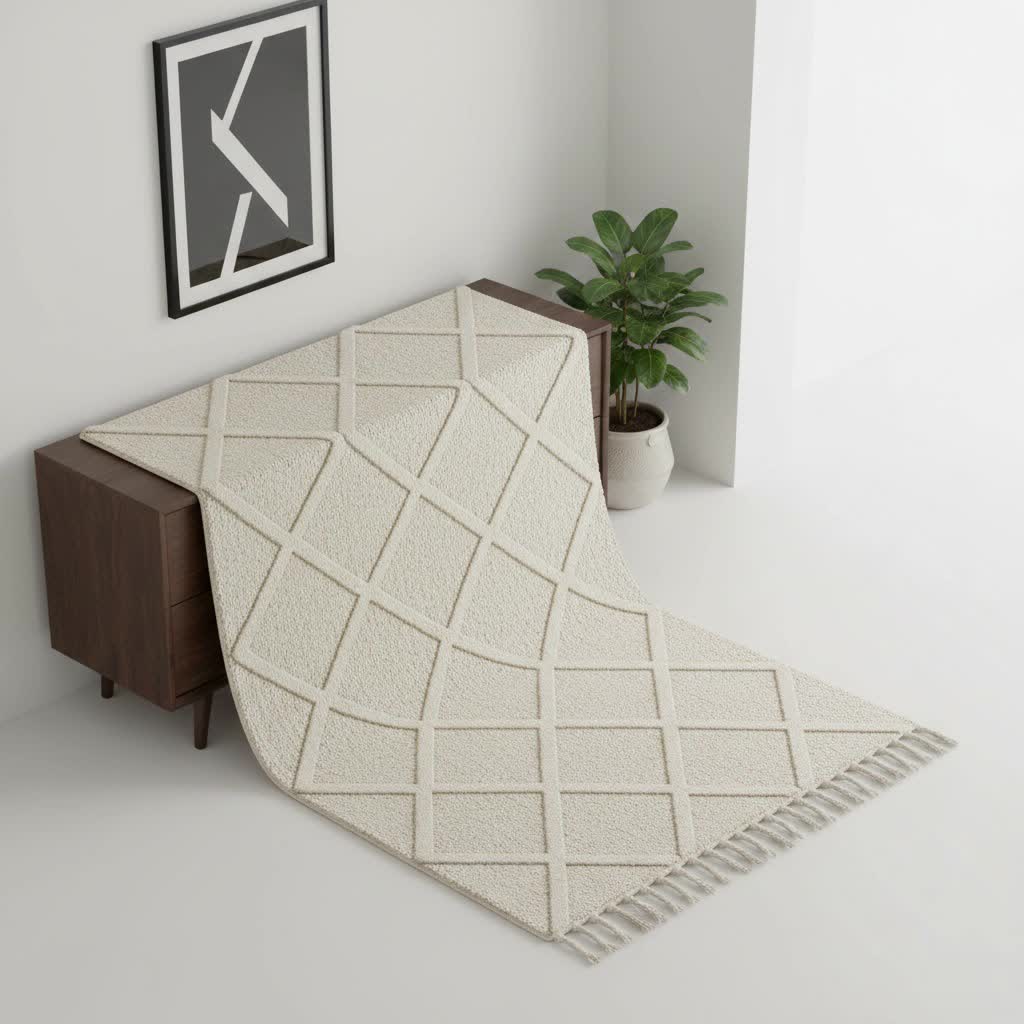
Stepping into a carpet store can feel like walking into a world of possibilities, with endless textures, colors, and styles waiting to improve your home. But with so many options, how do you choose the right carpet, and more importantly, the right store? With over a decade of experience in home furnishings, particularly with floor coverings, I understand the questions and concerns you might have. This guide distills my expertise to help you make the most informed decision, ensuring your new carpet brings comfort, durability, and style to your living space.
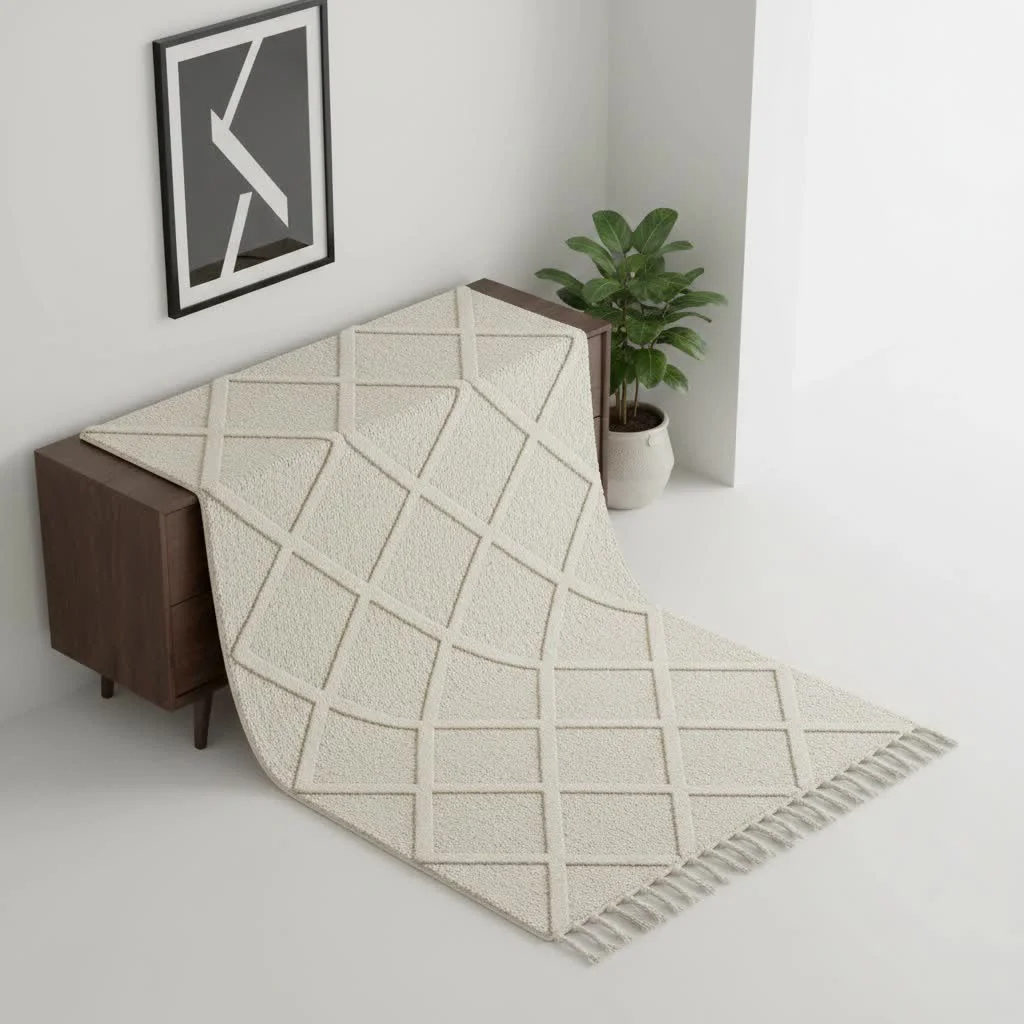
Popular Carpet Types
Understanding the different carpet types is your first step toward making a smart purchase. Carpets are broadly categorized by their fiber material and construction style, each offering unique benefits and drawbacks. Knowing these distinctions will empower you to discuss your needs confidently with a carpets store professional. For expert home decor reviews on this site.
Natural Fiber Carpets
Natural fiber carpets are prized for their authentic beauty, sustainable origins, and luxurious feel. They often bring a unique character and warmth that synthetic options can emulate but rarely replicate entirely.
These carpets boast several advantages, including superior insulation, excellent sound absorption, and a rich, natural aesthetic. Many natural fibers are also biodegradable and renewable, appealing to eco-conscious consumers. However, they can sometimes be more expensive and may require specialized cleaning or show stains more readily than some synthetic counterparts. Wool, for example, is renowned for its softness, resilience, and natural resistance to crushing, making it a timeless choice for bedrooms and formal living areas. Cotton offers a soft, breathable option, often found in flat-weave or braided rugs. Fibers like sisal and jute provide a rustic, textural look, ideal for areas with less foot traffic or as durable area rugs. When choosing a natural fiber carpet, consider the room’s usage, the desired texture, and your budget, as these materials can be a significant investment.
Synthetic Fiber Carpets
Synthetic fiber carpets are engineered for performance, offering a practical and often more affordable alternative to natural fibers. They have become incredibly popular due to advancements in manufacturing that enhance their durability and stain resistance.
The primary benefits of synthetic carpets include their affordability, exceptional stain resistance, and impressive durability, particularly with nylon. They also come in a vast array of colors and patterns, providing immense design flexibility. On the downside, they may not offer the same luxurious feel as some natural fibers and can show wear patterns over a longer period. Nylon is a top contender for high-traffic areas due to its incredible resilience and ability to bounce back from crushing. Polyester (also known as PET) offers a wonderfully soft feel and vibrant color options, making it a good choice for bedrooms and living rooms, along with decent stain resistance. Polypropylene, or olefin, is highly resistant to moisture, mildew, and fading, making it suitable for basements, outdoor spaces, and areas prone to spills. When selecting a synthetic carpet, prioritize factors like the level of foot traffic, desired stain resistance, and your overall budget.
Decorative Carpet Styles
|
Our Picks for the Best Floor Rug in 2026
As an Amazon Associate I earn from qualifying purchases.
|
||
| Num | Product | Action |
|---|---|---|
| 1 | OLANLY Area Rugs for Living Room Bedroom, Machine Washable 4x5.9 ft Soft Fluffy Shaggy Bedside Rug, Indoor Floor Carpet for Kids Girls and Boys, Dorms, Nursery Rooms, Home Decor Aesthetic, Blush |

|
| 2 | Ophanie Blue Rug, Boys 4x6 Rugs for Bedroom Royal Dark Blue Carpet Nursery Aesthetic, Kids Playroom Navy Area Rugs for Girls Teen Home Decor, Fluffy Shag Bedside Floor Living Room Carpet |
|
| 3 | Ophanie Black Area Rugs for Bedroom Living Room, 4x6 Fluffy Fuzzy Shag Shaggy Carpet Soft Plush Furry Bedside Rug, Indoor Floor Rug for Kids Girls Boys Home Decor Aesthetic, Dorm Nursery |
|
| 4 | OLANLY Area Rugs for Living Room Bedroom, Machine Washable 4x5.9 ft Soft Fluffy Shaggy Bedside Rug, Indoor Floor Carpet for Kids Girls and Boys, Dorms, Nursery Rooms, Home Decor Aesthetic, Grey |
|
| 5 | OLANLY Area Rugs for Living Room Bedroom, Machine Washable 4x5.9 ft Soft Fluffy Shaggy Bedside Rug, Indoor Floor Carpet for Kids Girls and Boys, Dorms, Nursery Rooms, Home Decor Aesthetic, Burgundy |
|
| 6 | Ophanie Area Rugs for Living Room Bedroom, Upgrade Non-Slip Fluffy Soft Grey Shag Carpet, Indoor Floor Gray 4x6 Fuzzy Shaggy Living Room Plush Rug for Kids Home Dorm Decor Aesthetic |
|
| 7 | OLANLY Area Rugs for Living Room Bedroom, Machine Washable 4x5.9 ft Soft Fluffy Shaggy Bedside Rug, Indoor Floor Carpet for Kids Girls and Boys, Dorms, Nursery Rooms, Home Decor Aesthetic, Black |
|
| 8 | OLANLY Area Rugs for Living Room Bedroom, Machine Washable 4x5.9 ft Soft Fluffy Shaggy Bedside Rug, Indoor Floor Carpet for Kids Girls and Boys, Dorms, Nursery Rooms, Home Decor Aesthetic, Beige |
|
| 9 | Ophanie Area Rugs for Bedroom, Christmas Upgrade Non-Slip Ivory Fluffy Soft Shag Living Room Carpet, Indoor Floor 4x6 Fuzzy Shaggy Living Room Plush Nursery Rug for Kids Home Dorm Decor Aesthetic |
|
| 10 | OLANLY Area Rugs for Living Room Bedroom, Machine Washable 4x5.9 ft Soft Fluffy Shaggy Bedside Rug, Indoor Floor Carpet for Kids Girls and Boys, Dorms, Nursery Rooms, Home Decor Aesthetic, Coffee |
|
Beyond fiber type, the construction or pile style of a carpet significantly impacts its look, feel, and performance. A carpet store will showcase various styles designed for different aesthetics and functionalities.
- Plush Carpet: Characterized by a smooth, dense, cut pile, plush carpets offer a soft, luxurious feel underfoot, making them ideal for low-traffic areas like bedrooms and formal living rooms where comfort is key.
- Berber Carpet: Typically features a looped construction, offering excellent durability and resistance to crushing and staining. Its casual, often textured appearance makes it perfect for high-traffic areas like hallways and family rooms.
- Frieze Carpet: Known for its long, twisted fibers, frieze carpet has a shaggy, informal look that effectively hides dirt and footprints, making it a practical choice for busy households.
- Cut and Loop Carpet: This style combines both cut and looped fibers to create various patterns and textures, adding visual interest and dimension to any room.
Choosing the right decorative style means aligning it with your room’s aesthetic and its intended function. For instance, a plush carpet might be beautiful in a master bedroom, while a durable Berber is more suited for a busy family room. Always take home samples to see how they look in your home’s natural and artificial lighting and how they complement your existing décor.
Your Ultimate Carpet Store Buying Guide
Navigating the options at a carpet store can be seamless with a clear plan. From understanding your personal needs to scrutinizing quality and comparing prices, an informed approach ensures you find a carpet that perfectly suits your home.
Identify Your Needs
Before you even step into a carpet store, reflecting on your lifestyle and the specific requirements for each room will greatly simplify your decision-making. What exactly are you looking for?
Start by accurately measuring the rooms you plan to carpet; this is crucial for budgeting and ensuring you don’t over- or underestimate your needs. Consider the purpose of each room and the expected foot traffic. High-traffic areas like hallways and family rooms demand durable fibers like nylon or tough Berber styles, built to withstand constant wear. For areas like bedrooms or formal dining rooms, a softer, more luxurious pile might be preferred. If you have pets or children, stain resistance and easy-to-clean materials should be top priorities. Finally, think about your interior design style. Do you prefer neutral tones that offer versatility, or a bold color or pattern to make a statement? Bringing paint swatches or fabric samples to the store can help you match colors perfectly and visualize the final look in your home.
Compare Prices and Brands
Understanding pricing and recognizing reputable brands are essential steps in your carpet buying journey. While it might be tempting to opt for the cheapest option, investing in quality often pays off in the long run through enhanced durability and longevity.
Carpet prices vary significantly based on the material, pile type, quality, and brand. Always request a detailed estimate that breaks down the costs for the carpet, padding, installation, and any additional services like old carpet removal. Reputable carpet stores will offer transparent pricing and be upfront about all associated fees. While I cannot name specific brands, a good carpet store will carry a range of well-known manufacturers with strong reputations for quality and warranties. Don’t hesitate to ask staff about their best-selling or most recommended brands for your specific needs. To find the best deals, keep an eye out for seasonal sales, ask about package deals that bundle carpet, padding, and installation, and inquire if they offer any discounts for larger purchases.
Check Carpet Quality
Evaluating the quality of a carpet is critical to ensure you’re making a lasting investment. A well-made carpet will provide years of comfort and stand up to daily life.
When examining carpet samples at a store, pay close attention to the density and twist of the fibers. High-quality carpets typically have dense, tightly twisted fibers that resist crushing and matting, contributing to their durability and longevity. A simple test is to bend a carpet sample backward; if you can easily see the backing, the carpet may not be very dense. Inquire about the carpet’s face weight, which refers to the weight of the carpet fibers per square yard; generally, a higher face weight indicates a more durable product. While buying online offers convenience, it’s always best to see and feel carpet samples in person to assess their true color, texture, and quality. A reputable carpet store will offer comprehensive warranties that cover wear and tear, stains, and even installation issues, providing peace of mind.
Understanding Carpet Padding
Often overlooked, carpet padding is just as important as the carpet itself. It acts as the foundation, significantly influencing the feel, performance, and lifespan of your new flooring.
Padding provides crucial cushioning underfoot, enhancing comfort and reducing impact on the carpet fibers. It also serves as an insulator, helping to keep your home warmer in winter and cooler in summer, potentially reducing energy costs. Good quality padding absorbs the stress of foot traffic, protecting the carpet’s backing and extending its overall life. At a carpet store, ask about the different types of padding available. Options vary in density, thickness, and material (e.g., foam, rubber, felt), each suited for different carpet types and levels of traffic. Choosing the right padding for your specific carpet and room usage is essential for maximizing both comfort and durability.
Carpet Type Comparison Table
To help you visualize the differences, here’s a quick comparison of common carpet types based on key factors:
| Feature | Natural (Wool) | Synthetic (Nylon) | Synthetic (Polyester) | Synthetic (Polypropylene/Olefin) |
|---|---|---|---|---|
| Durability | High, resilient | Excellent, very resilient | Good, can mat in high traffic | Good, resists moisture |
| Stain Resist. | Medium (natural oils), needs quick action | Excellent (treated) | Excellent | Excellent, colorfast |
| Cost | High | Medium to High | Low to Medium | Low |
| Feel | Luxurious, soft | Soft, resilient | Very soft, plush | Slightly coarser |
| Eco-Friendly | Yes (renewable, biodegradable) | Recyclable options exist | Limited (some recycled content) | Limited (some recycled content) |
| Best For | Bedrooms, formal living | High-traffic areas | Bedrooms, low-to-medium traffic | Basements, outdoors, spill-prone areas |
“The longevity and satisfaction with your carpet don’t just come from the carpet itself, but also from the quality of its installation and the padding underneath. These elements are the unsung heroes of a great flooring investment.” – Industry Expert, Interior Design Specialist
Carpet Cleaning and Maintenance Tips
Maintaining your carpet is key to preserving its beauty and extending its life. A consistent routine and prompt attention to spills will keep your carpet looking fresh for years to come.
Regular Cleaning
A good cleaning regimen starts with regular habits.
- Vacuuming: For optimal results, vacuum high-traffic areas 2-3 times a week, and less frequented rooms at least once a week. Use a vacuum with strong suction and appropriate brush height settings for your carpet pile.
- Deep Cleaning: Schedule professional carpet cleaning annually or biannually, depending on traffic and household activity. This penetrates deep into the fibers, removing embedded dirt and allergens. For DIY, consider a carpet shampooer, but ensure thorough drying to prevent mildew.
- Odor Removal: For general odors, sprinkle baking soda liberally over the carpet, let it sit for several hours or overnight, then vacuum thoroughly. For persistent odors, professional cleaning is recommended.
Stain Removal
Accidents happen, but quick action can prevent permanent damage.
- Common Stains: The golden rule for any spill is to act immediately. Blot the stain with a clean white cloth or paper towel; never rub, as this can spread the stain and damage carpet fibers.
- Specialized Solutions: For tougher stains, follow the carpet manufacturer’s recommendations for cleaning products. Many carpets, especially synthetics, are designed to work with specific stain removers. Always test any solution on an inconspicuous area first.
- Natural Tips: For many common stains, a solution of white vinegar and water can be effective. For greasy stains, a small amount of dish soap diluted in water may help. Always rinse thoroughly with clean water and blot dry.
Proper Storage
If you need to store your carpet, proper techniques will protect it from damage and ensure it’s in good condition when you’re ready to use it again.
When not in use, ensure the carpet is thoroughly clean and dry. Roll it tightly, ideally around a sturdy cardboard tube, to prevent creases and damage. Store it in a cool, dry place away from direct sunlight, which can cause fading. Avoid areas with high humidity to prevent mold and mildew growth. Consider wrapping the rolled carpet in a breathable fabric or plastic to protect it from dust and pests. Using specialized carpet storage bags can also provide an extra layer of protection.
Conclusion
Choosing the perfect carpet from a reputable carpets store is an investment in your home’s comfort and style. By understanding the diverse types of carpets, knowing what to look for in a quality store, and committing to proper maintenance, you can make an informed decision that you’ll cherish for years. to define your needs, scrutinize quality, compare prices, and prioritize a store with knowledgeable staff and excellent service. Ready to find the carpet that ties your whole room together?
Frequently Asked Questions
What questions should I ask at a carpet store?
Always inquire about the carpet’s fiber content, pile construction, warranty details (including what it covers and for how long), and the store’s installation process and guarantees. to ask about recommended cleaning and maintenance routines specific to your chosen carpet.
How often should I replace my carpets?
The lifespan of a carpet varies based on its quality, material, traffic, and maintenance. High-quality carpets in low-traffic areas can last 15-20 years, while those in busy family homes might need replacement every 5-10 years.
Are eco-friendly carpets really worth the investment?
Eco-friendly carpets, often made from natural fibers like wool or recycled materials, can be a worthwhile investment. They offer sustainability, potentially better indoor air quality, and unique aesthetic appeal, though they might come at a higher initial cost.
What’s the difference between carpet and an area rug?
Carpet typically refers to wall-to-wall flooring installed over padding, covering an entire room. An area rug, on the other hand, is a standalone piece that covers only a specific portion of the floor, often used for decorative purposes or to define zones within a room.
Can I install carpet myself, or should I hire a professional?
While DIY carpet installation is possible for small areas or temporary solutions, professional installation is highly recommended for wall-to-wall carpeting. Experts ensure proper stretching, seaming, and padding, which is crucial for the carpet’s longevity, appearance, and warranty validation.
Pet products vetted on real animals
Free PDF — protein DMB calculator + 18 dog foods rated.
