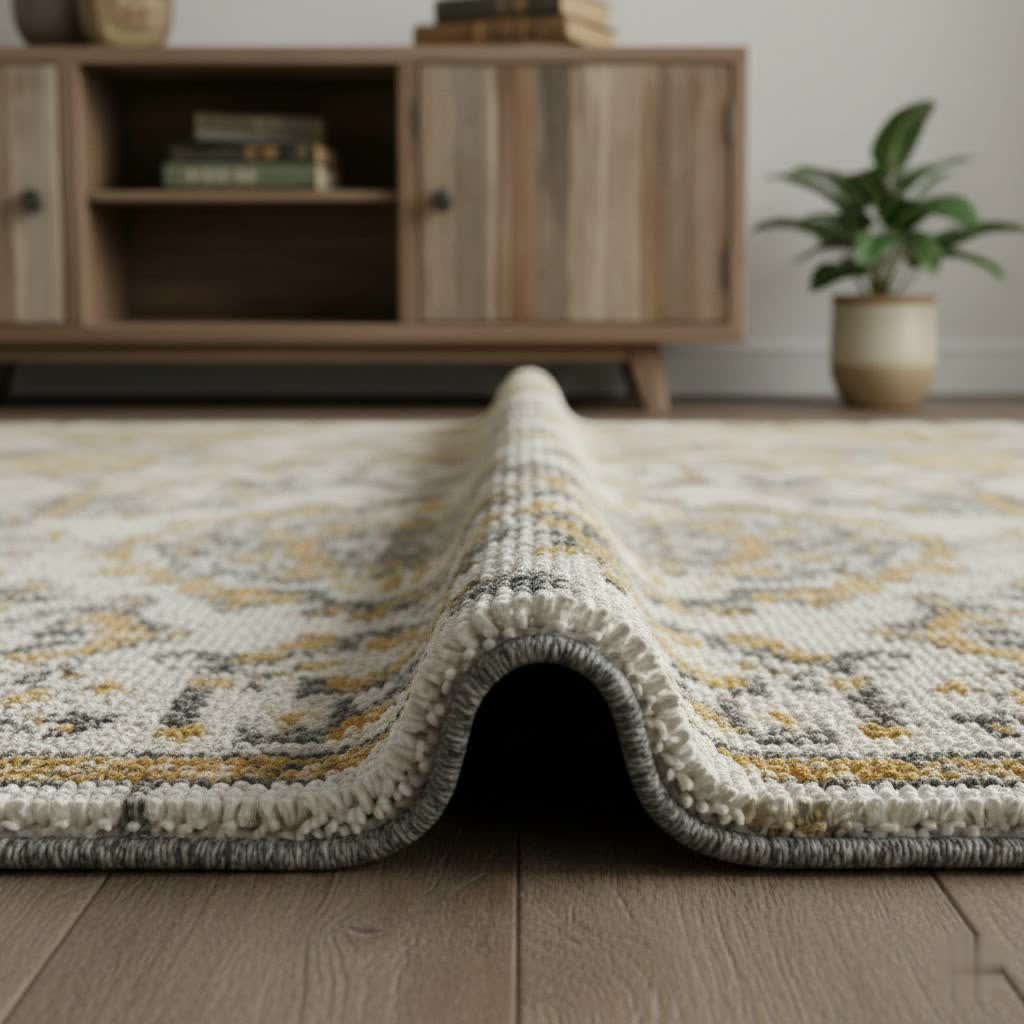
There’s a unique frustration that comes with a beautiful area rug constantly shifting, bunching, or sliding across your carpeted floor. It’s more than just an annoyance; it’s a daily hazard, a wear-and-tear accelerator for your beloved rug, and a detriment to your home’s aesthetic. But what if there was a simple, elegant solution to transform this persistent problem into a foundation of stability and comfort? Welcome to the world of non-slip rug pads designed specifically for carpets.
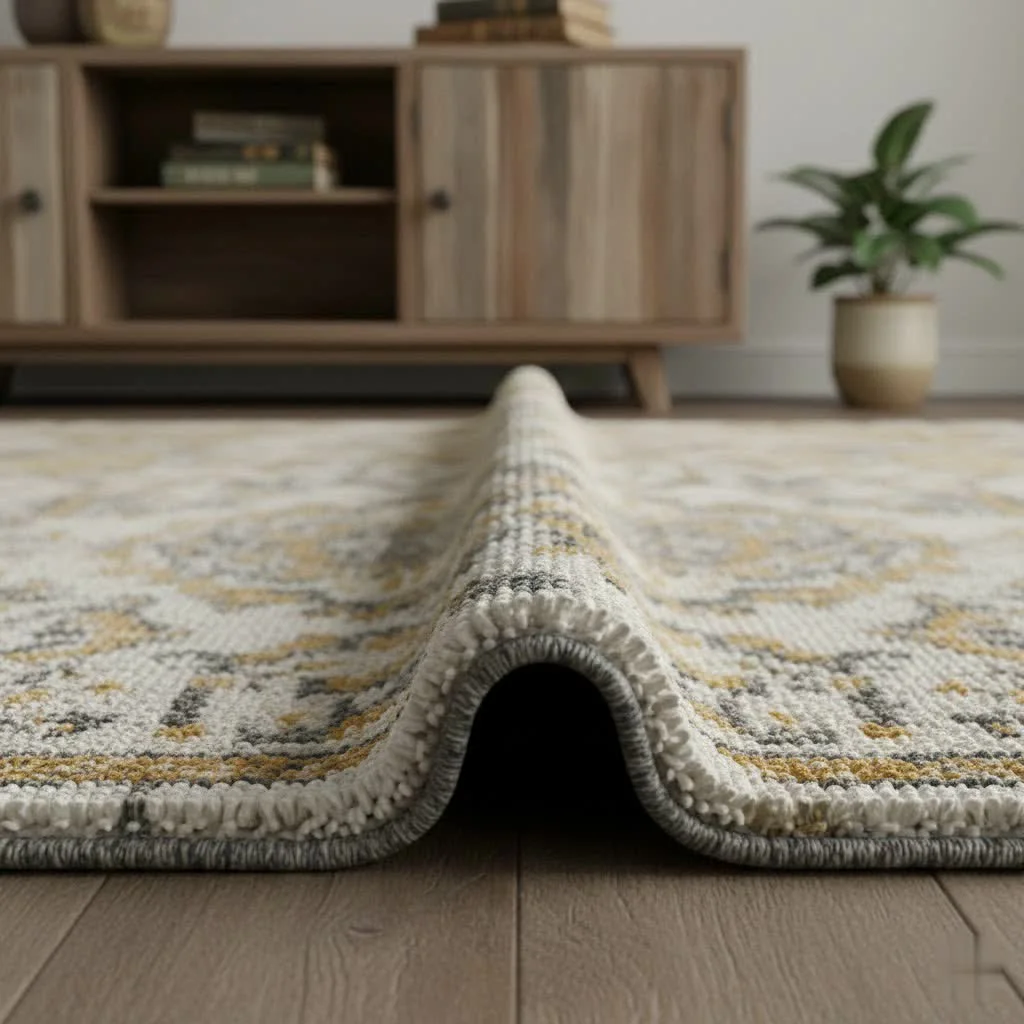
Investing in the right rug pad can revolutionize your living space, making it safer, quieter, and more luxurious underfoot. This guide will walk you through everything you need to know, ensuring your rug stays precisely where it belongs, enhancing both its lifespan and your home’s overall appeal.
Understanding the Need: Why Rugs Slip on Carpet
Many people assume rugs only slip on hard surfaces, but the reality is quite different for carpeted floors. The soft, pliable nature of existing carpet fibers often provides insufficient friction to keep an area rug anchored. Instead, the two layers can easily slide against each other, leading to a host of issues.
This constant movement creates frustrating safety hazards. A shifting rug can easily become a tripping point, especially in high-traffic areas or homes with children and pets. Beyond safety, the perpetual friction between the rug and the carpet below causes accelerated wear and tear on both materials, shortening their lifespan and diminishing their appearance. You might notice your area rug’s backing breaking down prematurely or your underlying carpet developing worn spots where the rug once migrated. Aesthetically, a bunched-up or misaligned rug detracts from a room’s intended design, demanding constant adjustments that disrupt your peace of mind.
The Science of Stability: How Non-Slip Rug Pads Work on Carpet
The magic of a non-slip rug pad for carpet lies in its ingenious dual-surface design. Unlike pads for hard floors that rely on a sticky grip on both sides, these specialized pads are engineered to interact differently with the distinct textures of carpet and rug. Typically, one side is designed to “grab” onto the loops and fibers of your existing carpet, while the other provides a secure anchor for your area rug.
This mechanism often involves a felt-like surface on the bottom that nestles into the carpet pile, providing a friendly yet firm hold without sticking. The top surface, usually made of natural rubber or a similar gripping material, then prevents the area rug from sliding across the pad. This layered approach creates a stable buffer that absorbs the impact of foot traffic, reducing stress on the rug’s fibers and minimizing friction with the underlying carpet. Some advanced pads also incorporate a double-sided adhesive polyester layer that provides an even stronger, direct bond to both the rug and the carpet, ensuring superior stability. This clever engineering ensures your rug remains flat and secure, making vacuuming a breeze and eliminating those aggravating shifts.
Choosing Your Foundation: Types of Non-Slip Rug Pads for Carpets
When selecting a non-slip rug pad for carpet, understanding the different types and their specific advantages is key to finding the perfect match for your needs. Each material offers a unique balance of grip, cushioning, and durability.
Felt and Rubber Combination Pads
|
Our Picks for the Best Floor Rug in 2026
As an Amazon Associate I earn from qualifying purchases.
|
||
| Num | Product | Action |
|---|---|---|
| 1 | Ophanie Blue Rug, Boys 4x6 Rugs for Bedroom Royal Dark Blue Carpet Nursery Aesthetic, Kids Playroom Navy Area Rugs for Girls Teen Home Decor, Fluffy Shag Bedside Floor Living Room Carpet |

|
| 2 | OLANLY Area Rugs for Living Room Bedroom, Machine Washable 4x5.9 ft Soft Fluffy Shaggy Bedside Rug, Indoor Floor Carpet for Kids Girls and Boys, Dorms, Nursery Rooms, Home Decor Aesthetic, Grey |
|
| 3 | Ophanie Area Rugs for Living Room Bedroom, Upgrade Non-Slip Fluffy Soft Grey Shag Carpet, Indoor Floor Gray 4x6 Fuzzy Shaggy Living Room Plush Rug for Kids Home Dorm Decor Aesthetic |
|
| 4 | OLANLY Area Rugs for Living Room Bedroom, Machine Washable 4x5.9 ft Soft Fluffy Shaggy Bedside Rug, Indoor Floor Carpet for Kids Girls and Boys, Dorms, Nursery Rooms, Home Decor Aesthetic, Beige |
|
| 5 | Ophanie Black Area Rugs for Bedroom Living Room, 4x6 Fluffy Fuzzy Shag Shaggy Carpet Soft Plush Furry Bedside Rug, Indoor Floor Rug for Kids Girls Boys Home Decor Aesthetic, Dorm Nursery |
|
| 6 | OLANLY Area Rugs for Living Room Bedroom, Machine Washable 4x5.9 ft Soft Fluffy Shaggy Bedside Rug, Indoor Floor Carpet for Kids Girls and Boys, Dorms, Nursery Rooms, Home Decor Aesthetic, Blush |
|
| 7 | OLANLY Area Rugs for Living Room Bedroom, Machine Washable 4x5.9 ft Soft Fluffy Shaggy Bedside Rug, Indoor Floor Carpet for Kids Girls and Boys, Dorms, Nursery Rooms, Home Decor Aesthetic, Coffee |
|
| 8 | OLANLY Area Rugs for Living Room Bedroom, Machine Washable 4x5.9 ft Soft Fluffy Shaggy Bedside Rug, Indoor Floor Carpet for Kids Girls and Boys, Dorms, Nursery Rooms, Home Decor Aesthetic, Burgundy |
|
| 9 | OLANLY Area Rugs for Living Room Bedroom, Machine Washable 4x5.9 ft Soft Fluffy Shaggy Bedside Rug, Indoor Floor Carpet for Kids Girls and Boys, Dorms, Nursery Rooms, Home Decor Aesthetic, Black |
|
| 10 | Ophanie Area Rugs for Bedroom, Christmas Upgrade Non-Slip Ivory Fluffy Soft Shag Living Room Carpet, Indoor Floor 4x6 Fuzzy Shaggy Living Room Plush Nursery Rug for Kids Home Dorm Decor Aesthetic |
|
These hybrid pads are a popular and highly effective choice for rugs on carpet. They typically feature a dense felt layer on one side, which interlocks with the fibers of your existing carpet, providing a stable base. The other side is usually a natural rubber backing designed to grip the underside of your area rug.
- Pros: This combination offers excellent dual-surface grip, significantly reducing slipping and bunching. The felt layer also adds a noticeable layer of cushioning underfoot, enhancing comfort and sound absorption. They are generally very durable and prolong the life of both your area rug and the carpet beneath it. Many felt and natural rubber pads are also “low VOC” (Volatile Organic Compounds), making them a healthier choice for indoor air quality.
- Cons: These pads can be thicker than other options, which might be a consideration if you have low-clearance doors. They may also require precise trimming to fit your rug perfectly.
- Best for: These pads are ideal for general use in living rooms, bedrooms, and dining areas where added comfort and superior stability are desired. They work well with most rug types, especially those that can benefit from extra plushness.
Thin Polyester with Adhesive Backing
Some specialized non-slip pads are crafted from thin polyester material with a double-sided adhesive backing. These are particularly effective when maximum adherence to the carpet is required without adding significant bulk.
- Pros: They provide a very strong, specific grip for carpet-to-carpet applications, effectively stopping even stubborn rugs from sliding. Their thin profile makes them excellent for use under low-pile rugs or in high-traffic doorways where clearance is critical, preventing tripping hazards. They are also easy to trim to custom sizes.
- Cons: While offering superior grip, these pads typically provide less cushioning compared to felt-rubber options. Their long-term durability may vary, especially if the rug needs to be moved frequently, potentially leaving a residue if not designed for repositioning.
- Best for: Perfect for runners in hallways, entryways, or any area where a thin rug is prone to constant movement and you prioritize an unyielding hold over plush cushioning.
Materials to Approach with Caution
While many materials are used in rug pad manufacturing, some should be approached with caution, especially for carpet-on-carpet applications.
Certain synthetic materials, like those made primarily from PVC (polyvinyl chloride) or cheap foam, may not offer adequate grip on soft carpet fibers and can sometimes degrade over time, crumbling or leaving residue. Furthermore, some synthetic pads can off-gas, releasing Volatile Organic Compounds (VOCs) that can impact indoor air quality. Always look for certifications like “Green Label Plus” or pads made from natural, non-toxic materials to ensure a safe and healthy home environment.
The Smart Buyer’s Guide: Selecting the Right Non-Slip Rug Pad
Choosing the perfect non-slip rug pad for your carpet goes beyond just preventing slips; it involves considering various factors to ensure longevity, comfort, and seamless integration into your home. Think of it as tailoring the perfect undergarment for your rug.
Matching Size and Thickness
A common question is whether the rug pad should be the same size as the rug. The general rule of thumb is that your rug pad should be approximately 1 to 1.5 inches smaller than your area rug on all sides. This slight recess prevents the pad from peeking out, creating an unsightly edge, or becoming a tripping hazard. For thicker, high-pile rugs, some experts even suggest making the pad up to 3 inches smaller on each side to allow the rug’s edges to lay completely flat.
When considering thickness, there’s no universal rule, but a thinner pad (around ¼ inch) is often recommended for low-pile or flat-weave rugs, especially in high-traffic areas or near doorways, to maintain clearance. Thicker pads (⅜ to ½ inch) provide more cushioning and are ideal for areas where comfort is paramount and added height is not an issue. Most pads are designed to be easily trimmed with heavy-duty scissors or a utility knife to achieve that perfect custom fit.
Material Quality and Longevity
The material of your rug pad directly impacts its effectiveness and lifespan. For carpeted floors, look for pads made from:
- Natural rubber and felt combinations: These offer excellent grip and cushioning while being durable and often eco-friendly. Natural rubber provides superior traction without damaging floors or off-gassing.
- Polyester with a double-sided adhesive: This is a strong option for pure non-slip function on carpet, ensuring a firm hold.
- Always prioritize pads labeled “Low VOC” or “Green Label Plus certified” to minimize chemical emissions and ensure healthier indoor air quality.
A quality rug pad is an investment designed to last. Expect a well-made pad to perform effectively for five to ten years, depending on material, traffic, and maintenance. Regularly inspect your pad for signs of degradation, such as crumbling or loss of grip, and replace it when necessary.
Considering Your Specific Needs
Your lifestyle and the specific location of your rug should also influence your choice.
- High-traffic areas like hallways or living rooms will benefit most from pads designed for maximum grip and durability, such as thin adhesive polyester or robust felt-rubber blends.
- For decorative rugs in lower-traffic zones, a felt-rubber pad can add a luxurious, cushioned feel that enhances the rug’s comfort and appearance.
- If you have pets or active children, a pad with superior non-slip properties is non-negotiable for safety.
“A quality rug pad acts as the unseen guardian of your home, silently providing safety, extending the life of your textiles, and adding a layer of luxurious comfort. It’s not just an accessory; it’s an essential foundation.” – Jane Doe, Interior Design Specialist at Reviewsque.com
Installation and Maintenance: Maximizing Your Rug Pad’s Performance
Once you’ve chosen the perfect non-slip rug pad, proper installation and ongoing care are essential to unlock its full potential and ensure it serves you well for years to come. The process is straightforward, but attention to detail makes all the difference.
Simple Installation Steps
- Clean the Area: Before laying down your pad, ensure both your underlying carpet and the back of your area rug are clean and dry. Vacuuming thoroughly will remove any debris that could interfere with the pad’s grip or cause premature wear.
- Unroll and Position the Pad: Carefully unroll the rug pad onto your carpet. Smooth it out completely, ensuring there are no wrinkles or bumps. Position it precisely where your area rug will sit.
- Trim if Necessary: If your rug pad is larger than your rug, use heavy-duty scissors or a utility knife to trim it, ensuring it’s 1 to 1.5 inches smaller on all sides. This prevents the pad from showing and creates a neat, finished look.
- Place the Rug: Gently lay your area rug directly on top of the trimmed rug pad, aligning it carefully. Once positioned, walk across the rug to help it settle and bond with the pad.
Extending Lifespan: Care Tips
Maintaining your rug pad is relatively low-effort, but a few practices can significantly extend its life and effectiveness:
- Regular Vacuuming: When vacuuming your area rug, the pad helps keep the rug stable, making cleaning easier and more efficient. The pad also catches dirt that sifts through the rug, protecting the underlying carpet.
- Spot Cleaning: Most rug pads are not designed for machine washing. For spills or stains, spot clean the affected area with a damp cloth and mild detergent. Allow it to air dry completely before repositioning the rug.
- Annual Rotation: To ensure even wear and prevent compression in high-traffic zones, consider rotating your rug (and therefore the pad underneath) annually. This helps distribute pressure and can extend the life of both your rug and its pad.
- Know When to Replace: Over time, even the best rug pads will show signs of wear. If you notice the pad crumbling, losing its grip, or if your rug starts slipping again, it’s time for a replacement. A fresh pad will restore safety and comfort to your space.
Conclusion
A non-slip rug pad for carpet is far more than just an accessory; it’s a fundamental element for creating a safe, comfortable, and beautiful home. By preventing frustrating slips and bunches, protecting both your valuable area rug and the carpet beneath, and adding a luxurious layer of cushioning, the right pad transforms your space. From felt-rubber hybrids offering plush stability to thin adhesive solutions ensuring a firm, low-profile grip, there’s a perfect non-slip rug pad waiting to elevate your home.
Ready to anchor your rugs and enhance your living experience? Choose wisely, install correctly, and enjoy the lasting benefits of a truly stable foundation. What difference do you think a well-chosen rug pad will make in your busiest rooms?
Frequently Asked Questions
Do I really need a rug pad for a rug on carpet?
Yes, you absolutely do. While it might seem counterintuitive, rugs on carpet can slip and bunch just as easily as on hard floors, creating tripping hazards and causing premature wear to both the rug and the underlying carpet. A dedicated non-slip rug pad for carpet provides the necessary friction and stability.
What materials are best for rug pads on carpet?
The most effective materials are felt-and-natural-rubber combinations, which offer a dual grip (felt to the carpet, rubber to the rug) and cushioning. Thin polyester pads with double-sided adhesive are also excellent for strong grip and a low profile. Avoid cheap PVC or foam, as they may not grip well and can degrade over time.
How do I size a rug pad for a rug on carpet?
For optimal performance and appearance, a rug pad should typically be 1 to 1.5 inches smaller than your area rug on all sides. This prevents the pad from showing or creating a raised edge, ensuring a smooth and seamless transition from your rug to your existing carpet.
Can I use rug grippers instead of a full pad on carpet?
While rug grippers (small adhesive squares or strips) can help with minor curling corners on low-pile carpets, a full non-slip rug pad is generally more effective for overall stability and protection against widespread shifting and bunching, especially in high-traffic areas. For plushier carpets, a full pad is usually recommended.
How long do non-slip rug pads for carpet last?
A good quality non-slip rug pad for carpet, particularly those made from durable felt and natural rubber, can last anywhere from 5 to 10 years with proper care. Regularly checking for signs of wear and tear, like crumbling or loss of grip, will indicate when it’s time for a replacement.
Pet products vetted on real animals
Free PDF — protein DMB calculator + 18 dog foods rated.
