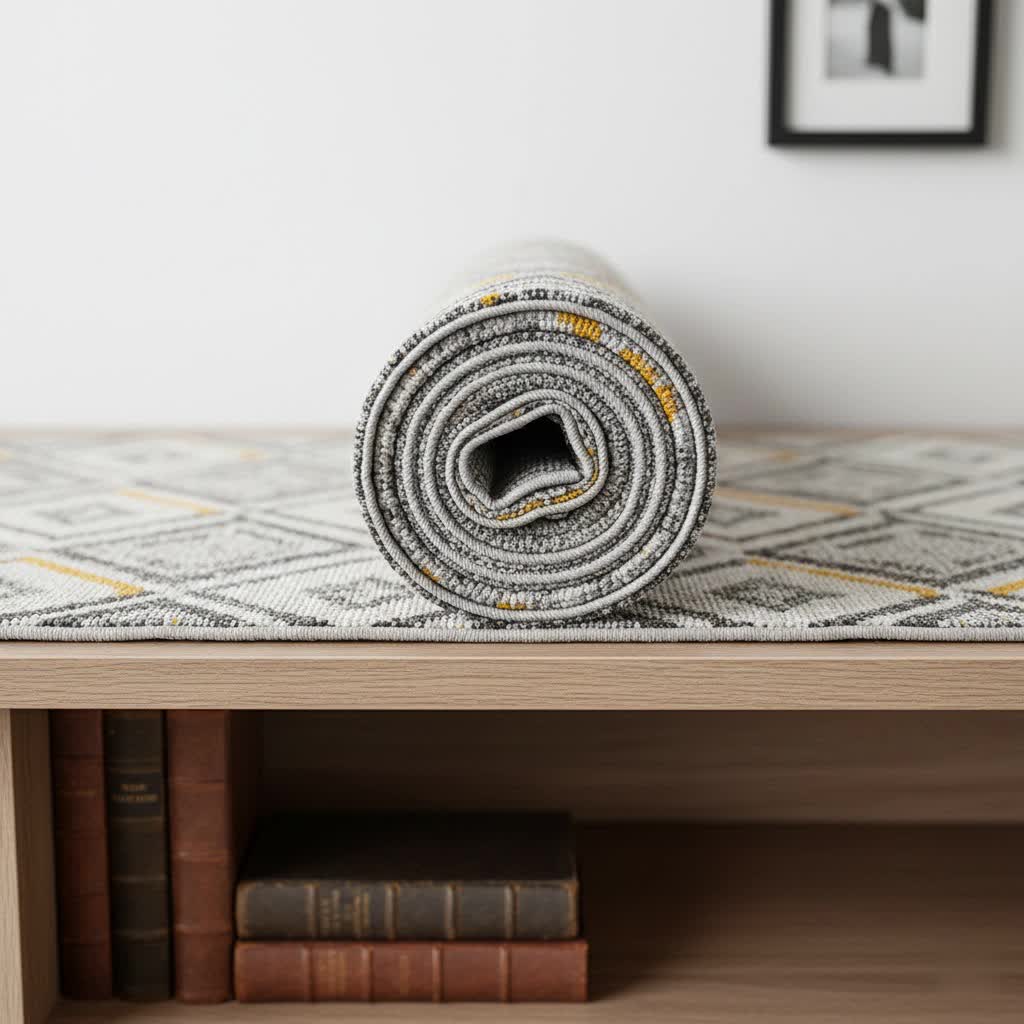
A non-slip carpet pad is a protective layer placed between an area rug and the floor, primarily designed to anchor the rug firmly in place and prevent slipping. These pads offer enhanced safety by minimizing tripping hazards, protect floors from scratches and discoloration, and extend the life of rugs by reducing friction and wear. They also add comfort and cushioning underfoot, making rugs feel more luxurious.
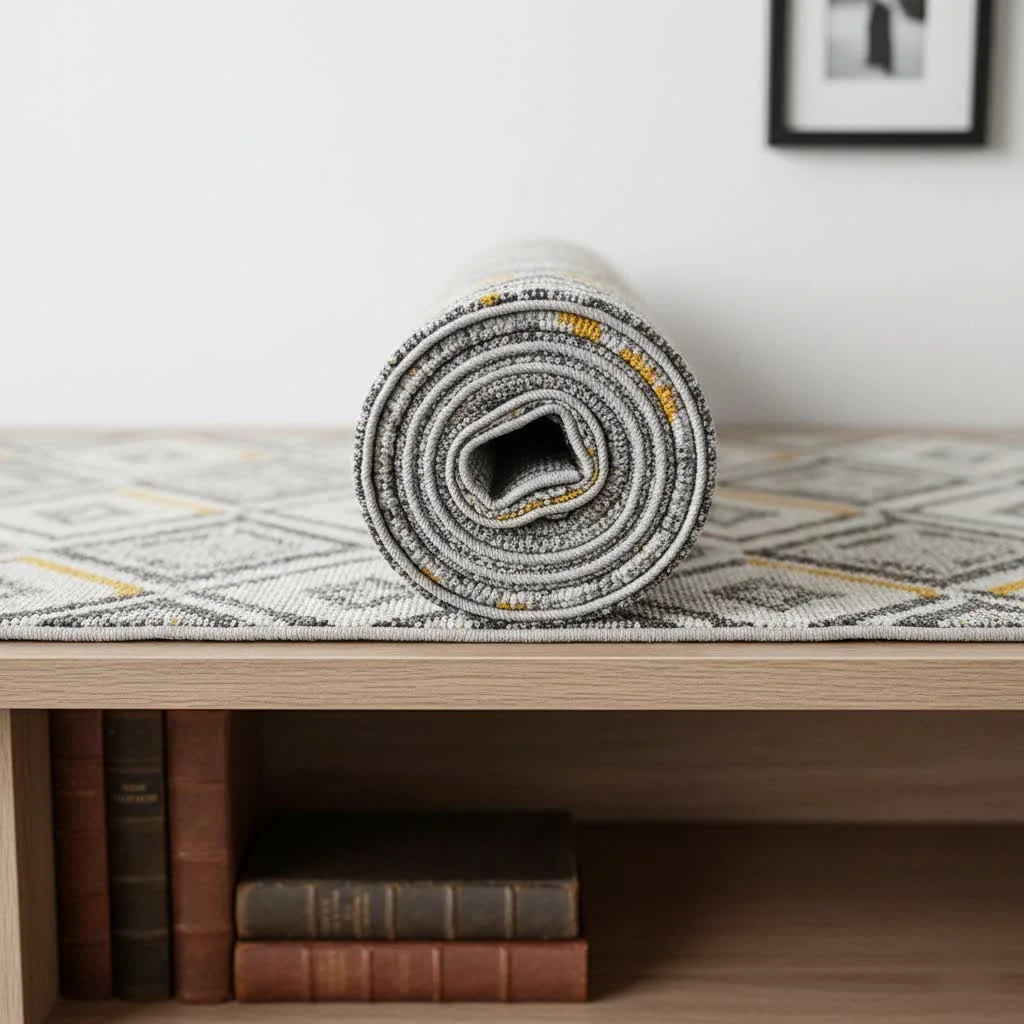
What is a Non-Slip Carpet Pad?
A non-slip carpet pad, also known as a rug pad or underlay, is a crucial layer positioned between your area rug and the underlying floor. Its main purpose is to secure the rug, preventing movement, bunching, and potential slips. Beyond just providing grip, these pads offer numerous benefits that improve both the functionality and lifespan of your rugs and floors. They serve as a vital buffer, absorbing impact and reducing friction, which contributes to safer and more comfortable living spaces.
Benefits of Using a Non-Slip Carpet Pad
Investing in a quality non-slip carpet pad provides multiple advantages for your home, going beyond simply keeping a rug in place.
Enhanced Safety
The most immediate and critical benefit of a non-slip carpet pad is increased safety. A shifting rug poses a significant tripping hazard, especially in high-traffic areas or homes with children and elderly residents. A good pad provides a strong grip, ensuring your rug remains securely in place, thereby minimizing the risk of slips and falls.
Floor Protection
Rugs, particularly those with rough backings, can scratch and damage hardwood, laminate, and tile floors over time. Additionally, some rug dyes can transfer to lighter flooring surfaces. A rug pad creates a protective barrier, shielding your floors from scratches, dents, and potential discoloration, thus preserving their pristine condition.
Extended Rug Life
Constant foot traffic generates friction between the rug and the floor, leading to premature wear and tear on the rug’s fibers and backing. A non-slip pad acts as a shock absorber, reducing this friction and impact. By providing a stable foundation, it prevents the rug from stretching, wrinkling, and breaking down, significantly extending its lifespan and maintaining its aesthetic appeal.
Added Comfort and Cushioning
Many rug pads are designed with an extra layer of cushioning, which adds plushness and comfort underfoot. This additional padding makes even thinner rugs feel softer and more luxurious, enhancing the overall comfort of your living space. It also provides sound absorption, reducing echo and noise, particularly in rooms with hard flooring.
Improved Stability for Vacuuming
A rug that constantly shifts makes vacuuming a frustrating chore. With a non-slip pad underneath, your rug remains stationary, allowing for easier and more effective cleaning. This stability ensures you can thoroughly vacuum without constantly adjusting the rug.
Types of Non-Slip Carpet Pads
Non-slip carpet pads are available in various materials and constructions, each offering distinct advantages. Understanding these types is essential for choosing the best pad for your specific needs.
Natural Fiber Rug Pads
|
Our Picks for the Best Floor Rug in 2026
As an Amazon Associate I earn from qualifying purchases.
|
||
| Num | Product | Action |
|---|---|---|
| 1 | OLANLY Area Rugs for Living Room Bedroom, Machine Washable 4x5.9 ft Soft Fluffy Shaggy Bedside Rug, Indoor Floor Carpet for Kids Girls and Boys, Dorms, Nursery Rooms, Home Decor Aesthetic, Black |

|
| 2 | Ophanie Area Rugs for Living Room Bedroom, Upgrade Non-Slip Fluffy Soft Grey Shag Carpet, Indoor Floor Gray 4x6 Fuzzy Shaggy Living Room Plush Rug for Kids Home Dorm Decor Aesthetic |
|
| 3 | OLANLY Area Rugs for Living Room Bedroom, Machine Washable 4x5.9 ft Soft Fluffy Shaggy Bedside Rug, Indoor Floor Carpet for Kids Girls and Boys, Dorms, Nursery Rooms, Home Decor Aesthetic, Grey |
|
| 4 | Ophanie Black Area Rugs for Bedroom Living Room, 4x6 Fluffy Fuzzy Shag Shaggy Carpet Soft Plush Furry Bedside Rug, Indoor Floor Rug for Kids Girls Boys Home Decor Aesthetic, Dorm Nursery |
|
| 5 | OLANLY Area Rugs for Living Room Bedroom, Machine Washable 4x5.9 ft Soft Fluffy Shaggy Bedside Rug, Indoor Floor Carpet for Kids Girls and Boys, Dorms, Nursery Rooms, Home Decor Aesthetic, Blush |
|
| 6 | Ophanie Blue Rug, Boys 4x6 Rugs for Bedroom Royal Dark Blue Carpet Nursery Aesthetic, Kids Playroom Navy Area Rugs for Girls Teen Home Decor, Fluffy Shag Bedside Floor Living Room Carpet |
|
| 7 | OLANLY Area Rugs for Living Room Bedroom, Machine Washable 4x5.9 ft Soft Fluffy Shaggy Bedside Rug, Indoor Floor Carpet for Kids Girls and Boys, Dorms, Nursery Rooms, Home Decor Aesthetic, Burgundy |
|
| 8 | Ophanie Area Rugs for Bedroom, Christmas Upgrade Non-Slip Ivory Fluffy Soft Shag Living Room Carpet, Indoor Floor 4x6 Fuzzy Shaggy Living Room Plush Nursery Rug for Kids Home Dorm Decor Aesthetic |
|
| 9 | OLANLY Area Rugs for Living Room Bedroom, Machine Washable 4x5.9 ft Soft Fluffy Shaggy Bedside Rug, Indoor Floor Carpet for Kids Girls and Boys, Dorms, Nursery Rooms, Home Decor Aesthetic, Beige |
|
| 10 | OLANLY Area Rugs for Living Room Bedroom, Machine Washable 4x5.9 ft Soft Fluffy Shaggy Bedside Rug, Indoor Floor Carpet for Kids Girls and Boys, Dorms, Nursery Rooms, Home Decor Aesthetic, Coffee |
|
Natural fiber pads are often considered the premium choice due to their durability, eco-friendliness, and effective performance.
Natural Rubber Pads
- Pros: Natural rubber offers exceptional non-slip grip, making it ideal for hard surfaces like hardwood, tile, and laminate. It is safe for most floors, non-toxic, and resistant to sticking or staining.
- Cons: Can be pricier than synthetic options. Pure rubber pads may offer less cushioning unless combined with other materials.
- How to Choose: Look for 100% natural rubber to ensure safety for your floors and maximum grip. They are particularly effective for small rugs and runners that require strong anchoring.
Felt Pads
- Pros: Felt pads excel at providing superior cushioning, insulation, and sound absorption. They are excellent for larger rugs that are already anchored by furniture, adding a luxurious feel underfoot.
- Cons: Felt alone offers minimal grip on hard floors, making it less suitable for rugs in high-traffic areas without furniture to hold them down.
- How to Choose: Opt for dense, heavy felt pads for maximum cushioning and insulation. These are best used when comfort and floor protection are higher priorities than preventing all movement, or when used with heavier rugs that do not tend to slide much.
Felt & Rubber Combination Pads
- Pros: These pads offer the “best of both worlds,” combining the cushioning and insulation of felt with the strong gripping power of natural rubber. They provide both comfort and stability.
- Cons: Tend to be thicker and can be more expensive than single-material pads.
- How to Choose: A felt and natural rubber blend is a versatile choice, suitable for nearly all rug types and floor surfaces, offering a balanced solution of grip, comfort, and protection.
Other Natural Options
Materials like jute, cork, and responsibly sourced wool can also be found in non-toxic rug pads, often combined with natural rubber for enhanced performance. These options cater to environmentally conscious consumers seeking sustainable choices.
Synthetic Fiber Rug Pads
Synthetic pads often provide more budget-friendly options, but it is crucial to understand their characteristics.
PVC/Vinyl Pads
- Pros: PVC or vinyl pads are typically the most affordable option and come in an open-grid, waffle-like design. They provide a basic level of grip.
- Cons: Lower quality PVC pads can degrade over time, crumbling into a sticky residue that may damage or stain certain floor finishes, particularly hardwood. They offer minimal cushioning.
- How to Choose: While budget-friendly, exercise caution. If choosing PVC, ensure it is clearly labeled as safe for your specific floor type and free of harmful chemicals. These are generally best for temporary solutions or on less sensitive flooring.
Recycled Synthetic Fiber Pads
- Pros: Often made from recycled materials, these pads are a more eco-conscious synthetic choice. Some offer pet-proof features, designed to stop spills and pet accidents from penetrating through to the floor.
- Cons: Grip can vary, and some may not offer as much cushioning as felt.
- How to Choose: Look for products specifically designed for your floor type and needs, such as “pet-proof” pads if you have animals.
Choosing the Right Non-Slip Carpet Pad
Selecting the perfect non-slip carpet pad requires careful consideration of your floor type, the rug’s location, and your desired level of comfort.
Identify Usage Needs
The first step is to assess where and how your rug will be used.
Floor Type & Traffic
- Hardwood, Laminate, or Tile Floors: These hard surfaces demand pads with excellent grip to prevent slipping and protect against scratches. Natural rubber or felt-and-rubber combination pads are highly recommended for their superior non-slip properties and floor safety. Avoid cheap PVC pads, which can damage finishes.
- Carpet-on-Carpet: Placing an area rug over wall-to-wall carpet requires a different approach. Pads designed for this scenario often have a firmer, sometimes spiked, surface on one side to grip the existing carpet, preventing the area rug from “creeping” or bunching. Felt pads can also be used here to add cushioning without adding too much additional grip.
- High-Traffic Areas: Hallways, entryways, and living rooms see constant foot traffic. For these spaces, choose denser, more durable pads that can withstand consistent pressure and maintain their shape and function over time.
- Low-Clearance Areas: For rugs placed near doors or under furniture with minimal clearance, thinner pads (e.g., 1/8 inch or less) are ideal to prevent the rug from becoming an obstruction or creating an uneven transition.
Consider Pad Thickness & Cushioning
The thickness of your rug pad directly impacts the feel and height of your rug.
- Thin Pads (e.g., 1/10″ – 1/8″): Primarily for grip, suitable for low-clearance areas or when you do not want significant added cushion. Often seen in waffle-grid rubber designs.
- Medium Pads (e.g., 1/4″): Offer a good balance of grip and noticeable cushioning. Felt-and-rubber combinations often fall into this category.
- Thick Pads (e.g., 3/8″ – 1/2″): Provide maximum cushioning and sound absorption, creating a luxurious feel underfoot. Best for larger rugs in living rooms or bedrooms where comfort is a priority and door clearance is not an issue.
“The right thickness is a major upgrade,” says Jessica Lang, a Senior Interior Designer. “Too thin, and you lose the comfort and longevity benefits. Too thick, and you have got a trip hazard at your doorway. It is all about balancing function with the specific demands of your space.”
Determine the Correct Size
Proper sizing is crucial for both aesthetics and functionality.
- General Rule: A non-slip carpet pad should always be 1 to 2 inches shorter than your rug on all four sides. This ensures the pad remains hidden and the rug’s edges lay flat, preventing curling and eliminating potential tripping hazards. For thicker rugs, you might even subtract 3 inches from each side.
- How to Measure & Trim:
- Measure the exact length and width of your rug, excluding any fringes or tassels.
- Subtract 2 inches from both the length and width measurements.
- Purchase a pad that matches these reduced dimensions or is slightly larger.
- Most rug pads can be easily trimmed to size with a sharp pair of household scissors or a utility knife. Simply lay your rug upside down on top of the pad, mark the desired cut line (1-2 inches inside the rug’s edge), and trim the excess.
Evaluate Non-Toxic & Eco-Friendly Options
For a healthier home environment, especially if you have children or pets, consider pads made from non-toxic materials. Look for products made from 100% natural rubber, dense felt, jute, cork, or responsibly sourced wool, which are free from harmful chemicals, adhesives, and phthalates that can off-gas or degrade over time.
Comparison Table: Popular Non-Slip Carpet Pad Materials
To simplify your decision, here is a comparison of common non-slip carpet pad materials:
| Material Type | Grip Level | Cushioning | Floor Protection | Durability | Price Range | Best For |
|---|---|---|---|---|---|---|
| Natural Rubber | Excellent | Low-Medium | Excellent | High | Medium-High | Hard floors, small rugs, runners |
| Felt | Low | Excellent | Excellent | High | Medium | Large rugs with furniture, added comfort |
| Felt + Rubber | Excellent | Excellent | Excellent | Very High | High | All floors, balanced grip & comfort |
| PVC/Vinyl (Waffle) | Medium | Low | Poor-Medium* | Low-Medium | Low | Temporary use, less sensitive floors |
*Note: Lower quality PVC can damage floor finishes over time.
Maintenance and Care Tips for Your Non-Slip Carpet Pad
Proper care of your non-slip carpet pad will ensure its longevity and continued performance.
Regular Cleaning
While rug pads do not require daily cleaning, occasional attention is beneficial.
- Vacuuming: Lift your rug and vacuum the pad periodically to remove dust, dirt, and debris that might accumulate.
- Shaking/Airing Out: For smaller pads, take them outside and give them a good shake. This helps dislodge trapped particles and airs them out.
- Spot Cleaning: If spills or stains occur, spot clean the pad with a mild detergent and water. Avoid harsh chemicals that could degrade the material or damage your floor. Most rug pads are not designed for machine washing.
Proper Storage
If you need to store a rug pad, follow these tips to maintain its integrity:
- Roll, Do Not Fold: Always roll your rug pad loosely rather than folding it. Folding can create creases that are difficult to remove and may weaken the material.
- Avoid Extreme Conditions: Store the pad in a cool, dry place away from direct sunlight and excessive humidity. Extreme temperatures can cause rubber to degrade or PVC to become brittle.
- Use Protective Covering: Wrap the rolled pad in breathable fabric or a protective bag to keep it clean and prevent dust accumulation.
When to Replace
Even high-quality rug pads have a lifespan. You will know it is time to replace your pad if:
- It starts to crumble, leaving a sticky or dusty residue on your floor.
- It loses its grip and your rug begins to slide again.
- It shows signs of significant wear, tearing, or permanent compression.
“A rug pad is an investment, not a permanent fixture,” explains Robert Chen, a floor care specialist. “Just like your tires need replacing, so too will your rug pad. Monitoring its condition prevents costly floor damage and maintains home safety.”
Conclusion
A non-slip carpet pad is far more than an accessory; it is an essential element for a safe, comfortable, and beautifully maintained home. By preventing slips, protecting your valuable flooring, and extending the life of your rugs, the right rug pad provides peace of mind and enhances the overall ambiance of your living spaces. From plush felt-and-rubber blends offering luxurious cushioning to natural rubber pads ensuring steadfast grip on hard surfaces, there is a perfect solution for every rug and every room. Make the informed choice, and improve your home’s foundation, one rug at a time.
What kind of transformation will the right non-slip carpet pad bring to your home?
Frequently Asked Questions
Can I use a non-slip rug pad on heated floors?
Yes, many natural rubber or felt-and-rubber combination pads are safe for use on radiant heated floors. Always check the manufacturer’s specifications to ensure the pad is explicitly rated for heated floors to prevent damage or off-gassing.
Do non-slip rug pads damage hardwood floors?
High-quality non-slip pads made from 100% natural rubber or dense felt are generally safe for hardwood floors. However, cheap PVC or vinyl pads can react with hardwood finishes over time, leading to discoloration or sticky residue. Always choose natural rubber options to protect your hardwood.
How often should I replace my rug pad?
The lifespan of a rug pad varies based on material quality, traffic, and maintenance, but typically ranges from 3 to 10 years. You should replace your pad when it starts crumbling, loses its grip, or shows significant signs of wear and tear, to maintain its protective and safety benefits.
What’s the difference between a rug pad and rug grippers?
A rug pad is a full-coverage underlay that provides grip, cushioning, and floor protection. Rug grippers are smaller, adhesive strips or corner pieces designed to prevent slippage in specific spots, offering less comprehensive protection and no cushioning. Pads are generally recommended for overall performance and longevity.
Are non-slip rug pads necessary for all rugs?
Non-slip rug pads are highly recommended for most area rugs, especially on hard surfaces like hardwood, tile, or laminate, to prevent slipping and protect floors. For rugs placed on wall-to-wall carpet, a pad designed to prevent creeping is beneficial, though the primary concern shifts from grip to stability and cushioning.
How do I clean a non-slip rug pad?
To clean a non-slip rug pad, lift the rug and vacuum the pad periodically to remove dust and debris. For smaller pads, shaking them outdoors helps. Spot clean any spills with a mild detergent and water, avoiding harsh chemicals. Most rug pads are not suitable for machine washing.
Frequently Asked Questions
Can I use a non-slip rug pad on heated floors?
Yes, many natural rubber or felt-and-rubber combination pads are safe for use on radiant heated floors. Always check the manufacturer's specifications to ensure the pad is explicitly rated for heated floors to prevent damage or off-gassing.
Do non-slip rug pads damage hardwood floors?
High-quality non-slip pads made from 100% natural rubber or dense felt are generally safe for hardwood floors. However, cheap PVC or vinyl pads can react with hardwood finishes over time, leading to discoloration or sticky residue. Always choose natural rubber options to protect your hardwood.
How often should I replace my rug pad?
The lifespan of a rug pad varies based on material quality, traffic, and maintenance, but typically ranges from 3 to 10 years. You should replace your pad when it starts crumbling, loses its grip, or shows significant signs of wear and tear, to maintain its protective and safety benefits.
What's the difference between a rug pad and rug grippers?
A rug pad is a full-coverage underlay that provides grip, cushioning, and floor protection. Rug grippers are smaller, adhesive strips or corner pieces designed to prevent slippage in specific spots, offering less comprehensive protection and no cushioning. Pads are generally recommended for overall performance and longevity.
Are non-slip rug pads necessary for all rugs?
Non-slip rug pads are highly recommended for most area rugs, especially on hard surfaces like hardwood, tile, or laminate, to prevent slipping and protect floors. For rugs placed on wall-to-wall carpet, a pad designed to prevent creeping is beneficial, though the primary concern shifts from grip to stability and cushioning.
How do I clean a non-slip rug pad?
To clean a non-slip rug pad, lift the rug and vacuum the pad periodically to remove dust and debris. For smaller pads, shaking them outdoors helps. Spot clean any spills with a mild detergent and water, avoiding harsh chemicals. Most rug pads are not suitable for machine washing.
How to Measure & Trim a Non-Slip Carpet Pad
Properly sizing and trimming your non-slip carpet pad is crucial for both aesthetics and functionality, ensuring the pad remains hidden and the rug lays flat.
Measure the exact length and width of your rug, excluding any fringes or tassels. This provides the base dimensions for your pad.
Subtract 2 inches from both the length and width measurements. This ensures the pad will be slightly smaller than the rug, preventing it from showing.
Purchase a pad that matches these reduced dimensions or is slightly larger. Most rug pads can be easily trimmed to size with sharp household scissors or a utility knife.
Lay your rug upside down on top of the pad, mark the desired cut line (1-2 inches inside the rug's edge), and carefully trim the excess material. This creates a hidden, secure foundation for your rug.
Pet products vetted on real animals
Free PDF — protein DMB calculator + 18 dog foods rated.

My hardwood floors were getting scratched by the back of my area rug, so I decided to invest in a good quality non-slip pad. I chose a thick felt pad, and it’s been amazing. Not only does it protect my floors, but it also makes the rug feel so much more luxurious and comfortable to walk on. Highly recommend for floor protection.
I finally got around to buying a non-slip carpet pad for my living room rug, and what a difference! My kids used to slide it all over the place, but now it’s totally secure. I went with a natural rubber pad, and it’s fantastic. No more worrying about trips and falls, plus it adds a nice bit of extra cushion.
I tried one of the PVC rug pads for a smaller rug in my hallway, hoping it would stop it from creeping. While it does offer some grip, it’s not as firm as I’d hoped, and the rug still shifts a little bit throughout the day. It’s better than nothing, but I might try a different material next time for better security.
I appreciate the breakdown of different pad types. I ended up getting a felt and rubber combo pad for my dining room rug, and it’s working out great for preventing bunching. It definitely makes the rug feel more substantial underfoot. My only minor complaint is that it was a bit tricky to trim to the exact size, but worth the effort.