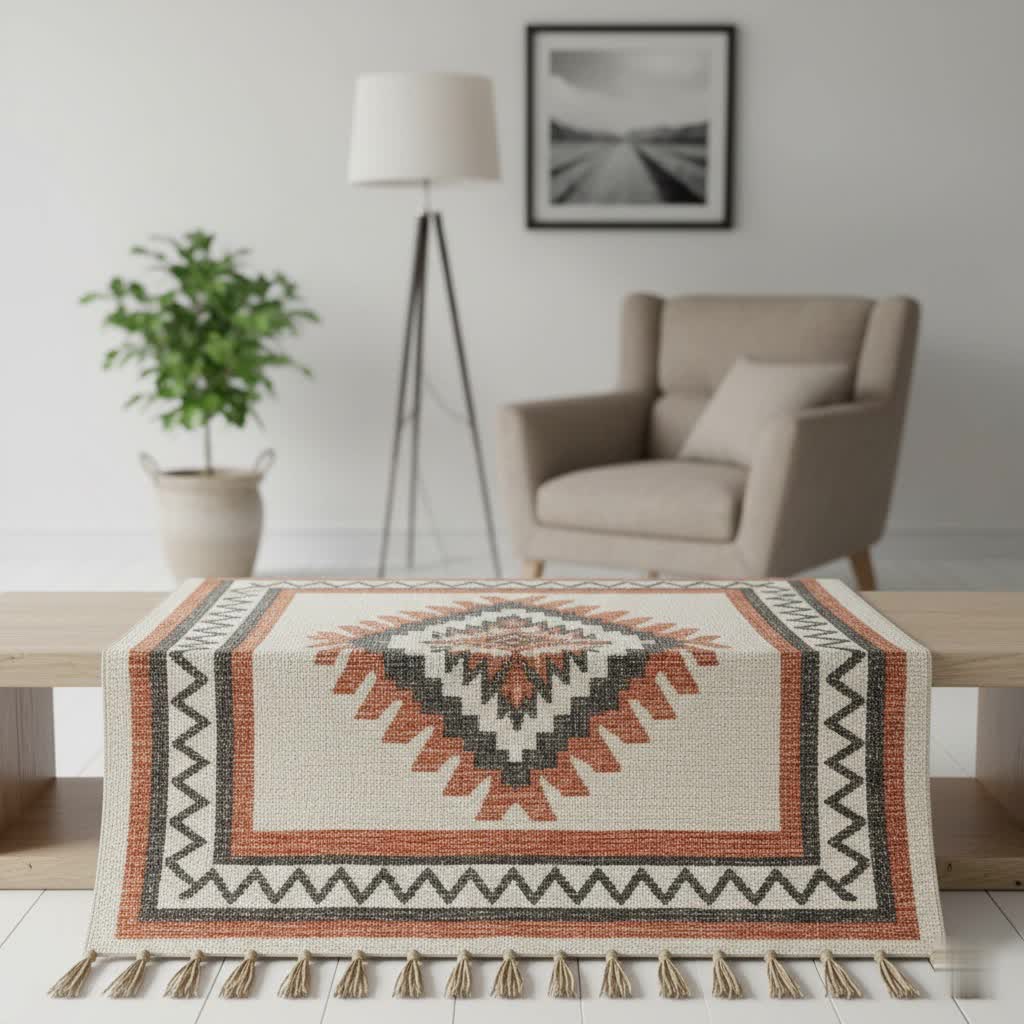
Stepping into a home transformed by the right area rug is an experience unlike any other. It’s more than just a floor covering; an area rug defines spaces, adds warmth, dampens sound, and injects personality into your interiors, tying disparate elements into a cohesive, inviting design. Yet, with a seemingly endless array of materials, styles, and sizes, the journey to finding that perfect piece can feel overwhelming. Many homeowners struggle with where to begin, what to prioritize, and how to ensure their investment stands the test of time. This guide, drawing on decades of expertise in home furnishings, aims to demystify the process, equipping you with the knowledge to make an informed and confident choice for your space. We’ll navigate the world of area rugs, from material science to style trends and essential care, ensuring your next rug isn’t just a purchase, but a cherished addition to your home.
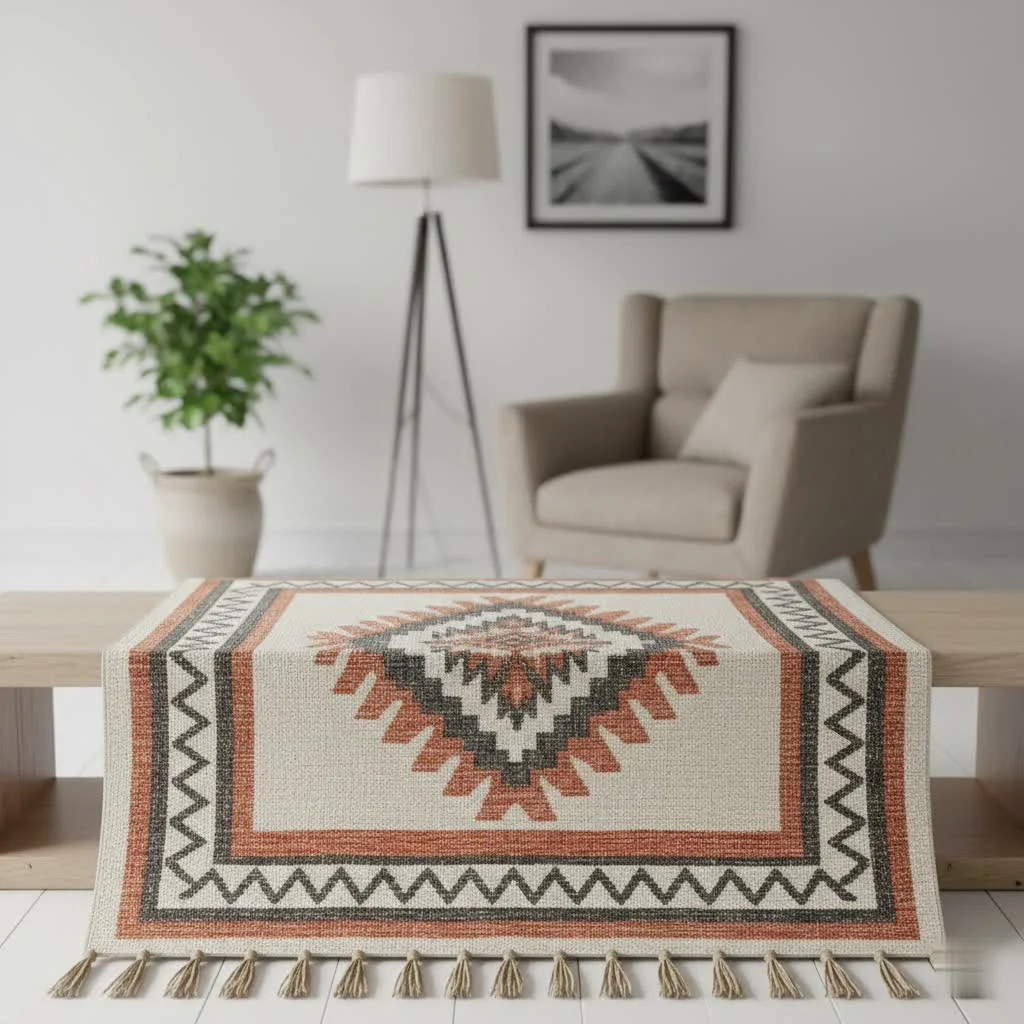

Common Area Rug Types and Their Characteristics
The foundation of any great area rug lies in its material. Understanding the various fibers available, along with their inherent strengths and weaknesses, is crucial for selecting a rug that will thrive in its designated space. Each material offers a unique tactile experience, aesthetic, and level of durability and maintenance.
Natural Fiber Rugs
Natural fiber rugs bring an organic, earthy feel to any room, often celebrated for their sustainability and unique textures. These rugs are generally favored for their authenticity and ability to age gracefully.
- Wool: A timeless choice, wool is renowned for its luxurious feel, natural resilience, and exceptional durability, making it ideal for high-traffic areas. Wool rugs naturally resist stains and soil, are excellent insulators, and possess flame-resistant properties. Their natural crimp helps them retain shape and appearance. However, wool rugs can be pricier than synthetic alternatives, may shed, and can be prone to fading in direct sunlight. They often require professional cleaning to maintain their beauty.
- Pros: Exceptionally durable, natural stain/soil resistance, insulating, flame-resistant, retains shape, luxurious feel.
- Cons: Higher cost, may shed, prone to fading in direct sunlight, may require professional cleaning.
- Popular Types: Many traditional rugs are crafted from wool, making it a versatile choice for living rooms, bedrooms, and dining areas due to its warmth, comfort, and stain resistance.
- Cotton: Offering a lightweight and versatile option, cotton rugs provide a soft, gentle feel underfoot and are often more budget-friendly. They are easy to clean and maintain and are hypoallergenic, making them suitable for individuals with allergies. However, cotton rugs may not be as durable as wool or synthetics in high-traffic areas and can flatten over time. They are known for staining easily if not cleaned promptly.
- Pros: Soft, gentle, affordable, easy to clean, hypoallergenic, natural and sustainable.
- Cons: Less durable than wool/synthetics, susceptible to wear in high-traffic areas, can flatten, stains easily if not cleaned quickly.
- Popular Types: Often found in flatwoven styles, cotton rugs are perfect for bedrooms, nurseries, and low-traffic areas, or in warmer climates for a cooler underfoot sensation.
- Jute/Sisal: These natural plant fibers are gaining popularity for their eco-friendly credentials and ability to add warmth and rustic texture. Jute is notably soft for a natural fiber, while sisal offers exceptional durability. Both are biodegradable and highly durable, making sisal particularly suitable for high-traffic areas like entryways. However, jute and sisal rugs are generally unsuitable for high-moisture areas as they can lead to mold and mildew, and they can be rough on bare feet. Sisal can also be prone to discoloration from direct sunlight.
- Pros: Eco-friendly, biodegradable, adds natural texture, durable, suitable for moderate to high traffic (sisal).
- Cons: Unsuitable for high-moisture areas, can be rough (sisal), less stain resistant (jute), prone to discoloration in sunlight (sisal).
- Popular Types: Ideal for living rooms, bedrooms (jute), entryways, hallways, and even outdoor patios (sisal for durability and element resistance).
Synthetic Fiber Rugs
|
Our Picks for the Best Floor Rug in 2026
As an Amazon Associate I earn from qualifying purchases.
|
||
| Num | Product | Action |
|---|---|---|
| 1 | OLANLY Area Rugs for Living Room Bedroom, Machine Washable 4x5.9 ft Soft Fluffy Shaggy Bedside Rug, Indoor Floor Carpet for Kids Girls and Boys, Dorms, Nursery Rooms, Home Decor Aesthetic, Grey |

|
| 2 | Ophanie Area Rugs for Bedroom, Christmas Upgrade Non-Slip Ivory Fluffy Soft Shag Living Room Carpet, Indoor Floor 4x6 Fuzzy Shaggy Living Room Plush Nursery Rug for Kids Home Dorm Decor Aesthetic |
|
| 3 | OLANLY Area Rugs for Living Room Bedroom, Machine Washable 4x5.9 ft Soft Fluffy Shaggy Bedside Rug, Indoor Floor Carpet for Kids Girls and Boys, Dorms, Nursery Rooms, Home Decor Aesthetic, Beige |
|
| 4 | Ophanie Black Area Rugs for Bedroom Living Room, 4x6 Fluffy Fuzzy Shag Shaggy Carpet Soft Plush Furry Bedside Rug, Indoor Floor Rug for Kids Girls Boys Home Decor Aesthetic, Dorm Nursery |
|
| 5 | Ophanie Blue Rug, Boys 4x6 Rugs for Bedroom Royal Dark Blue Carpet Nursery Aesthetic, Kids Playroom Navy Area Rugs for Girls Teen Home Decor, Fluffy Shag Bedside Floor Living Room Carpet |
|
| 6 | OLANLY Area Rugs for Living Room Bedroom, Machine Washable 4x5.9 ft Soft Fluffy Shaggy Bedside Rug, Indoor Floor Carpet for Kids Girls and Boys, Dorms, Nursery Rooms, Home Decor Aesthetic, Blush |
|
| 7 | OLANLY Area Rugs for Living Room Bedroom, Machine Washable 4x5.9 ft Soft Fluffy Shaggy Bedside Rug, Indoor Floor Carpet for Kids Girls and Boys, Dorms, Nursery Rooms, Home Decor Aesthetic, Burgundy |
|
| 8 | OLANLY Area Rugs for Living Room Bedroom, Machine Washable 4x5.9 ft Soft Fluffy Shaggy Bedside Rug, Indoor Floor Carpet for Kids Girls and Boys, Dorms, Nursery Rooms, Home Decor Aesthetic, Black |
|
| 9 | Ophanie Area Rugs for Living Room Bedroom, Upgrade Non-Slip Fluffy Soft Grey Shag Carpet, Indoor Floor Gray 4x6 Fuzzy Shaggy Living Room Plush Rug for Kids Home Dorm Decor Aesthetic |
|
| 10 | OLANLY Area Rugs for Living Room Bedroom, Machine Washable 4x5.9 ft Soft Fluffy Shaggy Bedside Rug, Indoor Floor Carpet for Kids Girls and Boys, Dorms, Nursery Rooms, Home Decor Aesthetic, Coffee |
|
Synthetic rugs are a practical choice for many modern homes, offering a blend of durability, affordability, and easy maintenance. They are engineered to withstand the rigors of daily life.
- Nylon: Known for its exceptional strength and elasticity, nylon is one of the most durable synthetic fibers, making it highly resistant to crushing and abrasion. It holds color well and is generally easy to clean. However, it can be more expensive than other synthetic options and may require professional cleaning for tough stains.
- Pros: Extremely durable, strong, resilient, good color retention, easy to clean.
- Cons: Can be more expensive than other synthetics, may attract static.
- Polyester: Polyester rugs offer a soft, luxurious feel with excellent color vibrancy and stain resistance. They are typically more affordable than nylon and are resistant to fading. However, polyester fibers are not as resilient as nylon and can be prone to matting or crushing in high-traffic areas.
- Pros: Soft and luxurious, vibrant colors, good stain resistance, fade-resistant, affordable.
- Cons: Less resilient than nylon, can mat or crush in high-traffic areas, difficult to remove oil-based stains.
- Polypropylene (Olefin): This synthetic fiber is highly popular for its budget-friendly price, exceptional stain resistance, and durability. Polypropylene rugs are fade-resistant, moisture-resistant, and can withstand heavy foot traffic, making them suitable for both indoor and outdoor use. The main drawbacks include a less luxurious feel compared to natural fibers and a tendency to flatten over time. They are also sensitive to high heat.
- Pros: Highly stain-resistant, durable, fade-resistant, moisture-resistant, quick drying, budget-friendly.
- Cons: Less luxurious feel, prone to flattening, sensitive to high heat.
- Popular Types: Excellent for playrooms, basements, outdoor spaces, and allergy-prone households.
Decorative Rugs
Beyond material, area rugs come in a vast array of styles, each capable of transforming a room’s ambiance. Decorative rugs often prioritize aesthetic impact, but still offer practical benefits.
- Vintage Rugs: Vintage rugs, often hand-knotted wool pieces, offer unique character and a rich history. They are celebrated for their intricate patterns, deep colors, and proven longevity. Many are made of durable wool and have already demonstrated their ability to last for decades.
- Choosing: When selecting a vintage rug, inspect the front and back for mismatched yarns or repairs, and always ask the dealer about any prior restoration. It’s advisable to work with a trusted dealer or view the rug in person.
- Modern Rugs: Featuring clean lines, abstract patterns, and often a minimalist color palette, modern rugs complement contemporary interiors. They can use both natural and synthetic fibers and come in various pile heights.
- Bohemian Rugs: Characterized by vibrant colors, eclectic patterns, and often tasseled edges, bohemian rugs bring a relaxed, free-spirited vibe to a space. Materials can vary widely from natural cotton and jute to synthetic blends.
- Shag Rugs: Known for their long, plush pile, shag rugs offer exceptional softness and a cozy, inviting texture. They are typically suited for low-to-medium traffic areas like bedrooms or living rooms where comfort is paramount. While they provide luxurious comfort, their high pile can be more challenging to clean and may show indentations from heavy furniture.
- Considerations: Shag rugs, especially synthetic ones, can be difficult to clean due to their tendency to trap lint and grime deep within the fibers. Regular vacuuming without a brush roll is recommended to prevent damage.
Area Rug Buying Guide
Choosing the right area rug requires thoughtful consideration of several factors beyond just aesthetics. A well-chosen rug enhances your home’s comfort, style, and functionality.
Identify Usage Needs
Before you begin shopping, clearly define how the rug will be used. This will guide your choices in size, material, and style.
- Determine the Right Size for Your Space: The most common mistake in rug buying is choosing a rug that’s too small. A rug should ground your furniture, not float adrift in the middle of a room.
- Living Rooms: The rug should extend under at least the front legs of all major seating pieces (sofa, chairs) to unify the seating area. Standard sizes like 8×10 or 9×12 feet are common for most living rooms. Aim to leave 6 to 18 inches of exposed flooring between the rug’s edge and the walls.
- Dining Rooms: Ensure the rug is large enough so that chairs remain on the rug even when pulled out for seating. This typically means the rug should extend at least 24 inches beyond the dining table on all sides [5 from search result for “how to choose area rug size material style”].
- Bedrooms: For a cohesive look, the rug should extend past the sides of the bed, allowing for a soft landing underfoot. For larger beds, consider placing the rug horizontally under the bottom two-thirds of the bed, extending out beyond the nightstands [5 from search result for “how to choose area rug size material style”].
- Entryways & Hallways: Runners are ideal for hallways, providing warmth and defining the path. For entryways, a rug should be proportionate to the space, welcoming guests without overwhelming the area.
- Measurement Tip: If unsure, map out the desired rug area with bed sheets or painter’s tape to visualize the size and placement before purchasing [4 from search result for “buying area rugs in person tips”].
- Choose the Ideal Material for Purpose: The rug’s location dictates the best material.
- High-Traffic Areas (Living Rooms, Hallways, Entryways): Opt for durable materials like wool, sisal, or synthetic fibers such as polypropylene or nylon, known for their resilience against heavy foot traffic and wear.
- Low-Traffic Areas (Bedrooms, Formal Dining Rooms): Softer, more delicate materials like cotton or silk can provide luxurious comfort and aesthetic appeal where durability is less critical.
- Homes with Pets or Children: Stain-resistant and easy-to-clean materials are paramount. Polypropylene and washable polyester blends are excellent choices, as are wool rugs which possess natural stain resistance if spills are addressed quickly.
- Select Colors and Patterns that Complement Your Décor:
- Color: Consider the existing color palette of your room. A rug can introduce a pop of color, create a focal point, or subtly blend into the background. It doesn’t need to perfectly match other elements but should visually enhance the space [5 from search result for “buying area rugs in person tips”].
- Pattern: Patterns can add visual interest, conceal everyday dirt, or make a bold statement. Choose patterns that align with your overall design aesthetic, whether it’s geometric for a modern look, floral for traditional, or abstract for contemporary spaces [5 from search result for “buying area rugs in person tips”].
Compare Prices and Brands
Quality area rugs are an investment. Understanding price points and reputable brands helps in making a value-driven purchase.
- Reputable Brands and Retailers: Look for brands known for quality construction and ethical practices. While mass-market stores offer budget-friendly options, specialized rug galleries, furniture stores, and trusted online retailers often provide higher quality rugs. For unique or investment-grade pieces, antique stores and consignment shops can also be treasures.
- Expert Advice: “A good place to ask who to buy from is your local rug cleaners. We cleaners see new and old rugs, hundreds and hundreds a week, and we absolutely know what the good rugs are and what the garbage is. So ask your trusted cleaner who they think is good to buy from.” – Rug Chick, Lisa Wagner, Rug Care Expert.
- Average Price Ranges: Prices vary significantly based on material, construction (hand-knotted versus machine-made), size, and origin. Wool and silk rugs are typically more expensive, while cotton and synthetic options like polypropylene are often more budget-friendly. Hand-woven rugs reflect substantial labor, making them a significant investment.
- Budget Tip: While some rugs can cost hundreds per square foot, a woven wool rug, even of average quality, is generally considered a safe purchase at around $10 per square foot.
- Tips for Finding Value: Look for sales, but be wary of “going out of business” sales at rug galleries, which can sometimes be a front for selling flawed merchandise. Focus on the quality of materials and construction rather than just a low price tag. Consider checking the total cost of ownership, including potential delivery, financing, or extended warranties [5 from search result for “buying area rugs in person tips”].
Check Rug Quality
A careful inspection can reveal much about a rug’s quality and longevity. This is especially important when shopping locally.
- How to Identify Quality:
- Fibers: For natural rugs, wool is generally the best fiber due to its strength, vibrancy, and resilience. Good quality wool feels smooth and firm, not brittle or “straw-like”. For synthetic rugs, look for dense pile and good construction.
- Dyes: High-quality dyes are colorfast, meaning they won’t bleed when wet. You can test for this by blotting a small, hidden area with a damp white cloth.
- Construction: Woven rugs (hand-woven or machine-woven) are generally more durable than tufted rugs. You can identify a woven rug by flipping a corner; if the design is visible on the back, it’s woven. Tufted rugs, which have a material backing glued with latex, are less durable and prone to issues like delamination or crumbling over time.
- Considerations for Online vs. In-Person Purchase: While online shopping offers convenience and a vast selection, buying in person allows you to physically inspect the rug, feel its texture, and assess colors more accurately. If buying online, always check return policies and read reviews carefully.
- Warranty and Return Policies: Ensure the retailer offers a clear return policy, especially if you can’t try the rug in your home before buying [3 from search result for “buying area rugs in person tips”]. Understand the warranty for any manufacturing defects.
Area Rug Comparison Table
| Feature | Wool Rugs | Cotton Rugs | Jute/Sisal Rugs | Polypropylene Rugs | Silk Rugs |
|---|---|---|---|---|---|
| Material | Natural fiber | Natural fiber | Natural plant fiber | Synthetic fiber (Olefin) | Natural fiber |
| Durability | Excellent, ideal for high traffic | Moderate, can show wear in high traffic | Good to Excellent (Sisal > Jute) | Excellent, highly resistant to wear | Delicate, not for high traffic |
| Comfort | Luxurious, soft, warm | Soft, gentle | Rustic, can be rough (Sisal) or soft (Jute) | Comfortable, can be plush (shag styles) | Extremely soft, smooth, lustrous |
| Stain Resist. | Good (natural soil resistance), clean quickly | Low, stains easily | Low to Moderate, discolors with spills | Excellent, highly stain-resistant | Low, requires specialized cleaning |
| Maint. Level | Moderate (shedding, professional cleaning) | Easy (machine washable for some) | Moderate (vacuuming, avoid moisture) | Easy (spot treat, quick drying) | High (delicate, professional cleaning) |
| Aesthetics | Classic, elegant, rich colors | Casual, versatile, wide range of colors/patterns | Natural, earthy, rustic texture | Versatile, vibrant colors, fade-resistant | Elegant, luxurious, high sheen, intricate designs |
| Price | High | Low to Moderate | Moderate | Low | Very High |
| Best Uses | Living rooms, bedrooms, dining areas | Bedrooms, nurseries, low-traffic areas | Living rooms, hallways (Jute); Entryways, outdoor (Sisal) | Playrooms, basements, outdoor spaces, high-traffic | Formal living/dining rooms, wall hangings |
Advantages and Disadvantages of Each Type:
- Wool: Offers long-term value and insulates well but requires careful maintenance and can be costly.
- Cotton: Affordable and easy to clean, but less durable for heavy use and prone to staining.
- Jute/Sisal: Eco-friendly and textural, but can be rough and susceptible to water damage and discoloration.
- Polypropylene: Excellent for durability and stain resistance in high-traffic or outdoor areas, yet lacks the luxurious feel of natural fibers and is sensitive to heat.
- Silk: Unmatched in elegance and softness, but extremely delicate, expensive, and best suited for decorative purposes in low-traffic zones.
Recommendations for Specific Needs:
- For high-traffic family areas or homes with pets/children: Choose polypropylene or durable wool for their stain resistance and longevity. Ruggable’s washable polyester rugs are also an excellent option for easy cleaning.
- For bedrooms or low-traffic cozy spaces: Opt for soft wool, cotton, or a plush shag rug for comfort underfoot.
- For eco-conscious buyers: Jute and sisal are sustainable and biodegradable choices.
- For a luxurious, formal touch: Silk rugs are unparalleled in beauty, but require minimal foot traffic.
Area Rug Cleaning and Maintenance Tips
Proper care is essential to extend the life and beauty of your area rugs. Different materials require specific cleaning approaches, but some general rules apply across the board.
Regular Cleaning
Consistent routine maintenance prevents dirt from accumulating and damaging rug fibers over time [1, 5 from search result for “area rug cleaning and maintenance tips”].
- Vacuuming: Vacuum your area rugs at least once a week, and more frequently in high-traffic areas or homes with pets [5 from search result for “area rug cleaning and maintenance tips”]. Use a vacuum without a beater bar for delicate or high-pile rugs to avoid snagging or stretching fibers. For rugs with fringe, use gentle suction or a broom to avoid damage [3 from search result for “area rug cleaning and maintenance tips”].
- Shaking Out: For smaller, lighter rugs, take them outside and shake them vigorously to dislodge deeply embedded dirt and dust. Larger rugs can be hung over a clothesline and beaten gently [2 from search result for “area rug cleaning and maintenance tips”].
- Odor Removal: For general freshening, sprinkle baking soda over the rug, let it sit for 15-30 minutes, and then vacuum thoroughly. For persistent odors, professional cleaning might be necessary.
- Rotation: Rotate your rugs every 6-12 months to ensure even wear and prevent uneven fading, especially for rugs exposed to direct sunlight or heavy foot traffic [4 from search result for “area rug cleaning and maintenance tips”].
Stain Removal
Acting quickly and correctly is key to successful stain removal. Always blot, never rub, to prevent spreading the stain or damaging fibers [1, 5 from search result for “area rug cleaning and maintenance tips”].
- Common Stain Treatment:
- General Spills: Blot the spill immediately with a clean, white cloth. Use a solution of mild detergent (1 teaspoon dish soap) mixed with two cups of warm water. Apply gently with minimal moisture from the outside of the stain inward.
- Organic Stains (Coffee, Red Wine): Club soda can be effective in lifting pigments without damaging fibers.
- Oily Spills: May respond better to diluted dish soap.
- Pet Stains: These can be particularly challenging, especially on tufted rugs where urine can penetrate the latex backing and cause permanent odor. A mixture of cold water, white vinegar, and mild detergent can create a cleaning foam for tough non-pet stains [3 from search result for “area rug cleaning and maintenance tips”].
- Professional Cleaning: Consider professional cleaning at least once a year, or more often for rugs in high-traffic areas or those with deep stains, pet odors, or water damage [4 from search result for “area rug cleaning and maintenance tips”]. Delicate rugs like silk or antique pieces almost always require professional care.
Proper Storage
When storing an area rug, proper preparation prevents damage from moisture, pests, and creasing.
- Cleaning Before Storage: Ensure the rug is thoroughly cleaned and completely dry before storing to prevent mold, mildew, and odors.
- Rolling, Not Folding: Roll your rug tightly rather than folding it to prevent permanent creases and damage to the fibers and backing. Roll it with the pile facing inwards to protect the surface.
- Protection: Wrap the rolled rug in breathable fabric (like cotton sheets) or a Tyvek wrap. Avoid plastic wraps, which can trap moisture and cause mildew.
- Location: Store rugs in a cool, dry, well-ventilated area, off the floor if possible, to protect against humidity and pests. Avoid attics or basements prone to extreme temperature changes or dampness.
Conclusion
Choosing the right area rug is a transformative decision that profoundly impacts the comfort, aesthetics, and functionality of your home. From understanding the nuanced characteristics of natural fibers like luxurious wool and versatile cotton to the practical benefits of synthetic options like stain-resistant polypropylene, each material offers a unique experience. We’ve explored how proper sizing and placement can anchor a room, turning a simple rug into a foundational design element. Furthermore, discerning quality through fiber, dye, and construction checks ensures your investment is a lasting one. Finally, adhering to a regimen of regular cleaning, prompt stain removal, and careful storage guarantees that your area rug remains a vibrant and inviting feature for years to come.
With these insights, you are now well-equipped to navigate the world of area rugs, confident in selecting a piece that not only meets your practical needs but also resonates with your personal style and enhances your living space. What aspect of your home are you most excited to transform with the perfect area rug?
Frequently Asked Questions
What is the most durable material for an area rug?
Wool is widely regarded as one of the most durable natural rug materials due to its resilience and ability to withstand high traffic. Among synthetics, polypropylene and nylon offer excellent durability and resistance to wear and tear, making them top choices for busy households and commercial settings.
How do I choose the right size area rug for my living room?
For a living room, your area rug should be large enough to at least fit under the front legs of all your main furniture pieces, such as sofas and armchairs. This grounds the furniture and unifies the seating area, preventing pieces from appearing disconnected. Aim to leave 6 to 18 inches of exposed flooring between the rug’s edge and the walls for a balanced look.
Can I place an area rug over carpet?
Yes, you can place an area rug over existing carpet, especially if the underlying carpet has a low pile. This technique can add visual interest, define specific zones within a room, or provide an extra layer of softness and insulation. Always use a rug pad to prevent slipping and to protect both the area rug and the carpet beneath [5 from search result for “how to choose area rug size material style”].
How often should I clean my area rug?
Area rugs should be vacuumed at least once a week, and more often in high-traffic areas or homes with pets [5 from search result for “area rug cleaning and maintenance tips”]. For deep cleaning, most rugs benefit from a professional cleaning or a thorough shampooing at home once or twice a year to remove embedded dirt and allergens.
Are washable area rugs a good option for homes with pets or children?
Absolutely. Washable area rugs, often made from synthetic materials like polyester, are an excellent solution for homes with pets or children due to their ease of cleaning and impressive stain resistance. Brands like Ruggable offer designs with removable covers that can be machine washed, making cleanup of spills and accidents remarkably simple.
What is the difference between a hand-knotted and a machine-made rug?
Hand-knotted rugs are meticulously crafted by artisans, with individual knots tied by hand, resulting in unique, durable, and often higher-value pieces. Machine-made rugs, conversely, are produced by power looms, offering greater uniformity, lower cost, and faster production. Hand-knotted rugs typically show their design on both the front and back, while machine-made rugs often have a visible backing material.
How do I prevent my area rug from slipping on hard floors?
To prevent your area rug from slipping, always use a high-quality non-slip rug pad underneath. Rug pads not only provide a crucial grip, preventing movement and tripping hazards, but also offer additional cushioning, protect your flooring, and extend the life of your rug by allowing air circulation [2, 4 from search result for “area rug cleaning and maintenance tips”].
Pet products vetted on real animals
Free PDF — protein DMB calculator + 18 dog foods rated.
