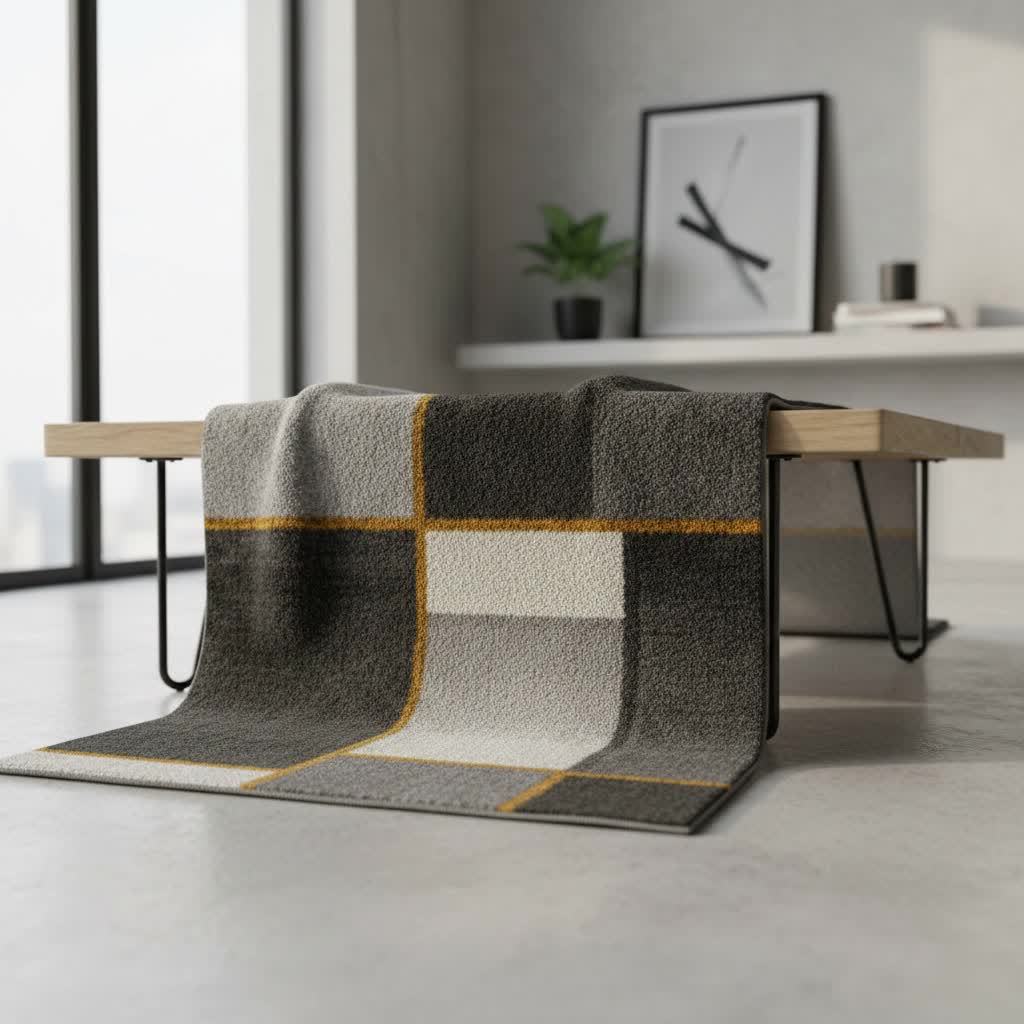
Stepping onto a plush wool area rug is an experience like no other, instantly transforming a house into a warm, inviting home. For over a decade, I’ve navigated the intricate world of home furnishings, specializing in floor coverings, and few materials command respect quite like wool. As an administrator at Reviewsque.com, a platform dedicated to honest product assessments, I understand the questions and considerations that arise when choosing the perfect rug. This guide is crafted from my extensive experience, designed to share expert insights and help you make the most informed decision about investing in a wool area rug.
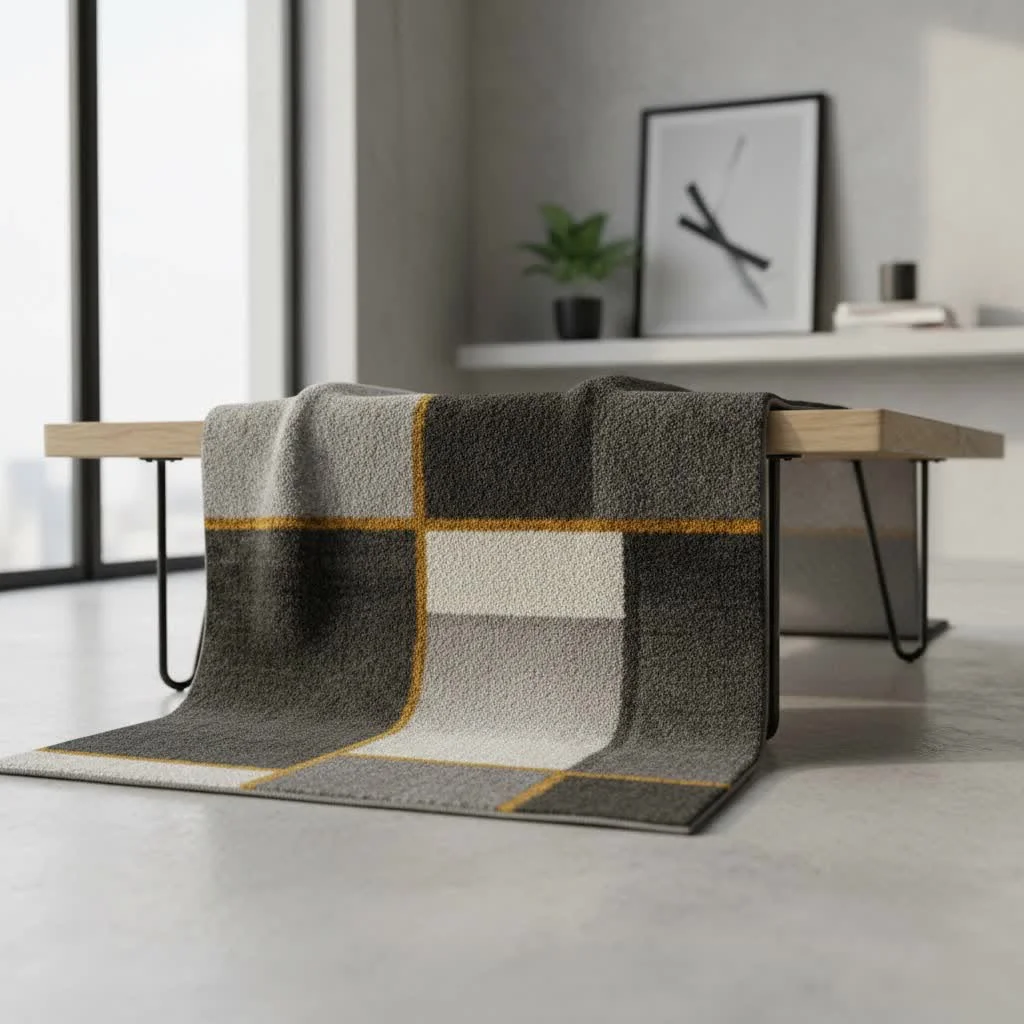
Popular Floor Rug Types
When considering a floor rug, you’ll encounter a vast array of options, but wool area rugs stand out for their exceptional qualities. They fall under the umbrella of natural fiber rugs, offering distinct advantages over their synthetic counterparts. Understanding these differences is key to selecting a rug that truly suits your lifestyle and aesthetic preferences.
Natural Fiber Rugs
Natural fiber rugs, especially those crafted from wool, bring unparalleled character and performance to any space. Wool, a renewable resource shorn annually from sheep, boasts inherent properties that make it a superior choice for area rugs. Its unique protein structure, primarily keratin, gives wool fibers remarkable strength and elasticity.
Wool’s natural crimp allows its fibers to bounce back even after heavy compression, meaning that furniture marks are less likely to become permanent and high-traffic areas maintain their luxurious appearance for longer. This inherent resilience contributes significantly to the longevity of a wool rug, often allowing it to last for decades, sometimes even becoming a cherished family heirloom. Beyond durability, wool is also celebrated for its role in improving indoor air quality. Its fibers can absorb common pollutants like volatile organic compounds (VOCs), formaldehyde, and nitrogen dioxide, acting as a natural air filter to create a healthier living environment. Furthermore, wool’s high ignition threshold makes it naturally fire-resistant; instead of melting or igniting rapidly, it chars and self-extinguishes, offering an added layer of safety in your home.
However, wool rugs do come with a few considerations. Their natural lanolin coating provides some stain resistance by repelling liquids, giving you time to blot up spills before they set. Yet, wool is also hygroscopic, meaning it absorbs and releases moisture, which can be a double-edged sword. While this property helps regulate indoor humidity, prolonged exposure to excessive dampness, such as in bathrooms or basements, can weaken the fibers and lead to mold or mildew growth. New wool rugs often experience an initial shedding period for the first few months, which is a normal process as loose fibers work their way out. Additionally, wool rugs require gentle cleaning methods, as harsh chemicals or steam cleaning can damage the natural fibers. They are also susceptible to moths and carpet beetles if not properly cared for or stored.
Common types of wool used for rugs include durable mid-grade to coarse varieties (typically 25-40 microns) like New Zealand wool, Corriedale, Indian wool, and Himalayan wool. These provide the necessary toughness for floor coverings without sacrificing softness. From intricate Persian and Moroccan designs to minimalist flatweaves and cozy shags, wool lends itself to a vast array of styles, allowing its natural sheen to enhance the richness of its dyed colors.
Synthetic Fiber Rugs
|
Our Picks for the Best Floor Rug in 2026
As an Amazon Associate I earn from qualifying purchases.
|
||
| Num | Product | Action |
|---|---|---|
| 1 | Ophanie Area Rugs for Living Room Bedroom, Upgrade Non-Slip Fluffy Soft Grey Shag Carpet, Indoor Floor Gray 4x6 Fuzzy Shaggy Living Room Plush Rug for Kids Home Dorm Decor Aesthetic |

|
| 2 | OLANLY Area Rugs for Living Room Bedroom, Machine Washable 4x5.9 ft Soft Fluffy Shaggy Bedside Rug, Indoor Floor Carpet for Kids Girls and Boys, Dorms, Nursery Rooms, Home Decor Aesthetic, Grey |
|
| 3 | OLANLY Area Rugs for Living Room Bedroom, Machine Washable 4x5.9 ft Soft Fluffy Shaggy Bedside Rug, Indoor Floor Carpet for Kids Girls and Boys, Dorms, Nursery Rooms, Home Decor Aesthetic, Blush |
|
| 4 | OLANLY Area Rugs for Living Room Bedroom, Machine Washable 4x5.9 ft Soft Fluffy Shaggy Bedside Rug, Indoor Floor Carpet for Kids Girls and Boys, Dorms, Nursery Rooms, Home Decor Aesthetic, Coffee |
|
| 5 | OLANLY Area Rugs for Living Room Bedroom, Machine Washable 4x5.9 ft Soft Fluffy Shaggy Bedside Rug, Indoor Floor Carpet for Kids Girls and Boys, Dorms, Nursery Rooms, Home Decor Aesthetic, Black |
|
| 6 | Ophanie Black Area Rugs for Bedroom Living Room, 4x6 Fluffy Fuzzy Shag Shaggy Carpet Soft Plush Furry Bedside Rug, Indoor Floor Rug for Kids Girls Boys Home Decor Aesthetic, Dorm Nursery |
|
| 7 | Ophanie Blue Rug, Boys 4x6 Rugs for Bedroom Royal Dark Blue Carpet Nursery Aesthetic, Kids Playroom Navy Area Rugs for Girls Teen Home Decor, Fluffy Shag Bedside Floor Living Room Carpet |
|
| 8 | OLANLY Area Rugs for Living Room Bedroom, Machine Washable 4x5.9 ft Soft Fluffy Shaggy Bedside Rug, Indoor Floor Carpet for Kids Girls and Boys, Dorms, Nursery Rooms, Home Decor Aesthetic, Beige |
|
| 9 | OLANLY Area Rugs for Living Room Bedroom, Machine Washable 4x5.9 ft Soft Fluffy Shaggy Bedside Rug, Indoor Floor Carpet for Kids Girls and Boys, Dorms, Nursery Rooms, Home Decor Aesthetic, Burgundy |
|
| 10 | Ophanie Area Rugs for Bedroom, Christmas Upgrade Non-Slip Ivory Fluffy Soft Shag Living Room Carpet, Indoor Floor 4x6 Fuzzy Shaggy Living Room Plush Nursery Rug for Kids Home Dorm Decor Aesthetic |
|
In contrast to natural fibers, synthetic rugs like those made from nylon, polyester, or polypropylene are typically petroleum-based and non-biodegradable. While they often present a more budget-friendly initial cost, they tend to flatten and show wear much faster than wool, typically lasting only 5 to 10 years before requiring replacement. Many synthetic rugs may also emit volatile organic compounds (VOCs) into the home environment. They generally lack the natural thermal and acoustic insulation properties of wool, and while many are treated for stain resistance, they don’t offer the inherent fire resistance of wool fibers, often melting and releasing toxic fumes when exposed to flames.
Decorative Rugs
Wool’s versatility extends beautifully into the realm of decorative rugs, making it an ideal choice for enhancing various interior design styles. Whether your home embodies a timeless traditional aesthetic, a sleek modern vibe, or the eclectic charm of bohemian decor, there’s a wool rug to complement it. The natural sheen of wool fibers allows dyes to penetrate deeply, resulting in rich, vibrant colors that maintain their intensity for years. This makes wool rugs perfect for creating striking focal points or adding subtle layers of texture and warmth. From the elaborate patterns of a vintage Persian rug to the geometric simplicity of a contemporary Moroccan design or the understated elegance of a solid-colored flatweave, wool adapts to diverse design visions.
Floor Rug Buying Guide
Choosing the right wool area rug is an investment in your home’s comfort, beauty, and longevity. To make a truly informed decision, it’s essential to consider your specific needs, compare options carefully, and understand what constitutes a quality piece.
Identify Usage Needs
The first step in selecting your ideal wool area rug is to pinpoint exactly how and where it will be used.
- Optimal Rug Size: The right size rug can define a space, anchor furniture, and create a cohesive look. For living rooms, aim for a rug large enough for the front legs of all major furniture pieces to rest on it. In dining rooms, ensure chairs remain on the rug even when pulled out. For bedrooms, a rug should extend at least 18-24 inches beyond the sides of your bed.
- Material Suitability: For durability, comfort, and improved indoor air quality, wool is an excellent choice. However, due to its moisture sensitivity, it’s best to avoid placing wool rugs in consistently damp environments like bathrooms, uncovered outdoor areas, or overly humid basements to prevent potential mildew or fiber damage.
- Color and Pattern Harmony: Wool’s ability to hold dye results in a wide spectrum of rich, enduring colors and patterns. Consider how the rug’s hues and design will integrate with your existing furniture, wall colors, and overall decorative theme. A patterned rug can add visual interest, while a solid-colored wool rug offers a calming, foundational element.
Compare Prices and Brands
Wool area rugs represent a significant investment, but their long-term value often surpasses that of more affordable synthetic alternatives.
- Reputable Brands and Artisans: Research brands known for ethical sourcing and quality craftsmanship. Companies specializing in handmade or hand-knotted wool rugs often provide detailed information about their materials and production processes.
- Average Price Ranges: Machine-made wool rugs offer a more accessible entry point, typically starting in the mid-hundreds. Hand-knotted wool rugs, particularly those from renowned regions such as Persia or Tibet, can range from several hundred to several thousand dollars, reflecting the intricate artistry and time involved in their creation.
- Maximizing Value: While the initial cost may be higher, the exceptional durability and timeless appeal of a well-maintained wool rug mean it can last for decades, often reducing the need for frequent replacements and proving more cost-effective over its lifespan. Look for sales or promotions, but prioritize quality for lasting value.
Check Rug Quality
Ensuring you purchase a high-quality wool area rug involves examining several key indicators.
- Recognizing Quality: For hand-knotted rugs, higher knot density generally indicates greater durability and intricate detail. Inspect the back of the rug; a clear, well-defined pattern on the reverse often signifies good craftsmanship. The fibers should feel dense and resilient, springing back when pressed.
- Online Purchase Considerations: When buying online, carefully read product descriptions, paying close attention to material composition, pile height, and manufacturing method (hand-knotted, hand-tufted, machine-made). High-resolution images and customer reviews can also provide valuable insights. Always check the seller’s return policy.
- Warranty and Return Policies: Understand the warranty offered by the manufacturer or retailer, as well as their return and exchange policies. A reputable seller will stand behind the quality of their products.
Floor Rug Comparison Table
To help you visualize the key differences, here’s a comparison between wool area rugs and common synthetic alternatives:
| Feature | Wool Area Rugs | Synthetic Area Rugs (e.g., Nylon, Polyester, Polypropylene) |
|---|---|---|
| Material | Natural, renewable, biodegradable (keratin protein) | Petroleum-based, non-biodegradable |
| Durability | Excellent; fibers bounce back, can last decades with proper care | Moderate; tend to flatten and show wear quickly (typically 5-10 years) |
| Stain Resistance | Natural lanolin coating repels liquids (provides time for cleanup) | Good; often chemically treated for enhanced stain resistance |
| Initial Cost | Higher | Lower |
| Feel | Soft, luxurious, warm underfoot due to natural insulation | Can be soft, but often lack wool’s natural warmth, resilience, and luxurious hand |
| Air Quality | Improves by absorbing common indoor pollutants like VOCs and formaldehyde | May emit VOCs; does not actively purify air |
| Fire Safety | Naturally fire-resistant; chars and self-extinguishes | Can melt, potentially release toxic fumes, and ignite more readily |
| Moisture | Hygroscopic (regulates humidity), but sensitive to prolonged dampness | Generally moisture-resistant, but can trap moisture underneath, potentially leading to odor |
| Maintenance | Regular vacuuming (no beater bar), spot cleaning, professional deep cleaning | Regular vacuuming, spot cleaning |
| Shedding | Common during initial break-in period (first few months) | Generally less prone to shedding |
| Pests | Susceptible to moths and carpet beetles if not properly cared for | Generally resistant to common pests |
| Longevity Value | High; long-lasting, potential heirloom, lower long-term cost of ownership | Lower; shorter lifespan, higher long-term replacement cost |
Floor Rug Cleaning and Maintenance Tips
Proper care is paramount to preserving the beauty and extending the life of your wool area rug. With a few simple practices, your rug can remain a vibrant and comfortable centerpiece in your home for years to come.
Regular Cleaning
Consistent routine care prevents dirt and dust from embedding deep within the fibers, which can cause premature wear.
- Vacuuming: Aim to vacuum your wool rug at least once a week in high-traffic areas and monthly in lesser-used spaces. Always use a vacuum cleaner with a suction-only setting or a soft-bristled attachment. Avoid using rotating beater bars, as these can damage the delicate wool fibers and strip away their natural lanolin coating. If possible, occasionally vacuum the underside of the rug to dislodge deeply trapped dirt.
- Shaking or Beating: For smaller, more manageable wool rugs, periodically take them outdoors and gently shake or beat them to release accumulated dust and debris from deep within the pile. This can be surprisingly effective for a deep clean.
- Deodorizing: To naturally freshen your wool rug, sprinkle baking soda evenly over the surface, let it sit for 15-30 minutes (or longer for tougher odors), and then vacuum it thoroughly.
Stain Removal
Accidents happen, but prompt and correct stain treatment can prevent permanent damage to your wool rug.
- Immediate Action: The golden rule for spills on a wool rug is to act immediately. Blot the liquid with a clean, light-colored cloth or paper towel, working from the outside of the spill inward. Never rub or scrub the stain, as this can spread it, push it deeper into the fibers, or cause the wool to fray.
- Wool-Safe Solutions: For stubborn stains, use a mild, pH-neutral wool-safe cleaning solution. You can often create a gentle solution by mixing a tiny amount of mild dish soap with cool water, or use diluted white vinegar for certain types of stains. Always test any cleaning solution on an inconspicuous area of the rug first to ensure it doesn’t cause discoloration or damage. Apply the solution to a clean cloth, then gently dab the stain, continuing to blot with fresh sections of the cloth until the stain is gone.
- Rinsing and Drying: After treating a stain, rinse the treated area by dabbing it with a clean cloth dampened with plain water. Blot thoroughly with dry towels to remove as much moisture as possible, then allow the rug to air dry completely. You can use a fan to accelerate the drying process.
Proper Storage and Protection
Long-term preservation involves protecting your wool rug from environmental factors and pests.
- Avoiding Direct Sunlight: Prolonged exposure to direct sunlight can cause the vibrant colors of your wool rug to fade over time. Position your rug away from direct sunbeams, or use curtains, blinds, or UV-filtering window treatments to protect it. Rotating your rug every few months can also help ensure even exposure and wear.
- Using a Rug Pad: A high-quality rug pad is an essential accessory for any wool area rug. It provides cushioning, prevents the rug from slipping, and acts as a buffer against wear and tear, extending the rug’s life. A breathable rug pad also promotes airflow, which helps prevent moisture buildup between the rug and the floor, reducing the risk of mold and mildew.
- Moth Protection: Wool is a natural fiber susceptible to moths and carpet beetles. To protect your rug, keep your home clean and dry, avoiding excessive humidity. Consider using natural moth repellents like cedar blocks or lavender sachets near or under the rug. Regularly inspect your rug for any signs of pest activity, and if you discover an infestation, consult a professional pest control service specializing in wool products.
- Professional Deep Cleaning: Even with diligent home care, your wool rug will benefit from professional deep cleaning every one to two years, depending on traffic. Professional cleaners understand the unique properties of wool fibers and use specialized, pH-balanced solutions and gentle drying methods that protect your rug’s integrity and vibrancy. This is especially recommended for valuable hand-knotted rugs.
“A well-chosen wool area rug is more than just a floor covering; it’s a testament to enduring craftsmanship and a cornerstone of comfortable, stylish living.”
Conclusion
The journey to finding the perfect floor rug can be filled with questions, but the enduring appeal of a wool area rug makes it a truly distinguished choice. With its remarkable durability, natural insulation properties, commitment to indoor air quality, and timeless beauty, a wool rug transcends mere decoration to become a valuable investment in your home. While the initial cost may be higher than synthetic alternatives, the longevity, ecological benefits, and sheer comfort it provides offer unparalleled long-term value. By understanding the unique qualities of wool, making informed purchasing decisions, and committing to proper care, you can ensure your wool area rug remains a cherished element of your living space for generations.
Are you ready to transform your home with the unparalleled luxury and lasting quality of a wool area rug?
Frequently Asked Questions
How do you effectively clean a wool area rug?
Effectively cleaning a wool area rug involves regular low-impact vacuuming without a beater bar, immediate blotting of spills with a wool-safe cleaner, and periodic professional deep cleaning. Avoiding harsh chemicals and steam cleaning is crucial to maintain the natural fiber integrity.
Are wool area rugs a worthwhile investment for a home?
Yes, wool area rugs are a worthwhile investment due to their exceptional durability, ability to last for decades with proper care, and timeless aesthetic appeal. Although the initial cost is higher, their longevity and numerous benefits like improved air quality and natural fire resistance offer significant long-term value.
Do all wool area rugs shed continuously?
No, not all wool area rugs shed continuously. While initial shedding is common during the first few months as loose fibers are released, it significantly decreases over time with regular, gentle vacuuming. High-quality wool rugs tend to shed less overall.
Can wool area rugs be used in humid environments?
Wool area rugs can regulate humidity due to their hygroscopic nature, but they are sensitive to prolonged excessive dampness. It is generally not recommended to place them in consistently humid environments like bathrooms or basements, as this can lead to fiber damage, mold, or mildew.
What is the typical lifespan of a well-maintained wool area rug?
A well-maintained wool area rug can last for decades, often 20 to 30 years or even longer for hand-knotted varieties. Their inherent resilience and durable protein fibers allow them to withstand significant foot traffic and retain their beauty over a very long period.
Pet products vetted on real animals
Free PDF — protein DMB calculator + 18 dog foods rated.
