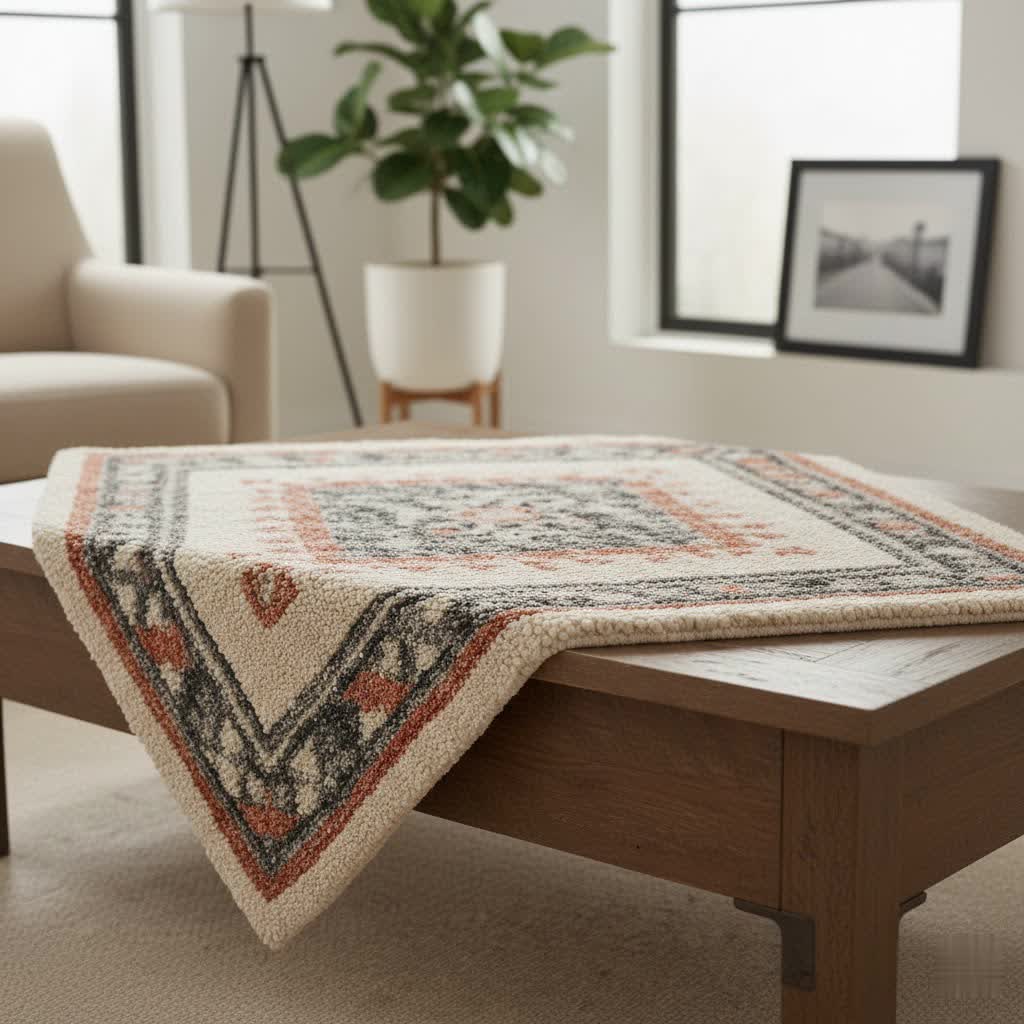
Walking into a kitchen that feels warm, inviting, and effortlessly stylish often begins with a fundamental element you might overlook: the humble kitchen rug. More than just a decorative accent, the right kitchen rug offers comfort underfoot, protects your floors from daily spills and wear, and ties your entire kitchen’s aesthetic together. But with a dizzying array of materials, styles, and sizes available, selecting the perfect kitchen rug can feel overwhelming. This comprehensive guide, drawing from over a decade of expertise in home furnishings, will walk you through everything you need to know to make an informed decision and keep your kitchen rugs looking their best for years to come.
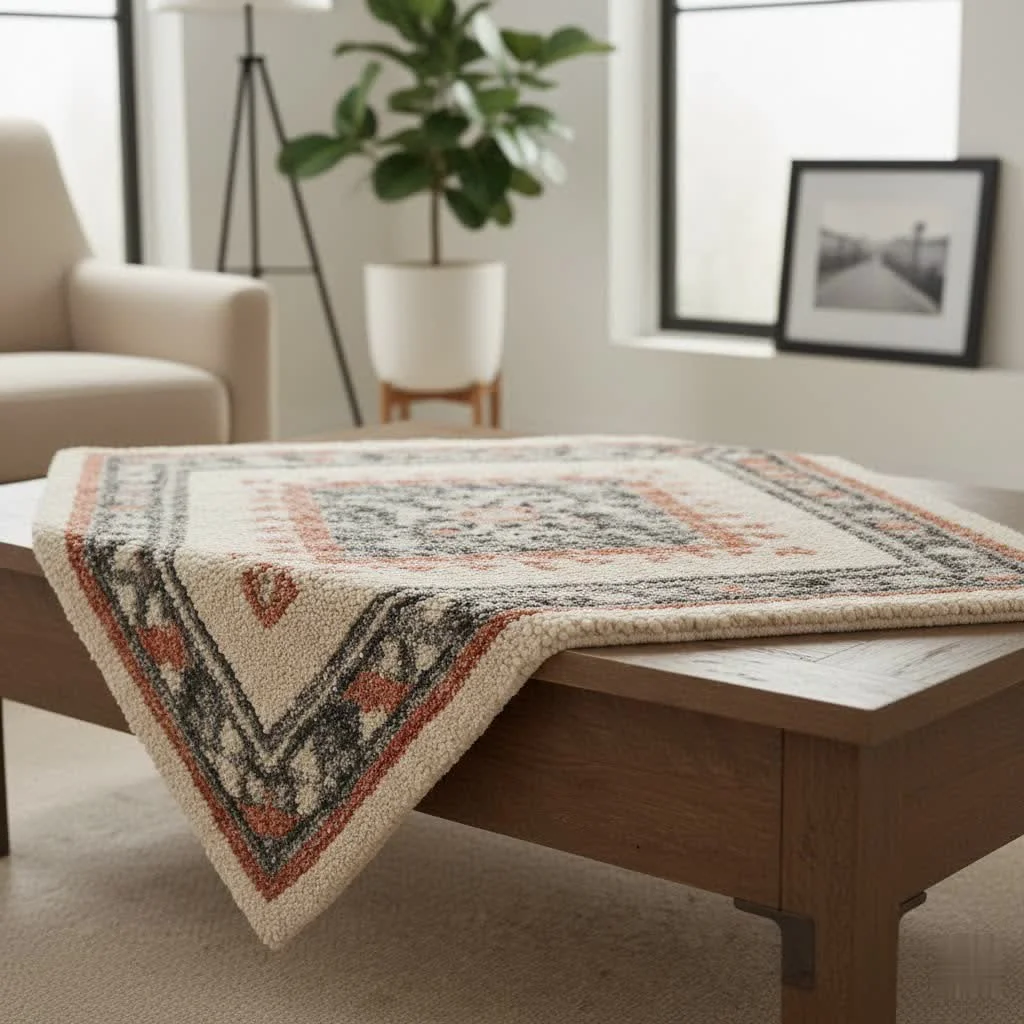
Common Kitchen Rug Types
Understanding the different materials available is the first step in choosing a kitchen rug that will stand up to the unique demands of this high-traffic, spill-prone environment. Each fiber type offers distinct advantages and disadvantages in terms of durability, appearance, and maintenance. For home decor buying guides on this site.
Natural Fiber Rugs
Natural fiber rugs bring an organic, earthy feel to your kitchen, often prized for their sustainability and unique textures.
- Advantages: Environmentally friendly, breathable, unique aesthetic, can be very durable depending on the fiber.
- Disadvantages: Can be more absorbent, sometimes harder to clean, susceptible to mold/mildew if consistently wet, may not be machine washable.
- Popular Natural Fibers:
- Cotton: Soft, highly absorbent, and generally easy to machine wash (especially smaller sizes). Excellent for absorbing spills, but can stain easily if not cleaned quickly.
- Jute & Sisal: Extremely durable, natural texture, good for high-traffic areas. However, they are sensitive to moisture and typically cannot be machine washed; professional cleaning or spot cleaning is usually required. They add a rustic charm.
- Wool: Offers excellent durability, natural stain resistance (due to lanolin), and a luxurious feel. Wool rugs can be more expensive and usually require professional cleaning or careful spot treatment, making them less ideal for heavy spill zones.
- Choosing the Right Natural Fiber Rug: For kitchens, cotton is often the most practical natural choice due to its washability. Jute and sisal can work well in less spill-prone areas or with vigilant spot cleaning, adding texture.
Synthetic Fiber Rugs
Synthetic rugs are engineered for performance, making them a popular choice for busy kitchens where durability and easy maintenance are paramount.
- Advantages: Highly durable, excellent stain and water resistance, often machine washable, colorfast, generally more affordable.
- Disadvantages: Can sometimes feel less luxurious than natural fibers, may lack the unique texture of natural materials.
- Popular Synthetic Fibers:
- Nylon: Known for its exceptional durability, resilience, and resistance to abrasion and stains. Nylon rugs are strong performers in high-traffic kitchen areas.
- Polyester: Soft, resistant to fading, and highly stain-resistant, especially against water-based stains. Many polyester rugs are machine washable and dry relatively quickly.
- Polypropylene (Olefin): This fiber is a workhorse in the kitchen due to its inherent resistance to water, stains, and mildew. It’s highly durable, easy to clean, and very affordable, making it a top choice for busy households.
- PVC/Vinyl: These are typically mats rather than traditional rugs, offering extreme water resistance, easy wipe-down cleaning, and non-slip properties. Ideal for heavy-duty protection in front of sinks or stoves.
- Choosing the Right Synthetic Fiber Rug: Polypropylene, polyester, and nylon are all excellent choices for kitchen rugs due to their practicality. Look for low-pile or flatweave constructions for easier cleaning.
Decorative Rugs
|
Our Picks for the Best Floor Rug in 2026
As an Amazon Associate I earn from qualifying purchases.
|
||
| Num | Product | Action |
|---|---|---|
| 1 | OLANLY Area Rugs for Living Room Bedroom, Machine Washable 4x5.9 ft Soft Fluffy Shaggy Bedside Rug, Indoor Floor Carpet for Kids Girls and Boys, Dorms, Nursery Rooms, Home Decor Aesthetic, Black |

|
| 2 | OLANLY Area Rugs for Living Room Bedroom, Machine Washable 4x5.9 ft Soft Fluffy Shaggy Bedside Rug, Indoor Floor Carpet for Kids Girls and Boys, Dorms, Nursery Rooms, Home Decor Aesthetic, Grey |
|
| 3 | OLANLY Area Rugs for Living Room Bedroom, Machine Washable 4x5.9 ft Soft Fluffy Shaggy Bedside Rug, Indoor Floor Carpet for Kids Girls and Boys, Dorms, Nursery Rooms, Home Decor Aesthetic, Coffee |
|
| 4 | OLANLY Area Rugs for Living Room Bedroom, Machine Washable 4x5.9 ft Soft Fluffy Shaggy Bedside Rug, Indoor Floor Carpet for Kids Girls and Boys, Dorms, Nursery Rooms, Home Decor Aesthetic, Blush |
|
| 5 | Ophanie Area Rugs for Bedroom, Christmas Upgrade Non-Slip Ivory Fluffy Soft Shag Living Room Carpet, Indoor Floor 4x6 Fuzzy Shaggy Living Room Plush Nursery Rug for Kids Home Dorm Decor Aesthetic |
|
| 6 | Ophanie Blue Rug, Boys 4x6 Rugs for Bedroom Royal Dark Blue Carpet Nursery Aesthetic, Kids Playroom Navy Area Rugs for Girls Teen Home Decor, Fluffy Shag Bedside Floor Living Room Carpet |
|
| 7 | Ophanie Black Area Rugs for Bedroom Living Room, 4x6 Fluffy Fuzzy Shag Shaggy Carpet Soft Plush Furry Bedside Rug, Indoor Floor Rug for Kids Girls Boys Home Decor Aesthetic, Dorm Nursery |
|
| 8 | Ophanie Area Rugs for Living Room Bedroom, Upgrade Non-Slip Fluffy Soft Grey Shag Carpet, Indoor Floor Gray 4x6 Fuzzy Shaggy Living Room Plush Rug for Kids Home Dorm Decor Aesthetic |
|
| 9 | OLANLY Area Rugs for Living Room Bedroom, Machine Washable 4x5.9 ft Soft Fluffy Shaggy Bedside Rug, Indoor Floor Carpet for Kids Girls and Boys, Dorms, Nursery Rooms, Home Decor Aesthetic, Beige |
|
| 10 | OLANLY Area Rugs for Living Room Bedroom, Machine Washable 4x5.9 ft Soft Fluffy Shaggy Bedside Rug, Indoor Floor Carpet for Kids Girls and Boys, Dorms, Nursery Rooms, Home Decor Aesthetic, Burgundy |
|
Beyond material, the style and design of your kitchen rug play a crucial role in shaping the room’s ambiance. Decorative rugs can introduce personality, define zones, and enhance your overall interior theme.
- Popular Design Styles:
- Modern: Often features geometric patterns, abstract designs, or solid, bold colors. These rugs can add a contemporary edge to a sleek kitchen.
- Bohemian: Characterized by vibrant colors, intricate global patterns, and sometimes fringed edges. A bohemian rug can bring an eclectic, free-spirited feel.
- Vintage/Distressed: These rugs often mimic the look of aged Persian or Oriental carpets with muted tones and intentionally worn patterns, adding a sense of history and warmth to both traditional and modern kitchens.
- Farmhouse/Rustic: Frequently uses natural fibers like jute or cotton with simple weaves, plaids, or subtle patterns in neutral or earthy tones, complementing a cozy, country-inspired kitchen.
- Choosing a Decorative Rug for Your Space: Consider your existing kitchen decor. A bold patterned rug can be a statement piece in a neutral kitchen, while a more subdued, textured rug can ground an already vibrant space. Runner rugs are particularly popular for long galley kitchens or in front of islands, adding both style and comfort.
Kitchen Rug Buying Guide
Selecting the right kitchen rug involves a careful balance of functionality, aesthetics, and practicality. Keep these key considerations in mind to make the best choice for your home.
Identify Usage Needs
Before diving into styles and colors, assess how and where the rug will be used.
- Rug Size and Placement: The size of your kitchen rug should complement the space without overwhelming it or becoming a tripping hazard.
- In Front of the Sink or Stove: A small 2’x3′ rug is ideal for providing comfort and floor protection in these high-traffic, spill-prone areas.
- Galley Kitchens or Along Islands: Runner rugs (typically 2’x6′ or longer) are perfect for narrow spaces, offering a continuous line of comfort and style.
- Under a Dining Table or in Open-Plan Kitchens: Larger area rugs can define the dining zone or add warmth to a spacious kitchen. Ensure the rug is large enough so that chairs remain on the rug even when pulled out.
- Material Suitability: Given the kitchen’s environment, prioritize materials that are durable, stain-resistant, and easy to clean. Synthetic fibers like polypropylene, polyester, and nylon are excellent for their resilience and low maintenance. Cotton is a good natural, washable option for smaller rugs. Avoid delicate materials like silk or high-pile rugs that trap debris and are difficult to clean.
- Color and Pattern: Darker colors or busy patterns are often practical choices for kitchen rugs as they excel at camouflaging everyday spills, crumbs, and stains between cleanings. Consider how the rug’s color palette and design will integrate with your existing cabinetry, flooring, and wall colors. Neutral tones offer versatility, while a vibrant rug can introduce a splash of personality.
Compare Prices and Brands
While price can be a factor, prioritize quality and functionality for kitchen rugs. Investing in a well-made rug designed for kitchen use will save you time and money in the long run. Many reputable brands offer durable, stylish, and washable kitchen rug options across various price points. Look for brands known for their performance-oriented materials and construction.
Check Rug Quality
A quality kitchen rug will feature specific characteristics that ensure longevity and ease of care.
- Low Pile or Flat Weave: These constructions are preferred for kitchens as they are less likely to trap dirt and crumbs, making vacuuming and cleaning much easier.
- Non-Slip Backing: This is non-negotiable for safety in a busy kitchen. A built-in rubber backing or the use of a high-quality rug pad will prevent the rug from slipping and shifting, reducing the risk of accidents.
- Washability and Stain Resistance: Confirm that the rug is labeled as machine washable or easy to spot clean. Look for materials specifically treated for stain and water resistance.
- Durability: The rug should be able to withstand heavy foot traffic without quickly showing signs of wear and tear, such as fading or fraying.
“In the kitchen, functionality and style must go hand-in-hand. Always prioritize materials that can withstand spills and heavy traffic, but never compromise on a design that truly speaks to your home’s personality.” – Sarah Chen, Interior Design Consultant
Kitchen Rug Comparison Table
To help you quickly compare options, here’s a breakdown of popular kitchen rug materials:
| Feature | Cotton Rugs | Polypropylene Rugs | Polyester Rugs | Jute/Sisal Rugs | Wool Rugs |
|---|---|---|---|---|---|
| Material Type | Natural Fiber | Synthetic Fiber | Synthetic Fiber | Natural Fiber | Natural Fiber |
| Durability | Moderate to High | High | High | High | High |
| Stain Resistance | Low (absorbent) | High (repels water-based stains) | High (resistant to fading) | Low (absorbent, sensitive to moisture) | Moderate (natural lanolin) |
| Water Resistance | Low (absorbent) | High | Moderate | Low (can be damaged by moisture) | Moderate |
| Ease of Cleaning | High (machine washable for small sizes) | High (easy to spot clean, some machine washable) | High (machine washable) | Low (spot clean only, professional recommended for deep clean) | Moderate (spot clean, professional recommended) |
| Comfort | Soft | Moderate | Soft | Firm, textured | Plush, luxurious |
| Aesthetics | Casual, versatile | Modern, versatile | Vibrant colors, soft sheen | Rustic, earthy, textured | Elegant, classic |
| Price Range | $ | $ | $ | $$ | $$$ |
| Best For | Small rugs, high absorbency, frequent washing | High-traffic, spill-prone areas, budget-friendly | Comfort, vibrant colors, frequent washing | Adding texture, low-moisture areas | Luxury, natural insulation, requires more care |
| Considerations | Prone to staining, can shrink if washed hot | Can feel less natural, may show crushing | Can shed over time, may retain oil stains | Not suitable for wet areas, difficult to clean deep stains | Higher cost, professional cleaning recommended, not ideal for heavy spills |
Kitchen Rug Cleaning and Maintenance Tips
Maintaining your kitchen rug isn’t just about aesthetics; it’s vital for hygiene and extending its lifespan. A clean rug prevents the buildup of dirt, allergens, and odors that are common in a bustling kitchen.
Regular Cleaning
Consistent care is key to keeping your kitchen rug looking fresh.
- Vacuum Regularly: For high-traffic areas like the kitchen, vacuum your rug at least twice a week. Use a vacuum with a brush attachment to effectively remove surface dirt, crumbs, and pet hair. Don’t forget to vacuum both sides and underneath the rug to catch hidden debris.
- Shake It Out: For smaller rugs, taking them outside and giving them a good shake is an excellent way to dislodge loose dirt and dust.
- Rotate Your Rug: Rotate your kitchen rug every month or two. This ensures even wear and tear, preventing certain spots from looking faded or worn faster than others due to consistent foot traffic or sunlight exposure.
Stain Removal
Spills are inevitable in the kitchen, but quick action can prevent permanent stains.
- Immediate Action is Crucial: Always blot, never rub, spills immediately with a clean, dry cloth to absorb as much liquid as possible. Rubbing can spread the stain and push it deeper into the fibers.
- Grease Stains: Mix mild dish soap with warm water. Dab the solution onto the stain with a clean cloth, then blot dry. Repeat until the stain is gone.
- Coffee, Wine, or Sauce: Blot the area with a solution of equal parts white vinegar and baking soda. The vinegar helps break down the stain, and baking soda absorbs odors.
- Tougher Food Stains: For stubborn stains, a diluted solution of 3% hydrogen peroxide can be effective, but always test it on an inconspicuous area first to ensure it doesn’t cause discoloration.
- Specialty Cleaners: Consider keeping a mild, pH-neutral rug cleaner on hand for quick spot treatments. Always follow the product’s instructions.
Proper Rug Washing
The method for washing depends heavily on the rug’s material and backing.
- Machine Washing (for applicable rugs): Many cotton and synthetic rugs are machine washable.
- Pre-treat any stains before washing.
- Use a large-capacity washing machine, preferably a front-loader, to prevent damage.
- Wash with cold or warm water on a gentle or delicate cycle with mild detergent.
- Crucially: Avoid bleach and fabric softeners, as they can damage fibers and rubber backings.
- Important Note: Do NOT machine wash wool, jute, or rugs with rubber backing unless the care label explicitly states it’s safe. Heat can cause shrinking, warping, or crack the rubber.
- Hose Cleaning (for large or non-machine washable rugs):
- Take the rug outdoors and drape it over a fence or drying rack.
- Use a garden hose with a gentle spray nozzle to wet both sides.
- Apply a mild soap solution and gently scrub with a soft brush or sponge for tough spots.
- Rinse thoroughly until no soap residue remains.
- Hang it to dry completely.
- Drying Your Kitchen Rug Properly:
- Air-drying is generally the safest method. Lay the rug flat on a clean, dry surface like a patio, balcony, or a drying rack.
- Ensure the area is well-ventilated, using fans or open windows indoors.
- If your rug has a rubber backing, dry it with the rubber side facing up to prevent curling or cracking.
- Avoid direct sunlight, as it can cause colors to fade.
- Unless explicitly stated on the care label, avoid using a tumble dryer, especially for rugs with rubber backings.
Deodorizing Your Kitchen Rug
Kitchens often hold onto cooking odors. Keep your rug smelling fresh.
- Baking Soda Method: Sprinkle a generous amount of baking soda evenly over the dry rug. Let it sit for at least 15-30 minutes (longer for stronger odors) to absorb smells, then vacuum thoroughly.
- Vinegar Spray: Lightly mist the rug with a 50/50 mixture of white vinegar and water. Allow it to air dry completely. The vinegar smell dissipates as it dries, leaving the rug fresh.
Proper Storage
If you need to store your kitchen rug, follow these steps to prevent damage:
- Clean and Dry Thoroughly: Ensure the rug is completely clean and dry before storing to prevent mold, mildew, and lingering odors.
- Roll, Don’t Fold: Roll the rug tightly, rather than folding it, to avoid creases and damage to the fibers or backing.
- Protect from Elements: Store in a cool, dry, well-ventilated area away from direct sunlight and extreme humidity. Consider wrapping it in a breathable fabric bag to protect it from dust and pests.
Conclusion
Choosing and caring for the perfect kitchen rug transforms your culinary space, adding both practical benefits and undeniable charm. By carefully considering material, size, style, and essential maintenance practices, you can select a rug that not only enhances your kitchen’s aesthetic but also withstands the rigors of daily life, offering comfort, safety, and a touch of your personal style for years to come. So, which kitchen rug will you choose to complete your home’s heart?
Frequently Asked Questions
How often should I wash my kitchen rug?
For high-traffic kitchens, it’s recommended to wash your rug every 1-2 months or immediately after any major spills. Regular weekly vacuuming can help reduce the frequency of full washes.
Are all kitchen rugs suitable for machine washing?
No, not all kitchen rugs are machine washable. While many cotton and synthetic rugs are, natural fiber rugs like wool or jute, and most rugs with rubber backings, often require spot cleaning, professional cleaning, or hose cleaning. Always check the care label.
What is the best way to prevent a kitchen rug from slipping?
The best way to prevent a kitchen rug from slipping is to use a non-slip rug pad underneath or a rug with a built-in non-slip backing. These create friction, keeping the rug securely in place and enhancing safety.
Can I use bleach to clean my kitchen rug?
Bleach should only be used on white rugs if the care label specifically allows it. For colored rugs, bleach can cause fading and damage to the fibers, so it’s best to stick to mild detergents, vinegar solutions, or specialized color-safe cleaners.
When should I consider replacing my kitchen rug?
You should replace your kitchen rug if it shows signs of significant wear such as fraying edges, permanent stains that won’t come out, a cracked or peeling non-slip backing, or if it no longer lies flat despite proper care. This typically occurs every 2-5 years depending on quality and usage.
Pet products vetted on real animals
Free PDF — protein DMB calculator + 18 dog foods rated.
