Choosing the right flooring can transform a house into a home, and for many, carpet offers unparalleled warmth and comfort. Among the myriad options, Berber carpet stands out with its distinctive look and robust performance. But what exactly is Berber carpet, and is it the right fit for your lifestyle? With over a decade of experience navigating the intricate world of flooring, especially rugs and carpets, I understand the questions that arise when making such a significant investment. This article will delve into the unique characteristics, benefits, drawbacks, and care requirements of Berber carpet, offering expert insights to help you make an informed decision.

What is Berber Carpet?
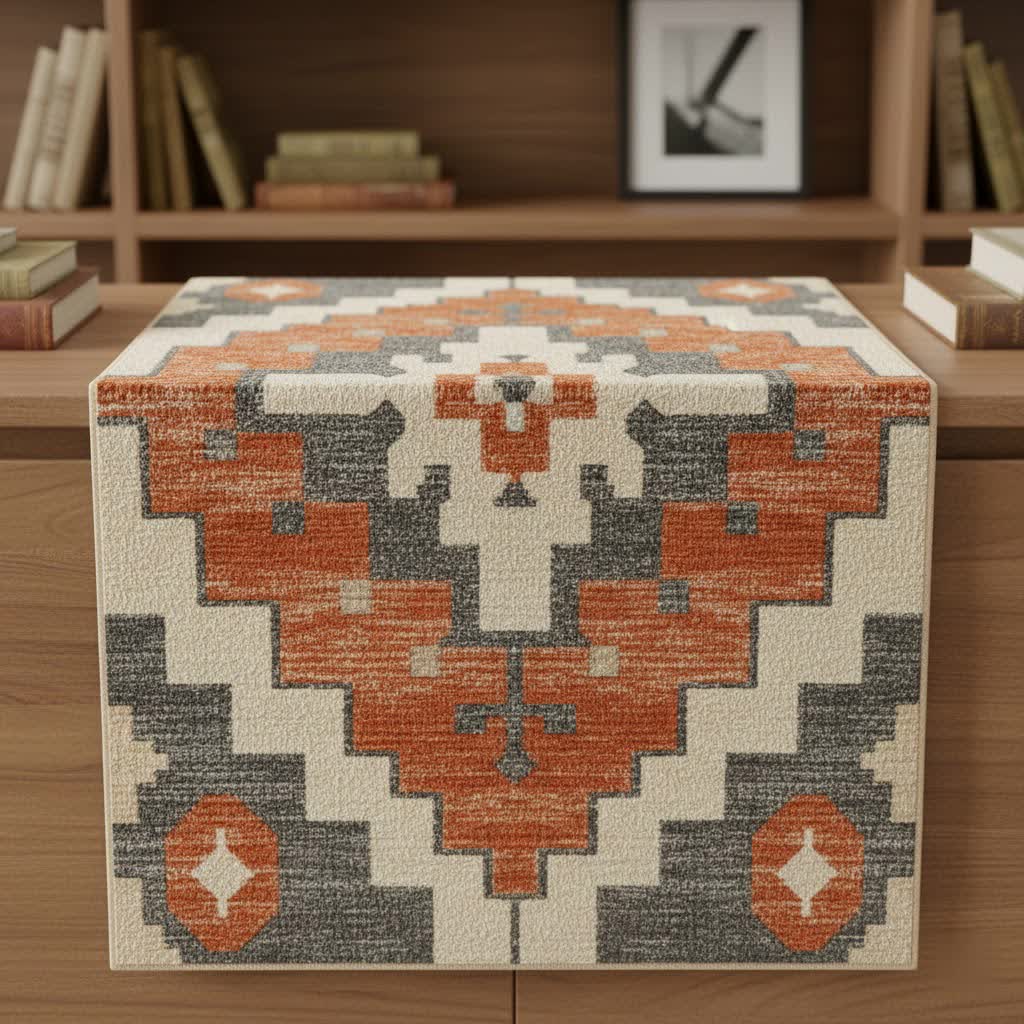
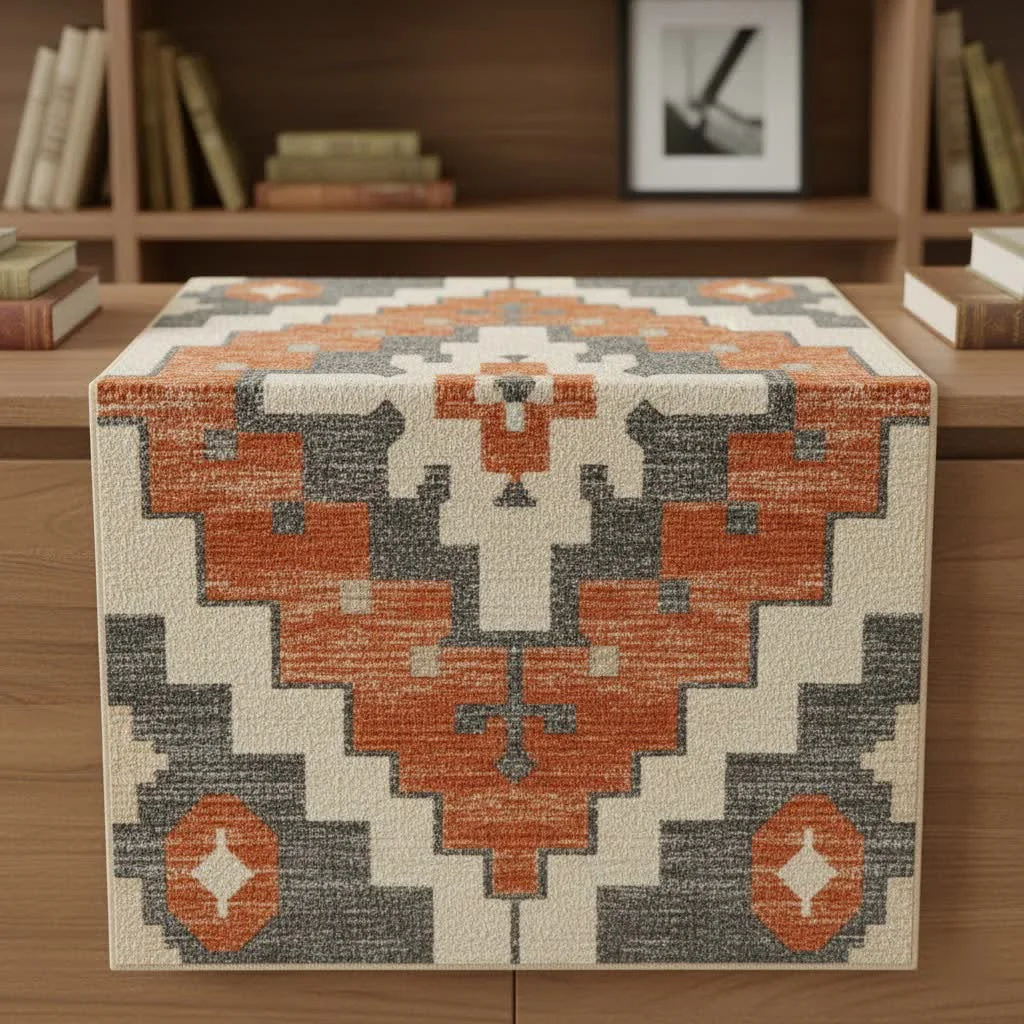
Berber carpet is a unique style of carpet recognized by its looped construction. Unlike cut-pile carpets where yarn ends are exposed, Berber features continuous loops that create a dense, textured surface. Its name is inspired by the hand-woven rugs crafted by the Berber people of North Africa, known for their distinctive knot patterns. Historically, these rugs often featured light, natural tones with flecks of darker colors, a characteristic that modern Berber carpet often emulates, though contemporary versions now come in a wide array of solid and multi-colored designs. This looped construction is key to its renowned durability and appearance.
Types of Berber Carpet
The versatility of Berber carpet extends to the materials it can be made from, which significantly impacts its performance, feel, and cost. Understanding the different fiber types is crucial for selecting the ideal Berber carpet for your home.
Natural Fiber Berber: Wool
Wool Berber carpet is considered the premium option, offering a luxurious feel and exceptional natural properties.
- Advantages:
- Softness and Comfort: Offers a plush, soft feel underfoot, providing excellent comfort.
- Natural Aesthetics: Possesses a rich, organic appearance that adds elegance to any space.
- Hypoallergenic: Naturally resists dust mites and is a good choice for allergy sufferers.
- Excellent Resilience: Naturally crimped fibers retain their shape, resisting crushing and matting.
- Fire Resistant: Wool is naturally flame retardant.
- Disadvantages:
- Higher Cost: Wool is significantly more expensive than synthetic alternatives.
- Moisture Sensitivity: Can absorb moisture, making it susceptible to mildew in damp environments if not properly cared for.
- Stain Vulnerability: While natural oils offer some resistance, wool can be prone to certain stains if not treated promptly.
- When to Choose: Ideal for living rooms, bedrooms, and areas where comfort and natural elegance are prioritized, and budget allows for a premium investment.
Synthetic Fiber Berber: Nylon, Olefin (Polypropylene), Polyester
|
Our Picks for the Best Floor Rug in 2026
As an Amazon Associate I earn from qualifying purchases.
|
||
| Num | Product | Action |
|---|---|---|
| 1 | Ophanie Black Area Rugs for Bedroom Living Room, 4x6 Fluffy Fuzzy Shag Shaggy Carpet Soft Plush Furry Bedside Rug, Indoor Floor Rug for Kids Girls Boys Home Decor Aesthetic, Dorm Nursery |

|
| 2 | OLANLY Area Rugs for Living Room Bedroom, Machine Washable 4x5.9 ft Soft Fluffy Shaggy Bedside Rug, Indoor Floor Carpet for Kids Girls and Boys, Dorms, Nursery Rooms, Home Decor Aesthetic, Beige |
|
| 3 | OLANLY Area Rugs for Living Room Bedroom, Machine Washable 4x5.9 ft Soft Fluffy Shaggy Bedside Rug, Indoor Floor Carpet for Kids Girls and Boys, Dorms, Nursery Rooms, Home Decor Aesthetic, Burgundy |
|
| 4 | OLANLY Area Rugs for Living Room Bedroom, Machine Washable 4x5.9 ft Soft Fluffy Shaggy Bedside Rug, Indoor Floor Carpet for Kids Girls and Boys, Dorms, Nursery Rooms, Home Decor Aesthetic, Grey |
|
| 5 | Ophanie Blue Rug, Boys 4x6 Rugs for Bedroom Royal Dark Blue Carpet Nursery Aesthetic, Kids Playroom Navy Area Rugs for Girls Teen Home Decor, Fluffy Shag Bedside Floor Living Room Carpet |
|
| 6 | OLANLY Area Rugs for Living Room Bedroom, Machine Washable 4x5.9 ft Soft Fluffy Shaggy Bedside Rug, Indoor Floor Carpet for Kids Girls and Boys, Dorms, Nursery Rooms, Home Decor Aesthetic, Black |
|
| 7 | Ophanie Area Rugs for Bedroom, Christmas Upgrade Non-Slip Ivory Fluffy Soft Shag Living Room Carpet, Indoor Floor 4x6 Fuzzy Shaggy Living Room Plush Nursery Rug for Kids Home Dorm Decor Aesthetic |
|
| 8 | OLANLY Area Rugs for Living Room Bedroom, Machine Washable 4x5.9 ft Soft Fluffy Shaggy Bedside Rug, Indoor Floor Carpet for Kids Girls and Boys, Dorms, Nursery Rooms, Home Decor Aesthetic, Blush |
|
| 9 | OLANLY Area Rugs for Living Room Bedroom, Machine Washable 4x5.9 ft Soft Fluffy Shaggy Bedside Rug, Indoor Floor Carpet for Kids Girls and Boys, Dorms, Nursery Rooms, Home Decor Aesthetic, Coffee |
|
| 10 | Ophanie Area Rugs for Living Room Bedroom, Upgrade Non-Slip Fluffy Soft Grey Shag Carpet, Indoor Floor Gray 4x6 Fuzzy Shaggy Living Room Plush Rug for Kids Home Dorm Decor Aesthetic |
|
Synthetic fibers make Berber carpet more accessible and offer a range of performance characteristics suited to various needs.
Nylon Berber
Nylon is one of the most popular synthetic fibers for carpeting due to its balance of durability and comfort.
- Advantages:
- Exceptional Durability: Highly resilient and resistant to crushing and matting, making it excellent for high-traffic areas.
- Stain Resistance: Often treated with stain-resistant coatings, making spills easier to clean.
- Good Softness: Offers a relatively soft feel, comparable to some natural fibers.
- Color Retention: Resists fading and maintains its color vibrancy over time.
- Disadvantages:
- Higher Cost (compared to other synthetics): More expensive than olefin or polyester.
- Static Electricity: Can sometimes generate static cling, though many are treated to reduce this.
- When to Choose: Perfect for busy family rooms, hallways, and commercial settings where durability and appearance retention are key.
Olefin (Polypropylene) Berber
Olefin is a budget-friendly option, particularly known for its resistance to moisture and stains.
- Advantages:
- Cost-Effective: Generally the most affordable synthetic fiber.
- Excellent Stain and Moisture Resistance: Olefin fibers are hydrophobic, meaning they repel water and are highly resistant to water-based stains, mildew, and fading.
- Durability in Loops: The looped construction enhances its inherent durability for wear.
- Disadvantages:
- Rougher Texture: Can feel less soft and sometimes rough underfoot compared to nylon or wool.
- Crushing/Matting: Less resilient than nylon or wool, making it prone to matting and crushing in heavy traffic areas, especially if the loops are larger.
- Oil Stains: While resistant to water-based stains, it can be difficult to clean oil-based stains as olefin is oleophilic (attracts oil).
- When to Choose: Best suited for basements, playrooms, and areas where moisture or budget is a primary concern, and a slightly firmer feel is acceptable.
Polyester Berber
Polyester offers a good balance of softness and stain resistance, often at a mid-range price point.
- Advantages:
- Softness: Known for its luxurious softness, making it comfortable underfoot.
- Stain Resistance: Excellent resistance to most water-soluble stains.
- Vibrant Colors: Dyes well, allowing for a wide range of rich and vibrant colors.
- Disadvantages:
- Less Resilient: Not as durable or resilient as nylon, making it more prone to crushing and matting in high-traffic areas.
- Oil Stains: Similar to olefin, polyester can struggle with oil-based stains.
- When to Choose: Ideal for low to medium-traffic areas like bedrooms or formal dining rooms where softness and aesthetics are prioritized.
Pros and Cons of Berber Carpet
Like any flooring choice, Berber carpet comes with its own set of advantages and disadvantages. Weighing these carefully will help determine if it aligns with your household’s needs.
Advantages of Berber Carpet
Berber carpet’s distinctive looped structure brings several compelling benefits:
- Exceptional Durability: The tight, continuous loops make Berber incredibly resilient to wear and tear. It stands up remarkably well to heavy foot traffic, making it a popular choice for busy households, hallways, and commercial spaces. Many Berbers can last 15-20 years with proper care.
- Excellent Stain and Spill Resistance: Due to its tightly woven surface, liquids tend to bead on top of Berber carpet rather than immediately soaking into the fibers. This provides a crucial window of time for quick cleanup, helping to prevent stains from setting.
- Effective at Hiding Dirt and Imperfections: The characteristic flecked or multi-colored patterns often found in Berber carpet are masters at camouflaging dirt, crumbs, and minor imperfections between cleanings, maintaining a tidy appearance longer.
- Cost-Effectiveness: When made from synthetic fibers like olefin or nylon, Berber carpet can be a highly budget-friendly flooring option compared to many other carpet styles or hard surface choices, offering significant value for its durability.
- Versatile Aesthetics: Available in a wide range of colors and patterns, from traditional flecked naturals to modern solid hues and varying loop heights, Berber can complement diverse interior design styles, from rustic to contemporary.
Disadvantages of Berber Carpet
Despite its many benefits, Berber carpet also has specific drawbacks that potential buyers should consider:
- Prone to Snagging and Unraveling (Zippering): The looped construction, while durable, can be vulnerable to snags. Pet claws, sharp objects, or even dragging heavy furniture can catch a loop, potentially pulling it out and causing a “zipper” effect where an entire row unravels. This can be challenging and costly to repair.
- Firmer Feel Underfoot: Compared to plush, cut-pile carpets, Berber generally offers a firmer, less cushioned feel. While some appreciate its sturdy texture, others may find it less comfortable for bare feet, especially in areas like bedrooms where softness is desired.
- Challenging for Pet Owners: Due to the snagging risk posed by pet claws, Berber carpet is often not recommended for homes with active pets, particularly cats and dogs with untrimmed nails.
- Difficulty with Deep or Oily Stains: While surface spills are easy to clean, once a stain, especially an oil-based one, penetrates the tight loops, it can be significantly harder to remove completely. Olefin Berbers are particularly susceptible to attracting and retaining oil-based stains.
- Specific Vacuuming Requirements: Standard vacuum cleaners with aggressive rotating beater bars can potentially damage the loops of Berber carpet, leading to fuzzing or unraveling. Care must be taken to use a vacuum with adjustable height settings or to disable the beater bar.
“Berber carpet’s durability for high-traffic areas is undeniable, but homeowners must be mindful of its susceptibility to snagging, especially in homes with pets or heavy furniture.” – Emma Roberts, Senior Interior Designer at Elite Floors
Choosing the Right Berber Carpet: A Buying Guide
Selecting the perfect Berber carpet involves more than just liking its appearance. Consider these factors to ensure your choice meets your functional and aesthetic needs.
Identify Usage Needs
Before anything else, consider where the carpet will be installed and how it will be used.
- Traffic Level: For high-traffic areas like living rooms, hallways, and stairs, opt for a high-quality nylon or a dense wool Berber to maximize durability and resilience.
- Comfort vs. Practicality: In bedrooms or areas where bare feet are common, a wool or higher-grade nylon Berber will offer more softness. For basements or utility rooms, the ruggedness and moisture resistance of olefin might be more practical.
- Pets: If you have pets, particularly those with sharp claws, Berber carpet might not be the best choice due to the snagging risk. Consider a very tight, low-loop Berber or alternative flooring options.
- Sunlight Exposure: If the area receives a lot of direct sunlight, choose a fiber known for its fade resistance, such as nylon or olefin.
Fiber Type Matters
As discussed, the fiber material significantly influences the carpet’s performance.
- Wool: For ultimate luxury, natural feel, and high-end durability, if budget is not a constraint.
- Nylon: The best all-around synthetic for durability, resilience, and good stain resistance, suitable for most residential applications.
- Olefin (Polypropylene): An excellent budget-friendly choice for stain and moisture resistance, ideal for basements, though less resilient to crushing in very high-traffic zones.
- Polyester: Offers excellent softness and stain resistance for low to medium-traffic areas.
Color and Pattern Options
Berber carpet comes in a variety of looks that can impact your room’s aesthetic and maintenance.
- Traditional Flecked: The classic look, often in neutral tones with darker flecks, is excellent for hiding dirt and creating a cozy, informal atmosphere.
- Solid Colors: Modern Berbers are available in solid colors, offering a cleaner, more contemporary look. Be mindful that solid, light colors will show dirt more readily.
- Patterned Loops: Some Berbers feature varying loop heights, creating subtle patterns that add visual interest and can also help disguise minor soiling.
- Matching with Interior: Choose a color and pattern that complements your existing furniture, wall colors, and overall interior design theme. Neutral tones offer the most flexibility.
Budgeting and Installation
Berber carpet can range widely in price, primarily based on the fiber type and quality.
- Material Cost: Wool is the most expensive, followed by nylon, then polyester, and finally olefin.
- Installation: Berber carpet installation can be more challenging than some other carpet types, especially ensuring seamless transitions and preventing snags during installation. It’s often recommended to hire a professional installer to avoid issues like visible seams or unraveling loops.
Berber Carpet vs. Other Carpet Types
To help you make an informed decision, let’s compare Berber carpet to other common carpet styles.
| Feature | Berber Carpet (Loop Pile) | Plush/Velvet Carpet (Cut Pile) | Frieze Carpet (Twisted Cut Pile) | Shag Carpet (Long Cut Pile) |
|---|---|---|---|---|
| Construction | Uncut loops, tight and dense | Short, dense, even cut piles, smooth surface | Tightly twisted, crimped cut piles | Long, loose cut piles |
| Durability | Very High: Excellent for high-traffic, resists crushing | Moderate: Shows foot traffic and vacuum marks, prone to crushing | High: Resists crushing and hides foot traffic | Low: Prone to matting and crushing |
| Comfort | Firmer feel, less cushioned | Soft, luxurious, smooth feel | Medium soft, bouncy, textured feel | Very soft, informal, cozy feel |
| Stain Hiding | Good (especially flecked) | Poor: Shows stains and dirt easily | Very Good: Irregular texture hides stains and dirt | Moderate: Can hide some dirt, but difficult to clean deep |
| Maintenance | Relatively easy surface cleaning, careful vacuuming needed | Regular vacuuming, professional cleaning recommended for appearance | Easy vacuuming, hides dirt well | Difficult to vacuum and clean |
| Pets | Not ideal (snagging risk) | Generally good (no loops to snag) | Good | Not ideal (can trap pet hair, difficult to clean) |
| Aesthetics | Casual to traditional, textured, natural look | Formal, elegant, sophisticated | Casual, contemporary, textured, shaggy look | Ultra-casual, retro, distinctive, playful |
| Price | Moderate to high (depending on fiber) | Moderate to high | Moderate to high | Moderate |
| Best For | High-traffic areas, basements, active households, casual settings | Bedrooms, formal living rooms, low-traffic areas | Family rooms, high-traffic areas, modern informal settings | Bedrooms, dens, low-traffic areas, accent rugs |
Maintaining Your Berber Carpet: Cleaning & Care Tips
Proper care is essential to preserve the beauty and longevity of your Berber carpet. Its unique looped construction requires specific cleaning methods.
Regular Cleaning
Consistency is key for maintaining Berber carpet.
- Vacuum Frequently: Vacuum high-traffic areas at least twice a week and other areas weekly. Use a vacuum with strong suction and disable the beater bar or rotating brush. The aggressive action of a beater bar can snag and damage the loops, leading to unraveling. If your vacuum doesn’t have this feature, consider using a suction-only vacuum or adjusting the height setting to its highest.
- Go Slow and Make Multiple Passes: Move the vacuum slowly to allow it to effectively pull dirt and debris from the tight loops. Make several passes over the same area, varying directions, to ensure thorough cleaning.
- Use Doormats: Place doormats at all entrances to trap dirt and moisture before it reaches your carpet, significantly reducing overall soiling.
Tackling Stains
Act quickly when spills occur on Berber carpet, as liquids tend to sit on the surface, offering a window for intervention.
- Blot, Don’t Rub: For liquid spills, immediately blot the area with a clean, white cloth or paper towel. Rubbing can spread the stain, push it deeper into the fibers, and damage the carpet texture.
- General Stain Solution: For most common spills, mix equal parts white distilled vinegar and plain water. Dampen a clean cloth with the solution and gently blot the stain, working from the outside in. Follow with blotting with a cloth dampened with plain water, then a dry cloth to absorb excess moisture.
- Pet Urine: For pet accidents, immediately absorb as much liquid as possible. Sprinkle baking soda liberally over the damp area, let it sit for 15-30 minutes to absorb odor, then vacuum. Follow with a half water/half vinegar mixture, rub gently, blot dry, and vacuum again once dry.
- Oil-Based Stains: These can be particularly challenging for olefin Berbers. For fresh oil stains, sprinkle cornstarch or baking soda to absorb the oil, let sit for 15-30 minutes, then vacuum. Follow with a specialized carpet spot remover designed for oil, always testing in an inconspicuous area first.
- Avoid Harsh Chemicals and Excessive Moisture: Never use bleach on Berber carpet, as it can cause discoloration. Avoid over-saturating the carpet with water or cleaning solutions, as moisture trapped in the loops can lead to mildew or damage the backing. Always ensure the carpet is thoroughly dried after cleaning.
- Professional Cleaning: Schedule professional carpet cleaning every 12 to 18 months, or more frequently for high-traffic areas. Professionals have specialized equipment that can effectively clean Berber carpet without causing damage, including hot water extraction (steam cleaning) which is excellent for nylon and wool but should be avoided for olefin.
Preventing Damage
Proactive measures can help extend the life and appearance of your Berber carpet.
- Protect from Snags: Trim pet claws regularly. Use furniture glides under heavy furniture to prevent snags when moving items. Be cautious with sharp objects.
- Address Snags Immediately: If a loop snags, do not pull it. Instead, carefully trim the raised loop with small scissors to prevent further unraveling.
- Rotate Furniture: Periodically rearrange furniture to distribute foot traffic and prevent concentrated wear in specific areas, which can lead to matting.
- Avoid Direct Sunlight: Prolonged exposure to direct sunlight can cause fading, especially in non-UV-treated fibers. Use blinds, curtains, or UV-protective window films.
Conclusion
Berber carpet offers a compelling blend of durability, stain resistance, and a distinctive textured aesthetic that can enhance various home environments. Its looped construction, inspired by ancient weaving traditions, makes it an excellent choice for high-traffic areas where longevity and easy surface cleaning are paramount. However, understanding its specific needs—particularly regarding potential snagging, vacuuming techniques, and stain removal—is crucial for its long-term enjoyment. By considering the fiber type, embracing proper maintenance, and being mindful of its unique characteristics, you can ensure your Berber carpet remains a beautiful and functional foundation for your home for years to come.
Are you ready to transform your space with the timeless appeal and robust performance of Berber carpet, or are other carpet styles better suited to your unique household needs?
Frequently Asked Questions
Is Berber carpet a good choice for homes with pets?
Berber carpet can be problematic for homes with pets, especially those with sharp claws, as its looped construction is highly susceptible to snagging. A snagged loop can easily unravel, leading to damage. While durable, the risk of “zippering” makes it less ideal for pet owners than cut-pile options.
How do I prevent snags and unraveling in my Berber carpet?
To prevent snags, regularly trim pet claws, use furniture glides when moving heavy items, and avoid dragging sharp objects across the carpet. If a snag occurs, resist pulling it; instead, carefully trim the raised loop flush with the carpet surface using small scissors.
Can I use a steam cleaner on my Berber carpet?
Whether you can steam clean Berber carpet depends on its fiber type. Nylon and wool Berber can typically be steam cleaned effectively by professionals. However, olefin (polypropylene) Berber carpets generally cannot withstand the high heat of steam cleaning and should be shampooed or hot-water extracted with specific solutions to avoid damage.
What is the best type of vacuum for Berber carpet?
For Berber carpet, it’s best to use a vacuum with strong suction and to disable the rotating beater bar or brush. A beater bar can catch and pull the carpet loops, causing damage. If your vacuum doesn’t have this feature, choose a model with adjustable height settings and set it to the highest pile setting, or opt for a suction-only model.
How long does Berber carpet typically last?
With proper care and maintenance, including regular vacuuming and prompt stain removal, a high-quality Berber carpet can last between 15 to 20 years. Its inherent durability and resistance to wear make it one of the longer-lasting carpet options available.
Is Berber carpet comfortable to walk on barefoot?
Berber carpet generally has a firmer, less plush feel than other carpet styles like Saxony or Frieze. While some find its sturdy texture comfortable, others may prefer a softer, more cushioned feel, especially in bedrooms. The softness can also vary depending on the fiber material, with wool typically being softer than olefin.
Pet products vetted on real animals
Free PDF — protein DMB calculator + 18 dog foods rated.
