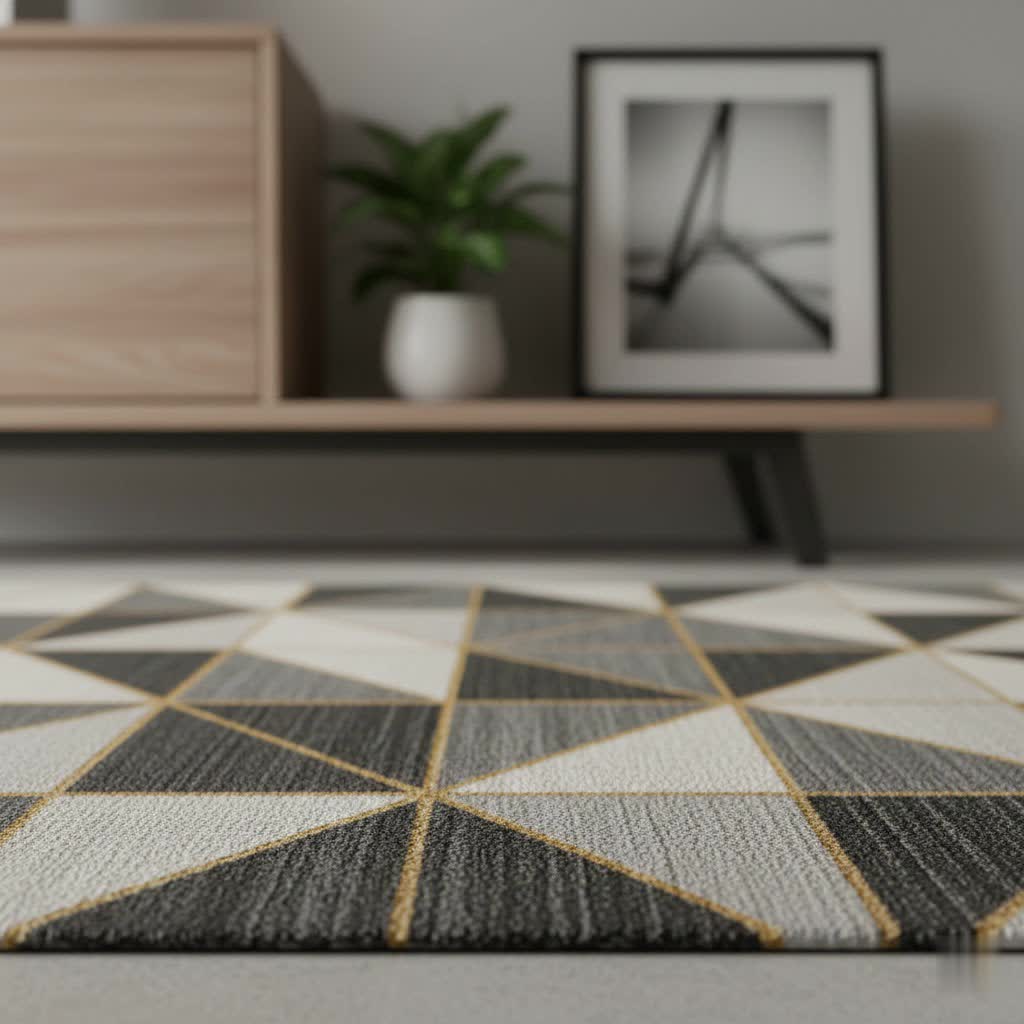
Stepping into a living room that feels truly complete often begins with one foundational element: the area rug. More than just a floor covering, a well-chosen rug can define your space, infuse warmth, dampen noise, and serve as a central piece that harmonizes all your décor. If you’ve ever felt overwhelmed by the sheer variety of options—from materials and patterns to sizes and textures—you’re not alone. This guide distills years of expertise to help you navigate the world of living area rugs, ensuring you make a choice that’s both beautiful and perfectly suited to your lifestyle.
Popular Living Area Rug Types
The material of your living area rug dictates much about its look, feel, durability, and care requirements. Understanding the common types, both natural and synthetic, is the first step toward finding your ideal match. For browse all home decor articles on this site.
Natural Fiber Rugs
Natural fibers offer unique textures, eco-friendly appeal, and often a luxurious touch. They bring an organic warmth that synthetic options sometimes can’t replicate.
- Wool Rugs: Renowned for their exceptional durability, softness, and natural stain resistance, wool rugs are a perennial favorite. They provide excellent insulation, are inherently flame-resistant, and can even help purify the air by trapping dust and allergens. Wool naturally wicks away moisture and resists mold and dust mites. While an investment, a quality wool rug can last for decades, becoming a cherished heirloom. However, some wool rugs can be expensive and may experience initial shedding.
- Cotton Rugs: Offering a softer feel and often a more casual aesthetic than wool, cotton rugs are comfortable and add rich texture to any space. They are generally easy to clean, making them a practical choice for many homes. The trade-off is that cotton fibers can be prone to breaking down faster than more robust materials.
- Jute and Sisal Rugs: These natural fiber rugs provide an earthy, organic appeal with a distinct texture. They are typically very durable and environmentally friendly, often coming at a more budget-conscious price point. Their neutral tones make them excellent for layering with other rugs or bolder decor. Be aware that jute and sisal can feel rougher underfoot and are less forgiving with moisture. While jute tends to shed minimally, it’s a hardy option perfect for casual spaces or sunrooms.
- Silk Rugs: For an unparalleled sense of luxury and elegance, silk rugs are an exquisite choice. Known for their soft sheen and capacity for intricate, detailed designs, they create a polished look. Silk is a delicate fiber, however, requiring careful placement and specialized cleaning to maintain its beauty.
- Other Natural Fibers: You might also encounter rugs made from hemp, which offers a coarse, durable texture, or bamboo slat and seagrass, known for their firm and textured finishes.
Synthetic Fiber Rugs
|
Our Picks for the Best Floor Rug in 2026
As an Amazon Associate I earn from qualifying purchases.
|
||
| Num | Product | Action |
|---|---|---|
| 1 | OLANLY Area Rugs for Living Room Bedroom, Machine Washable 4x5.9 ft Soft Fluffy Shaggy Bedside Rug, Indoor Floor Carpet for Kids Girls and Boys, Dorms, Nursery Rooms, Home Decor Aesthetic, Blush |

|
| 2 | OLANLY Area Rugs for Living Room Bedroom, Machine Washable 4x5.9 ft Soft Fluffy Shaggy Bedside Rug, Indoor Floor Carpet for Kids Girls and Boys, Dorms, Nursery Rooms, Home Decor Aesthetic, Grey |
|
| 3 | OLANLY Area Rugs for Living Room Bedroom, Machine Washable 4x5.9 ft Soft Fluffy Shaggy Bedside Rug, Indoor Floor Carpet for Kids Girls and Boys, Dorms, Nursery Rooms, Home Decor Aesthetic, Coffee |
|
| 4 | OLANLY Area Rugs for Living Room Bedroom, Machine Washable 4x5.9 ft Soft Fluffy Shaggy Bedside Rug, Indoor Floor Carpet for Kids Girls and Boys, Dorms, Nursery Rooms, Home Decor Aesthetic, Burgundy |
|
| 5 | OLANLY Area Rugs for Living Room Bedroom, Machine Washable 4x5.9 ft Soft Fluffy Shaggy Bedside Rug, Indoor Floor Carpet for Kids Girls and Boys, Dorms, Nursery Rooms, Home Decor Aesthetic, Beige |
|
| 6 | OLANLY Area Rugs for Living Room Bedroom, Machine Washable 4x5.9 ft Soft Fluffy Shaggy Bedside Rug, Indoor Floor Carpet for Kids Girls and Boys, Dorms, Nursery Rooms, Home Decor Aesthetic, Black |
|
| 7 | Ophanie Blue Rug, Boys 4x6 Rugs for Bedroom Royal Dark Blue Carpet Nursery Aesthetic, Kids Playroom Navy Area Rugs for Girls Teen Home Decor, Fluffy Shag Bedside Floor Living Room Carpet |
|
| 8 | Ophanie Black Area Rugs for Bedroom Living Room, 4x6 Fluffy Fuzzy Shag Shaggy Carpet Soft Plush Furry Bedside Rug, Indoor Floor Rug for Kids Girls Boys Home Decor Aesthetic, Dorm Nursery |
|
| 9 | Ophanie Area Rugs for Bedroom, Christmas Upgrade Non-Slip Ivory Fluffy Soft Shag Living Room Carpet, Indoor Floor 4x6 Fuzzy Shaggy Living Room Plush Nursery Rug for Kids Home Dorm Decor Aesthetic |
|
| 10 | Ophanie Area Rugs for Living Room Bedroom, Upgrade Non-Slip Fluffy Soft Grey Shag Carpet, Indoor Floor Gray 4x6 Fuzzy Shaggy Living Room Plush Rug for Kids Home Dorm Decor Aesthetic |
|
Engineered for performance and affordability, synthetic rugs are designed to withstand the demands of modern living, often boasting superior stain resistance and ease of care.
- Nylon Rugs: Nylon is celebrated for its firm, durable, and resilient nature, making it an excellent choice for high-traffic areas. It holds up well against wear and tear, offering a long-lasting solution for busy households.
- Polyester Rugs: Providing a comfortable and long-lasting option, polyester rugs are known for their soft feel and versatility. They are often featured in washable rug designs due to their inherent stain resistance and ease of maintenance. While durable, some polyester rugs may show signs of wear over extended periods compared to natural alternatives.
- Polypropylene Rugs: Also known as olefin, polypropylene is highly versatile, resilient, and notably affordable. It’s exceptionally stain-resistant and can withstand heavy foot traffic, making it ideal for homes with children and pets. This material also resists fading in direct sunlight, though it can be less breathable than natural fibers and may require regular cleaning to prevent moisture or odor buildup.
- Acrylic Rugs: Acrylic rugs offer an affordable alternative with good stain resistance and a wool-like appearance. They provide a soft touch and can mimic the texture of natural fibers.
- Viscose Rugs: Viscose provides a soft, smooth, and polished look, often used to create rugs with a silken sheen. While aesthetically pleasing, viscose can be challenging to clean effectively, and stains may be difficult to remove.
- Blended or Machine-Made Rugs: Many contemporary rugs combine natural and synthetic materials to leverage the best properties of both. These blends often offer a balance of softness, durability, and affordability, available in a vast array of colors and patterns to suit various design trends.
Decorative Rugs
Beyond their functional role, living area rugs are powerful decorative elements that can transform a room’s aesthetic.
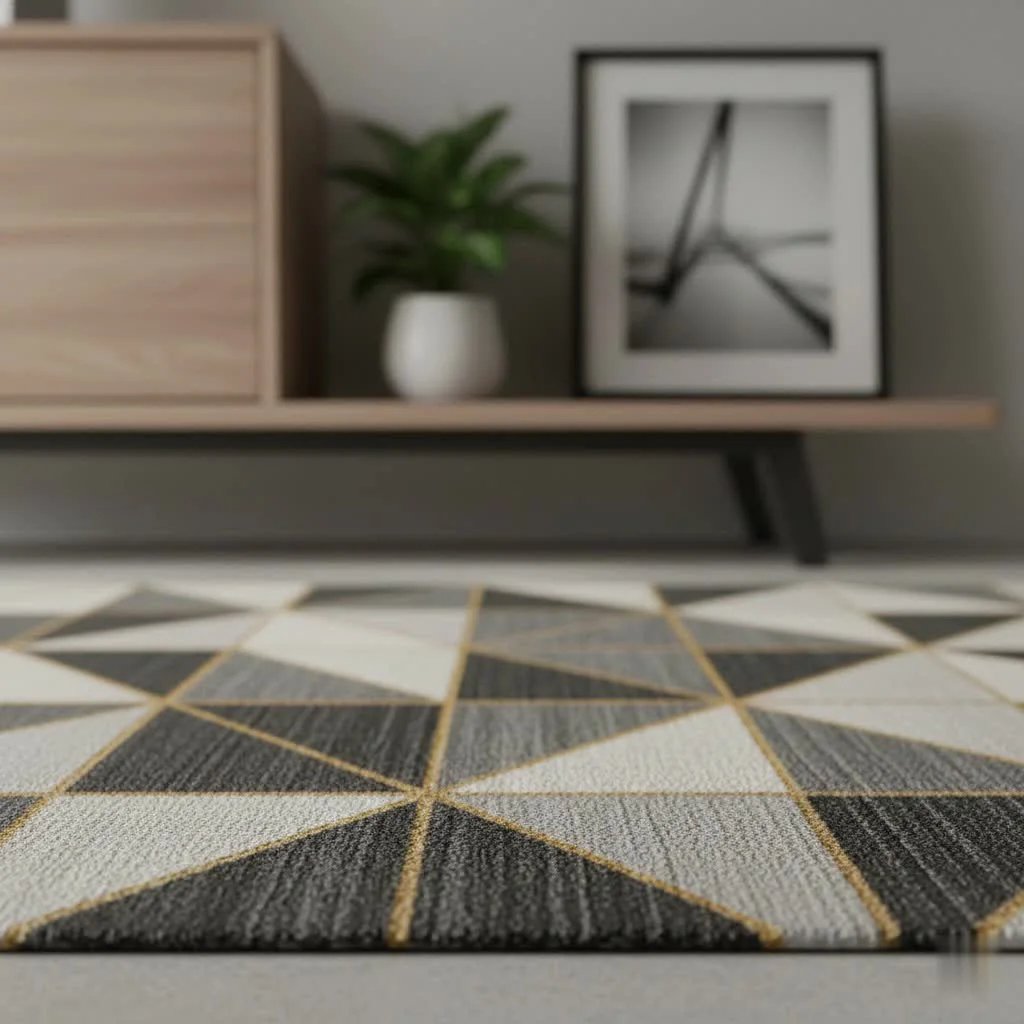
- Popular Design Styles: The market offers an expansive range of styles, from modern geometrics and minimalist neutrals to vintage-inspired Persian and Moroccan designs, bold statement prints, and textured looks. Bohemian, abstract, floral, Southwestern, and checkered patterns are also popular choices that can add visual interest.
- Choosing for Your Space: A rug can serve as a captivating focal point or subtly blend into your existing decor. Consider your room’s current color scheme, flooring, and the overall mood you wish to create. If your furniture is mostly neutral, a colorful or boldly patterned rug can become a stylish anchor. Conversely, if your room already features vibrant art or upholstery, a simpler rug in a coordinating tone will foster harmony. Repeating colors found elsewhere in your room, such as in curtains or artwork, can create a cohesive and intentional look. Light-colored rugs can make a room feel larger and more open, while darker or richly hued rugs add depth and a cozy, grounded ambiance. Patterned rugs are also excellent for disguising everyday dirt and minor stains in high-traffic areas.
Your Essential Living Area Rug Buying Guide
Selecting the right living area rug requires careful consideration of your needs, the space, and how the rug will integrate with your existing design.
Identify Usage Needs
Before you begin shopping, think about how your living room is used daily.
- Determine the Right Rug Size for Your Space: A common mistake is choosing a rug that’s too small, making the room feel disjointed. A good rule of thumb is to “go bigger than you think.” For most living rooms, the rug should anchor the entire seating area. Aim for at least the front legs of all major furniture pieces, such as sofas and armchairs, to rest on the rug. Ideally, all furniture legs should sit entirely on the rug for a more unified look. Leave approximately 6 to 18 inches of exposed floor between the edge of the rug and the walls to create a balanced border. Standard living room rug sizes are typically 8×10 feet or 9×12 feet. For smaller rooms, 5×3 or 6×9-foot rugs might be more appropriate. If your furniture floats in the middle of the room, opt for a larger rug that fits fully under all pieces to create a defined zone. Also, ensure there is at least 30 to 36 inches of clear walkway space between large furniture items, if your room allows for it.
- Choose the Right Material for Your Purpose: Consider the level of foot traffic in your living room. High-traffic areas, especially in homes with children or pets, benefit from durable and easy-to-clean materials like polypropylene, nylon, or wool. For a luxurious feel in a quieter space, wool or a wool-blend might be ideal. Washable rugs made from synthetic fibers are excellent for active households, as they offer easy cleanup for spills and dirt.
- Select Colors and Patterns that Complement Your Interior: The rug’s color and pattern should enhance, not clash with, your existing decor. A rug can introduce a pop of color, soften hard lines, or add a layer of visual interest. Look for patterns that resonate with your personal style and contribute to the room’s overall aesthetic.
Compare Prices and Brands
Investing in a quality rug can significantly impact your living space.
- Reputable Rug Brands: Look for brands known for their craftsmanship and quality. Some well-regarded names include Ruggable (known for washable rugs), Revival Rugs (for wool and jute options), Dash and Albert (cotton flatweaves), West Elm (performance synthetics), and Safavieh (pet-friendly polypropylene).
- Average Price Range: The cost of a living area rug varies widely based on size, material, and construction. A quality 8×10 foot rug can range from $500 to $1,000, while smaller or synthetic options may be more affordable, starting from $30. Handcrafted rugs and natural fibers like wool and silk will generally be at the higher end of the spectrum. Consider your budget alongside the rug’s expected lifespan and durability.
- Tips for Finding Value: Keep an eye out for sales, consider synthetic or blended options for cost-effectiveness, and read reviews to ensure you’re getting a durable product. Sometimes, investing a bit more upfront in a durable material can save money on replacements in the long run.
Check Rug Quality
A rug’s quality extends beyond its material; construction and finish are equally important.
- Identifying Quality: Examine the rug for even pile height, consistent weaving, and a strong, non-fraying backing. For hand-knotted rugs, a higher knot count often indicates greater detail and durability.
- Online vs. In-Store Shopping: When buying online, scrutinize product images, read detailed descriptions, and pay close attention to customer reviews and ratings. Be aware that colors can sometimes vary from what appears on screen. In-store shopping allows you to feel the texture, see the true color, and inspect the construction firsthand.
- Warranty and Return Policies: Always check the warranty and return policy before purchasing, especially for larger investments. This ensures peace of mind if the rug doesn’t meet your expectations or if defects arise.
Living Area Rug Comparison Table
To help you make an informed decision, here’s a comparison of popular living area rug materials:
| Material Type | Durability | Comfort | Price Range | Aesthetics | Ideal Usage | Care Considerations |
|---|---|---|---|---|---|---|
| Wool | Excellent | Soft, luxurious, insulating | High | Rich, classic, diverse patterns | High-traffic living areas, bedrooms, formal spaces | Regular vacuuming, professional cleaning for deep stains, may shed initially |
| Cotton | Good | Soft, breathable | Medium | Casual, natural, often flatweave | Low to medium-traffic areas, bedrooms, casual living | Easy to clean, some are machine washable |
| Jute/Sisal | Very Good | Firm, textured, not soft | Low to Medium | Natural, earthy, rustic, neutral tones | Casual living areas, dining rooms, sunrooms, layering | Vacuum regularly, avoid excessive moisture, spot clean carefully |
| Nylon | Excellent | Moderate to soft | Medium | Wide range of colors and patterns | High-traffic areas, family rooms | Stain-resistant, easy to clean, highly durable |
| Polyester | Good | Soft, plush, comfortable | Low to Medium | Vibrant colors, often used in shag/washable rugs | Medium-traffic areas, bedrooms, washable options for pets/kids | Stain-resistant, easy to clean, may show wear over time |
| Polypropylene | Excellent | Moderate | Low | Wide variety of styles, fades less | High-traffic areas, homes with kids/pets, indoor/outdoor | Very stain-resistant, easy to clean, less breathable |
| Wool Blend (e.g., w/ Viscose) | Very Good | Soft, cushy, less scratchy than pure wool | Medium to High | Elegant, refined, diverse patterns | Moderate-traffic areas | Similar to wool, may require professional cleaning |
Living Area Rug Cleaning and Maintenance Tips
Proper care ensures your living area rug remains beautiful and functional for years to come.
Regular Cleaning
Consistency is key to extending your rug’s life and maintaining its appearance.
- Vacuuming: Vacuum your rug at least once a week, and more frequently in high-traffic areas or homes with pets. Regular vacuuming prevents dirt and grime from settling deep into the fibers. For high-pile or shag rugs, consider disabling the brush roll or using an attachment to prevent snagging and reduce resistance.
- Deep Cleaning: Depending on foot traffic, deep clean your rug with a carpet cleaner at least twice a year. Always check your rug’s care tag for specific instructions before using shampoo or cleaning solutions, and dilute them as recommended. Apply with a sponge mop or soft-bristled brush, then rinse thoroughly.
- Odor Removal: For general freshening, sprinkle baking soda over the rug, let it sit for 15-30 minutes, then vacuum thoroughly.
- Rotation: Rotate your rug every few months. This practice helps ensure even wear and exposure to sunlight, preventing certain areas from flattening or fading prematurely.
Stain Removal
Act quickly when spills happen to prevent permanent damage.
- Common Stains: For most liquid spills, blot immediately with a clean, white cloth, working from the outside of the stain inward. Avoid rubbing, as this can spread the stain and push it deeper into the fibers.
- Specialized Cleaners: Keep a high-quality carpet stain remover on hand for tougher stains. Test any cleaning solution on an inconspicuous area of the rug first to ensure it doesn’t cause discoloration.
- Natural Solutions: A simple solution of one teaspoon of clear dishwashing liquid mixed with two cups of warm water can be effective for many fresh stains. For jute rugs, be cautious with cleaning supplies, as some can leave their own stains on the natural fibers.
Proper Storage
If you need to store your rug, do so correctly to prevent damage.
- Preparation: Thoroughly clean and dry your rug before storage to prevent mold, mildew, or odors.
- Rolling: Roll the rug tightly with the pile facing inward. This protects the fibers from external damage and helps the rug maintain its shape.
- Wrapping: Wrap the rolled rug in breathable fabric, such as a cotton sheet, or a specialized plastic rug bag. Avoid airtight plastic for long-term storage, as it can trap moisture.
- Location: Store the rug in a cool, dry place away from direct sunlight and excessive humidity, which can lead to fading, discoloration, or deterioration of fibers. Elevated storage can also protect against potential flooding.
“A rug should ground the furniture, not float in the middle of the room. In most spaces, your rug should extend under key furniture pieces, like the sofa, bed, or dining table.” – Slumberland Furniture Guide
Frequently Asked Questions
What is the ideal living room rug size?
The ideal living room rug size typically allows at least the front legs of your main furniture pieces (like sofas and chairs) to rest on it, with 6 to 18 inches of exposed floor around the rug’s perimeter. Common sizes include 8×10 and 9×12 feet, which help to anchor the seating area and create a cohesive look in standard living rooms.
Are washable living area rugs a good option?
Yes, washable living area rugs are an excellent option, especially for homes with high traffic, children, or pets. Made from durable synthetic materials like polyester, they are designed for easy cleaning in a washing machine, making spill and stain management significantly simpler and more convenient.
How do I prevent my living room rug from slipping?
To prevent your living room rug from slipping, always use a high-quality rug pad underneath it. A rug pad adds grip, protects your floors from scratches, provides extra cushioning, and helps extend the life of your rug by reducing friction and wear. For thin or lightweight rugs, a high-grip rubber pad is highly effective.
Pet products vetted on real animals
Free PDF — protein DMB calculator + 18 dog foods rated.
