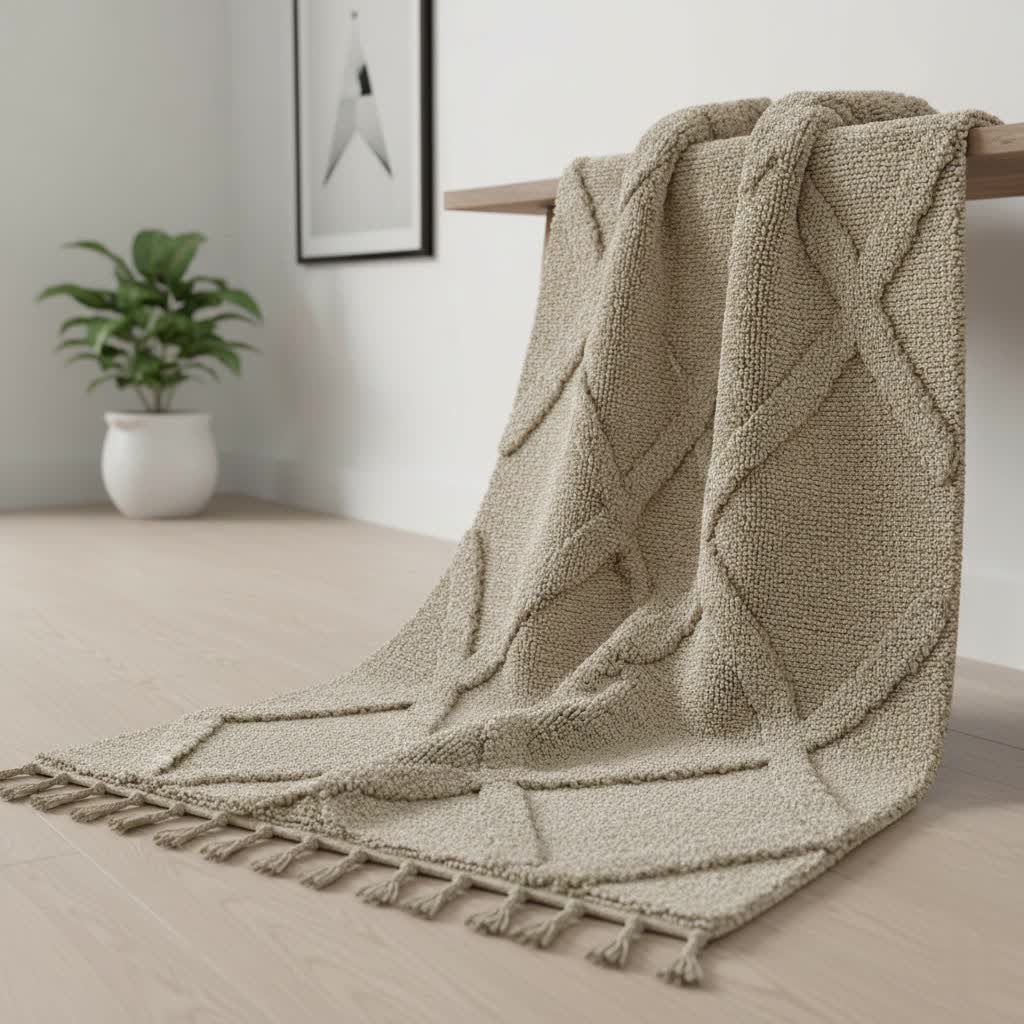
Stepping into a living room should feel like a warm embrace, a space that truly reflects your style and offers unmatched comfort. But for many, selecting the ideal carpet rug for this central hub can feel overwhelming. With countless materials, sizes, and styles available, how do you find that one piece that ties everything together, withstands daily life, and truly transforms your home? As an interior design veteran with over a decade specializing in home furnishings, particularly floor coverings, I understand these concerns. This comprehensive guide will equip you with the expert knowledge to make a confident choice, ensuring your living room rug isn’t just a purchase, but an investment in comfort and style.
Exploring Popular Floor Rug Types
The foundation of any great living room rug selection lies in understanding the materials available, each offering a unique blend of benefits and characteristics. For explore our home decor reviews on this site.
Natural Fiber Rugs
Natural fiber rugs bring an organic touch and exceptional quality to your living room, prized for their inherent beauty and resilience.
- Advantages and Disadvantages: Natural fibers like wool are celebrated for their incredible durability, softness underfoot, and excellent insulating properties, making them a cozy choice for colder climates. Cotton rugs, on the other hand, are often more affordable and easier to clean, commonly found in flat-weave styles. Jute and sisal offer a distinct, earthy texture and are very strong and renewable, though they can be less soft and more prone to staining. Luxurious silk rugs provide an unparalleled softness and subtle sheen, showcasing finer details, but come at a higher price point and require delicate care. Animal skin rugs, such as sheepskin or cowhide, offer unique pieces that are both soft and durable, often easy to spot clean.
- Common Natural Fibers:
- Wool: Known for its strength, durability, natural stain and water repellency, and insulating qualities. Ideal for high-traffic areas.
- Cotton: Generally affordable, soft, and easy to clean. Often used for flat-weave rugs.
- Sisal & Jute: Strong, renewable, and eco-friendly. They offer rich textures and neutral palettes, excellent for a casual or bohemian aesthetic.
- Silk: Exceptionally soft, lustrous, and luxurious, best suited for low-traffic areas due to its delicate nature.
- Animal Skins (e.g., Sheepskin): Provide warmth, unique texture, and a luxurious feel, often used as accent rugs in sitting areas.
- Choosing the Right Natural Fiber Rug: When considering a natural fiber rug, think about the primary use of your living room. For high-traffic areas, wool is an excellent choice due to its robustness. If you prioritize softness and a luxurious feel, silk or a plush wool blend might be more appealing for a cozy reading nook. For those seeking sustainable options with a distinctive texture, jute or sisal can add a beautiful, grounded element to your space.
Synthetic Fiber Rugs
|
Our Picks for the Best Floor Rug in 2026
As an Amazon Associate I earn from qualifying purchases.
|
||
| Num | Product | Action |
|---|---|---|
| 1 | Ophanie Area Rugs for Bedroom, Christmas Upgrade Non-Slip Ivory Fluffy Soft Shag Living Room Carpet, Indoor Floor 4x6 Fuzzy Shaggy Living Room Plush Nursery Rug for Kids Home Dorm Decor Aesthetic |

|
| 2 | Ophanie Black Area Rugs for Bedroom Living Room, 4x6 Fluffy Fuzzy Shag Shaggy Carpet Soft Plush Furry Bedside Rug, Indoor Floor Rug for Kids Girls Boys Home Decor Aesthetic, Dorm Nursery |
|
| 3 | OLANLY Area Rugs for Living Room Bedroom, Machine Washable 4x5.9 ft Soft Fluffy Shaggy Bedside Rug, Indoor Floor Carpet for Kids Girls and Boys, Dorms, Nursery Rooms, Home Decor Aesthetic, Coffee |
|
| 4 | Ophanie Area Rugs for Living Room Bedroom, Upgrade Non-Slip Fluffy Soft Grey Shag Carpet, Indoor Floor Gray 4x6 Fuzzy Shaggy Living Room Plush Rug for Kids Home Dorm Decor Aesthetic |
|
| 5 | OLANLY Area Rugs for Living Room Bedroom, Machine Washable 4x5.9 ft Soft Fluffy Shaggy Bedside Rug, Indoor Floor Carpet for Kids Girls and Boys, Dorms, Nursery Rooms, Home Decor Aesthetic, Grey |
|
| 6 | OLANLY Area Rugs for Living Room Bedroom, Machine Washable 4x5.9 ft Soft Fluffy Shaggy Bedside Rug, Indoor Floor Carpet for Kids Girls and Boys, Dorms, Nursery Rooms, Home Decor Aesthetic, Beige |
|
| 7 | OLANLY Area Rugs for Living Room Bedroom, Machine Washable 4x5.9 ft Soft Fluffy Shaggy Bedside Rug, Indoor Floor Carpet for Kids Girls and Boys, Dorms, Nursery Rooms, Home Decor Aesthetic, Burgundy |
|
| 8 | OLANLY Area Rugs for Living Room Bedroom, Machine Washable 4x5.9 ft Soft Fluffy Shaggy Bedside Rug, Indoor Floor Carpet for Kids Girls and Boys, Dorms, Nursery Rooms, Home Decor Aesthetic, Black |
|
| 9 | Ophanie Blue Rug, Boys 4x6 Rugs for Bedroom Royal Dark Blue Carpet Nursery Aesthetic, Kids Playroom Navy Area Rugs for Girls Teen Home Decor, Fluffy Shag Bedside Floor Living Room Carpet |
|
| 10 | OLANLY Area Rugs for Living Room Bedroom, Machine Washable 4x5.9 ft Soft Fluffy Shaggy Bedside Rug, Indoor Floor Carpet for Kids Girls and Boys, Dorms, Nursery Rooms, Home Decor Aesthetic, Blush |
|
Synthetic rugs have evolved significantly, now offering compelling alternatives that often mimic the desirable traits of natural fibers while providing enhanced performance.
- Advantages and Disadvantages: Synthetic fibers such as nylon, polyester, and polypropylene are celebrated for their exceptional durability, stain resistance, and ease of maintenance, making them ideal for busy households with pets or children. Many synthetic rugs are also machine washable or easily spot-cleaned, addressing common concerns about spills and dirt. They offer a vast array of colors and patterns, often at a more accessible price point than their natural counterparts. However, while improved, some synthetic rugs may not replicate the exact feel or aging characteristics of premium natural fibers.
- Common Synthetic Fibers:
- Nylon: Highly durable, resilient, and resistant to crushing, making it suitable for high-traffic zones.
- Polyester: Known for its soft texture, vibrant colors, and good stain resistance, often made from recycled materials.
- Polypropylene (Olefin): Very affordable, highly stain, fade, and moisture-resistant. A popular choice for indoor-outdoor rugs and high-traffic areas.
- Choosing the Right Synthetic Fiber Rug: If your living room sees considerable foot traffic, hosts frequent gatherings, or is home to playful pets and children, synthetic rugs are a practical and stylish solution. Their easy-care nature ensures your rug can withstand daily wear and tear without compromising on aesthetic appeal. Performance rugs, often made from a blend of synthetics, are specifically designed for resilience against spills and heavy use.
Decorative Rugs
Beyond material, the style and design of a rug play a pivotal role in shaping your living room’s ambiance and tying together your interior design scheme.
- Popular Design Styles:
- Vintage & Traditional: Featuring intricate Persian, Oriental, or classic floral patterns, often with rich colors, these rugs add timeless elegance and warmth.
- Modern & Geometric: Characterized by clean lines, abstract motifs, and bold geometric shapes, perfect for contemporary and minimalist spaces.
- Bohemian & Eclectic: Often showcasing vibrant colors, diverse patterns, and natural textures like shag or jute, creating a relaxed, free-spirited atmosphere.
- Farmhouse: Typically features natural fibers, subtle patterns, and a rustic charm, complementing cozy and inviting interiors.
- Matching Rugs to Your Space: The right decorative rug acts as an anchor for your furniture and defines the room’s mood. For a neutral room, a bold or patterned rug can inject personality and color, becoming a focal point. Conversely, in a room already rich with color and pattern, a rug with subtle tones or a minimalist design can create balance and cohesion. Consider the existing furniture styles, wall colors, and overall aesthetic you wish to achieve.
- Key Considerations:
- Color: Lighter colors can make a small room feel more expansive, while darker, richer hues define more intimate settings. Warm tones (reds, oranges, yellows) add coziness, while cool tones (blues, greens) evoke calm.
- Pattern: Patterns add visual interest and dimension. A large-scale pattern works well in spacious rooms, while subtle patterns can enhance smaller areas without overwhelming them.
- Texture: Mix textures to add depth. Pair a smooth leather sofa with a plush shag rug, or a rustic wooden table with a soft wool flatweave.
- Pile Height: High-pile (shag) rugs offer luxurious softness and warmth, ideal for low-traffic living rooms where comfort is paramount. Low-pile rugs are easier to clean and excellent for high-traffic zones.
Your Essential Floor Rug Buying Guide
Choosing the perfect carpet rug for your living room involves more than just picking a design you like. It requires careful consideration of your needs, the room’s dynamics, and the rug’s practical aspects.
Identifying Usage Needs
Before diving into styles and colors, assess what you truly need from your living room rug. This foundational step will guide all subsequent decisions, ensuring a functional and aesthetically pleasing choice.
- Optimal Rug Size for Your Space: The most common mistake is choosing a rug that is too small, making the room feel disjointed. For most living rooms, popular sizes range from 8’x10′ to 9’x12′. A good rule of thumb is to ensure at least the front legs of your sofa and any accent chairs rest on the rug, which helps unify the seating area. Ideally, the rug should extend at least 6 to 8 inches wider than your sofa on both sides. In larger living rooms or open-concept spaces, a 10’x14′ rug can anchor the entire seating arrangement, with all furniture legs placed on the rug. Maintain a border of 18-24 inches of visible floor space around the rug to frame the room without overcrowding.
- Choosing Material Based on Purpose: The rug’s material should align with the room’s activity level. For high-traffic living rooms, especially those with children or pets, durable and stain-resistant synthetic options like polypropylene or resilient natural fibers such as wool are excellent. If comfort and softness are your top priorities for a more formal or less used living room, a high-pile wool or shag rug could be perfect. Consider washable rugs like some polyester blends for ultimate ease of cleaning.
- Color and Pattern to Complement Interior Style: Your rug’s color and pattern set the tone for the entire room. A bold or highly patterned rug can serve as a stunning focal point in a neutral living room, adding character and visual interest. Conversely, in a vibrant room, a rug with subtle colors or a muted pattern can provide balance and a sense of calm. Think about matching the rug’s color to secondary tones in your existing decor, or choose a contrasting color to make a statement. Light colors visually expand a space, while darker hues create a cozier, more intimate atmosphere.
Comparing Prices and Brands
Investing in a quality rug is a long-term decision, so exploring various brands and price points is crucial. Look for manufacturers known for their craftsmanship and customer satisfaction.
- Reputable Rug Brands: While specific brand availability varies, look for names frequently praised for quality and durability. Brands like Ruggable are popular for their washable rugs, ideal for active homes. Revival Rugs often specializes in high-quality wool and vintage pieces. Wayfair, Boutique Rugs, and The Spruce often feature a wide array of options across different price points and materials, with user reviews providing valuable insights.
- Average Price Ranges: Rug prices can vary dramatically based on material, size, construction (machine-made vs. hand-knotted), and brand. Synthetic rugs generally fall into a more budget-friendly range, while natural fibers like wool and silk can be a significant investment. Setting a budget early can help narrow down your choices effectively.
- Tips for Finding Value: Don’t shy away from sales or clearance events. Always read customer reviews, especially concerning durability and how well the rug holds up to cleaning. Sometimes, a slightly higher initial investment in a well-made rug can save you money in the long run by offering superior longevity and performance. Consider looking at “performance rugs” which offer enhanced durability and stain resistance for their price point.
Checking Rug Quality
A rug’s quality determines its lifespan, appearance, and how well it withstands daily use. Knowing what to look for can help you make an informed decision.
- Identifying High-Quality Rugs: For woven rugs, dense, tight knots or a compact weave generally indicate better quality and durability. Natural fiber rugs like wool should feel substantial and soft, with minimal shedding upon initial inspection (though some shedding is normal for new wool rugs). Synthetic rugs should have a consistent pile and a sturdy backing that helps the rug lie flat and prevents slipping.
- Considerations for Online Purchases: When buying online, pay close attention to product descriptions, material composition, pile height, and customer photos. Reviews can be particularly helpful for understanding the rug’s true color, texture, and how it performs in real-world settings. Always check the return policy before committing to an online purchase.
- Warranty and Return Policies: Understand the retailer’s warranty and return policy. A good warranty can offer peace of mind against manufacturing defects, and a flexible return policy is essential in case the rug doesn’t quite match your space as expected. This is especially important for larger investments.
Floor Rug Comparison Table
To help you navigate the various options, here’s a quick comparison of popular carpet rug materials for your living room:
| Feature | Wool | Cotton | Jute/Sisal | Polyester | Polypropylene (Olefin) | Silk |
|---|---|---|---|---|---|---|
| Durability | Excellent (resilient, long-lasting) | Good (can flatten over time) | Very Good (strong fibers) | Good (stain/fade resistant) | Excellent (highly durable, water/fade resistant) | Delicate (best for low traffic) |
| Softness | Very Soft | Soft | Firm, textured | Soft to Very Soft | Moderate | Extremely Soft |
| Stain Resistance | Good (naturally repels) | Moderate (absorbent) | Low (can be absorbent, hard to clean) | Very Good (inherent stain resistance) | Excellent (highly stain resistant) | Low (stains easily) |
| Maintenance | Easy (vacuum, professional clean) | Easy (vacuum, washable options) | Moderate (spot clean carefully) | Easy (vacuum, some washable) | Very Easy (vacuum, spot clean, sometimes washable) | Difficult (professional clean only) |
| Best Use Case | High-traffic, cozy, luxurious | Casual, layered, affordable | Natural look, medium-traffic, texture | Bedrooms, low-to-medium traffic | High-traffic, outdoor, kids/pets | Low-traffic, formal, accent |
Floor Rug Cleaning and Maintenance Tips
Proper care is essential to preserve the beauty and longevity of your living room carpet rug. A consistent cleaning routine will keep it looking fresh and vibrant for years to come.
Regular Cleaning Practices
Maintaining a clean rug is simpler than you might think with a few routine habits.
- Vacuuming: Regular vacuuming is the cornerstone of rug maintenance. For most rugs, vacuum at least once or twice a week, more often in high-traffic areas or homes with pets. For high-pile or shag rugs, it’s best to disable the vacuum’s brush roll to prevent snagging and damage to the fibers. For low-pile rugs, a rotating brush can be effective.
- Deep Cleaning: Depending on traffic and material, deep cleaning should be done annually or biennially. While some synthetic rugs are machine washable (check manufacturer instructions), most natural fiber rugs, especially wool or silk, benefit from professional cleaning to avoid damage and ensure thorough removal of embedded dirt.
- Odor Neutralization: To combat odors, sprinkle baking soda generously over the rug, let it sit for 15-30 minutes (or longer for stubborn odors), then vacuum it up. For persistent smells, consider specialized rug deodorizers.
Effective Stain Removal
Accidents happen, but prompt action can prevent permanent stains.
- Common Stains and Solutions:
- Liquid Spills (coffee, wine): Blot immediately with a clean, dry cloth. Avoid rubbing, as this can spread the stain. Then, use a mild detergent solution (water and a drop of dish soap) and blot again.
- Mud/Dirt: Let the mud dry completely, then gently scrape off as much as possible before vacuuming. Treat any remaining residue with a damp cloth and mild soap.
- Pet Accidents: Blot thoroughly to absorb urine, then apply an enzymatic cleaner designed for pet stains to break down odors and discoloration.
- Specialized Cleaning Solutions: For tough stains, consider using cleaning products specifically formulated for your rug’s material. Always patch-test any new cleaner on an inconspicuous area first to ensure it doesn’t cause discoloration or damage.
- Natural Stain Remedies: A mixture of white vinegar and water can be effective for many common stains. For grease spots, cornstarch or baking soda can absorb the oil before vacuuming.
Proper Rug Storage
If you need to store your rug, doing so correctly will prevent damage and keep it ready for future use.
- How to Store Rugs: Clean the rug thoroughly before storage to prevent mold, mildew, or insect infestations. Roll the rug tightly, rather than folding it, to avoid creases and damage to the fibers. Wrap it in a breathable material like cotton or a specialized rug bag; avoid plastic, which can trap moisture.
- Environmental Factors: Store your rug in a cool, dry place away from direct sunlight and extreme temperature fluctuations. High humidity can lead to mold, while direct sunlight can cause fading.
- Protective Products: Consider using mothballs or cedar blocks within the wrapped rug to deter pests. For long-term storage, placing the rolled rug in a climate-controlled environment is ideal.
Conclusion
Selecting the perfect carpet rug for your living room is a transformative process, turning a mere space into a haven of comfort and style. By understanding the nuances of natural and synthetic fibers, thoughtfully considering size and placement, and embracing effective maintenance routines, you can make a choice that enhances your home’s aesthetic and stands the test of time. A well-chosen rug not only grounds your furniture but also infuses personality, warmth, and a welcoming ambiance into the heart of your home. Ready to roll out the welcome mat to your ideal living room rug?
Frequently Asked Questions
What is the ideal rug size for a small living room?
For a small living room, an 8’x10′ rug is often recommended as a minimum to anchor the main seating area without overwhelming the space. Ensure the front legs of your sofa and chairs sit on the rug to create a cohesive feel. A larger rug can sometimes make a small room appear more expansive by unifying the furniture.
How do I choose a rug color that complements my existing living room decor?
To choose a complementary rug color, consider the dominant colors in your furniture, artwork, and walls. You can opt for a rug in a similar neutral tone for a harmonious look or introduce a color that exists in smaller accents to pull the room together. For a vibrant room, a subtle, neutral rug can provide balance.
Are wool carpet rugs durable enough for high-traffic living rooms?
Yes, wool carpet rugs are renowned for their exceptional durability and resilience, making them an excellent choice for high-traffic living rooms. Wool fibers naturally resist dirt and stains and spring back easily from compression, maintaining their plush appearance over time. Regular vacuuming helps preserve their quality.
Can I use a synthetic rug in a formal living room?
Absolutely. Modern synthetic rugs, particularly those made from high-quality polyester or nylon, are designed to mimic the luxurious look and feel of natural fibers. They come in a wide array of sophisticated patterns and textures, offering elegance along with enhanced durability and ease of care, making them suitable even for formal settings.
How often should I professionally clean my living room rug?
The frequency of professional cleaning depends on your living room’s traffic, presence of pets or children, and the rug’s material. As a general guideline, professional cleaning every 12 to 18 months is recommended for most living room rugs to remove deep-seated dirt, allergens, and maintain fiber integrity. High-traffic areas may benefit from more frequent cleaning.
Pet products vetted on real animals
Free PDF — protein DMB calculator + 18 dog foods rated.

I found the information on various materials really useful, especially about the pros and cons of each. I decided on a jute rug for its natural look, but it’s a bit rougher than I expected. It’s great for high-traffic areas, but I wish it had a softer feel for lounging. Next time I might consider a blend.
I appreciated the breakdown of different rug types. I was leaning towards a synthetic blend for durability, and after reading this, I feel confident in my choice. It’s holding up great to my kids and pets. My only minor complaint is that the color online looked a tiny bit different in person, but it still works with my decor.
This guide was exactly what I needed! I’ve been wanting to update my living room for ages, and the advice on choosing the right size and style was spot on. I finally feel like my living room is a ‘warm embrace,’ just like it mentioned. My new rug makes such a huge difference in the overall feel of the space.
I was so overwhelmed trying to pick a rug for my new apartment, but this guide really helped me narrow it down. I ended up going with a wool rug, and it’s absolutely perfect. It feels so luxurious underfoot and really ties my whole living room together. Definitely an investment, but worth every penny for the comfort and style.