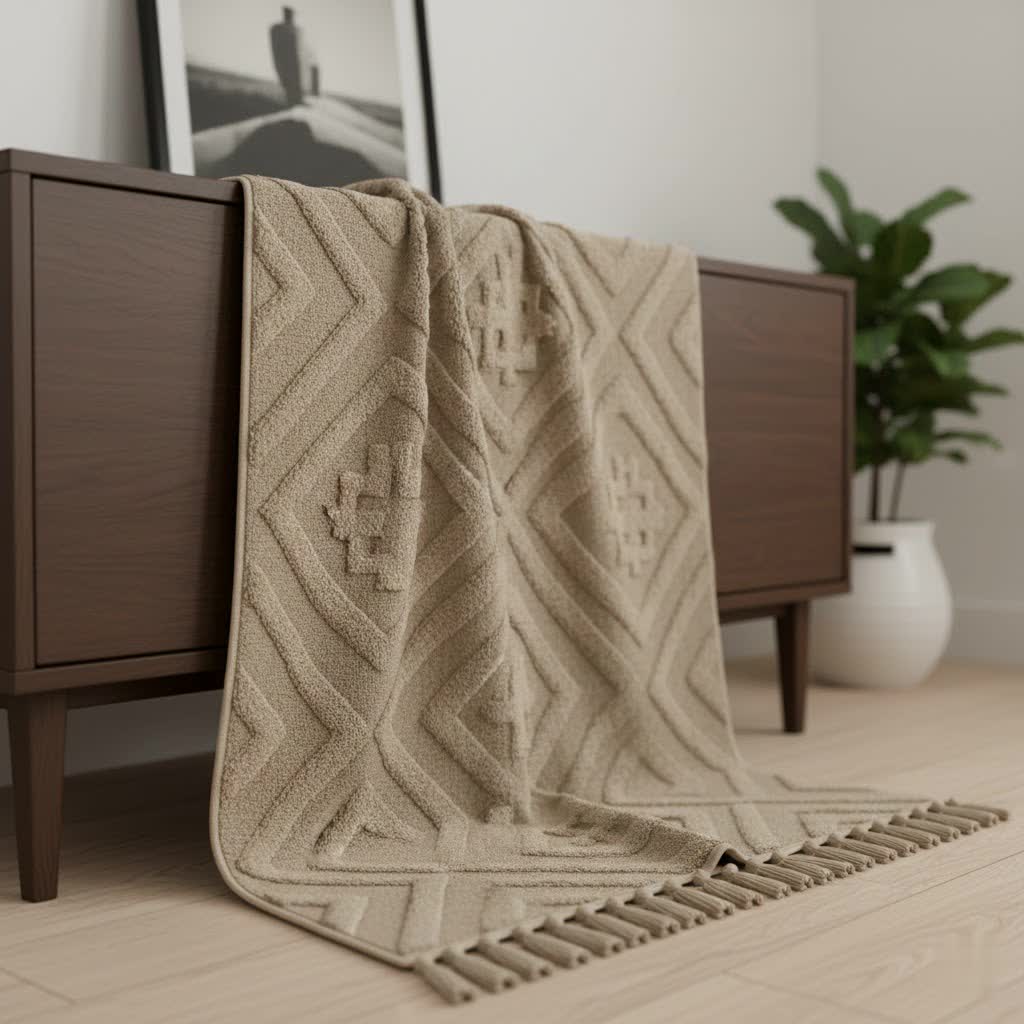
Choosing the perfect stair carpet for your home can feel overwhelming, with countless options for materials, styles, and patterns. Your staircase is a high-traffic zone, making durability and safety paramount, yet it also presents a significant opportunity to enhance your home’s aesthetic appeal. This comprehensive guide will walk you through everything you need to know, from selecting the right stair carpet to ensuring its longevity and beauty, transforming your stairs into a safe, stylish, and welcoming focal point.
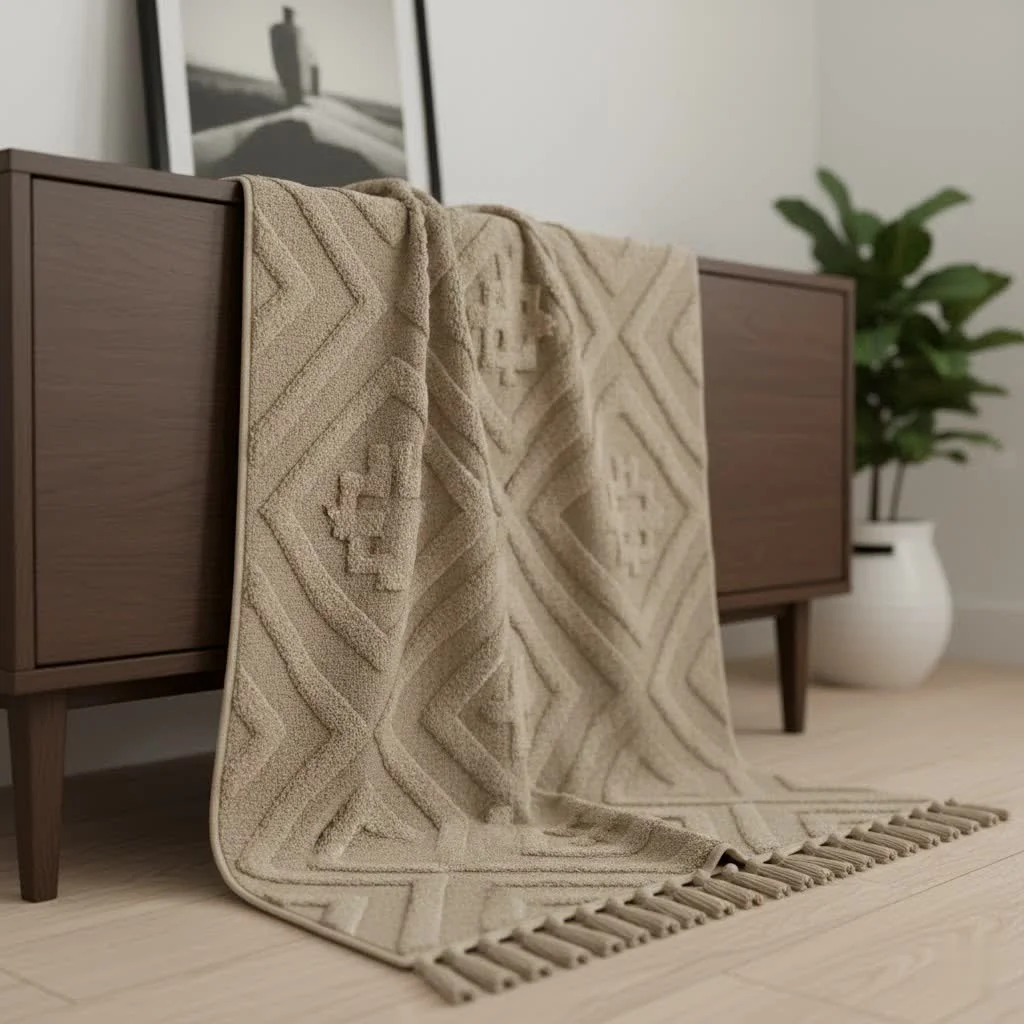
Popular Stair Carpet Types
Understanding the different types of stair carpets available is the first step in making an informed decision. Each material brings a unique set of benefits and considerations, impacting durability, feel, and aesthetic. Whether you prioritize natural elegance or synthetic resilience, there’s a stair carpet designed to meet your specific needs.
Natural Fiber Stair Carpets
Natural fiber stair carpets offer an undeniable charm, bringing warmth, texture, and an eco-friendly touch to your home. These carpets are celebrated for their authentic look and often luxurious feel, appealing to those who appreciate sustainable and classic interior design choices. However, their natural properties also come with specific care requirements.
Natural fibers like wool, cotton, sisal, and jute each possess distinct characteristics. Wool is often considered the gold standard for stair carpet due to its exceptional durability, softness, and natural resistance to stains and dirt. It’s a luxurious option that springs back well under heavy foot traffic, making it ideal for busy staircases. Cotton offers a softer feel and wide range of colors but is generally less durable than wool for high-traffic areas. Sisal and jute provide an earthy, textured look, perfect for design-forward homes seeking an organic aesthetic, though they can be rougher underfoot and more susceptible to moisture and stains, suiting lower-traffic areas.
When selecting a natural fiber stair carpet, consider the level of foot traffic your stairs receive. For bustling households, wool is an excellent investment, offering both resilience and beauty. If your stairs are less frequently used, or if you desire a specific aesthetic, sisal or jute can introduce a unique natural texture. Always check the carpet’s density; a tighter weave in natural fibers will generally offer better longevity on stairs.
Synthetic Fiber Stair Carpets
Synthetic fiber stair carpets are a popular choice for their impressive durability, stain resistance, and often more budget-friendly price point compared to natural options. Modern advancements have significantly improved the feel and appearance of synthetic carpets, making them a versatile option for any home. These materials are engineered to withstand the rigors of daily life, particularly in high-traffic areas like staircases.
Common synthetic fibers include nylon, polyester, and polypropylene (also known as olefin). Nylon stands out as one of the strongest synthetic fibers, offering excellent wear resistance, resilience against heavy use, and superior stain resistance, making it ideal for stair carpet. Polyester is valued for its vibrant color retention and softness, often available at a more affordable price, but it may not hold up as well as nylon under extreme traffic. Polypropylene is another cost-effective choice, highly resistant to stains and moisture, though it tends to flatten faster than nylon or wool and is best suited for light to moderate traffic.
Choosing a synthetic fiber stair carpet involves balancing durability with your budget and desired aesthetic. For homes with children, pets, or significant foot traffic, nylon is a top performer due to its resilience and ease of maintenance. If color vibrancy and softness are priorities, and traffic is moderate, polyester can be an attractive option. Always look for low-pile constructions in synthetic carpets, as they offer better traction and prevent premature flattening.
Decorative Stair Carpets
|
Our Picks for the Best Floor Rug in 2026
As an Amazon Associate I earn from qualifying purchases.
|
||
| Num | Product | Action |
|---|---|---|
| 1 | Ophanie Area Rugs for Living Room Bedroom, Upgrade Non-Slip Fluffy Soft Grey Shag Carpet, Indoor Floor Gray 4x6 Fuzzy Shaggy Living Room Plush Rug for Kids Home Dorm Decor Aesthetic |

|
| 2 | OLANLY Area Rugs for Living Room Bedroom, Machine Washable 4x5.9 ft Soft Fluffy Shaggy Bedside Rug, Indoor Floor Carpet for Kids Girls and Boys, Dorms, Nursery Rooms, Home Decor Aesthetic, Grey |
|
| 3 | Ophanie Area Rugs for Bedroom, Christmas Upgrade Non-Slip Ivory Fluffy Soft Shag Living Room Carpet, Indoor Floor 4x6 Fuzzy Shaggy Living Room Plush Nursery Rug for Kids Home Dorm Decor Aesthetic |
|
| 4 | Ophanie Blue Rug, Boys 4x6 Rugs for Bedroom Royal Dark Blue Carpet Nursery Aesthetic, Kids Playroom Navy Area Rugs for Girls Teen Home Decor, Fluffy Shag Bedside Floor Living Room Carpet |
|
| 5 | OLANLY Area Rugs for Living Room Bedroom, Machine Washable 4x5.9 ft Soft Fluffy Shaggy Bedside Rug, Indoor Floor Carpet for Kids Girls and Boys, Dorms, Nursery Rooms, Home Decor Aesthetic, Burgundy |
|
| 6 | OLANLY Area Rugs for Living Room Bedroom, Machine Washable 4x5.9 ft Soft Fluffy Shaggy Bedside Rug, Indoor Floor Carpet for Kids Girls and Boys, Dorms, Nursery Rooms, Home Decor Aesthetic, Blush |
|
| 7 | Ophanie Black Area Rugs for Bedroom Living Room, 4x6 Fluffy Fuzzy Shag Shaggy Carpet Soft Plush Furry Bedside Rug, Indoor Floor Rug for Kids Girls Boys Home Decor Aesthetic, Dorm Nursery |
|
| 8 | OLANLY Area Rugs for Living Room Bedroom, Machine Washable 4x5.9 ft Soft Fluffy Shaggy Bedside Rug, Indoor Floor Carpet for Kids Girls and Boys, Dorms, Nursery Rooms, Home Decor Aesthetic, Coffee |
|
| 9 | OLANLY Area Rugs for Living Room Bedroom, Machine Washable 4x5.9 ft Soft Fluffy Shaggy Bedside Rug, Indoor Floor Carpet for Kids Girls and Boys, Dorms, Nursery Rooms, Home Decor Aesthetic, Beige |
|
| 10 | OLANLY Area Rugs for Living Room Bedroom, Machine Washable 4x5.9 ft Soft Fluffy Shaggy Bedside Rug, Indoor Floor Carpet for Kids Girls and Boys, Dorms, Nursery Rooms, Home Decor Aesthetic, Black |
|
Decorative stair carpets transform a functional architectural element into a stunning design statement. Beyond their practical benefits of safety and noise reduction, these carpets inject personality, color, and texture into an often-overlooked area of the home. From bold stripes to intricate patterns, decorative stair carpets set the tone for your home’s interior.
Popular design styles range from classic vintage patterns and modern geometric designs to vibrant bohemian motifs. Striped stair carpets are a perennial favorite, known for their ability to visually lengthen a staircase and add dynamic interest. Contrasting palettes, playful patterns, and rich textures are trending, allowing you to showcase your personal style from the moment guests step inside. A stunning runner can instantly elevate a staircase from ordinary to extraordinary, acting as a visual anchor.
To choose a decorative stair carpet that complements your space, consider the overall style of your home. A patterned carpet can beautifully camouflage daily wear and dirt, making it a practical choice for busy households while still offering visual appeal. Lighter patterns can brighten a narrow stairwell, while bolder designs can create a dramatic entrance. Ensure the pattern and color harmonize with existing décor, acting as a bridge between different areas of your home. However, that highly intricate or busy patterns might eventually feel overwhelming, so choose a design that you’ll love for years to come.
Stair Carpet Buying Guide
Purchasing stair carpet is an investment in both your home’s safety and its aesthetic. Making the right choice requires careful consideration of various factors, from practical usage needs to quality indicators and pricing. A well-chosen stair carpet will withstand daily wear, provide comfort, and seamlessly integrate into your home’s design.
Identify Usage Needs
The first step in choosing the perfect stair carpet is to honestly assess how your staircase is used. This critical evaluation will guide your decisions regarding material, size, and design, ensuring your carpet performs optimally for your specific lifestyle. Staircases are high-traffic areas, enduring more footfall than almost any other part of your home.
Consider the dimensions of your staircase and decide between full wall-to-wall carpeting or a stair runner. Full carpeting offers maximum safety and sound insulation, covering every inch of the steps. Stair runners, on the other hand, expose some of the original stair material (like wood), providing a stylish contrast and allowing for easier cleaning of the exposed edges. The ideal carpet size will depend on both aesthetics and practical considerations for your home.
The material of your stair carpet should align directly with its intended use. For homes with active children, pets, or frequent foot traffic, prioritize durable and stain-resistant materials like nylon or wool. If noise reduction is a key concern, a denser carpet with a good underpad will significantly absorb sound. The color and pattern should complement your interior décor, but also be practical. Darker hues and patterns can effectively hide dirt and minor stains, while lighter colors can brighten a space but may require more frequent cleaning.
Compare Prices and Brands
Navigating the market for stair carpet involves comparing various brands and price points to find the best value for your investment. While quality often correlates with price, there are excellent options across different budgets. Understanding what influences cost can help you make a wise decision without compromising on essential features.
Several reputable stair carpet brands offer products specifically designed for the unique demands of staircases, focusing on durability and safety. Researching brands known for their quality fibers and construction will provide a solid starting point. The average price of stair carpets varies significantly based on material, pile type, and brand. Natural fibers like wool tend to be at the higher end, while synthetic options like polyester or polypropylene are generally more budget-friendly. However, a higher upfront cost for a durable material like nylon or wool can often lead to long-term savings by extending the carpet’s lifespan and reducing replacement frequency.
To find well-priced stair carpets, consider seasonal sales, remnants, or consulting with flooring specialists who can guide you to options within your budget. While it’s tempting to choose the cheapest option, spending a little more on a robust, low-pile carpet with good density will pay dividends in longevity and performance. Always factor in the cost of professional installation, as proper fitting is crucial for both the aesthetic appeal and safety of stair carpeting.
Check Carpet Quality
Ensuring the quality of your chosen stair carpet is paramount for its longevity, safety, and appearance in a high-traffic area. Not all carpets are created equal, and specific features are essential for stair applications. Taking the time to evaluate these aspects before purchase will prevent premature wear and potential safety hazards.
When identifying a quality stair carpet, focus on density and pile type. A dense carpet will feel firm and resist matting, providing better support and durability underfoot. A good rule of thumb is to look for a face weight of at least 35 to 50 ounces per square yard. Low-pile carpets, particularly loop pile (like Berber) or textured cut pile, are highly recommended for stairs. Their shorter fibers offer superior traction, a tighter structure, and are less prone to flattening or shifting, which can create tripping hazards. Avoid high-pile or plush carpets, as they tend to wear quickly and can pose safety risks.
For those considering buying stair carpets online, always request samples to feel the texture, check the density, and see the true color in your home’s lighting. Verify the manufacturer’s warranty, especially regarding coverage for stair installations, as some policies may have limitations for these high-wear areas. Understand the return policy and any re-stocking fees. A quality carpet will not only look good but also provide lasting safety and comfort, and reviewing these details thoroughly is vital for a satisfying purchase.
Stair Carpet Comparison Table
When selecting a stair carpet, the choice often comes down to balancing material properties, durability, cost, and aesthetic appeal. Each type offers distinct advantages and disadvantages, catering to different household needs and budgets.
| Feature | Wool | Nylon | Polyester | Polypropylene (Olefin) |
|---|---|---|---|---|
| Durability | Excellent, resilient | Superior, excellent wear resistance | Good, moderate traffic | Fair, low to moderate traffic |
| Feel | Luxurious, soft | Soft, can mimic wool | Very soft | Fairly soft |
| Stain Resist. | Natural resistance, requires quick action | Excellent, often treated for extra protection | Good, especially oil-based stains | Excellent, bleach-cleanable |
| Cost | High | Mid to High | Low to Mid | Low |
| Aesthetics | Rich, natural, timeless | Wide range of colors/patterns, vibrant | Vibrant colors, good texture options | Limited color options, prone to crushing |
| Pros | Eco-friendly, fire-resistant, sound insulation, resists crushing | Highly resilient, maintains appearance, good for high-traffic | Soft underfoot, good colorfastness, budget-friendly | Highly stain-resistant, moisture-resistant, affordable |
| Cons | Expensive, can shed, susceptible to moths if untreated | Can be expensive, may static in dry climates | Prone to flattening, less durable for very high traffic | Flattens quickly, less resilient, can feel plastic-y |
| Best For | High-traffic areas, luxury, sustainability | High-traffic areas, homes with kids/pets | Moderate-traffic areas, budget-conscious, softness | Light-traffic areas, basements, rental properties |
Wool carpets, while a significant investment, offer unparalleled luxury and longevity, naturally resisting dirt and maintaining their plush feel. Nylon provides exceptional performance and durability for busy family homes, often at a more accessible price point than wool, making it a highly practical choice. Polyester offers a softer feel and vibrant colors for those on a tighter budget, suitable for areas with moderate foot traffic where extreme durability isn’t the primary concern. Polypropylene, or olefin, is the most budget-friendly option, excelling in stain and moisture resistance, ideal for utility stairs or areas where frequent spills are a concern, though it may flatten more quickly over time. The ultimate choice depends on your specific lifestyle, budget, and aesthetic preferences.
Stair Carpet Cleaning and Maintenance Tips
Maintaining your stair carpet isn’t just about aesthetics; it’s crucial for extending its lifespan and preserving a safe, hygienic environment. Given the heavy foot traffic staircases endure, a consistent cleaning routine can prevent dirt and wear from prematurely aging your carpet.
Regular Carpet Cleaning
Regular cleaning is the cornerstone of stair carpet maintenance, preventing dirt and debris from embedding deeply into the fibers. A simple, consistent routine can significantly reduce the need for more intensive cleaning and keep your stairs looking fresh.
- Vacuuming: Aim to vacuum your stair carpet at least once or twice a week, more frequently in busy households. Use a vacuum cleaner with strong suction and appropriate attachments for stairs, such as a crevice tool for edges and corners where dirt accumulates. Overlapping strokes ensure thorough cleaning, lifting dirt and dust effectively.
- Spot Cleaning: Address minor spills and spots immediately. Blot (don’t rub) liquids with a clean, white absorbent cloth to lift the stain without spreading it or damaging the carpet fibers. For general spots, a simple solution of mild soap and water can often suffice, followed by blotting with a damp cloth to rinse and a dry cloth to absorb excess moisture.
- Odor Removal: For lingering odors, particularly in homes with pets, sprinkle baking soda generously over the carpet. Allow it to sit for at least 15-30 minutes, or even overnight, to absorb smells, then vacuum it thoroughly. This natural deodorizer is effective and safe for most carpet types.
Stain Removal
Stains on stair carpets are inevitable, but prompt and correct treatment can prevent them from becoming permanent eyesores. Knowing how to tackle common types of stains is essential for preserving your carpet’s appearance.
For everyday spills like coffee or juice, blot the excess liquid immediately. Then, apply a small amount of a carpet-specific stain remover or a mixture of warm water and mild dish soap to a clean cloth, gently dabbing the stain from the outside in. Rinse by blotting with a damp cloth and dry with a clean towel. For stubborn or set-in stains, specialized cleaning solutions or professional carpet cleaning may be necessary. Always test any cleaning solution on an inconspicuous area first to ensure it doesn’t damage or discolor the carpet.
Natural remedies can also be effective for certain stains. For grease stains, sprinkle cornstarch or baking soda on the spot, let it sit for several minutes to absorb the grease, then vacuum. A solution of equal parts white vinegar and water can work wonders on many common household stains and odors, applied with a spray bottle and blotted dry. to avoid over-wetting the carpet and ensure thorough drying to prevent mold or mildew growth.
Proper Carpet Storage
While stair carpets are typically a permanent fixture, understanding proper storage is important for carpet remnants or if you ever decide to temporarily remove a runner. Incorrect storage can lead to irreversible damage, including creasing, mildew, and pest infestations.
When storing carpet sections or runners, ensure they are thoroughly cleaned and completely dry to prevent mold and mildew growth. Roll the carpet tightly with the pile facing inwards to protect the fibers and prevent creasing. Secure the roll with ties or straps, but avoid using tape directly on the carpet, as it can damage the fibers or leave residue.
Store your rolled carpet in a cool, dry place away from direct sunlight, which can cause fading. Basements or attics can work if they are climate-controlled and free from excessive humidity. Elevating the carpet off the floor can further protect it from moisture or pests. For long-term storage, consider wrapping the carpet in a breathable fabric or specialized storage bag to shield it from dust and insects.
“A well-maintained stair carpet not only enhances safety and comfort but also speaks volumes about the care you put into your home’s overall presentation.” – Sarah Jenkins, Interior Design Specialist
Frequently Asked Questions
What type of carpet pile is best for stairs?
Low-pile carpets, such as loop pile (like Berber) or textured cut pile, are highly recommended for stairs. Their short, dense fibers offer superior traction, reduce the risk of tripping, and are more durable against the heavy foot traffic found on staircases.
How often should stair carpet be replaced?
The lifespan of stair carpet varies depending on the material, quality, and traffic levels. High-quality nylon or wool carpets in a low-pile construction may last 10-15 years or more with proper maintenance. However, in busy households, you might consider replacement every 5-7 years if signs of significant wear or damage appear.
Can I install stair carpet myself?
While it is possible to install stair carpet yourself, professional installation is strongly recommended. Properly fitting carpet on stairs requires specialized tools, expertise in cutting and stretching, and a keen eye for detail to ensure both aesthetic appeal and crucial safety. Incorrect installation can lead to loose carpet, creating a tripping hazard.
Are patterned stair carpets better for hiding dirt?
Yes, patterned stair carpets are excellent for camouflaging dirt, dust, and minor stains. The variations in color and design can effectively disguise imperfections that would be highly visible on a solid-colored carpet, making them a practical choice for high-traffic areas like staircases.
How can I make my stair carpet safer for children and pets?
Choosing a low-pile, dense carpet with good traction is the first step. Ensure professional installation to prevent any loose areas. Using a high-quality carpet pad designed for stairs can add cushioning and stability. Clear any clutter from stairs and consider using stair gates for young children.
What is the ideal carpet density for stairs?
For optimal durability and performance on stairs, a carpet with a face weight of at least 35 to 50 ounces per square yard is generally recommended. Higher density indicates more fibers per square inch, leading to a firmer, more resilient carpet that resists matting and wear in high-traffic areas.
Conclusion
Choosing and maintaining the right stair carpet is a significant decision that impacts both the function and aesthetic of your home. By prioritizing durable, low-pile materials like wool or nylon, considering density and construction, and embracing regular cleaning habits, you can ensure your stair carpet remains a safe, comfortable, and stylish feature for years to come. From preventing slips to dampening sound, a well-chosen and cared-for stair carpet truly transforms your home’s central artery.
Are you ready to step up your home’s style and safety with the perfect stair carpet?
Pet products vetted on real animals
Free PDF — protein DMB calculator + 18 dog foods rated.

We just renovated our entryway and the old stairs were a real eyesore. I appreciated the tips on enhancing aesthetic appeal while still keeping practicality in mind. We chose a patterned carpet to hide potential wear and tear, and it totally transformed the space. My only minor complaint is that the installation was a bit trickier than I anticipated, but the end result is worth it.
I was so lost trying to pick out carpet for our stairs, especially with two little ones running around. This guide really helped me focus on durability and safety. We ended up going with a low-pile nylon carpet, and it’s been fantastic. It’s holding up great to all the foot traffic and is super easy to clean. Definitely recommend considering the material types mentioned here!
I was hoping for more specific brand recommendations within the different carpet types. While the information on natural elegance versus synthetic resilience was helpful, it still left me feeling a bit overwhelmed when it came to actually purchasing. The section on high-traffic zones was spot on though, and it made me rethink my initial choice for a softer, less durable option.
This was exactly what I needed! Our staircase is definitely a focal point, and I wanted something that looked good but could also withstand daily use. The advice on selecting the right stair carpet for longevity was invaluable. We went with a wool blend, and it feels luxurious underfoot while still being incredibly hard-wearing. So happy with our choice!