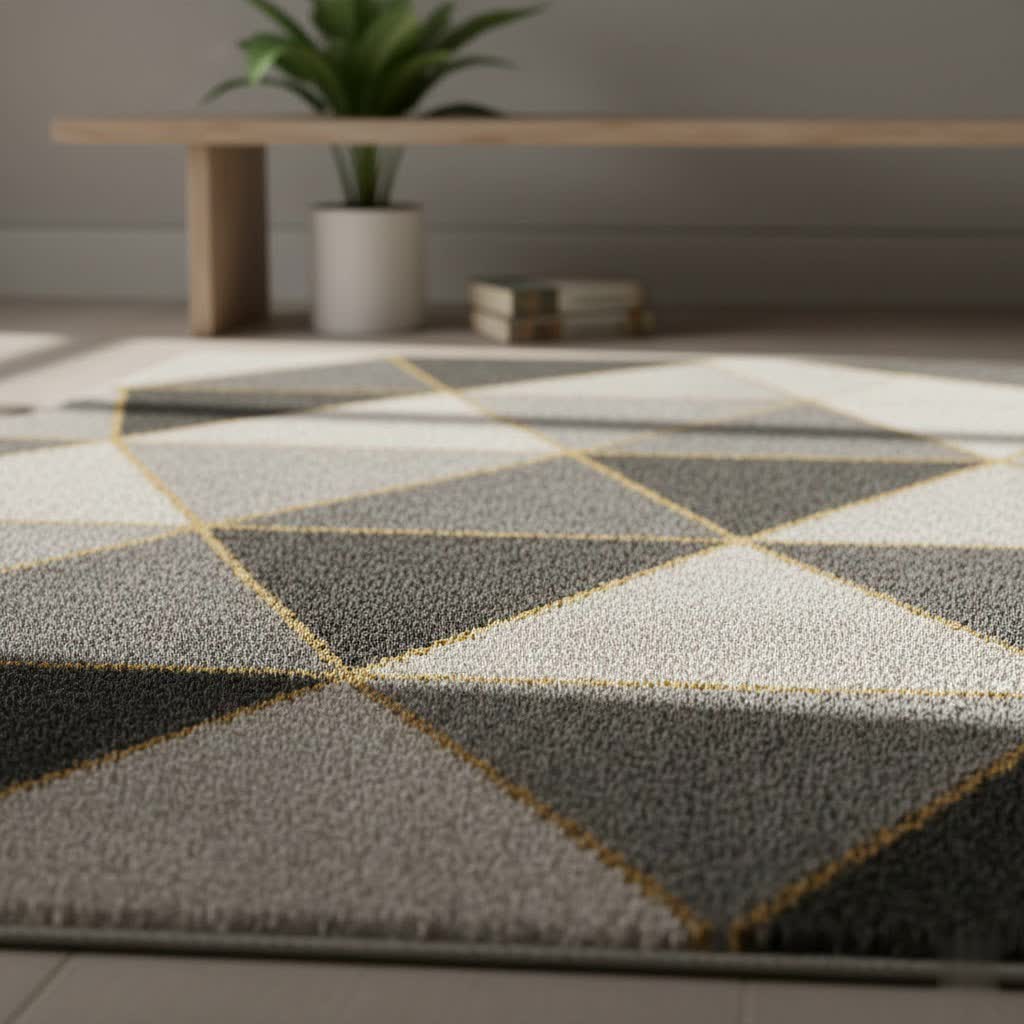
Stepping into a living room should feel like a warm embrace, a sanctuary where comfort meets style. But if you’ve ever found yourself overwhelmed by the sheer variety of options, from plush textures to intricate patterns, you’re not alone. Choosing the ideal carpet for your living room is a crucial decision that impacts not just the aesthetics but also the comfort, durability, and overall ambiance of your home’s central gathering space. This comprehensive guide, informed by over a decade of expertise in home furnishings, will equip you with the knowledge to select a living room carpet that truly transforms your space into a haven of warmth and elegance.
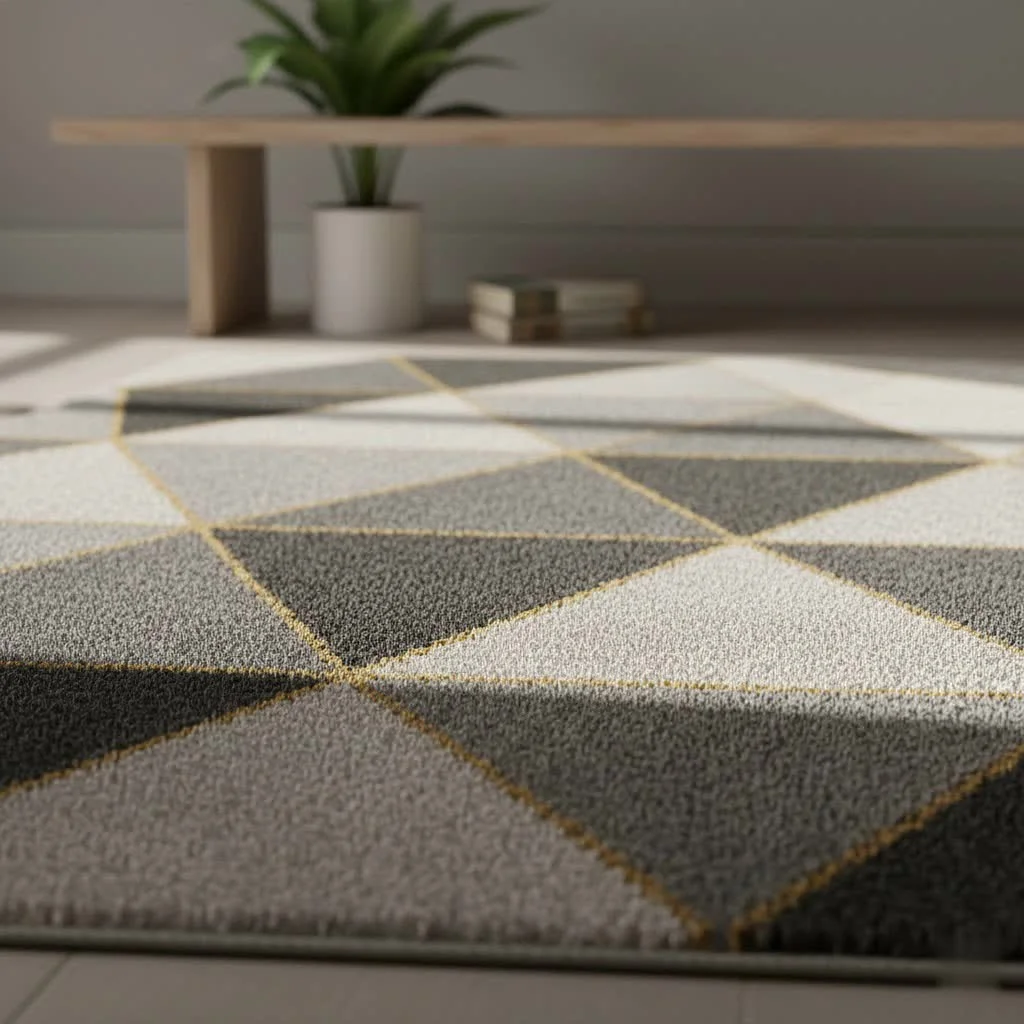
Popular Types of Living Room Carpets
The foundation of your living room’s comfort and style often starts with the carpet beneath your feet. Understanding the different types available, each with its unique characteristics, is key to making an informed choice.
Natural Fiber Carpets
Natural fiber carpets offer unparalleled luxury, sustainability, and a unique tactile experience. They bring an organic touch that synthetic alternatives often struggle to replicate.
-
Wool Carpets
Wool is frequently considered the gold standard for living room carpets due to its luxurious softness and exceptional durability. It’s a naturally resilient fiber that can bounce back from heavy foot traffic and is inherently resistant to stains and dirt thanks to its natural lanolin coating. As a renewable and biodegradable resource, wool is also an excellent eco-friendly choice. However, wool carpets can be a significant investment, often being among the most expensive options on the market. They are also sensitive to moisture, requiring careful maintenance to prevent mildew in humid environments. Wool is particularly well-suited for formal living rooms where comfort and elegance are paramount. -
Cotton Carpets
Often found in smaller area rugs, cotton offers a soft, comfortable feel and is generally more affordable than wool. Small cotton flat-woven rugs can even be machine washed, making them a convenient option for certain spaces. However, cotton is highly absorbent, meaning it can soak up stains rather than repelling them, making larger spills more challenging to clean. -
Sisal and Jute Rugs
Sisal and jute are natural plant fibers known for their distinctive texture and remarkable durability. These sustainable materials bring an eco-friendly element and an earthy, organic aesthetic to a living room. Sisal, in particular, is very hardwearing and versatile, available in various weaves and natural shades, making it a popular choice for medium-traffic areas. While stylish, they can feel rougher underfoot compared to wool or synthetic options.
Synthetic Fiber Carpets
|
Our Picks for the Best Floor Rug in 2026
As an Amazon Associate I earn from qualifying purchases.
|
||
| Num | Product | Action |
|---|---|---|
| 1 | OLANLY Area Rugs for Living Room Bedroom, Machine Washable 4x5.9 ft Soft Fluffy Shaggy Bedside Rug, Indoor Floor Carpet for Kids Girls and Boys, Dorms, Nursery Rooms, Home Decor Aesthetic, Coffee |

|
| 2 | OLANLY Area Rugs for Living Room Bedroom, Machine Washable 4x5.9 ft Soft Fluffy Shaggy Bedside Rug, Indoor Floor Carpet for Kids Girls and Boys, Dorms, Nursery Rooms, Home Decor Aesthetic, Beige |
|
| 3 | OLANLY Area Rugs for Living Room Bedroom, Machine Washable 4x5.9 ft Soft Fluffy Shaggy Bedside Rug, Indoor Floor Carpet for Kids Girls and Boys, Dorms, Nursery Rooms, Home Decor Aesthetic, Grey |
|
| 4 | Ophanie Blue Rug, Boys 4x6 Rugs for Bedroom Royal Dark Blue Carpet Nursery Aesthetic, Kids Playroom Navy Area Rugs for Girls Teen Home Decor, Fluffy Shag Bedside Floor Living Room Carpet |
|
| 5 | Ophanie Black Area Rugs for Bedroom Living Room, 4x6 Fluffy Fuzzy Shag Shaggy Carpet Soft Plush Furry Bedside Rug, Indoor Floor Rug for Kids Girls Boys Home Decor Aesthetic, Dorm Nursery |
|
| 6 | Ophanie Area Rugs for Bedroom, Christmas Upgrade Non-Slip Ivory Fluffy Soft Shag Living Room Carpet, Indoor Floor 4x6 Fuzzy Shaggy Living Room Plush Nursery Rug for Kids Home Dorm Decor Aesthetic |
|
| 7 | OLANLY Area Rugs for Living Room Bedroom, Machine Washable 4x5.9 ft Soft Fluffy Shaggy Bedside Rug, Indoor Floor Carpet for Kids Girls and Boys, Dorms, Nursery Rooms, Home Decor Aesthetic, Blush |
|
| 8 | OLANLY Area Rugs for Living Room Bedroom, Machine Washable 4x5.9 ft Soft Fluffy Shaggy Bedside Rug, Indoor Floor Carpet for Kids Girls and Boys, Dorms, Nursery Rooms, Home Decor Aesthetic, Burgundy |
|
| 9 | OLANLY Area Rugs for Living Room Bedroom, Machine Washable 4x5.9 ft Soft Fluffy Shaggy Bedside Rug, Indoor Floor Carpet for Kids Girls and Boys, Dorms, Nursery Rooms, Home Decor Aesthetic, Black |
|
| 10 | Ophanie Area Rugs for Living Room Bedroom, Upgrade Non-Slip Fluffy Soft Grey Shag Carpet, Indoor Floor Gray 4x6 Fuzzy Shaggy Living Room Plush Rug for Kids Home Dorm Decor Aesthetic |
|
Synthetic carpets are engineered for performance, offering durability, stain resistance, and affordability, making them practical choices for busy households.
-
Nylon Carpets
Nylon stands out as one of the most popular synthetic choices for living rooms, celebrated for its exceptional durability and resilience. This robust fiber maintains its appearance under heavy foot traffic and resists crushing, making it ideal for bustling households with children or pets. Modern nylon carpets are often treated with stain-resistant coatings, making spills less of a concern. They come in a vast array of colors and styles and are generally more budget-friendly than wool. While highly durable, nylon can generate static electricity, though treatments can mitigate this. It may also not offer the same luxurious softness as some natural fibers. -
Polyester Carpets
Polyester carpets are prized for their incredibly soft, luxurious feel underfoot, often mimicking the plushness of wool at a more accessible price point. They boast natural stain resistance and are available in a vibrant spectrum of colors. However, polyester is not as resilient as nylon and can be more susceptible to crushing or flattening in high-traffic areas. Its lush fibers might also require more frequent vacuuming to keep dust and dirt at bay. Polyester is a wonderful option for living rooms that see lighter use, prioritizing comfort and aesthetics. -
Olefin (Polypropylene) Carpets
Olefin is a low-pile synthetic carpet that excels in resisting stains and fading, even in sun-drenched rooms. It’s an affordable and durable option that stands up well to heavy foot traffic, often making it suitable for commercial settings or very active living spaces. While practical and budget-friendly, olefin carpets typically aren’t as plush or soft as other synthetic or natural options. -
Triexta Carpets
A newer synthetic fiber made from cornstarch, Triexta offers an impressive blend of natural softness, exceptional durability, and superior stain, mold, and mildew resistance. It’s an excellent choice for high-traffic living rooms where spills are a common occurrence. However, Triexta can be more expensive than other synthetic counterparts and may not be as widely available.
“The right carpet doesn’t just cover a floor; it anchors a room, defining its character and inviting you to settle in.” – Alexandra Chen, Lead Interior Designer, Luxe Living Spaces
Living Room Carpet Buying Guide
Choosing the perfect carpet for your living room involves more than just picking a color you like. It requires careful consideration of your lifestyle, the room’s function, and your aesthetic preferences.
Identify Usage Needs
Before you even start looking at samples, think about how your living room is used. Is it a high-traffic area with kids and pets, or a more formal space for quiet evenings?
-
Size and Placement
One of the most common mistakes is choosing a carpet that’s too small, which can make your living room feel disjointed. For most living rooms, typical rug sizes are 8’x10′ or 9’x12′. A good rule of thumb is to select a carpet that is at least 6 to 8 inches wider than your sofa on both sides. Ideally, the front legs of all your main furniture pieces (sofa, armchairs) should comfortably rest on the carpet. This creates a cohesive seating arrangement and prevents furniture from appearing to float. Aim to leave about 18 to 36 inches of walkway space between large furniture pieces, with the carpet defining the main seating zone. -
Material Selection Based on Lifestyle
Your choice of material should align with your household’s activity level. For high-traffic areas, or homes with children and pets, durable synthetics like nylon or olefin are excellent choices due to their resilience and stain resistance. If comfort and a luxurious feel are your top priorities, and your living room sees less intense daily wear, natural fibers like wool or softer synthetics like polyester could be perfect. Textured carpets and low-pile options are also beneficial for busy households as they tend to hide footprints and minor dirt more effectively. -
Color and Pattern
Color and pattern play a significant role in setting the mood of your living room. A patterned carpet can add visual interest and personality, especially in rooms with neutral furniture and walls. Opting for a patterned carpet in a darker hue can also effectively camouflage dirt and spills, a practical consideration for active spaces. Conversely, a solid-colored carpet in a neutral tone can provide a calm backdrop, allowing other decor elements to shine. When selecting, consider pulling one or two colors from your existing decor to ensure a harmonious and visually appealing space. Current trends for 2024 and 2025 lean towards bold patterns, textured designs, and warm, earthy tones like ruby red, terracotta, sienna, and caramel, which can add richness and warmth.
Compare Prices and Brands
While specific brand recommendations might vary, understanding general pricing and quality tiers is essential for budgeting. Natural fibers like wool tend to be the most expensive due due to the cost of raw materials and craftsmanship. Synthetic options such as polyester, olefin, and nylon generally offer more budget-friendly alternatives without compromising too much on durability or style, especially with modern advancements in fiber technology. Always research reputable brands known for quality and customer satisfaction, and read reviews to gauge long-term performance.
Check Carpet Quality
Assessing carpet quality goes beyond just its appearance. Consider these factors:
-
Pile Height and Density
Higher pile density generally indicates a higher quality and more durable carpet. Denser carpets are better at resisting crushing and wear. For high-traffic areas, a low-pile carpet is often recommended because it’s easier to clean and maintains its texture retention better. Plush or Saxony cut piles, while luxurious, are better suited for low-traffic areas as they can show footprints and crushing more easily. -
Construction
Loop pile carpets, like Berber, are known for their durability and resilience, making them excellent for high-traffic zones as their tight loops prevent pet claws from catching. Cut pile carpets, where the loops are cut, offer a variety of styles from velvet-smooth plush to textured frieze, each with different durability levels. Texture cut carpets, with their uneven, twisted fibers, are particularly good at hiding dirt and footprints. -
Warranties and Return Policies
Always inquire about the manufacturer’s warranty, which can cover wear, stains, and fading. Understanding the retailer’s return policy is also crucial, especially when purchasing online, as colors and textures can appear different on screen.
Floor Rug Comparison Table
| Feature | Wool Carpet | Nylon Carpet | Polyester Carpet | Olefin (Polypropylene) Carpet | Sisal/Jute Rug |
|---|---|---|---|---|---|
| Material Type | Natural | Synthetic | Synthetic | Synthetic | Natural |
| Durability | Excellent, resilient | Superior, highly resilient | Good, but prone to crushing/shedding | Good, especially for high traffic/sunlight | Excellent, very hardwearing |
| Softness | Luxurious, very soft | Soft, but less plush than wool | Very soft, luxurious feel | Less soft, low pile | Textured, can be rough |
| Stain Resist. | Good (natural lanolin), sensitive to harsh chemicals | Excellent (often treated), very absorbent untreated | Good (naturally resistant) | Excellent, fade-resistant | Moderate, can absorb moisture/stain |
| Maintenance | Regular vacuuming, professional cleaning | Easy to clean, regular vacuuming | Regular vacuuming, can show dirt | Easy to clean, good for spills | Regular vacuuming, spot clean, avoid moisture |
| Eco-Friendliness | High (renewable, biodegradable) | Low (petroleum-derived) | Medium (some recycled options) | Low (petroleum-derived) | High (renewable, sustainable) |
| Price | High | Mid-range | Low to Mid-range | Low | Mid-range |
| Best For | Formal living rooms, comfort, insulation | High-traffic areas, pets, kids | Low-traffic areas, comfort, vibrant colors | High-traffic, sun-exposed areas, budget | Textured look, eco-conscious, medium traffic |
Carpet Cleaning and Maintenance Tips
A beautiful living room carpet deserves proper care to maintain its allure and extend its lifespan. Regular maintenance is far simpler than dealing with ingrained dirt or stubborn stains.
Regular Cleaning
Consistency is key when it comes to carpet care.
- Vacuuming Regularly: For high-traffic areas, especially with pets, vacuum daily. For less frequented living rooms, two to three times a week should suffice. Vacuuming both the top and underside of the carpet helps remove deeply embedded dirt and extends its life. When vacuuming delicate or high-pile rugs, use a hand-held vacuum or a setting without a rotating brush to avoid damaging the fibers.
- Shaking Out Smaller Rugs: For smaller area rugs that can be easily moved, take them outside periodically and shake them vigorously to dislodge loose dirt and dust before vacuuming.
- Deodorizing: To keep your carpet smelling fresh, sprinkle baking soda over it, let it sit for about 15-30 minutes, then vacuum thoroughly. For a deeper deodorizing and stain-lifting effect, you can lightly spray vinegar over the baking soda, let it fizz, and then blot it dry before vacuuming.
- Rotating Your Carpet: Rotate your living room carpet every six months. This simple practice helps prevent uneven wear from foot traffic and furniture, as well as fading from direct sunlight, ensuring a more uniform appearance over time.
Stain Removal
Accidents happen, but quick and correct action can save your carpet from permanent damage.
- Act Immediately: The faster you address a spill, the higher the chance of complete removal.
- Blot, Don’t Rub: Always blot stains with a clean, dry white cloth, working from the outside of the stain inwards. Rubbing can spread the stain, push it deeper into the fibers, and damage the carpet pile.
- Spot Cleaning: For most fresh spills, a solution of mild dish soap and warm water applied to a clean cloth and gently blotted onto the stain can be effective.
- Specialized Stain Removers: For tougher stains, use a commercial stain remover specifically designed for your carpet material. Always pre-test any cleaning solution in an inconspicuous area to ensure it doesn’t cause discoloration. For wool carpets, a simple mixture of dish soap and water often works wonders.
- Check Care Labels: Always consult your carpet’s care label for specific cleaning instructions and warnings before applying any treatments.
Proper Storage
If you need to store your living room carpet, doing so correctly will prevent damage. Ensure the carpet is thoroughly clean and dry to prevent mold or mildew. Roll the carpet tightly rather than folding it to avoid creases and damage to the backing. Store it in a cool, dry, well-ventilated area, away from direct sunlight and extreme temperature fluctuations, ideally wrapped in breathable fabric for protection.
Frequently Asked Questions
What is the best carpet for a living room with pets?
For homes with pets, nylon carpets are an excellent choice due to their exceptional durability, resilience, and superior stain resistance. Berber carpets, with their tight loops, are also highly recommended as they prevent pet claws from snagging and are easy to clean.
How often should you clean a living room carpet?
The frequency depends on traffic. For high-traffic living rooms or homes with pets and children, vacuum daily and deep clean every one to two months. For low-traffic areas, vacuum two to three times a week and deep clean at least twice a year.
What carpet colors are trending for living rooms in 2024?
In 2024, designers are embracing warm and inviting tones. Trending colors include fiery shades like ruby red, maroon, and terracotta, as well as rich earthy tones such as sienna, umber, caramel, and saffron, all designed to create a cozy and sophisticated ambiance.
What’s the ideal rug size for a living room?
Typically, an 8’x10′ or 9’x12′ rug works well for most living rooms. The ideal size ensures that at least the front legs of your main seating furniture rest on the carpet, visually connecting the space and preventing furniture from feeling disconnected.
Is wool or synthetic carpet better for a living room?
The “better” option depends on your priorities. Wool offers luxurious softness, eco-friendliness, and natural resilience but comes at a higher price. Synthetics like nylon provide excellent durability, stain resistance, and affordability, making them practical for busy households.
Pet products vetted on real animals
Free PDF — protein DMB calculator + 18 dog foods rated.
