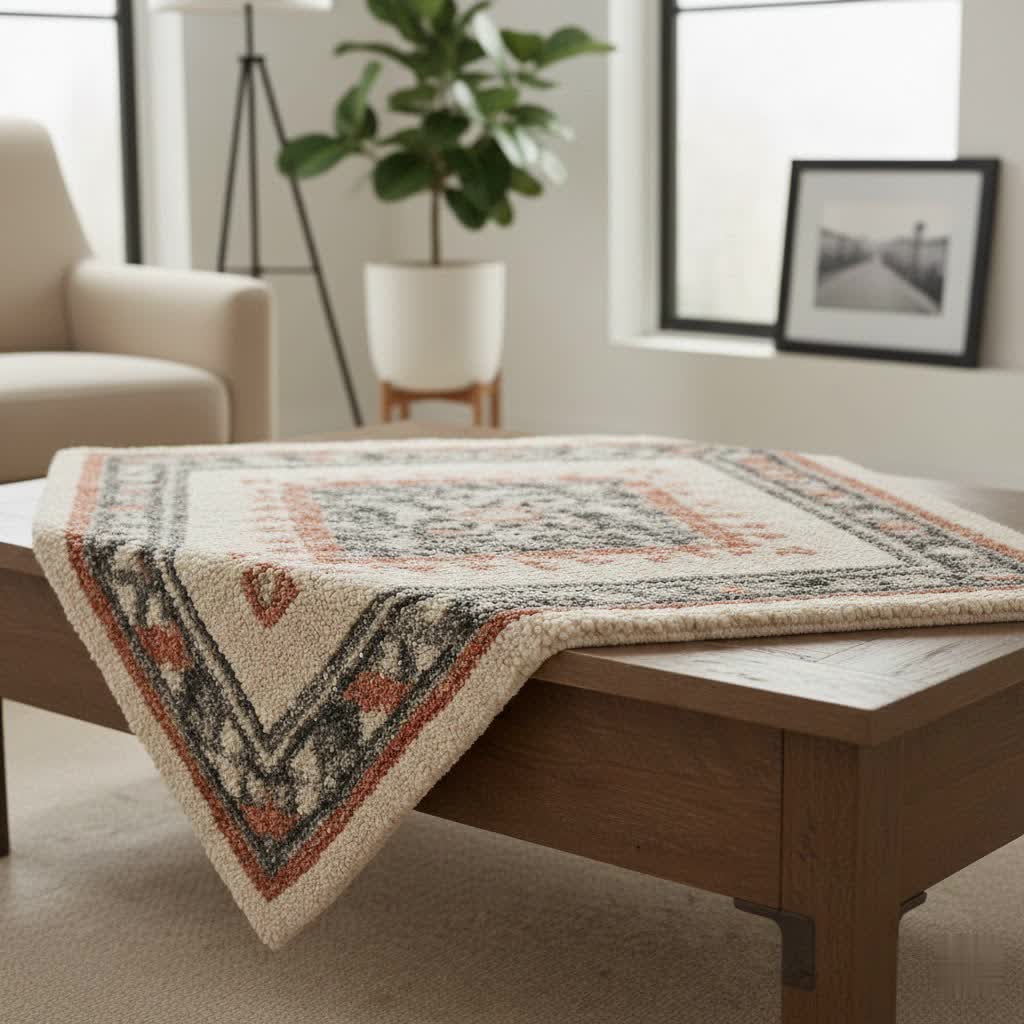
Stepping into a home graced by a Kilim carpet is like unwrapping a piece of history, a vibrant tapestry woven with tales from ancient lands. Unlike their plush, pile-woven counterparts, Kilim carpets possess a distinct flat-weave character, making them celebrated not just as floor coverings, but as versatile artworks steeped in tradition and cultural significance. If you’re seeking to infuse your living space with unparalleled artistry, rich history, and a touch of the extraordinary, understanding the essence of Kilim carpets is your first step towards making an informed choice.
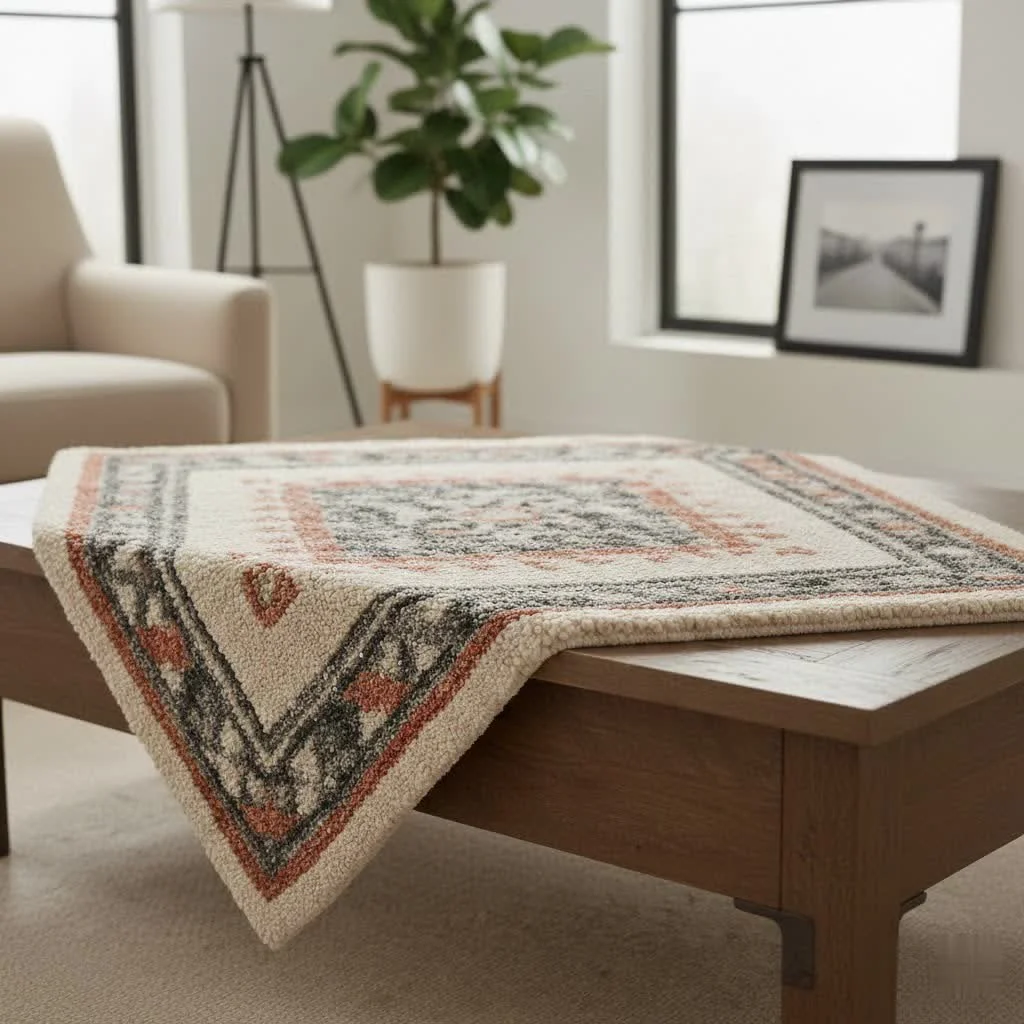

Understanding Kilim Carpets
Kilim carpets, pronounced “kee-leem,” are more than just rugs; they are a testament to millennia of weaving artistry, characterized by their unique construction and deep cultural roots.
What is a Kilim Carpet?
A Kilim carpet is a flat-woven textile, meaning it has no pile or raised surface. Its distinct texture comes from tightly interweaving horizontal (weft) threads through vertical (warp) threads on a loom, creating a smooth, tapestry-like finish. This technique often results in a reversible rug, showcasing the design identically on both sides. The absence of pile contributes to their lightweight nature, sharp geometric designs, and remarkable durability, making them suitable for a variety of uses beyond just flooring.
The Rich History of Kilim Carpets
The history of Kilim carpets stretches back thousands of years, with archaeological evidence suggesting origins as early as 7000 B.C.E. in places like Çatalhöyük, or at least the 4th-5th century CE in Hotan, China. The word “Kilim” itself is of Turkish origin, referring to this pileless textile. Historically, Kilims emerged from the former Persian Empire, including regions such as Turkey, Iran, Central Asia, the Balkans, and North Africa. These carpets were traditionally handwoven by nomadic and tribal women, serving essential practical purposes within their communities. They functioned as floor and wall coverings, blankets, prayer rugs, tent coverings, saddlebags, and even personal adornments. Over centuries, the art of Kilim weaving evolved, transforming from purely functional items into cherished symbols of cultural heritage, personal identity, and storytelling, passed down through generations.
Exploring Kilim Carpet Types and Materials
The appeal of Kilim carpets lies not only in their history but also in the diverse materials and styles that characterize them, each offering unique aesthetics and practical benefits.
Natural Fiber Kilim Rugs
Traditional Kilim carpets are predominantly crafted from natural fibers, which contribute to their unique texture, vibrant colors, and enduring quality.
- Wool: The most common and quintessential material for Kilims, wool is prized for its natural durability, softness, and excellent ability to absorb dyes, resulting in rich, lasting colors. It is also naturally stain-resistant and readily available in regions where Kilims are produced, making it a sustainable and practical choice for both warps and wefts. Certain sheep breeds, like Merino, offer a lustrous fleece, though domestic fat-tailed sheep often provide superior wool for Kilim production.
- Cotton: Lighter and easier to maintain than wool, cotton is often used for the warp threads due to its strength and flexibility, and sometimes incorporated into the weft alongside wool to create a balanced texture.
- Silk: While less common due to its high cost and delicate nature, silk Kilims offer an unmatched sheen and luxurious feel, making them exquisite decorative pieces often reserved for specialized artistic expressions.
- Natural Dyes: Historically, Kilim weavers utilized natural dyes derived from plants, minerals, and insects. These organic pigments create the characteristic rich, earthy, and vibrant color palettes seen in authentic Kilims, often developing a beautiful patina over time that cannot be replicated by synthetic alternatives.
Popular Kilim Styles and Regional Variations
|
Our Picks for the Best Floor Rug in 2026
As an Amazon Associate I earn from qualifying purchases.
|
||
| Num | Product | Action |
|---|---|---|
| 1 | OLANLY Area Rugs for Living Room Bedroom, Machine Washable 4x5.9 ft Soft Fluffy Shaggy Bedside Rug, Indoor Floor Carpet for Kids Girls and Boys, Dorms, Nursery Rooms, Home Decor Aesthetic, Coffee |

|
| 2 | OLANLY Area Rugs for Living Room Bedroom, Machine Washable 4x5.9 ft Soft Fluffy Shaggy Bedside Rug, Indoor Floor Carpet for Kids Girls and Boys, Dorms, Nursery Rooms, Home Decor Aesthetic, Burgundy |
|
| 3 | OLANLY Area Rugs for Living Room Bedroom, Machine Washable 4x5.9 ft Soft Fluffy Shaggy Bedside Rug, Indoor Floor Carpet for Kids Girls and Boys, Dorms, Nursery Rooms, Home Decor Aesthetic, Beige |
|
| 4 | OLANLY Area Rugs for Living Room Bedroom, Machine Washable 4x5.9 ft Soft Fluffy Shaggy Bedside Rug, Indoor Floor Carpet for Kids Girls and Boys, Dorms, Nursery Rooms, Home Decor Aesthetic, Black |
|
| 5 | Ophanie Area Rugs for Bedroom, Christmas Upgrade Non-Slip Ivory Fluffy Soft Shag Living Room Carpet, Indoor Floor 4x6 Fuzzy Shaggy Living Room Plush Nursery Rug for Kids Home Dorm Decor Aesthetic |
|
| 6 | Ophanie Black Area Rugs for Bedroom Living Room, 4x6 Fluffy Fuzzy Shag Shaggy Carpet Soft Plush Furry Bedside Rug, Indoor Floor Rug for Kids Girls Boys Home Decor Aesthetic, Dorm Nursery |
|
| 7 | OLANLY Area Rugs for Living Room Bedroom, Machine Washable 4x5.9 ft Soft Fluffy Shaggy Bedside Rug, Indoor Floor Carpet for Kids Girls and Boys, Dorms, Nursery Rooms, Home Decor Aesthetic, Blush |
|
| 8 | OLANLY Area Rugs for Living Room Bedroom, Machine Washable 4x5.9 ft Soft Fluffy Shaggy Bedside Rug, Indoor Floor Carpet for Kids Girls and Boys, Dorms, Nursery Rooms, Home Decor Aesthetic, Grey |
|
| 9 | Ophanie Area Rugs for Living Room Bedroom, Upgrade Non-Slip Fluffy Soft Grey Shag Carpet, Indoor Floor Gray 4x6 Fuzzy Shaggy Living Room Plush Rug for Kids Home Dorm Decor Aesthetic |
|
| 10 | Ophanie Blue Rug, Boys 4x6 Rugs for Bedroom Royal Dark Blue Carpet Nursery Aesthetic, Kids Playroom Navy Area Rugs for Girls Teen Home Decor, Fluffy Shag Bedside Floor Living Room Carpet |
|
Kilim carpets are renowned for their striking geometric patterns, intricate designs, and vibrant color schemes, with distinct styles emerging from different weaving regions and tribes.
- Geometric Patterns: A hallmark of Kilim artistry, these patterns are often sharp and bold, created using the slit-weave technique that leaves small gaps between color blocks, allowing for clear, defined shapes. These designs can range from simple angular motifs to complex interlocking patterns.
- Vibrant Colors: Kilims are celebrated for their rich and intense colors, often achieved through natural dyes. These palettes can vary widely, from deep reds and blues to earthy browns, yellows, and greens, each reflecting the local flora and cultural preferences of the weaving communities.
- Turkish (Anatolian) Kilims: Among the most recognized, Anatolian Kilims are famed for their distinctive geometric and often stylized floral patterns. They embody centuries of Turkish cultural heritage and are highly sought after for their beauty and craftsmanship.
- Other Regional Styles: From the intricate designs of Persian Kilims to the tribal motifs of Afghan and Caucasian variations, each region contributes its unique aesthetic, reflecting local traditions, available materials, and artistic interpretations.
The Symbolic Language of Kilim Motifs
The intricate motifs woven into Kilim carpets are far more than mere decoration; they represent a rich visual language, carrying profound cultural narratives, beliefs, and personal stories passed down through generations.
These symbols often serve as a silent dialogue, conveying messages of protection, fertility, strength, and spiritual devotion. For instance, the hands-on-hips motif frequently symbolizes the Anatolian mother goddess, representing fertility and abundance. Protective motifs like the cross and eye are believed to ward off the evil eye, a deeply rooted superstition in many cultures. The ram’s horn often signifies heroism and masculinity, while the tree of life symbolizes immortality, longevity, and spiritual connection. Even common elements like the comb can represent essential rain and water, while birds might symbolize good luck or the souls of the departed. These woven narratives offer a glimpse into the human experience and the cherished beliefs of the communities that created them.
Your Guide to Choosing the Perfect Kilim Carpet
Selecting a Kilim carpet involves balancing aesthetic appeal with practical considerations to ensure it perfectly complements your home and lifestyle.
Determining Your Needs
Before purchasing, consider how the Kilim will function within your space.
- Size Matters: Measure your room meticulously. For living rooms, a large Kilim can anchor furniture, ideally extending beneath the front legs of sofas and chairs. In bedrooms, placing it under the lower two-thirds of the bed or using runners on each side creates warmth. For dining areas, ensure the rug extends at least 24 inches beyond the table to keep chairs on the rug when pulled out. Long runners are perfect for hallways and entryways, adding character to narrow spaces.
- Room Function: The purpose of the room influences your choice. High-traffic areas like hallways or kitchens benefit from durable, tightly woven Kilims in darker hues that can better conceal wear and dirt. For more relaxed spaces like bedrooms or reading nooks, softer colors and more intricate patterns can create a serene ambiance.
- Color and Pattern Harmony: Consider your existing décor. Neutral-toned Kilims (beige, cream, gray) blend seamlessly with minimalist or Scandinavian styles. Bold reds, blues, or greens make a statement in bohemian or eclectic settings. Earthy shades suit rustic interiors. Decide whether you want the Kilim to subtly coordinate or serve as a vibrant accent piece. Understanding the meanings of patterns can also add a personal touch.
Assessing Quality and Authenticity
An authentic Kilim is an investment, and knowing how to identify genuine craftsmanship is key.
- Handmade Craftsmanship: True Kilims are handmade, and small irregularities or “imperfections” in the weave are often a testament to human artistry, not flaws. The design should be visible and consistent on both sides due to the flat-weave technique. Machine-made Kilims, while budget-friendly, lack the unique charm and longevity of their handmade counterparts.
- Materials and Dyes: Look for Kilims made from natural fibers like wool, cotton, or silk, and ideally, those colored with natural, vegetable-based dyes, which tend to age more gracefully than synthetic ones.
- Reputable Dealers: Purchase from trusted sources who can provide information about the Kilim’s origin, materials, weaving techniques, and history. Don’t hesitate to ask questions; an authentic dealer will be happy to share their expertise.
- Price Considerations: Handmade Kilims are generally more expensive due to the labor and skill involved, but they offer unparalleled authenticity and durability. Establish a budget, but recognize that quality often comes with a higher price tag.
The Essential Role of a Rug Pad
For any Kilim carpet, a high-quality rug pad is an indispensable accessory. Given their lightweight, flat-weave construction, Kilims can easily slip and slide on hard floors. A rug pad provides crucial cushioning, enhances comfort underfoot, and, most importantly, prevents dangerous slippage. It also helps the rug maintain its shape, reduces wear and tear, and can significantly extend the life of your cherished Kilim by acting as a protective barrier against floor abrasion. Look for sturdy, non-slip, and breathable underlays made from felt, rubber, or a combination, cut slightly smaller than your Kilim for a neat finish.
Maintaining and Caring for Your Kilim Carpet
Proper care and maintenance are vital to preserving the vibrant beauty and longevity of your Kilim carpet, ensuring it remains a treasured piece for years to come.
Routine Cleaning for Longevity
Regular cleaning is the simplest way to keep your Kilim looking its best and prevent dirt and dust from embedding in the fibers.
- Vacuuming: Vacuum your Kilim carpet weekly, or more frequently in high-traffic areas. Always use a vacuum with low suction and without a beater bar or revolving brush, as these can snag and damage the fibers. Vacuum both sides of the rug to effectively remove all dirt and debris. When cleaning, move the vacuum from side to side, not end to end, and use an extension hose or crevice tool for the delicate fringes to prevent them from being caught or torn.
- Shaking: Periodically take your Kilim outside and gently shake or beat it to dislodge deep-seated dirt that vacuuming might miss.
Tackling Stains and Spills
Address spills immediately to prevent permanent damage.
- Immediate Action: For solids, gently scoop up as much material as possible with a spoon, being careful not to press it further into the rug. For liquids, blot the spill immediately with clean, absorbent white towels, a sponge, or paper towels, working from the outside of the stain towards the center to prevent spreading.
- Mild Cleaning Solution: Mix a small amount of mild, non-bleach detergent or rug shampoo with cold water. Before applying, always test the solution on an inconspicuous area of the Kilim to ensure it doesn’t cause discoloration or damage.
- Gentle Scrubbing: Apply the tested solution to the stain with a soft-bristle brush, gently scrubbing in the direction of the rug’s weave. Avoid oversaturating the rug. Rinse thoroughly with cold water, ensuring all soap residue is removed, then blot dry again. Avoid using harsh chemicals like dry-cleaning fluid, white vinegar, or ammonia unless specifically recommended by a professional.
- Professional Help: For stubborn stains or a thorough deep clean, consult a professional rug cleaner specializing in antique or delicate flat-weave carpets.
Proper Drying and Storage
Correct drying and storage are crucial to prevent mold, mildew, and damage.
- Drying: After cleaning, lay the Kilim flat in a shaded, well-ventilated area to air dry completely. Never wring the rug or hang it, as this can distort its structure. Ensure both sides are thoroughly dry, which can take up to two days, flipping it multiple times a day. Avoid direct sunlight, which can fade the natural dyes over time.
- Storage: If storing a Kilim, roll it tightly rather than folding to prevent creases. Wrap it in a breathable fabric (like cotton or Tyvek) to protect it from dust and pests, and store it in a cool, dry place away from direct sunlight and high humidity.
Kilim carpets are more than just floor coverings; they are historical artifacts, cultural expressions, and timeless pieces of art that enrich any home. With proper selection and dedicated care, your Kilim will continue to tell its story and offer enduring beauty for generations.
Frequently Asked Questions
What makes a Kilim carpet different from other rugs?
Kilim carpets are distinguished by their flat-woven, pileless construction, meaning they lack the soft, raised surface of traditional pile rugs. This unique weaving technique, where weft threads are tightly interwoven with warp threads, creates a durable, often reversible textile with sharp geometric patterns, setting them apart from knotted carpets.
Are Kilim carpets durable enough for high-traffic areas?
Yes, despite their thin profile, Kilim carpets are remarkably durable due to their tight flat-weave construction. Historically used by nomadic tribes for various robust purposes, they are well-suited for high-traffic areas such as living rooms, hallways, and entryways, provided they receive regular care and are used with a proper rug pad to prevent slippage and wear.
Pet products vetted on real animals
Free PDF — protein DMB calculator + 18 dog foods rated.
