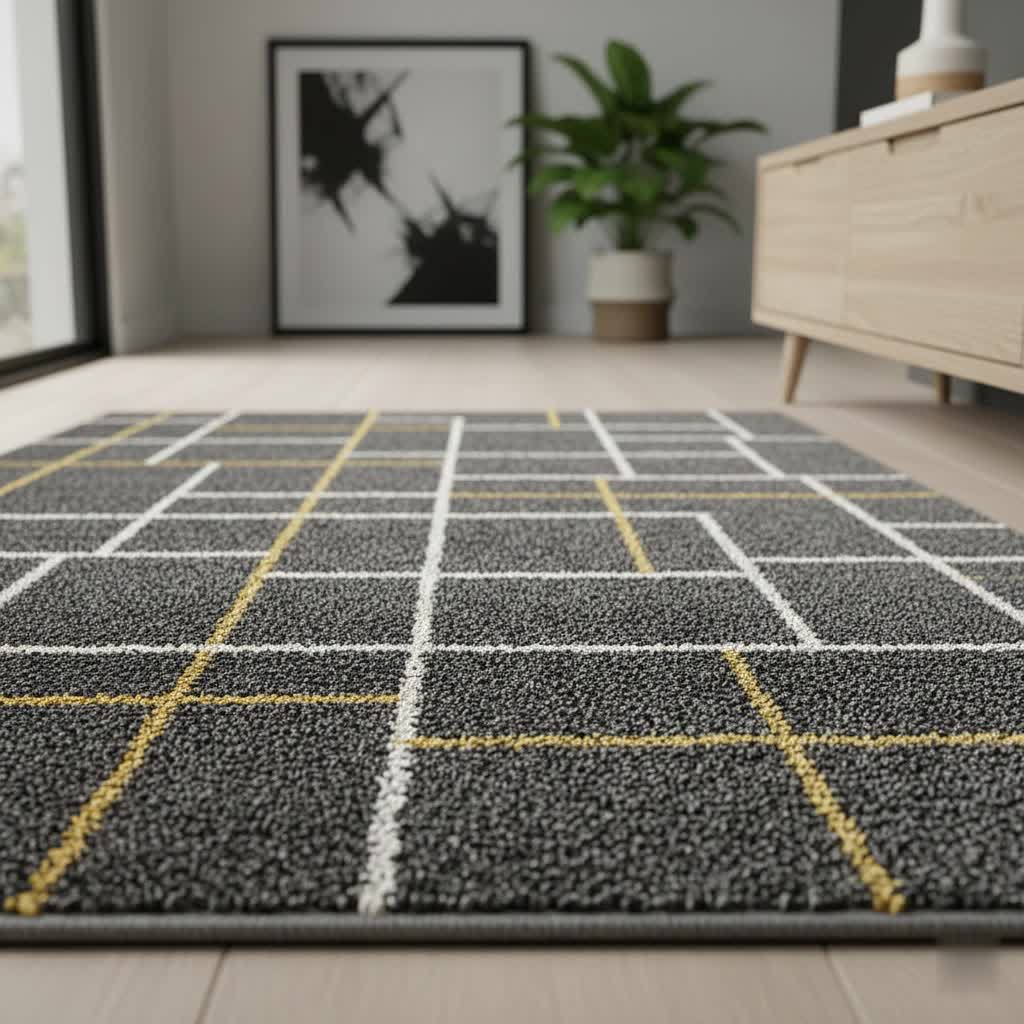
Choosing the perfect carpet can transform a room, and few choices make as bold and sophisticated a statement as a white and black carpet. This classic color combination offers unparalleled versatility, bringing a touch of elegance, drama, or playful pattern to any interior design scheme. Whether you’re aiming for a minimalist modern look, a chic bohemian vibe, or a sophisticated traditional setting, the right white and black carpet can serve as the cornerstone of your decor. From plush, cozy textures to sleek, low-pile designs, understanding the nuances of these captivating rugs is key to finding one that perfectly complements your home and lifestyle.
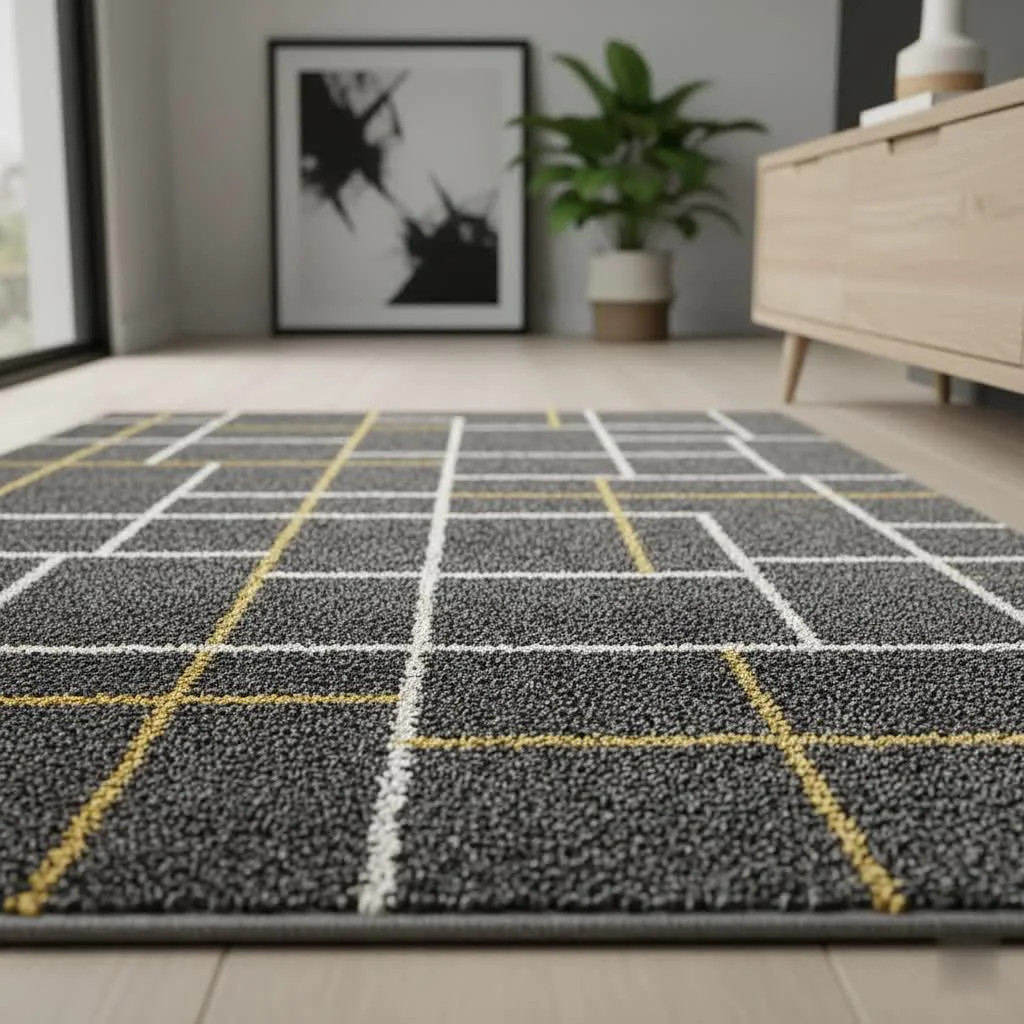
Popular White and Black Carpet Styles
White and black carpets come in a vast array of styles, each offering a unique aesthetic appeal. Understanding these can help you narrow down the perfect choice for your space. For home decor buying guides on this site.
Geometric Patterns
Geometric patterns are arguably the most iconic application of white and black carpets. They offer a dynamic visual interest that can anchor a room or act as a focal point.
- Pros: Modern, bold, hides minor spills and traffic patterns well, creates a sense of order.
- Cons: Can be overwhelming in small spaces if the pattern is too large or busy, requires careful consideration of existing decor to avoid clashing.
- Common Patterns:
- Stripes: From thin pinstripes to broad bands, stripes can visually lengthen a room or add a classic, tailored feel.
- Chevrons/Zigzags: Energetic and modern, perfect for adding a sense of movement.
- Diamonds/Grids: Offer a structured, often Art Deco-inspired elegance.
- Moroccan Trellis: A sophisticated and intricate geometric often seen in more bohemian or globally-inspired interiors.
- Choosing the Right Geometric: Consider the scale of your room. Larger patterns work well in expansive areas, while smaller, more intricate designs suit cozier spaces. Think about the overall geometry in your furniture and art; complement rather than compete.
Abstract and Artistic Designs
For those seeking a more contemporary or artistic flair, abstract white and black carpets provide a unique touch that can soften harsh lines or introduce an organic feel.
- Pros: Unique, modern, can be a conversation starter, often more forgiving with stains due to varied patterns.
- Cons: Can sometimes clash with overly traditional decor, may be more difficult to match with other abstract art pieces.
- Common Designs: Swirls, splatters, distressed looks, or free-form patterns that mimic natural textures or brushstrokes.
- Choosing Abstract: Look for designs that resonate with your personal style and the mood you want to create. An abstract pattern can be a great way to introduce softness and flow into a room dominated by straight lines.
Solid and Textured Designs
|
Our Picks for the Best Floor Rug in 2026
As an Amazon Associate I earn from qualifying purchases.
|
||
| Num | Product | Action |
|---|---|---|
| 1 | Ophanie Blue Rug, Boys 4x6 Rugs for Bedroom Royal Dark Blue Carpet Nursery Aesthetic, Kids Playroom Navy Area Rugs for Girls Teen Home Decor, Fluffy Shag Bedside Floor Living Room Carpet |

|
| 2 | OLANLY Area Rugs for Living Room Bedroom, Machine Washable 4x5.9 ft Soft Fluffy Shaggy Bedside Rug, Indoor Floor Carpet for Kids Girls and Boys, Dorms, Nursery Rooms, Home Decor Aesthetic, Black |
|
| 3 | OLANLY Area Rugs for Living Room Bedroom, Machine Washable 4x5.9 ft Soft Fluffy Shaggy Bedside Rug, Indoor Floor Carpet for Kids Girls and Boys, Dorms, Nursery Rooms, Home Decor Aesthetic, Coffee |
|
| 4 | OLANLY Area Rugs for Living Room Bedroom, Machine Washable 4x5.9 ft Soft Fluffy Shaggy Bedside Rug, Indoor Floor Carpet for Kids Girls and Boys, Dorms, Nursery Rooms, Home Decor Aesthetic, Beige |
|
| 5 | Ophanie Area Rugs for Living Room Bedroom, Upgrade Non-Slip Fluffy Soft Grey Shag Carpet, Indoor Floor Gray 4x6 Fuzzy Shaggy Living Room Plush Rug for Kids Home Dorm Decor Aesthetic |
|
| 6 | Ophanie Black Area Rugs for Bedroom Living Room, 4x6 Fluffy Fuzzy Shag Shaggy Carpet Soft Plush Furry Bedside Rug, Indoor Floor Rug for Kids Girls Boys Home Decor Aesthetic, Dorm Nursery |
|
| 7 | Ophanie Area Rugs for Bedroom, Christmas Upgrade Non-Slip Ivory Fluffy Soft Shag Living Room Carpet, Indoor Floor 4x6 Fuzzy Shaggy Living Room Plush Nursery Rug for Kids Home Dorm Decor Aesthetic |
|
| 8 | OLANLY Area Rugs for Living Room Bedroom, Machine Washable 4x5.9 ft Soft Fluffy Shaggy Bedside Rug, Indoor Floor Carpet for Kids Girls and Boys, Dorms, Nursery Rooms, Home Decor Aesthetic, Grey |
|
| 9 | OLANLY Area Rugs for Living Room Bedroom, Machine Washable 4x5.9 ft Soft Fluffy Shaggy Bedside Rug, Indoor Floor Carpet for Kids Girls and Boys, Dorms, Nursery Rooms, Home Decor Aesthetic, Burgundy |
|
| 10 | OLANLY Area Rugs for Living Room Bedroom, Machine Washable 4x5.9 ft Soft Fluffy Shaggy Bedside Rug, Indoor Floor Carpet for Kids Girls and Boys, Dorms, Nursery Rooms, Home Decor Aesthetic, Blush |
|
While patterns are popular, a solid white or black carpet can make a dramatic statement, especially when texture is involved.
- Pros: Timeless elegance, creates a sense of spaciousness (white) or intimacy (black), allows other decor elements to stand out.
- Cons: Shows dirt more easily (especially solid white), can feel too stark if not balanced with other textures and colors.
- Textural Variations:
- Shag/Frieze: Offers luxurious softness and a retro vibe, perfect for bedrooms or living rooms where comfort is key.
- Cut Pile/Loop Pile: Provides different levels of durability and feel underfoot. Cut pile is softer, while loop pile is more resilient.
- High-Low Pile: Creates subtle patterns through varying pile heights, adding visual interest without bold colors.
- Choosing Solid/Textured: Consider the function of the room. A plush shag might be ideal for a cozy reading nook, while a durable low-pile option is better for high-traffic areas. Introduce other textures like throws, pillows, and curtains to add warmth and depth to solid color schemes.
Choosing the Right White and Black Carpet: A Buyer’s Guide
Selecting the perfect white and black carpet involves more than just aesthetics; practical considerations like material, durability, and maintenance are crucial.
Determine Usage Needs
The first step is to consider where the carpet will be placed and what demands will be made of it.
- Size and Space:
- Area Rugs: Define zones in an open-plan space, anchor furniture groupings, or add a pop of color and texture. Measure your seating area to ensure the rug is large enough for at least the front legs of furniture to rest on it.
- Wall-to-Wall Carpeting: Provides warmth, sound absorption, and a seamless foundation for an entire room.
- Runners: Ideal for hallways, staircases, and kitchens, protecting floors and adding visual interest to narrow spaces.
- Material and Purpose:
- High-Traffic Areas (Living Rooms, Hallways): Opt for durable materials like wool, nylon, or polypropylene. Low pile is generally more resilient.
- Low-Traffic Areas (Bedrooms, Formal Dining): You have more flexibility for softer, more luxurious materials like silk or viscose blends, and higher piles.
- Kids/Pets: Choose stain-resistant and easy-to-clean synthetics. Wool is also naturally stain-resistant but can be more expensive.
- Color and Pattern with Interior Style:
- Modern/Minimalist: Geometric patterns, abstract designs, or solid textures can enhance sleek lines.
- Bohemian/Eclectic: Moroccan patterns, distressed abstract rugs, or even a bold geometric can add character.
- Traditional/Transitional: Classic patterns, subtle textures, or a refined bordered design in white and black can add sophistication.
Compare Prices and Brands
The market offers a wide range of white and black carpets at various price points.
- Reputable Brands: Look for established rug manufacturers known for quality and customer service. Brands like Safavieh, nuLOOM, Ruggable, and West Elm often feature white and black options.
- Average Price Range:
- Budget-Friendly (under $100 for a 5×7 area rug): Often made from synthetic fibers like polypropylene, offering good durability for the price.
- Mid-Range ($100-$500 for a 5×7): You’ll find a broader selection of synthetic blends, some wool blends, and more intricate designs.
- High-End ($500+ for a 5×7): Typically features natural fibers like pure wool, silk, or premium hand-tufted/knotted constructions, often with unique artisanal designs.
- Tips for Finding Good Deals: Shop during sales events, check online retailers that offer competitive pricing, and consider outlet stores for discontinued patterns.
Check Carpet Quality
A beautiful carpet is an investment, so assess its quality before purchasing.
- Recognizing Quality:
- Density: A denser pile (more fibers per square inch) generally indicates higher quality and durability. You can often feel this by pressing your fingers into the pile.
- Backing: A strong, flexible backing (often made of jute or cotton) helps the rug maintain its shape and prevents shedding.
- Construction:
- Hand-Knotted/Hand-Tufted: High-quality, durable, often more expensive. Look for even knots or loops.
- Machine-Made: More affordable, but quality varies. Check for even stitching and a secure backing.
- Online Shopping Considerations: Read customer reviews, pay attention to detailed product descriptions (material, pile height, construction method), and verify return policies. Requesting samples if available can be incredibly helpful for assessing color and texture in person.
- Warranty and Returns: Understand the warranty offered by the manufacturer and the retailer’s return policy, especially for large items like carpets.
Floor Rug Comparison Table
| Feature | Natural Fiber Rugs (e.g., Wool, Cotton, Jute) | Synthetic Fiber Rugs (e.g., Nylon, Polyester, Polypropylene) |
|---|---|---|
| Durability | Excellent (Wool is highly durable and resilient) | Good to Excellent (Nylon is very durable, Polypropylene is stain-resistant) |
| Softness | Excellent (Wool, Cotton) | Good (Polyester can be very soft, Nylon has a good feel) |
| Stain Resist. | Good (Wool has natural lanolin, but can absorb liquids if not treated) | Excellent (Especially Polypropylene, often treated for extra stain resistance) |
| Maintenance | Requires professional cleaning for deep stains; regular vacuuming. | Easy to clean, often spot-cleanable with mild detergents; regular vacuuming. |
| Cost | Higher | Lower to Mid-range |
| Appearance | Luxurious, rich texture, often more muted or natural color variations. | Wide range of vibrant colors and patterns, can mimic natural fibers. |
| Eco-Friendliness | Biodegradable, sustainable (especially wool, jute) | Less eco-friendly (made from petroleum products), but some are now made from recycled materials. |
| Best Use | Living rooms, bedrooms, areas where comfort and natural feel are desired. | High-traffic areas, kid’s rooms, basements, outdoor use (polypropylene). |
White and Black Carpet Cleaning and Maintenance Tips
Maintaining your white and black carpet is essential to preserve its beauty and extend its lifespan. Regular care and prompt stain treatment are key.
Regular Cleaning
Consistency is crucial for keeping your carpet looking fresh.
- Vacuuming: Vacuum white and black carpets regularly, at least 1-2 times per week, especially in high-traffic areas. Use a vacuum with strong suction and a beater bar for optimal dirt removal. For shag rugs, use a vacuum without a beater bar or on a high pile setting to avoid damaging the fibers.
- Deep Cleaning/Shampooing: Depending on traffic and use, plan for professional deep cleaning every 12-18 months. This removes embedded dirt and revitalizes the fibers. For smaller area rugs, you can use a home carpet cleaner, following the manufacturer’s instructions carefully.
- Deodorizing: Sprinkle baking soda evenly over the carpet, let it sit for 15-30 minutes (or longer for stubborn odors), then vacuum thoroughly. This is a natural and effective way to neutralize odors.
Stain Removal
Act quickly when spills occur to prevent stains from setting.
- Common Stains and Treatment:
- Liquids (Coffee, Wine, Juice): Blot immediately with a clean, white cloth, working from the outside of the stain inwards. Do not rub. Mix a solution of mild dish soap and water, apply sparingly, and continue blotting. Rinse with a damp cloth.
- Grease/Oil: Scrape off any excess. Apply a small amount of cornstarch or baking soda to absorb the grease, let it sit for 15-20 minutes, then vacuum. Follow with a mild detergent solution if needed.
- Mud: Let the mud dry completely. Scrape off as much as possible, then vacuum. Treat any remaining stain with a carpet cleaner or a mild soap solution.
- Specialized Cleaners: Keep a high-quality carpet stain remover specifically designed for your carpet fiber type on hand. Always test any cleaning solution on an inconspicuous area first to ensure it doesn’t cause discoloration.
- Natural Stain Remedies: White vinegar and water (50/50 solution) can be effective for many general stains and odors. Hydrogen peroxide (diluted) can be used on light-colored carpets for tougher stains, but always test first.
“For white and black carpets, quick action on spills is non-negotiable. The stark contrast means stains are more visible, so blot, don’t rub, and use appropriate cleaners promptly.” – Sarah Jenkins, Professional Interior Designer.
Proper Storage
If you need to store your white and black carpet, do so correctly to prevent damage.
- Clean Before Storage: Ensure the carpet is thoroughly clean and completely dry before storing to prevent mildew and odors.
- Roll, Don’t Fold: Roll the carpet tightly, pile side in, around a sturdy cardboard tube. Folding can create permanent creases.
- Protect from Elements: Wrap the rolled carpet in a breathable fabric (like a cotton sheet) or a specialized rug storage bag. Avoid plastic wraps that can trap moisture.
- Storage Location: Store in a cool, dry, well-ventilated area away from direct sunlight, extreme temperatures, and humidity. Elevate it slightly off the floor if possible.
- Pest Control: Consider adding mothballs or cedar chips (wrapped to prevent direct contact) to deter pests if storing for a long period.
Conclusion
A white and black carpet is a sophisticated and highly versatile choice that can elevate any room. Whether you prefer the clean lines of geometric patterns, the artistic flow of abstract designs, or the understated elegance of solid textures, this timeless combination offers endless possibilities for creating a truly unique and inviting space. By carefully considering the style, material, and maintenance requirements, you can select a white and black carpet that not only complements your aesthetic but also stands up to the demands of daily life. With proper care, your white and black carpet will remain a stunning focal point, making a lasting impression for years to come. What statement will your white and black carpet make in your home?
Frequently Asked Questions
Are white and black carpets hard to keep clean?
While solid white areas can show dirt more easily, many white and black carpets feature patterns that are surprisingly effective at camouflaging minor spills and daily dust. The contrast itself can help blend imperfections, especially in geometric or abstract designs. Regular vacuuming and prompt spot treatment are key to maintaining their appearance.
What furniture colors go well with a white and black carpet?
White and black carpets are incredibly versatile. They pair beautifully with a wide range of furniture colors, including neutrals like grey, beige, and tan for a cohesive look. For a bolder statement, you can introduce pops of color such as emerald green, navy blue, or rich jewel tones, as the black and white base acts as a neutral canvas.
Can white and black carpets be used in small rooms?
Absolutely! In a small room, a white and black carpet can either make the space feel larger (if predominantly white with black accents) or create a cozy, intimate atmosphere (if predominantly black). Choose a pattern scale that suits the room size; smaller, more intricate patterns often work best in compact areas to avoid overwhelming the space.
Is wool or synthetic better for a white and black carpet?
Both wool and synthetics have merits. Wool is a premium natural fiber, offering excellent durability, softness, and natural stain resistance, but comes at a higher price. Synthetics like nylon and polypropylene are more budget-friendly, highly durable, and often have superior stain and fade resistance, making them ideal for high-traffic areas or homes with pets and children. The best choice depends on your budget, lifestyle, and priorities.
How do I prevent a white and black carpet from shedding?
Shedding is common with new carpets, especially those made of wool. Regular, gentle vacuuming in the first few weeks or months can help remove loose fibers. For persistent shedding, ensure your vacuum’s beater bar isn’t too aggressive or try a vacuum designed for delicate rugs. Over time, shedding should significantly decrease.
Pet products vetted on real animals
Free PDF — protein DMB calculator + 18 dog foods rated.
