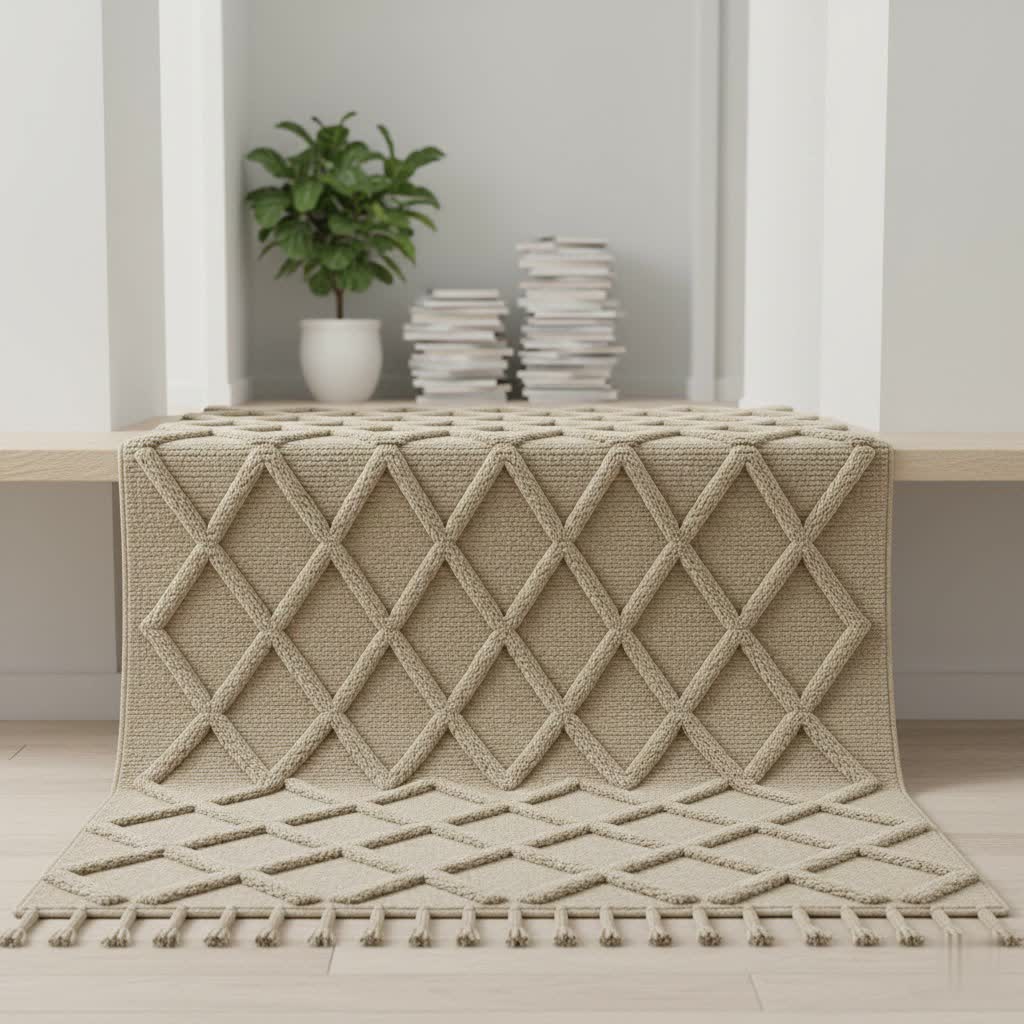
Choosing the right floor rug can dramatically transform any room, adding warmth, defining spaces, and injecting personality. But if you’re navigating the world of home decor on a tight budget, the idea of finding a high-quality, stylish rug that doesn’t break the bank might seem daunting. Rest assured, you don’t need an unlimited budget to create a stunning home. This guide, drawing on over a decade of experience in home furnishings, will empower you to make informed decisions, ensuring your affordable floor rug selections enhance your living space beautifully and functionally.
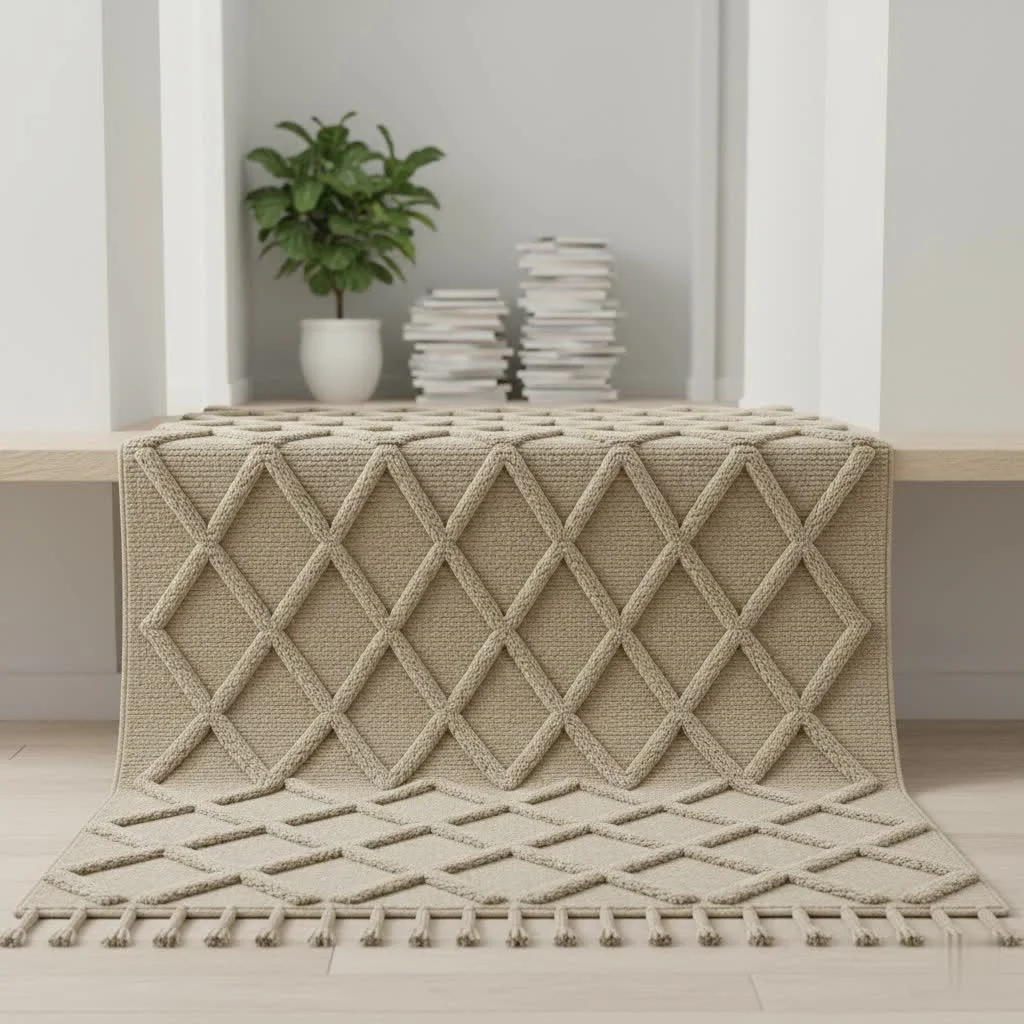
Popular Affordable Floor Rug Types
When considering budget-friendly floor coverings, understanding the materials and construction types is your first step toward smart shopping. Affordable rugs often come in a variety of natural and synthetic fibers, each offering unique benefits and drawbacks. For browse all home decor articles on this site.
Natural Fiber Rugs
Natural fiber rugs bring an organic texture and earthy aesthetic into your home, often at a more accessible price point than their premium counterparts like wool or silk.
- Pros and Cons: These rugs are celebrated for their eco-friendliness and ability to add natural warmth. They can be less durable in high-traffic areas and may be more prone to staining compared to some synthetic options. However, many natural fibers offer inherent durability and a timeless appeal.
- Common Types:
- Jute: Known for its coarse, rustic texture and natural golden-brown hue. Jute rugs are soft underfoot and an excellent choice for adding a relaxed, bohemian vibe. They are generally durable for low to moderate traffic.
- Sisal: A stiffer, more durable fiber than jute, sisal offers a more refined, uniform weave. It’s highly resistant to wear and tear, making it suitable for busier areas, though it can be less soft.
- Cotton (Dhurries): Cotton rugs, particularly flatweave dhurries, are lightweight, reversible, and come in a vast array of colors and patterns. They are relatively inexpensive and easy to clean, ideal for casual spaces.
- Choosing Wisely: Natural fiber rugs are best suited for areas where comfort and aesthetic are prioritized over extreme durability, such as bedrooms, living rooms, or dining areas. If you adore the look of wool but need to economize, consider machine-made wool blends or tufted wool rugs, which can offer a similar aesthetic at a fraction of the cost.
Synthetic Fiber Rugs
Synthetic rugs are a powerhouse of affordability, durability, and versatility, making them a top choice for budget-conscious homeowners. Advancements in manufacturing mean today’s synthetics can mimic the look and feel of natural fibers surprisingly well.
- Pros and Cons: Their primary advantages include excellent stain resistance, fade resistance, and a wide spectrum of vibrant colors and patterns. They are often easy to clean and generally more budget-friendly than natural options. Durability varies by type, with some synthetics outperforming others.
- Common Types:
- Polyester: Highly affordable and renowned for its ability to hold vibrant colors, polyester is naturally stain-resistant, making it ideal for homes with pets or children. While not as durable as nylon, recent innovations have improved its resilience, making it suitable for low-to-medium traffic areas like bedrooms.
- Nylon: A step up in durability and cost from polyester, nylon is celebrated for its exceptional resilience and ability to bounce back from crushing. It’s highly resistant to stains and fading, making it an excellent choice for high-traffic zones such as hallways and living rooms. Printed nylons can replicate expensive, on-trend designs affordably.
- Olefin (Polypropylene): This is one of the most budget-friendly synthetic options and excels in moisture resistance, making it perfect for basements, outdoor spaces, or areas prone to spills. While not as durable as nylon, its low cost makes it attractive for temporary solutions or areas where moisture is a concern. Many popular indoor/outdoor rugs are made from polypropylene.
- Choosing Wisely: Consider polyester for softness and color in low-traffic areas. Opt for nylon where durability and resilience are key, especially in busy family homes. Polypropylene is your go-to for moisture-prone environments or outdoor use.
Cost-Effective Carpet Styles
|
Our Picks for the Best Floor Rug in 2026
As an Amazon Associate I earn from qualifying purchases.
|
||
| Num | Product | Action |
|---|---|---|
| 1 | Ophanie Blue Rug, Boys 4x6 Rugs for Bedroom Royal Dark Blue Carpet Nursery Aesthetic, Kids Playroom Navy Area Rugs for Girls Teen Home Decor, Fluffy Shag Bedside Floor Living Room Carpet |

|
| 2 | OLANLY Area Rugs for Living Room Bedroom, Machine Washable 4x5.9 ft Soft Fluffy Shaggy Bedside Rug, Indoor Floor Carpet for Kids Girls and Boys, Dorms, Nursery Rooms, Home Decor Aesthetic, Black |
|
| 3 | OLANLY Area Rugs for Living Room Bedroom, Machine Washable 4x5.9 ft Soft Fluffy Shaggy Bedside Rug, Indoor Floor Carpet for Kids Girls and Boys, Dorms, Nursery Rooms, Home Decor Aesthetic, Burgundy |
|
| 4 | Ophanie Area Rugs for Bedroom, Christmas Upgrade Non-Slip Ivory Fluffy Soft Shag Living Room Carpet, Indoor Floor 4x6 Fuzzy Shaggy Living Room Plush Nursery Rug for Kids Home Dorm Decor Aesthetic |
|
| 5 | OLANLY Area Rugs for Living Room Bedroom, Machine Washable 4x5.9 ft Soft Fluffy Shaggy Bedside Rug, Indoor Floor Carpet for Kids Girls and Boys, Dorms, Nursery Rooms, Home Decor Aesthetic, Blush |
|
| 6 | OLANLY Area Rugs for Living Room Bedroom, Machine Washable 4x5.9 ft Soft Fluffy Shaggy Bedside Rug, Indoor Floor Carpet for Kids Girls and Boys, Dorms, Nursery Rooms, Home Decor Aesthetic, Grey |
|
| 7 | OLANLY Area Rugs for Living Room Bedroom, Machine Washable 4x5.9 ft Soft Fluffy Shaggy Bedside Rug, Indoor Floor Carpet for Kids Girls and Boys, Dorms, Nursery Rooms, Home Decor Aesthetic, Beige |
|
| 8 | Ophanie Black Area Rugs for Bedroom Living Room, 4x6 Fluffy Fuzzy Shag Shaggy Carpet Soft Plush Furry Bedside Rug, Indoor Floor Rug for Kids Girls Boys Home Decor Aesthetic, Dorm Nursery |
|
| 9 | OLANLY Area Rugs for Living Room Bedroom, Machine Washable 4x5.9 ft Soft Fluffy Shaggy Bedside Rug, Indoor Floor Carpet for Kids Girls and Boys, Dorms, Nursery Rooms, Home Decor Aesthetic, Coffee |
|
| 10 | Ophanie Area Rugs for Living Room Bedroom, Upgrade Non-Slip Fluffy Soft Grey Shag Carpet, Indoor Floor Gray 4x6 Fuzzy Shaggy Living Room Plush Rug for Kids Home Dorm Decor Aesthetic |
|
Beyond area rugs, wall-to-wall carpeting also offers budget-friendly styles that balance aesthetics and performance. The construction style significantly influences cost and durability.
- Loop Pile (Berber): Characterized by its uncut loops, Berber carpet is incredibly durable and cost-effective, particularly for high-traffic areas. Its tightly woven loops resist crushing and wear, making it a practical choice for busy households. Berber often comes in versatile neutral tones that complement various interior designs.
- Frieze (Twist Pile): As a type of cut-pile carpet, frieze features long, twisted fibers that curl back on themselves. This construction creates a textured surface that is durable, hides footprints and vacuum marks well, and offers an affordable alternative to more luxurious plush cut piles.
- Carpet Tiles: For a highly cost-effective and flexible flooring solution, carpet tiles are an excellent option. They are easy to install, replace, and maintain, making them practical for basements, playrooms, or home offices. Individual tiles can be replaced if damaged, saving on long-term repair costs.
- What to Avoid for Strict Budgets: Generally, avoid plush cut-pile carpets and intricate cut-and-loop styles if budget is a primary concern, as their manufacturing processes tend to be more expensive.
Your Essential Guide to Buying Cheap Floor Rugs
Finding a floor rug that looks expensive but costs little requires a strategic approach. It’s about making smart choices that maximize impact without overspending.
Define Your Needs
Before you start shopping, clarify what you need from your rug. This will narrow your options and prevent impulse buys.
- Size Matters Most: A common mistake is buying a rug that’s too small for the room, making the space feel disjointed. “A larger rug makes the room feel bigger, so when searching for a rug without breaking the budget, think scale before name brand,” advises interior designer Samantha Gallacher. Ensure that at least the front two legs of your main furniture pieces in a seating area rest on the rug. If you can’t afford a large rug for a big room, consider layering a smaller, more decorative rug over a large, inexpensive natural fiber rug like jute.
- Purpose and Placement: High-traffic areas like hallways and living rooms demand durable, easy-to-clean materials like nylon or polypropylene. For low-traffic zones such as bedrooms, you can opt for softer, less resilient materials like polyester or cotton.
- Style and Aesthetics: Think about your existing decor. Neutral colors (beige, gray, taupe) are timeless and widely available, often at lower price points. Bold patterns can hide dirt and add visual interest, but ensure they complement your room’s overall vibe.
Compare Prices and Brands
The market for affordable rugs is vast, offering many avenues to find great deals.
- Reputable Online Retailers: Websites like Wayfair, Rugs USA, Amazon, IKEA, Tumble, Bed Bath & Beyond, Etsy, Joss & Main, and AllModern offer extensive selections with frequent sales. Online shopping allows for easy price comparison and access to customer reviews.
- Discount Stores and Outlet Shopping: Stores such as TJ Maxx, Marshalls, and HomeGoods frequently stock rugs at significantly reduced prices. These stores purchase in bulk or carry overstock, passing the savings to you.
- Seasonal Sales and Deals: Major holidays (like Presidents’ Day, Memorial Day, Black Friday) are prime times for rug sales. Sign up for email newsletters from your favorite retailers to receive alerts on exclusive discounts and promotions.
- Secondhand Treasures: Flea markets, estate sales, and thrift stores can be goldmines for unique, vintage rugs at a fraction of their original cost. Be prepared to invest in a professional cleaning for any secondhand finds to ensure they are fresh and free from pests.
Check Rug Quality on a Budget
Even when buying cheap, you can still find good quality. Knowing what to look for will help you avoid flimsy options.
- Understanding Construction: Tufted vs. Hand-Knotted: Hand-knotted rugs are meticulously made, one knot at a time, which accounts for their high price. For budget-friendly options, consider tufted rugs. These are still handcrafted using a tufting gun, making them more affordable. While they might shed a bit more initially, especially if made with certain wools, regular vacuuming helps.
- The Role of Rug Pads: A quality rug pad is a non-negotiable investment, particularly for thinner, more affordable rugs. It provides cushioning, prevents the rug from slipping (a critical safety feature, especially in high-traffic areas), and extends the rug’s lifespan by reducing wear and tear on the fibers. A thicker pad can make even a low-pile rug feel more luxurious.
- Spotting Value: Look for dense, tight weaving and consistent patterns. Even in synthetic materials, a denser pile often indicates better quality and durability.
Floor Rug Comparison Table
Here’s a quick overview to help you decide which material might be best for your needs and budget:
| Feature | Polyester | Nylon | Polypropylene (Olefin) | Jute/Cotton (Natural) | Berber (Loop Pile Carpet) |
|---|---|---|---|---|---|
| Cost | Low | Medium-Low | Very Low | Low-Medium (for rugs) | Medium-Low (for carpet) |
| Durability | Good for low-medium traffic | Excellent for high traffic | Good for low traffic/outdoor | Moderate (Jute), Good (Cotton for rugs) | Excellent for high traffic |
| Stain Resistance | Excellent (naturally) | Excellent (often treated) | Excellent (naturally) | Moderate (Cotton), Low (Jute) | Good (tight weave helps) |
| Best Use Area | Bedrooms, low-traffic living rooms | Living rooms, hallways, family rooms | Basements, outdoor, kitchens | Bedrooms, casual living rooms, dining rooms | Living rooms, hallways, commercial spaces |
| Aesthetic | Soft, vibrant colors, can mimic wool | Wide range of styles, resilient | Often more textured, indoor/outdoor styles | Natural, earthy, rustic, bohemian | Clean, uniform, often neutral tones |
| Pros | Affordable, soft, colorfast, stain-res. | Very durable, resilient, fade-res., easy to clean | Moisture-res., budget-friendly, easy to clean | Eco-friendly, unique texture, breathable | Durable, crush-res., long-lasting, versatile |
| Cons | Less resilient, can flatten over time | Can be more expensive than other synthetics | Less soft, less resilient, can show oil stains | Can shed, less stain-res., can be rough | Less soft/plush, can snag if loops are cut |
Cleaning and Maintaining Your Affordable Floor Rugs
Extending the life of your affordable floor rugs largely depends on consistent care and timely intervention. Proper maintenance can make your budget-friendly choices look great for years.
Routine Care
Regular cleaning is the cornerstone of rug longevity.
- Vacuum Regularly: Vacuuming at least once a week, and more often in high-traffic areas or homes with pets, prevents dirt and debris from settling deep into the fibers, which can cause premature wear. For shag or high-pile rugs, consider using a vacuum with an adjustable height setting or a beater bar that can be turned off to avoid damaging the fibers.
- Protect from Sunlight and Humidity: Direct, prolonged sunlight can cause rug colors to fade, especially with synthetic dyes. Rotate your rugs periodically or use window treatments to block harsh UV rays. High humidity can encourage mold and mildew, particularly in natural fiber rugs or in basements; ensure good ventilation.
Tackling Stains and Spills
Swift action is crucial for stain removal, especially with more absorbent fibers.
- Quick Response is Key: As soon as a spill occurs, blot it immediately with a clean, white cloth, working from the outside of the spill inward to prevent spreading. Avoid rubbing, which can push the stain deeper into the fibers.
- Spot Cleaning Methods: For most common spills, a mixture of mild dish soap and water can be effective. Apply the solution to a clean cloth and gently blot the stain. Always test any cleaning solution on an inconspicuous area first. Washable rugs, often made of polyester or polypropylene, offer the ultimate convenience as they can be machine-washed (air-dry to prevent shrinkage).
- When to Call Professionals: For tough stains, delicate natural fibers, or particularly dirty secondhand rugs, professional cleaning is highly recommended. Experts like Erik Lindström, a rug designer, suggest an annual professional cleaning, noting, “If you don’t clean your rug regularly, moths can get in and lay eggs and destroy your rug—especially if you are buying it secondhand.”
Proper Storage
If you need to store a rug, doing it correctly will protect your investment.
- Roll, Don’t Fold: Always roll your rug, rather than folding it, to prevent creases and damage to the backing. Roll it tightly with the pile facing outwards to minimize pressure on the fibers.
- Protect from Pests and Moisture: Ensure the rug is completely clean and dry before storage. Wrap it in breathable fabric (like cotton sheets) or a heavy-duty plastic cover to protect against dust, insects, and moisture. Store it in a cool, dry, elevated place.
Conclusion
Finding affordable floor rugs doesn’t mean compromising on style, comfort, or functionality. By understanding different materials, knowing where to hunt for deals, and applying smart buying and maintenance strategies, you can effortlessly improve your home’s aesthetic without draining your wallet. From durable synthetics perfect for busy family areas to charming natural fibers that add a touch of warmth, there’s a budget-friendly rug out there for every need and taste. So, why not embark on your rug shopping journey with confidence and improve your space today? What unique, budget-friendly rug finds have you discovered that brought your room to life?
Frequently Asked Questions
What is the cheapest rug material?
The cheapest rug materials are typically synthetic fibers like polypropylene (olefin) and polyester. These offer excellent value, especially for their stain resistance and suitability for high-traffic or moisture-prone areas. Natural cotton dhurries also represent a very affordable natural fiber option for rugs, especially in smaller sizes.
Are cheap rugs durable?
The durability of cheap rugs varies significantly by material and construction. Synthetic options like nylon and polypropylene are surprisingly durable for their price point, especially in loop-pile constructions. Polyester, while affordable and stain-resistant, may be less resilient in very high-traffic areas compared to nylon. Proper care and the use of a rug pad can significantly extend the lifespan of even inexpensive rugs.
Where can I buy affordable large rugs?
You can find affordable large rugs at online retailers such as Wayfair, Rugs USA, Amazon, IKEA, and HomeGoods. Shopping during major sales events (like holiday weekends) or checking clearance sections can also yield significant savings on larger sizes. Consider layering a smaller, more refined rug over a large, inexpensive natural fiber rug to cover a big area stylishly and affordably.
How can I make a cheap rug look more expensive?
To make a cheap rug look more expensive, choose the right size (ensure it adequately anchors your furniture). Layering a smaller, decorative rug over a larger, inexpensive natural fiber base rug can add depth and luxury. Opt for neutral colors or classic patterns that don’t easily go out of style. Always use a good quality rug pad underneath for added cushioning and stability, which instantly makes any rug feel plusher and more substantial.
Pet products vetted on real animals
Free PDF — protein DMB calculator + 18 dog foods rated.

This was exactly what I needed! I wanted to define the dining area in my open-plan apartment without spending a fortune. The tips on choosing the right size and material for high-traffic areas were spot on. I found a beautiful, durable rug that really ties the room together, and it didn’t break my budget at all. So happy with my purchase!
I was hoping for more specific brand recommendations in the affordable range. While the material explanations were helpful, I still felt a bit lost when it came to actually picking one out. I did end up finding a decent wool blend rug for my bedroom, but it took a lot more searching than I anticipated. It’s comfortable, but I wish the color was a bit richer.
I was really struggling to find a rug that fit my living room’s aesthetic without costing a fortune. This guide helped me understand the different synthetic fibers available. I ended up getting a polypropylene rug, and it’s been fantastic! It’s super easy to clean, which is a huge plus with kids and pets, and it looks way more expensive than it was.
I appreciated the breakdown of natural fiber rugs. I’ve always loved the look of jute, but thought it was out of my price range. After reading this, I found a great deal on a smaller jute rug for my entryway. It adds such a nice texture and warmth to the space. My only minor complaint is that it sheds a tiny bit at first, but that seems to be settling down.