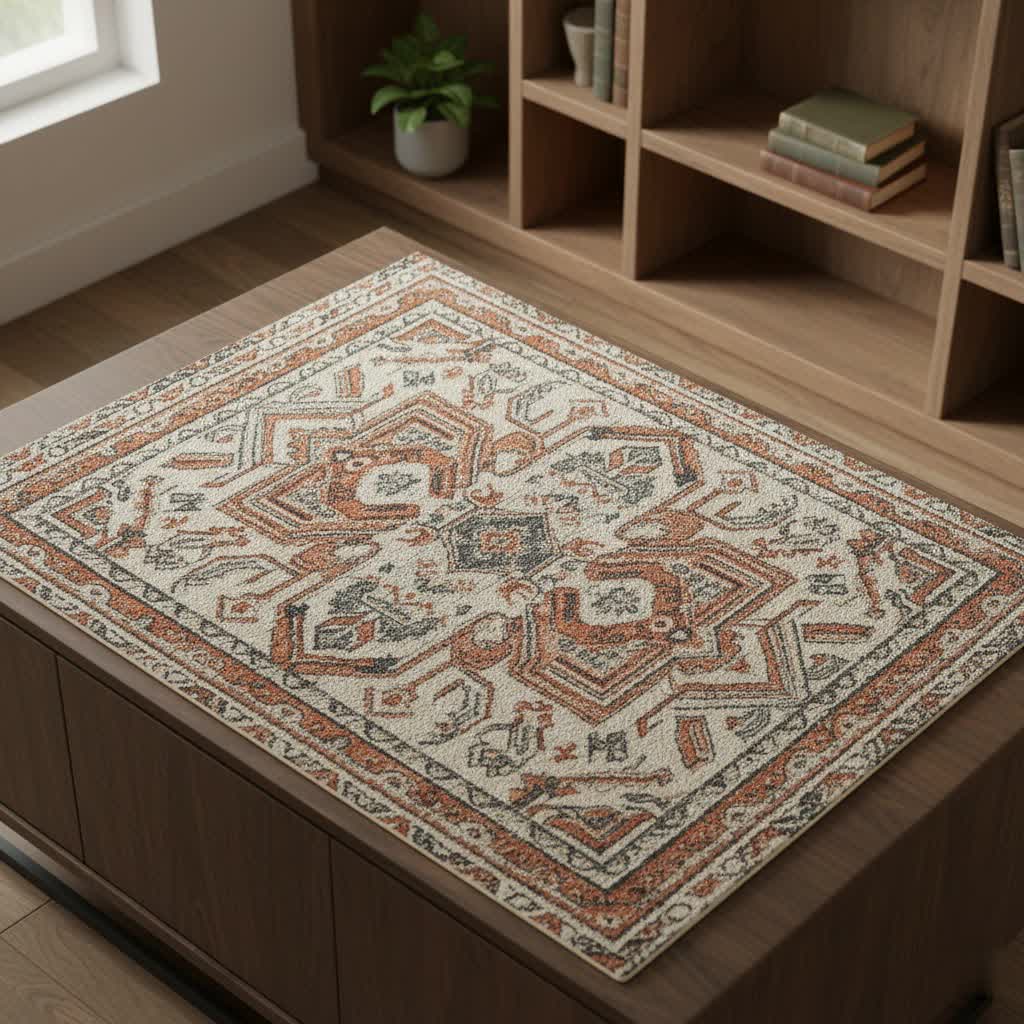
Stepping into a home, few elements make an immediate impact quite like carpeting. More than just a floor covering, a well-chosen carpet defines a space, offering warmth, comfort, and a touch of personal style. Yet, with an overwhelming array of materials, textures, and designs available, selecting the perfect carpet can feel like navigating a maze. This comprehensive guide will simplify the process, equipping you with the expert knowledge needed to choose, buy, and maintain carpets that perfectly complement your lifestyle and home.

Popular Carpet Types for Your Home
Understanding the fundamental types of carpet fibers and styles is the first step to making an informed decision. These choices directly impact durability, feel, and maintenance.
Natural Fiber Carpets
Natural fibers bring inherent beauty and unique qualities to your living spaces, often prized for their sustainability and distinct textures.
- Wool Carpet
Wool is often considered the gold standard for its luxurious feel and exceptional durability. It is naturally flame-resistant, abrasion-resistant, and has a natural resistance to staining, though it can react to alkaline detergents. While higher in price, its longevity and aesthetic appeal make it a worthy investment, particularly for moderate to high-traffic areas where comfort is paramount. - Other Natural Fibers (Cotton, Jute, Sisal)
Beyond wool, other natural fibers like cotton, jute, sisal, hemp, and seagrass are gaining popularity, especially in area rugs, but are also found in broader carpet applications. These fibers offer unique textures and an eco-friendly appeal. However, they are generally less durable than wool and may be more susceptible to moisture damage, often benefiting from blends with synthetic materials to enhance softness, durability, and mold resistance. They are best suited for low-traffic zones where their distinct aesthetic can be appreciated without extensive wear.
Synthetic Fiber Carpets
Synthetic carpets dominate the market due to their versatility, affordability, and engineered performance characteristics.
- Nylon Carpet
Nylon stands as the most popular synthetic carpet fiber, renowned for its resilience, versatility, and outstanding durability. It can last up to 15 years with proper care and is highly resistant to everyday wear, moisture, and crushing. When treated with a stain repellent, nylon also offers reliable stain resistance, making it an excellent choice for high-traffic areas and active households. - Polyester Carpet
Polyester carpets are celebrated for their luxurious softness and ability to hold vibrant, fade-resistant colors. This hydrophobic fiber naturally repels liquids, contributing to its notable stain-resistant qualities against many common spills and making it suitable for environments prone to moisture. However, polyester has lower resilience and can show signs of wear in high-traffic areas and is not inherently resistant to oil-based stains. - Olefin (Polypropylene) Carpet
Olefin is a budget-friendly synthetic fiber known for its natural resistance to stains and moisture. Its solution-dyed fibers ensure extreme colorfastness, making it highly resistant to fading from sunlight or harsh chemicals. While excellent for areas prone to water damage like basements, olefin is the least resilient synthetic fiber and may show wear quickly, making it best for low-traffic applications or outdoor settings. - Triexta (SmartStrand) Carpet
Often positioned as an advanced synthetic, Triexta, commonly known as SmartStrand, is lauded for being inherently stain-proof and exceptionally durable. It offers an excellent balance of value and performance, often outperforming polyester in durability while being more cost-effective than nylon. Its stain resistance is built into the fiber, not just a treatment, making it ideal for busy homes with children and pets.
Decorative Carpet Styles
|
Our Picks for the Best Floor Rug in 2026
As an Amazon Associate I earn from qualifying purchases.
|
||
| Num | Product | Action |
|---|---|---|
| 1 | Ophanie Black Area Rugs for Bedroom Living Room, 4x6 Fluffy Fuzzy Shag Shaggy Carpet Soft Plush Furry Bedside Rug, Indoor Floor Rug for Kids Girls Boys Home Decor Aesthetic, Dorm Nursery |

|
| 2 | Ophanie Area Rugs for Living Room Bedroom, Upgrade Non-Slip Fluffy Soft Grey Shag Carpet, Indoor Floor Gray 4x6 Fuzzy Shaggy Living Room Plush Rug for Kids Home Dorm Decor Aesthetic |
|
| 3 | Ophanie Blue Rug, Boys 4x6 Rugs for Bedroom Royal Dark Blue Carpet Nursery Aesthetic, Kids Playroom Navy Area Rugs for Girls Teen Home Decor, Fluffy Shag Bedside Floor Living Room Carpet |
|
| 4 | OLANLY Area Rugs for Living Room Bedroom, Machine Washable 4x5.9 ft Soft Fluffy Shaggy Bedside Rug, Indoor Floor Carpet for Kids Girls and Boys, Dorms, Nursery Rooms, Home Decor Aesthetic, Grey |
|
| 5 | OLANLY Area Rugs for Living Room Bedroom, Machine Washable 4x5.9 ft Soft Fluffy Shaggy Bedside Rug, Indoor Floor Carpet for Kids Girls and Boys, Dorms, Nursery Rooms, Home Decor Aesthetic, Black |
|
| 6 | OLANLY Area Rugs for Living Room Bedroom, Machine Washable 4x5.9 ft Soft Fluffy Shaggy Bedside Rug, Indoor Floor Carpet for Kids Girls and Boys, Dorms, Nursery Rooms, Home Decor Aesthetic, Blush |
|
| 7 | Ophanie Area Rugs for Bedroom, Christmas Upgrade Non-Slip Ivory Fluffy Soft Shag Living Room Carpet, Indoor Floor 4x6 Fuzzy Shaggy Living Room Plush Nursery Rug for Kids Home Dorm Decor Aesthetic |
|
| 8 | OLANLY Area Rugs for Living Room Bedroom, Machine Washable 4x5.9 ft Soft Fluffy Shaggy Bedside Rug, Indoor Floor Carpet for Kids Girls and Boys, Dorms, Nursery Rooms, Home Decor Aesthetic, Beige |
|
| 9 | OLANLY Area Rugs for Living Room Bedroom, Machine Washable 4x5.9 ft Soft Fluffy Shaggy Bedside Rug, Indoor Floor Carpet for Kids Girls and Boys, Dorms, Nursery Rooms, Home Decor Aesthetic, Coffee |
|
| 10 | OLANLY Area Rugs for Living Room Bedroom, Machine Washable 4x5.9 ft Soft Fluffy Shaggy Bedside Rug, Indoor Floor Carpet for Kids Girls and Boys, Dorms, Nursery Rooms, Home Decor Aesthetic, Burgundy |
|
Beyond the fiber, the way a carpet is constructed significantly influences its appearance, texture, and performance.
- Cut Pile Carpets
Cut pile carpets are created by cutting the yarn loops, resulting in upright fibers that offer a soft, luxurious feel.- Saxony: Features densely woven, tightly twisted, and evenly cut fibers for a smooth, velvety surface. Best for low-traffic, formal areas as it can show footprints.
- Plush: Similar to Saxony but with shorter, denser fibers, offering a very smooth and soft, luxurious appearance. Also less durable for high traffic.
- Textured: Made with uneven, twisted fibers, creating a full and textured surface. It’s durable and excellent at hiding footprints and dirt, making it suitable for busy households and medium to heavy traffic.
- Frieze: Distinguished by long, twisted, and kinked fibers, creating a curly, knobby, shag-like surface. Frieze is highly durable and stain-resistant, making it a great choice for high-traffic areas, though it can be harder to clean.
- Loop Pile Carpets
Loop pile carpets keep the yarn loops intact, resulting in a durable and resilient surface.- Berber: A popular loop pile style known for its distinctive loop pattern and durability. Berber carpets are resistant to wear and tear and can handle heavy foot traffic, making them ideal for basements, hallways, and stairs.
- Cut & Loop Pile Carpets
These carpets combine both cut and looped fibers to create patterned and textured designs. They can be level or multi-level, offering visual interest and adding elegance to a room. While visually appealing, they tend to show wear more quickly than pure loop piles, making them best suited for low to moderate traffic areas.
Your Essential Carpet Buying Guide
Choosing a new carpet is a significant investment in your home’s comfort and style. Careful consideration will ensure you make the best decision.
Identifying Your Needs
Before even looking at samples, define what you need from your carpet.
- Determine Usage & Space: Consider the room’s function and traffic level. Bedrooms often benefit from softer, more luxurious carpets like plush or frieze, while hallways, stairs, and playrooms demand durable, stain-resistant options like nylon or Berber. For dining rooms prone to spills, a low-pile, stain-resistant material is crucial.
- Size & Dimensions: Accurate measurements are paramount. A carpet that is too small can make a room feel disconnected, while one that is too large can overwhelm it. Consider how color impacts perception: darker carpets can make larger rooms feel cozier, while lighter shades tend to open up a space and make it feel more expansive.
- Color, Pattern & Style: The carpet should complement your existing decor. Neutral tones offer versatility, while patterns can hide minor stains and add visual interest. Think about the overall aesthetic you want to achieve—modern, traditional, or bohemian—and how the carpet will contribute to that vision.
Comparing Quality and Value
Beyond the initial appeal, delve into the specifics of carpet quality and the true cost.
- Evaluate Quality: A quick test for carpet quality involves pressing your thumb into a sample. The faster it springs back, the denser and more resilient the carpet is likely to be. Look for tightly twisted and dense fibers, which indicate better durability.
- Price and Hidden Costs: The sticker price of the carpet is only part of the equation. Always factor in additional costs such as quality padding, professional installation, removal of old carpeting, and moving furniture. Some companies may try to reuse old padding, which is a poor idea as it has already compressed and lost its support. Ensure your estimate is comprehensive to avoid surprises.
- Brand Reputation: Research reputable carpet companies and read customer reviews. While specific brands like Lifeproof (available at Home Depot) are known for certain features like spill resistance, also consider companies praised for their customer service and professional installation. Warranties can vary significantly; some manufacturers require professional cleaning at specific intervals (e.g., every 18 months) to maintain warranty validity.
“Choosing the right carpet is about balancing aesthetics with functionality. Don’t be swayed by looks alone; always consider the daily demands of your household and how the carpet will hold up over time.” – Jane Doe, Interior Design Specialist
Installation Considerations
Professional installation is a critical component of ensuring your carpet performs as expected and lasts for years. Poor installation can lead to bubbling, premature wear, and an unsightly finish. Discuss the installation process in detail with your supplier, including timelines and any preparation required on your part. Padding is also a crucial, often overlooked, component. It provides essential cushioning, improves insulation, reduces noise, and extends the lifespan of your carpet. Consult with a professional to select the appropriate padding for your chosen carpet type and intended use.
Carpet Type Comparison Table
| Feature | Wool | Nylon | Polyester | Olefin (Polypropylene) | Triexta (SmartStrand) |
|---|---|---|---|---|---|
| Fiber Type | Natural | Synthetic | Synthetic | Synthetic | Synthetic |
| Durability | Excellent | Excellent (Most durable synthetic) | Good (Low resilience in high-traffic) | Fair (Least resilient synthetic) | Excellent (Stain-proof, very durable) |
| Softness | Very High | High | Very High | Moderate | High |
| Stain Resistance | Natural (repels liquids, reacts to alkali) | Good (when treated) | Good (liquid spills) | Excellent (moisture & most stains) | Excellent (built-in, stain-proof) |
| Fade Resistance | Good | Good | Very Good | Excellent (solution-dyed) | Excellent |
| Cost | High | Moderate to High | Low to Moderate | Low | Moderate |
| Best Use | Low-med traffic, luxurious feel, bedrooms | High-traffic areas, versatile | Low-med traffic, bedrooms, vibrant colors | Low-traffic, basements, outdoor | High-traffic, pet/kid-friendly, durability |
| Drawbacks | Expensive, specific cleaning | Can be expensive | Low resilience, oil stains | Low resilience, crushes easily | Can be higher initial cost |
Carpet Cleaning and Maintenance Tips
Maintaining your carpet properly will preserve its appearance, extend its lifespan, and ensure a healthy home environment.
Regular Cleaning
Consistency is key to keeping your carpets looking fresh.
- Vacuuming: Regular vacuuming is the most important step in daily carpet care. It removes dirt and debris before they can embed into the fibers and cause premature wear.
- Professional Cleaning: Most carpet manufacturers recommend professional deep cleaning every 12 to 18 months. This not only revitalizes the carpet but can also be a condition for maintaining your warranty.
- Odor Control: Address lingering odors promptly. Baking soda can be sprinkled, left for a few hours, and then vacuumed to absorb smells. For persistent odors, professional cleaning is advisable.
Stain Removal
Act quickly when spills occur to prevent permanent damage.
- Identify the Stain: Different stains require different approaches. Research the best method for the specific type of spill (e.g., oil-based, water-based).
- Blot, Don’t Rub: Always blot liquid stains with a clean cloth, working from the outside in to prevent spreading. Rubbing can push the stain deeper into the fibers and damage the pile.
- Specialized Cleaners: Keep a suitable carpet stain remover on hand. Always test it on an inconspicuous area first to ensure it doesn’t cause discoloration.
- Natural Solutions: For fresh liquid spills, a mixture of water and a small amount of mild dish soap can often work. For tougher stains or unknown substances, consult a professional.
Proper Storage
If you need to store your carpet, do so correctly to prevent damage.
- Clean Thoroughly: Before storing, ensure the carpet is completely clean and dry to prevent mold and mildew growth.
- Roll, Don’t Fold: Roll the carpet tightly, pile-side in, around a sturdy tube. Folding can create permanent creases.
- Protect from Elements: Wrap the rolled carpet in breathable fabric or heavy-duty plastic to protect it from dust, pests, and moisture.
- Optimal Environment: Store the carpet in a cool, dry, and dark place, away from direct sunlight and extreme temperature fluctuations.
Conclusion
Choosing and caring for the right carpet can profoundly enhance your home’s comfort and aesthetic appeal. By understanding the diverse range of carpet types, meticulously evaluating your needs, and committing to a consistent maintenance routine, you can ensure your flooring remains a beautiful and functional foundation for years to come. From the luxurious feel of wool to the hard-wearing resilience of nylon, there’s a perfect carpet out there for every space and lifestyle. What steps will you take today to transform your floors and elevate your living experience?
Frequently Asked Questions
Which carpet fiber is best for high-traffic areas?
Nylon is widely considered the best carpet fiber for high-traffic areas due to its exceptional durability, resilience, and resistance to wear and abrasion. Triexta is also an excellent choice, known for its superior stain resistance and durability in busy environments.
How often should I professionally clean my carpet?
Most experts and manufacturers recommend professional carpet cleaning every 12 to 18 months. This schedule helps maintain the carpet’s appearance, removes deep-seated dirt, and can also be a requirement for preserving your carpet’s warranty.
Are natural fiber carpets a good choice for homes with pets?
While wool offers natural stain resistance, natural fibers like jute, sisal, and cotton can be less durable and more prone to absorbing pet accidents or snagging from claws. Synthetic, stain-resistant options like Triexta or treated nylon are often a more practical choice for homes with pets due to their ease of cleaning and robustness.
What are the hidden costs of carpet installation?
Hidden costs can include the price of high-quality padding, labor for furniture moving, disposal fees for old carpet, and additional charges for stairs or complex room shapes. Always get a detailed estimate that breaks down all expenses to avoid unexpected costs.
How do I choose a carpet color that makes a room feel larger?
To make a room feel larger, opt for lighter-colored carpets. Light hues reflect more light, creating an open and airy ambiance. Additionally, choosing a carpet color that is tone-on-tone with your wall color can create a seamless transition, visually expanding the space.
What’s the difference between cut pile and loop pile carpet?
Cut pile carpet has yarn loops that are cut, creating upright fibers for a soft, plush texture (e.g., Saxony, Frieze). Loop pile carpet keeps the yarn loops intact, resulting in a durable, resilient surface that resists crushing (e.g., Berber). Cut pile is softer, while loop pile is generally more durable for high traffic.
Can I reuse my old carpet padding?
It is strongly advised against reusing old carpet padding. Padding compresses over time, losing its cushioning, insulation properties, and ability to extend the life of a new carpet. Installing new padding ensures optimal comfort, durability, and support for your new flooring.
Pet products vetted on real animals
Free PDF — protein DMB calculator + 18 dog foods rated.
