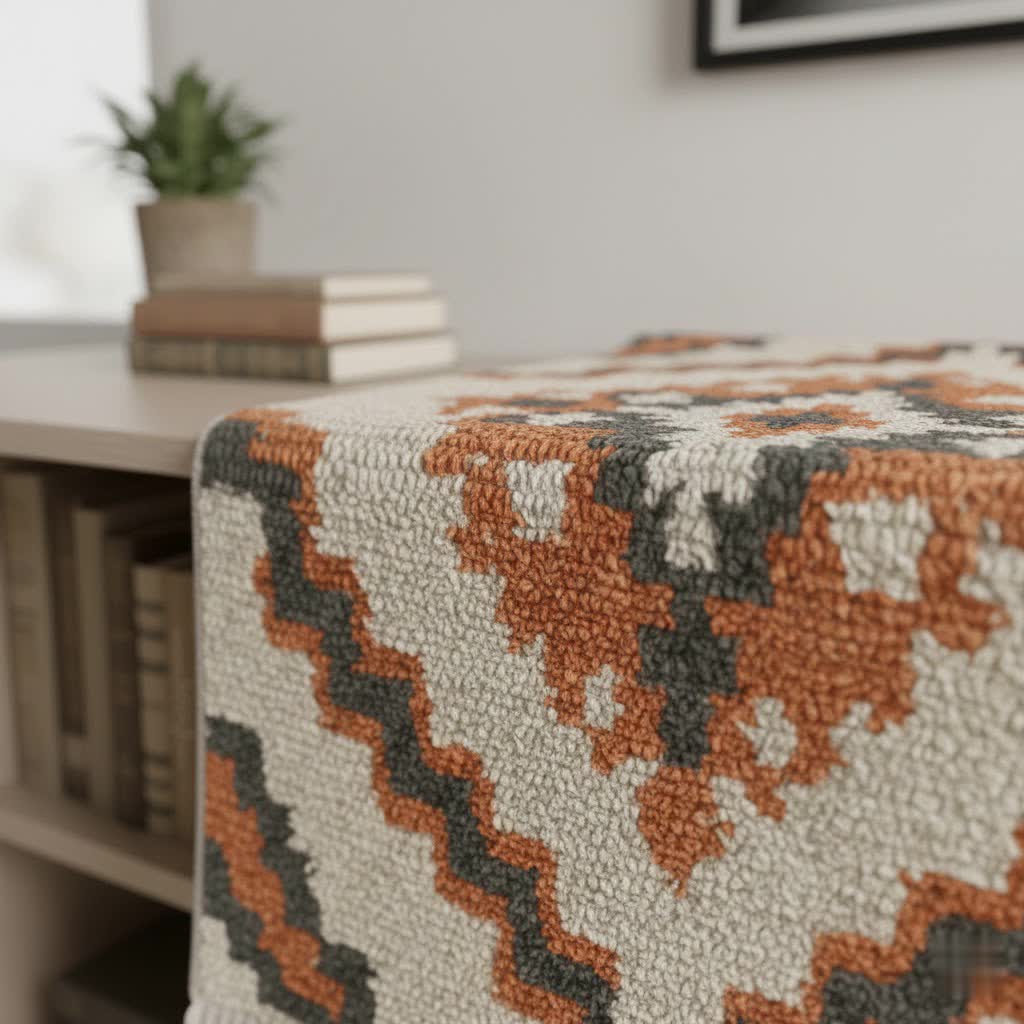
Transforming your living space doesn’t always require a hefty investment, especially when it comes to adding warmth, texture, and character with area rugs. Many people believe that stylish and durable floor coverings are out of reach for budget-conscious decorators. However, with the right knowledge and a discerning eye, you can discover incredible affordable area rugs that elevate your home’s aesthetic without draining your savings. This guide will share expert insights and practical tips to help you make the smartest choices, ensuring you find a rug that’s both beautiful and kind to your wallet.
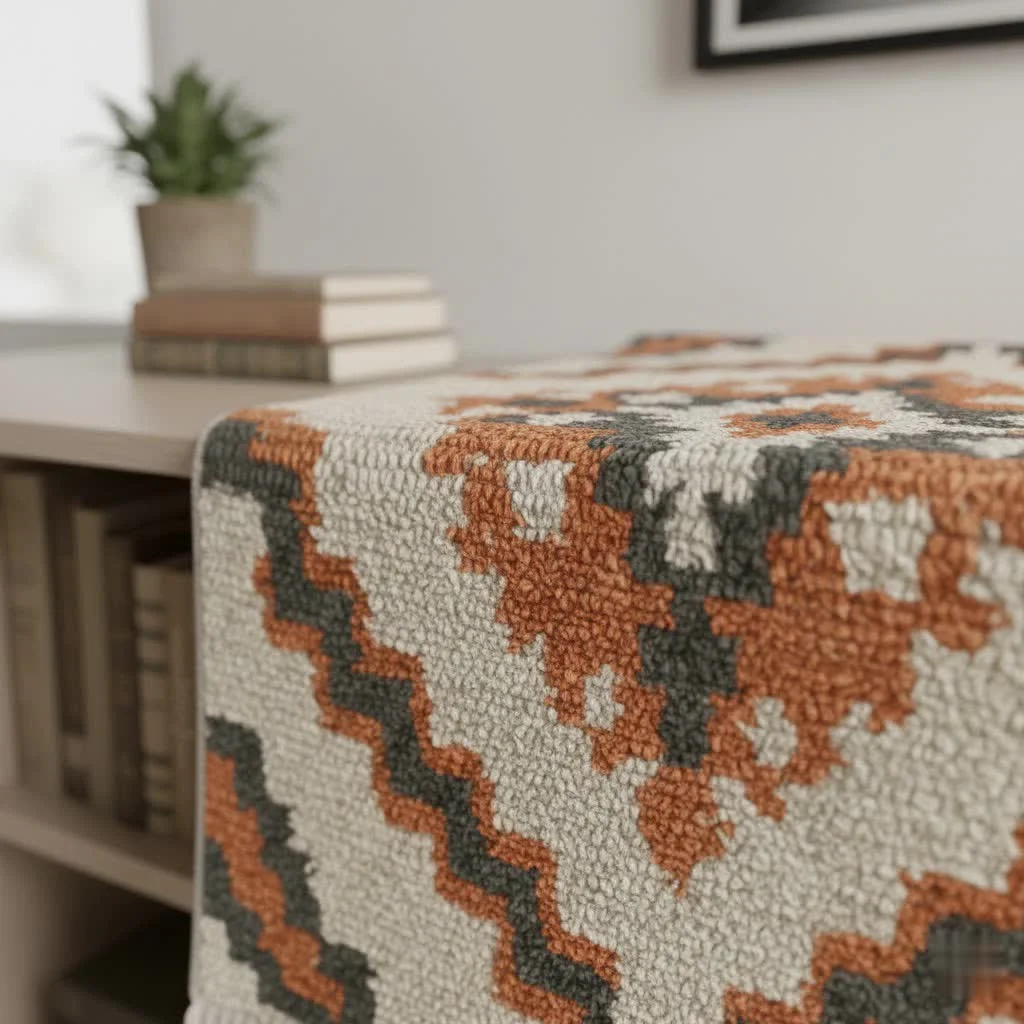

Popular Affordable Area Rug Types
When considering affordable area rugs, understanding the materials available is your first step. Each fiber type offers a unique blend of benefits and characteristics suited for different needs and budgets. For see our home decor recommendations on this site.
Natural Fiber Rugs
Natural fiber rugs bring an organic touch and undeniable charm to any room. They are celebrated for their eco-friendly origins and distinct textures, offering a refined yet approachable aesthetic. However, their maintenance requirements and durability can vary significantly.
-
Advantages and Disadvantages
Natural fibers often boast breathability and a pleasant underfoot feel. They are excellent for creating a serene, earthy ambiance and typically degrade gracefully over time, adding to their character. The primary drawbacks can include susceptibility to staining, potential shedding, and sometimes a higher price point compared to their synthetic counterparts, though budget-friendly options exist. -
Common Natural Fiber Types
- Wool: Often considered the gold standard, wool offers exceptional durability, natural stain resistance, and a luxurious softness. While pure wool rugs can be pricier, blends or lower-grade wool options can be surprisingly affordable. Wool is also excellent at hiding soil, making it appear cleaner for longer.
- Cotton: Lightweight, breathable, and often machine washable, cotton rugs are perfect for casual spaces like bedrooms, children’s rooms, or kitchens. They are soft and economical, but generally less durable than wool and not ideal for high-traffic areas or outdoor use where moisture is a concern.
- Jute & Sisal: These eco-friendly fibers bring an earthy, organic texture to interiors, fitting seamlessly into bohemian, coastal, or minimalist designs. Jute is softer underfoot than sisal, which is known for its rougher texture and extreme durability. Both can be challenging to clean and are prone to water staining, making them best suited for low to medium-traffic areas.
-
How to Choose the Right Natural Fiber Rug
When selecting a natural fiber rug, consider the room’s function and traffic level. For a cozy bedroom, a soft cotton or wool blend might be ideal. A jute rug could beautifully ground a bohemian living room, while a more durable sisal might suit a less busy entryway.
Synthetic Fiber Rugs
|
Our Picks for the Best Floor Rug in 2026
As an Amazon Associate I earn from qualifying purchases.
|
||
| Num | Product | Action |
|---|---|---|
| 1 | OLANLY Area Rugs for Living Room Bedroom, Machine Washable 4x5.9 ft Soft Fluffy Shaggy Bedside Rug, Indoor Floor Carpet for Kids Girls and Boys, Dorms, Nursery Rooms, Home Decor Aesthetic, Beige |

|
| 2 | OLANLY Area Rugs for Living Room Bedroom, Machine Washable 4x5.9 ft Soft Fluffy Shaggy Bedside Rug, Indoor Floor Carpet for Kids Girls and Boys, Dorms, Nursery Rooms, Home Decor Aesthetic, Coffee |
|
| 3 | Ophanie Area Rugs for Living Room Bedroom, Upgrade Non-Slip Fluffy Soft Grey Shag Carpet, Indoor Floor Gray 4x6 Fuzzy Shaggy Living Room Plush Rug for Kids Home Dorm Decor Aesthetic |
|
| 4 | Ophanie Black Area Rugs for Bedroom Living Room, 4x6 Fluffy Fuzzy Shag Shaggy Carpet Soft Plush Furry Bedside Rug, Indoor Floor Rug for Kids Girls Boys Home Decor Aesthetic, Dorm Nursery |
|
| 5 | OLANLY Area Rugs for Living Room Bedroom, Machine Washable 4x5.9 ft Soft Fluffy Shaggy Bedside Rug, Indoor Floor Carpet for Kids Girls and Boys, Dorms, Nursery Rooms, Home Decor Aesthetic, Blush |
|
| 6 | OLANLY Area Rugs for Living Room Bedroom, Machine Washable 4x5.9 ft Soft Fluffy Shaggy Bedside Rug, Indoor Floor Carpet for Kids Girls and Boys, Dorms, Nursery Rooms, Home Decor Aesthetic, Grey |
|
| 7 | OLANLY Area Rugs for Living Room Bedroom, Machine Washable 4x5.9 ft Soft Fluffy Shaggy Bedside Rug, Indoor Floor Carpet for Kids Girls and Boys, Dorms, Nursery Rooms, Home Decor Aesthetic, Burgundy |
|
| 8 | OLANLY Area Rugs for Living Room Bedroom, Machine Washable 4x5.9 ft Soft Fluffy Shaggy Bedside Rug, Indoor Floor Carpet for Kids Girls and Boys, Dorms, Nursery Rooms, Home Decor Aesthetic, Black |
|
| 9 | Ophanie Area Rugs for Bedroom, Christmas Upgrade Non-Slip Ivory Fluffy Soft Shag Living Room Carpet, Indoor Floor 4x6 Fuzzy Shaggy Living Room Plush Nursery Rug for Kids Home Dorm Decor Aesthetic |
|
| 10 | Ophanie Blue Rug, Boys 4x6 Rugs for Bedroom Royal Dark Blue Carpet Nursery Aesthetic, Kids Playroom Navy Area Rugs for Girls Teen Home Decor, Fluffy Shag Bedside Floor Living Room Carpet |
|
Synthetic fiber rugs have revolutionized the affordable rug market, offering an impressive combination of durability, stain resistance, and style versatility at an accessible price point. They are often machine-made, which contributes to their lower cost.
-
Advantages and Disadvantages
Synthetic rugs are champions of resilience, making them ideal for high-traffic areas and homes with children or pets. They are typically water-resistant, easy to clean, and come in an endless array of colors and patterns. The main trade-off can be a less luxurious feel compared to high-end natural fibers, and some may not hide soil as effectively, potentially “uglying” faster. -
Common Synthetic Fiber Types
- Polypropylene (Olefin): This is one of the most popular and budget-friendly synthetic options. Polypropylene rugs are incredibly durable, highly stain-resistant, and perfect for both indoor and outdoor use. They handle heavy foot traffic with ease and are easy to clean, making them a top choice for busy households.
- Polyester: Known for its soft, plush feel and vibrant colors, polyester offers a luxurious aesthetic at a fraction of the cost of natural fibers. It has good stain resistance and can even have a subtle sheen that enhances a room’s look. Polyester is a great choice for bedrooms or living rooms where comfort is prioritized.
- Nylon: While sometimes slightly more expensive than polypropylene or polyester, nylon is highly durable, resilient, and resistant to crushing and matting. It’s an excellent choice for very high-traffic areas and offers longevity.
-
How to Choose the Right Synthetic Fiber Rug
Select synthetic rugs for areas that demand robust performance, such as hallways, family rooms, or dining areas. Polypropylene is fantastic for kitchens or entryways due to its stain resistance. Polyester provides softness in bedrooms or low-traffic living spaces.
Decorative Rugs on a Budget
Affordable area rugs are far from bland; they offer a vibrant palette of styles and patterns to enhance any interior design theme. You can easily find decorative options that look much more expensive than they are, allowing you to refresh your decor seasonally or as your tastes evolve.
-
Popular Design Styles
Budget-friendly rugs span a wide array of popular design aesthetics. You’ll find everything from classic geometric patterns that add a modern edge to bohemian prints that infuse a global, eclectic vibe. Vintage-inspired designs, often printed on low-pile synthetics, can offer the charm of an antique rug without the hefty price tag. Shaggy or textured rugs are also readily available, perfect for creating inviting, cozy zones. -
Choosing a Decorative Rug for Your Space
When selecting a decorative rug, consider how its color and pattern will integrate with your existing furniture and decor. A bold geometric rug can act as a striking focal point in a minimalist room, while a soft, neutral-patterned rug can tie together diverse elements in a more eclectic space. Remember that patterns can also be practical, as they are excellent at camouflaging minor spills and everyday wear. -
Tips for Using Budget-Friendly Decorative Rugs
Layering is a designer-favorite trick for adding depth and personality, and it works wonderfully with affordable rugs. Try placing a smaller, patterned rug over a larger, neutral-toned jute or synthetic base rug. This approach adds visual interest and allows for easy seasonal swaps—roll out a cozy, deep-hued rug in winter, then switch to a breezier cotton weave for spring.
Guide to Buying Affordable Area Rugs
Navigating the world of area rugs can feel overwhelming, but a strategic approach makes finding an affordable gem straightforward. Focusing on your needs, comparing options, and understanding quality indicators are key to a smart purchase.
Identify Usage Needs
The first step in choosing any rug, especially an affordable one, is to clearly define its purpose within your home. This helps narrow down materials, sizes, and styles that will truly serve you.
-
Determine the Right Rug Size for Your Space
Proper rug sizing is crucial for anchoring a room and creating a cohesive look. For living rooms, aim for a rug large enough to fit at least the front legs of all major furniture pieces. In dining rooms, the rug should extend beyond the chairs when pulled out. For bedrooms, a large rug can sit under the entire bed and nightstands, or two smaller runners can flank the sides. A good rule of thumb is to ensure there are 12-18 inches of bare floor between the rug and the walls, though smaller rooms might benefit from less. -
Match Rug Material to Purpose
Consider the traffic level and potential for spills in each area.- High-Traffic Areas (Hallways, Entryways, Family Rooms): Opt for durable, easy-to-clean materials like polypropylene, nylon, or low-pile wool blends. These resist wear and tear and are typically stain-friendly.
- Low-Traffic & Cozy Spaces (Bedrooms, Reading Nooks): Softer natural fibers like cotton, or plush polyester, offer comfort and warmth. Jute can also work well for a relaxed vibe.
- Areas Prone to Spills (Kitchens, Dining Rooms, Kids’ Playrooms): Washable options, such as certain cotton or specialized synthetic rugs like those from Ruggable, are invaluable for their easy maintenance.
-
Choose Colors and Patterns to Complement Your Interior Style
The rug’s color and pattern should harmonize with your existing decor. Light colors can make a room feel larger and brighter, while darker hues add coziness and sophistication. Patterns can introduce visual interest and are excellent for camouflaging everyday dirt or pet hair. Consider your room’s overall color palette and pick a rug that either blends seamlessly or provides a striking contrast.
Compare Prices and Brands
The market for affordable area rugs is vast, with many reputable retailers offering stylish options that won’t break the bank. Smart shopping involves knowing where to look and how to spot a genuine deal.
-
Reputable Affordable Area Rug Brands and Retailers
Many online and brick-and-mortar stores specialize in budget-friendly home decor. Retailers like Wayfair, Rugs USA, Target, Amazon, Joss & Main, AllModern, and Bed Bath & Beyond frequently offer extensive selections of stylish and affordable rugs. Brands such as nuLOOM and Safavieh are known for their wide ranges of designs at accessible price points. For innovative washable solutions, Ruggable stands out with its two-piece rug system. -
Average Price Ranges for Various Rug Types
While prices vary by size, material, and complexity, you can often find a quality 4×6 foot synthetic or cotton rug for under $100. Larger 5×7 or 8×10 foot options can range from $150 to $400, especially during sales. Wool blends or higher-quality natural fibers will typically fall into the $300-$600+ range for larger sizes. Always set a budget and search within those parameters. -
Tips for Finding the Best Rug Deals
- Leverage Sales Events: Keep an eye out for seasonal sales (Black Friday, Labor Day, Presidents’ Day), clearance events, and holiday discounts.
- Compare Retailers: The same rug design may be sold by different retailers at varying prices. Always cross-check.
- Sign Up for Newsletters: Many online stores offer exclusive discounts to subscribers.
- Consider Remnants: For very large spaces, carpet warehouses sometimes sell remnants that can be bound for a custom, affordable area rug.
Check Rug Quality
Even when shopping for an affordable rug, quality matters. A cheap rug that falls apart quickly isn’t a good value. Knowing what to look for can help you identify durable options.
-
How to Recognize a Quality Affordable Area Rug
Examine the rug’s construction. Look for tight, even weaving with no loose threads or inconsistent tufts. The fibers should feel dense and resilient, not flimsy or sparse. The backing should be secure and evenly applied, preventing the rug from shifting or buckling. A clear description of the materials used is also a good sign of transparency and quality. For flatweave rugs, check that the edges are consistent and well-finished. -
Important Considerations for Online Purchases
When buying online, rely heavily on customer reviews and product images. Pay attention to feedback regarding shedding, true color representation, and how the rug holds up over time. Always check the retailer’s return policy to ensure you can exchange or return the rug if it doesn’t meet your expectations or match your space. -
Warranty and Return Policies
Before finalizing your purchase, understand the warranty, if any, and the return policy. A flexible return window gives you peace of mind, especially when purchasing items like rugs that can look different in person than online.
Affordable Area Rug Comparison Table
To help you make an informed decision, here’s a quick comparison of popular affordable rug materials:
| Material Type | Durability & Best Use | Price Range (Relative) | Aesthetics | Key Advantages | Key Disadvantages |
|---|---|---|---|---|---|
| Polypropylene | High-traffic areas, indoors/outdoors, kids & pets | Low | Wide range of colors/patterns, vibrant | Highly durable, stain-resistant, easy to clean | Can feel less natural, may “ugly” faster |
| Polyester | Medium-traffic, bedrooms, living rooms | Low to Medium | Soft, plush, vibrant colors, subtle sheen | Soft underfoot, good stain resistance, easy to clean | Can be prone to matting in high-traffic |
| Cotton | Low to medium-traffic, casual spaces, washable | Low | Versatile, flatweave, braided, natural look | Soft, breathable, often machine washable | Less durable than synthetics/wool, shows dents |
| Jute/Sisal | Low to medium-traffic, bohemian, minimalist styles | Low to Medium | Earthy, organic, natural texture | Eco-friendly, unique aesthetic, durable (Sisal) | Prone to water stains, rougher feel (Sisal) |
| Wool (Blends/Low-Grade) | Medium to high-traffic, living rooms, bedrooms | Medium | Classic, rich texture, hides soil well | Durable, naturally stain-resistant, soft, insulates | Can shed, requires professional cleaning |
Affordable Area Rug Cleaning and Maintenance Tips
Even the most affordable area rug will last longer and look better with proper care. A consistent cleaning routine is essential to preserve its beauty and extend its lifespan.
Regular Cleaning
Establishing a routine for cleaning your area rug prevents dirt and debris from embedding into the fibers, which can cause premature wear and dullness.
-
Vacuuming Frequency
Regular vacuuming is the cornerstone of rug maintenance. Aim to vacuum high-traffic areas at least twice a week and low-traffic areas once a week. Use a vacuum with adjustable height settings to avoid damaging the rug fibers, especially for high-pile or shaggy rugs. For fringes, use the hose attachment or gently sweep. -
Spot Cleaning and Deep Cleaning
Address spills immediately to prevent permanent stains. For general refreshing, spot cleaning with a mild detergent and water solution can work wonders. Some smaller cotton and synthetic rugs are machine washable, offering ultimate convenience. Always check the care label for specific washing instructions. For larger rugs, consider a professional deep clean every 12-18 months to remove embedded dirt and refresh the fibers. -
Odor Removal
To combat everyday odors, sprinkle baking soda generously over the rug, let it sit for 15-30 minutes (or longer for stubborn odors), then vacuum thoroughly. For pet odors, enzymatic cleaners designed for pet stains can be highly effective. Ensure the rug is completely dry after any wet cleaning to prevent mildew.
Stain Removal
Accidents happen, but quick and appropriate action can save your rug from lasting damage. Different types of stains require specific approaches.
-
Common Stains and How to Address Them
For most fresh spills like coffee, juice, or food, blot the stain with a clean white cloth, working from the outside in. Avoid rubbing, as this can spread the stain. Then, use a mild solution of dish soap and water.- Grease Stains: Apply a small amount of cornstarch or baking soda to absorb the grease, let it sit for a few hours, then vacuum.
- Pet Stains: Blot up as much as possible, then use an enzymatic pet stain remover that breaks down organic matter and neutralizes odors.
- Red Wine: Blot, then apply a mixture of dish soap and white vinegar, or a specialized red wine stain remover.
-
Using Specialized Cleaning Solutions
When opting for commercial rug cleaners, always test a small, inconspicuous area first to ensure it doesn’t cause discoloration or damage. Follow the product instructions carefully. Avoid using harsh chemicals like bleach, which can strip color and weaken fibers. -
Natural Stain Removal Tips
For a gentle approach, a solution of white vinegar and water (1:1 ratio) can be effective for many stains and odors. Hydrogen peroxide diluted with water can be used on light-colored rugs for tougher organic stains, but always test first.
Proper Storage
If you need to store your area rug, doing so correctly will protect it from damage and ensure it’s in great condition when you’re ready to use it again.
-
How to Prepare a Rug for Storage
Before storing, thoroughly clean and dry your rug to prevent mildew and insect infestations. Vacuum both sides, and if possible, steam clean or have it professionally cleaned. Ensure it’s completely dry before proceeding. -
Protecting Your Rug from Sunlight and Humidity
Roll the rug tightly, pile side in, around a sturdy cardboard tube to prevent creases. Avoid folding, as this can cause permanent damage. Wrap the rolled rug in a breathable material like an old cotton sheet or Tyvek paper (avoid plastic, which can trap moisture). Store the rug in a cool, dry, dark place with good air circulation to protect it from humidity, extreme temperatures, and direct sunlight, which can cause fading and fiber deterioration. -
Using Protective Products
For wool rugs, consider using moth repellents or cedar chips placed nearby (not directly on the rug) to deter pests. Check on stored rugs periodically to ensure they remain in good condition.
Conclusion
Finding affordable area rugs that perfectly blend style, durability, and comfort is not merely a possibility—it’s an achievable goal for any homeowner. By understanding the diverse world of rug materials, identifying your specific needs for each space, and adopting smart shopping strategies, you can confidently select pieces that enhance your home’s aesthetic without overspending. Remember, a well-chosen rug is more than just a floor covering; it’s a foundation for your home’s character, creating inviting zones and tying your decor together beautifully. With diligent care and maintenance, your budget-friendly rug can offer years of enjoyment and style.
Which affordable area rug will you choose to transform your space today?
Frequently Asked Questions
What’s the most durable yet affordable rug material?
Polypropylene (also known as Olefin) is widely considered the most durable and affordable rug material. It’s highly resistant to stains, fading, and moisture, making it an excellent choice for high-traffic areas, homes with pets and children, and even outdoor use.
Can I find large area rugs on a budget?
Absolutely! Finding large area rugs on a budget is possible, especially by focusing on synthetic materials like polypropylene or polyester. Shopping during major sales events, clearance sections, and comparing prices across big-box retailers and online stores like Wayfair or Rugs USA can yield significant savings on bigger sizes.
Are washable rugs really worth it for the price?
Washable rugs, such as those from brands like Ruggable, offer immense value, especially for busy households with kids, pets, or allergy concerns. Their convenience in being able to machine wash the rug cover makes them a worthwhile investment for maintaining hygiene and extending the rug’s life, justifying their price point.
How can I make a cheap rug look more expensive?
To make an affordable rug appear more high-end, use a quality rug pad underneath for added cushioning and a more substantial feel. Opt for classic patterns or subtle textures in neutral tones, and ensure the rug size is appropriate for the room. Layering a smaller, patterned rug over a larger, neutral base also elevates the look.
What are the best places to buy affordable area rugs online?
Some of the best online destinations for affordable area rugs include Wayfair, Rugs USA, Target, Amazon, Joss & Main, and AllModern. These retailers frequently offer a vast selection of styles, materials, and sizes, often with sales and discounts that make quality rugs more accessible for every budget.
Pet products vetted on real animals
Free PDF — protein DMB calculator + 18 dog foods rated.
