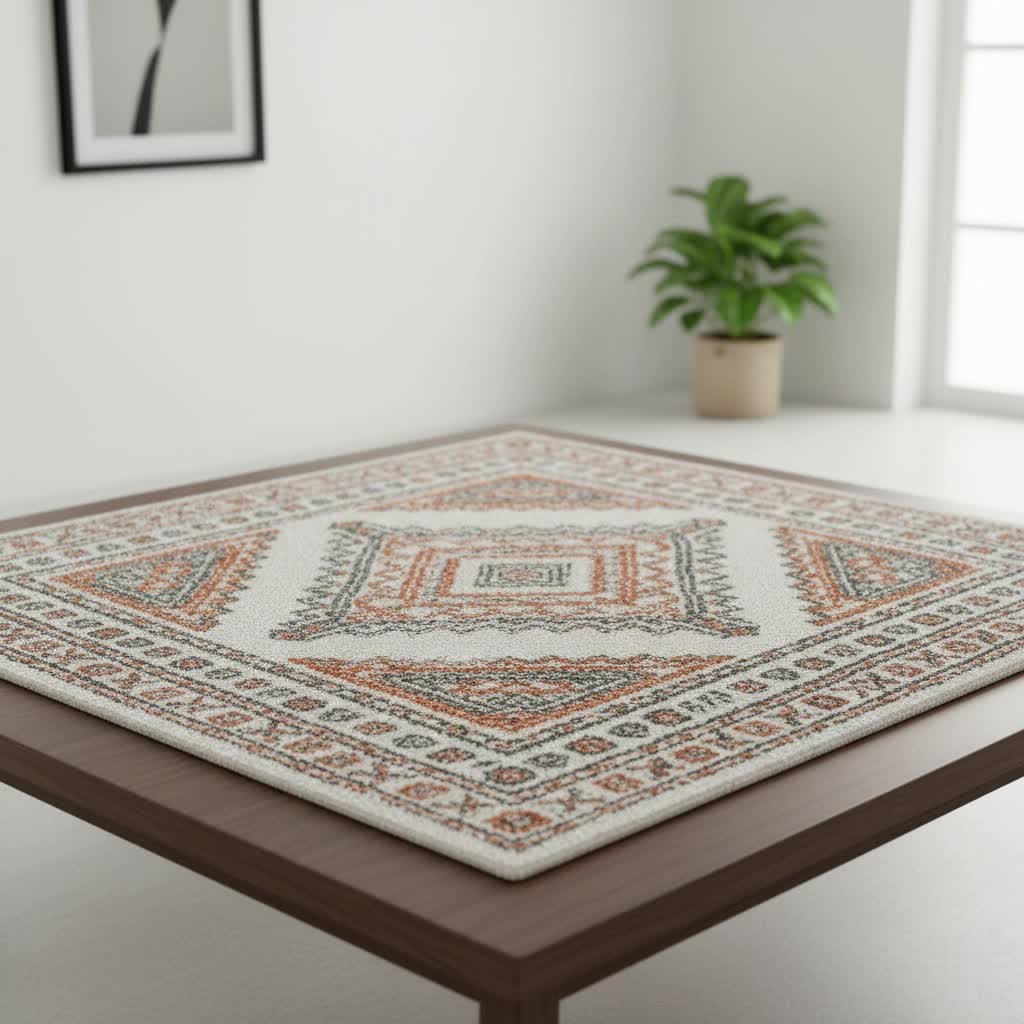
Welcoming a new baby often means transforming a space into a cozy, safe, and stimulating environment. Among the many elements, a nursery floor rug stands out as a foundational piece, offering warmth, comfort, and a touch of design. But with countless options available, how do you choose the perfect rug that’s both beautiful and practical for your little one’s sanctuary? As an experienced interior design professional with a decade specializing in home furnishings, especially floor coverings, I understand these concerns deeply. This comprehensive guide will equip you with the insights and expert advice to make an informed decision, ensuring your nursery is not just stylish, but also a safe and nurturing space for your child to grow and play.
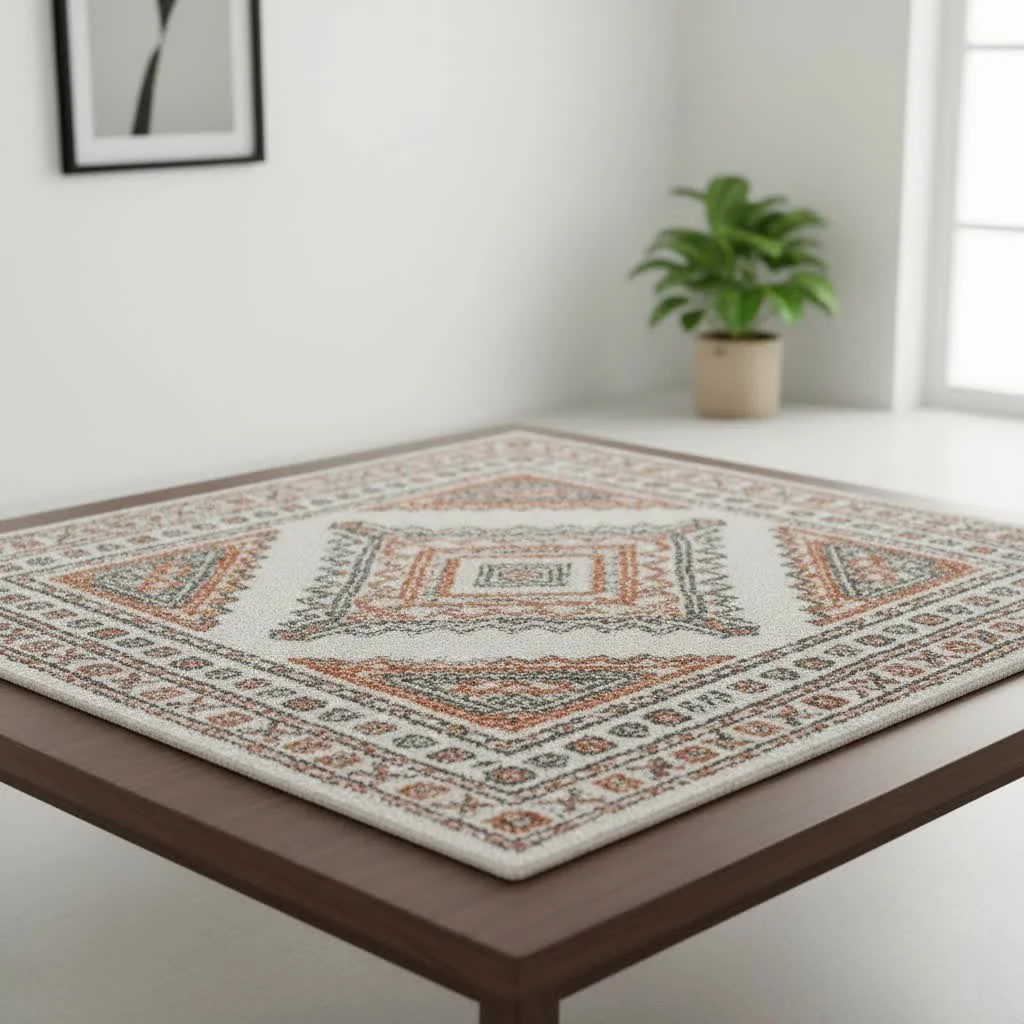

Popular Nursery Floor Rug Types
When selecting a nursery floor rug, understanding the various types is crucial. Each material offers distinct advantages and disadvantages, impacting everything from safety and comfort to durability and maintenance.
Natural Fiber Rugs
Natural fiber rugs are often praised for their eco-friendliness, softness, and timeless appeal, making them a popular choice for nurseries.
- Pros and Cons:
- Pros: Breathable, often hypoallergenic, sustainable, soft underfoot (especially wool and cotton), good insulation.
- Cons: Can be more expensive, some (like jute or sisal) might be coarser, susceptible to stains, may shed initially.
- Common Natural Fibers:
- Wool: Renowned for its softness, durability, and natural stain resistance due to lanolin. It’s also flame-resistant and provides excellent insulation.
- Cotton: Lightweight, breathable, and often machine-washable, making it a practical choice for easy cleaning. However, it can absorb spills readily.
- Jute & Sisal: Offer a natural, earthy texture but are generally coarser and better suited for low-traffic areas or layered under softer rugs. They are durable but can be challenging to clean.
- Choosing the Right Natural Fiber Rug: For a nursery, wool and cotton are generally preferred due to their softness and ease of care. Look for organic or untreated options to minimize chemical exposure. Consider flatweave cotton rugs for washability and wool for luxurious comfort and resilience.
Synthetic Fiber Rugs
Synthetic rugs offer a wide range of styles and practical benefits, often at a more accessible price point.
- Pros and Cons:
- Pros: Highly durable, stain-resistant, fade-resistant, typically more affordable, wide variety of colors and patterns, often hypoallergenic.
- Cons: Can feel less luxurious than natural fibers, some may off-gas (though many are now certified low-VOC), less breathable.
- Common Synthetic Fibers:
- Nylon: Extremely durable, resilient, and resistant to crushing, making it ideal for high-traffic areas and active play. It’s also easy to clean.
- Polyester: Known for its soft feel, vibrant colors, and stain resistance. It’s often made from recycled materials, offering an eco-friendlier synthetic option.
- Polypropylene (Olefin): Very water and stain-resistant, making it excellent for areas prone to spills. It’s also very durable and affordable.
- Choosing the Right Synthetic Fiber Rug: When selecting a synthetic nursery floor rug, prioritize options that are certified low-VOC (Volatile Organic Compounds) or OEKO-TEX certified to ensure minimal chemical emissions. Polyester and nylon are excellent choices for their durability and ease of maintenance, especially for busy nurseries.
Decorative Rugs
|
Our Picks for the Best Floor Rug in 2026
As an Amazon Associate I earn from qualifying purchases.
|
||
| Num | Product | Action |
|---|---|---|
| 1 | Ophanie Blue Rug, Boys 4x6 Rugs for Bedroom Royal Dark Blue Carpet Nursery Aesthetic, Kids Playroom Navy Area Rugs for Girls Teen Home Decor, Fluffy Shag Bedside Floor Living Room Carpet |

|
| 2 | Ophanie Black Area Rugs for Bedroom Living Room, 4x6 Fluffy Fuzzy Shag Shaggy Carpet Soft Plush Furry Bedside Rug, Indoor Floor Rug for Kids Girls Boys Home Decor Aesthetic, Dorm Nursery |
|
| 3 | OLANLY Area Rugs for Living Room Bedroom, Machine Washable 4x5.9 ft Soft Fluffy Shaggy Bedside Rug, Indoor Floor Carpet for Kids Girls and Boys, Dorms, Nursery Rooms, Home Decor Aesthetic, Coffee |
|
| 4 | OLANLY Area Rugs for Living Room Bedroom, Machine Washable 4x5.9 ft Soft Fluffy Shaggy Bedside Rug, Indoor Floor Carpet for Kids Girls and Boys, Dorms, Nursery Rooms, Home Decor Aesthetic, Grey |
|
| 5 | Ophanie Area Rugs for Living Room Bedroom, Upgrade Non-Slip Fluffy Soft Grey Shag Carpet, Indoor Floor Gray 4x6 Fuzzy Shaggy Living Room Plush Rug for Kids Home Dorm Decor Aesthetic |
|
| 6 | OLANLY Area Rugs for Living Room Bedroom, Machine Washable 4x5.9 ft Soft Fluffy Shaggy Bedside Rug, Indoor Floor Carpet for Kids Girls and Boys, Dorms, Nursery Rooms, Home Decor Aesthetic, Black |
|
| 7 | Ophanie Area Rugs for Bedroom, Christmas Upgrade Non-Slip Ivory Fluffy Soft Shag Living Room Carpet, Indoor Floor 4x6 Fuzzy Shaggy Living Room Plush Nursery Rug for Kids Home Dorm Decor Aesthetic |
|
| 8 | OLANLY Area Rugs for Living Room Bedroom, Machine Washable 4x5.9 ft Soft Fluffy Shaggy Bedside Rug, Indoor Floor Carpet for Kids Girls and Boys, Dorms, Nursery Rooms, Home Decor Aesthetic, Burgundy |
|
| 9 | OLANLY Area Rugs for Living Room Bedroom, Machine Washable 4x5.9 ft Soft Fluffy Shaggy Bedside Rug, Indoor Floor Carpet for Kids Girls and Boys, Dorms, Nursery Rooms, Home Decor Aesthetic, Beige |
|
| 10 | OLANLY Area Rugs for Living Room Bedroom, Machine Washable 4x5.9 ft Soft Fluffy Shaggy Bedside Rug, Indoor Floor Carpet for Kids Girls and Boys, Dorms, Nursery Rooms, Home Decor Aesthetic, Blush |
|
Decorative rugs encompass a vast array of styles, patterns, and textures, allowing you to infuse personality and aesthetic appeal into the nursery.
- Popular Design Styles:
- Vintage/Bohemian: Often features intricate patterns, muted colors, and a lived-in feel, adding warmth and character.
- Modern/Minimalist: Characterized by clean lines, geometric patterns, and a restrained color palette, creating a sleek and contemporary look.
- Themed/Playful: Rugs with animal shapes, alphabet designs, or whimsical patterns can enhance a nursery’s theme and encourage imaginative play.
- Matching with Your Space:
- Color Palette: Choose colors that complement the existing nursery decor, whether it’s soft pastels, vibrant hues, or calming neutrals.
- Pattern Scale: In a smaller room, opt for smaller, delicate patterns or solid colors to avoid overwhelming the space. Larger rooms can handle bolder, more expansive designs.
- Overall Theme: Ensure the rug’s style aligns with the nursery’s theme, whether it’s a serene forest, a starry night, or a whimsical adventure.
- Considerations for Decorative Rugs: While aesthetics are important, remember functionality. If choosing a rug purely for its decorative appeal, ensure its material is still suitable for a nursery – soft, easy to clean, and safe. Layering a decorative rug over a larger, more functional base rug can offer the best of both worlds.
Floor Rug Buying Guide for Nurseries
Choosing the right nursery floor rug goes beyond just aesthetics; it involves practical considerations for safety, comfort, and longevity.
Identify Usage Needs
The rug’s purpose and location within the nursery will heavily influence your selection.
- Size:
- Crib Area: A rug that extends beyond the crib on all sides provides a soft landing spot for baby and parents alike. Aim for at least 2 feet beyond the crib.
- Play Area: A large area rug that covers a significant portion of the floor creates a designated, safe, and soft space for tummy time and play.
- Small Accent Rugs: Can define smaller zones like a reading nook or changing station, adding warmth without covering the entire floor.
- Material:
- Softness: Crucial for tummy time, crawling, and comfortable floor play. Wool, cotton, and plush polyester are excellent choices.
- Durability: A nursery rug needs to withstand spills, playtime, and frequent cleaning. Look for tightly woven constructions and resilient fibers.
- Easy to Clean: Life with a baby means inevitable messes. Opt for stain-resistant materials like polypropylene or washable cotton rugs.
- Color & Pattern:
- Hides Stains: Lighter colors show stains more readily. Patterns or darker hues can be more forgiving, masking minor spills or dirt.
- Mood & Ambiance: Warm colors create a cozy feel, while cool tones can be calming. Playful patterns can stimulate your baby’s senses.
- Interior Style: The rug should complement the existing furniture and wall colors, integrating seamlessly into the nursery’s overall design.
Compare Prices and Brands
Investing in a quality nursery rug is a long-term decision.
- Reputable Brands: Look for brands known for their commitment to child safety, such as Lorena Canals (washable cotton), Ruggable (washable, two-piece system), West Elm, Pottery Barn Kids, or Safavieh. These often offer certifications like OEKO-TEX or GOTS for organic materials.
- Average Price Points:
- Budget-Friendly (under $150): Often includes smaller synthetic rugs or basic cotton options.
- Mid-Range ($150-$500): Covers larger synthetic rugs, some wool blends, and higher-quality cotton or jute options.
- Premium ($500+): Typically for large, hand-tufted wool rugs, unique designer pieces, or specialty natural fibers.
- Tips for Finding Value: Shop during sales events, check online retailers for competitive pricing, and read reviews to ensure quality matches the price. Consider a slightly more expensive but durable rug that will last through years of childhood.
Check Rug Quality
Ensuring the rug you choose is safe and well-made is paramount for a nursery.
- Quality Indicators:
- Tight Weave: A dense, tightly woven rug is more durable and less likely to shed or trap excessive dirt.
- Backing: Look for a non-slip backing or plan to purchase a separate rug pad. This is crucial for safety, preventing slips and falls.
- Certifications: Prioritize rugs with certifications like OEKO-TEX Standard 100 (tested for harmful substances), GOTS (Global Organic Textile Standard for organic cotton/wool), or GREENGUARD Gold (low chemical emissions).
- Online vs. In-Store:
- Online: Offers a wider selection and competitive prices. Always read reviews, check return policies, and request samples if possible to assess color and texture.
- In-Store: Allows you to physically touch the rug, assess its true color, and check for quality indicators like shedding or off-gassing.
- Warranty/Return Policy: Understand the seller’s policy. A good warranty or a flexible return policy indicates a company’s confidence in their product and offers peace of mind.
Floor Rug Comparison Table
To help you make an informed decision, here’s a quick comparison of common nursery rug types:
| Feature | Wool Rugs | Cotton Rugs | Synthetic Rugs (e.g., Polyester, Nylon) | Jute/Sisal Rugs |
|---|---|---|---|---|
| Material | Natural animal fiber | Natural plant fiber | Man-made fibers | Natural plant fiber |
| Softness | Excellent, very soft and plush | Good, can be soft, especially flatweaves | Varies from soft (polyester) to durable | Coarse, textured |
| Durability | Excellent, resilient, long-lasting | Good, depends on weave and quality | Excellent, highly durable | Very good, durable and sturdy |
| Stain Resist. | Good, natural lanolin repels some stains | Fair, can absorb spills quickly | Excellent, highly stain-resistant | Poor, very absorbent and hard to clean |
| Ease of Clean | Moderate, requires professional cleaning | Good, many are machine washable | Good, spot cleanable, some washable | Difficult, spot clean only, not water-friendly |
| Eco-Friendly | Yes, sustainable, biodegradable | Yes, especially organic cotton | Varies, some from recycled materials | Yes, sustainable, biodegradable |
| Hypoallergenic | Good, resists dust mites naturally | Good | Good | Fair, can trap dust if not regularly vacuumed |
| Price | High | Moderate | Low to Moderate | Low to Moderate |
| Best For | Ultimate comfort, insulation, luxury | Play areas, washability, casual look | High-traffic, spill-prone areas, budget | Layering, natural texture, low-traffic areas |
| Nursery Pick | Yes (softness, durability, safety) | Yes (washability, softness) | Yes (durability, stain resistance, safety) | Less ideal for main play area (texture) |
For a nursery, wool, cotton, and high-quality synthetic rugs often present the best balance of safety, comfort, and practicality.
“When choosing a nursery rug, prioritize safety above all else. Look for non-toxic materials, a non-slip backing, and certifications like OEKO-TEX to ensure peace of mind.” – Sarah Miller, Pediatric Interior Design Specialist
Nursery Floor Rug Cleaning and Maintenance Tips
Maintaining your nursery floor rug is crucial for hygiene and longevity, ensuring a healthy environment for your baby.
Regular Cleaning
Consistent cleaning will keep your rug looking fresh and extend its life.
- Vacuuming:
- Frequency: At least 2-3 times a week, or daily in high-traffic areas.
- Technique: Use a vacuum with a HEPA filter to trap allergens. For plush rugs, adjust the beater bar height to prevent damage. Vacuum in different directions to pick up more dirt.
- Washing:
- Machine Washable Rugs: If your rug is machine washable (often cotton or certain synthetics like Ruggable), follow the manufacturer’s instructions. Use cold water and a gentle cycle.
- Spot Cleaning: For non-washable rugs, address small spills immediately with a clean cloth and mild soap.
- Professional Cleaning: Consider professional cleaning every 12-18 months for deeper sanitation and stain removal, especially for wool rugs.
- Odor Removal:
- Baking Soda: Sprinkle baking soda generously over the rug, let it sit for a few hours (or overnight), then vacuum thoroughly. It naturally absorbs odors.
- Fresh Air: On a sunny, low-humidity day, take the rug outside to air out. Avoid direct prolonged sunlight for natural fiber rugs.
Stain Removal
Accidents are inevitable in a nursery, but quick action can prevent permanent stains.
- Common Stains & Treatment:
- Milk/Formula: Blot with a clean cloth, then dab with a mixture of mild dish soap and cool water. Rinse by dabbing with a damp cloth.
- Urine: Blot immediately. Mix white vinegar, water, and a tiny bit of dish soap. Apply to the stain, let sit, then blot dry.
- Food Purees: Scrape off any solids. Blot with a damp cloth, then use a mild detergent solution.
- Mud: Let it dry completely, then scrape off as much as possible before vacuuming. Treat remaining stain with a mild detergent.
- Specialized Cleaners: Keep a child-safe, enzyme-based rug cleaner on hand for tough organic stains. Always spot-test in an inconspicuous area first.
- Natural Stain Remedies: Lemon juice (for light-colored rugs, test first) can help with some stains, and cornstarch can absorb grease spots before vacuuming.
Proper Storage
If you need to store your nursery rug, follow these steps to preserve its condition.
- Preparation: Clean the rug thoroughly before storage. Ensure it is completely dry to prevent mold and mildew.
- Protection:
- Avoid Direct Sunlight: Prolonged exposure can fade colors, especially on natural fiber rugs.
- Control Humidity: Store rugs in a cool, dry place. High humidity can lead to mildew and degradation of fibers.
- Storage Method:
- Roll, Don’t Fold: Roll the rug tightly, pile-side in, around a sturdy cardboard tube. Folding can create permanent creases.
- Breathable Wrap: Wrap the rolled rug in a breathable material like cotton sheeting or special rug storage bags. Avoid plastic wraps that can trap moisture.
- Elevate: Store the rug off the floor to protect it from potential flooding or pests.
Conclusion
Choosing the ideal nursery floor rug is a significant decision that impacts the safety, comfort, and aesthetic appeal of your baby’s room. By considering the various natural and synthetic fiber options, understanding their pros and cons, and prioritizing features like softness, durability, and ease of cleaning, you can create a truly nurturing environment. Remember to focus on certifications for non-toxic materials and ensure proper maintenance to keep the rug hygienic and beautiful for years to come. With this guide, you’re now equipped to select a nursery floor rug that perfectly blends style with practicality. What kind of cozy corner will you create for your little one?
Frequently Asked Questions
What is the safest material for a nursery rug?
The safest materials for a nursery rug are generally natural fibers like wool and organic cotton, or certified low-VOC synthetic fibers like polyester and nylon. Look for certifications such as OEKO-TEX Standard 100 or GREENGUARD Gold to ensure the rug is free from harmful chemicals and has low emissions, promoting a healthy indoor air quality for your baby.
How big should a nursery rug be?
A nursery rug should ideally be large enough to define the main area, such as beneath the crib, extending at least 18-24 inches beyond the sides. For a play area, a rug that covers a significant portion of the floor is best, providing ample soft space for your baby to crawl and play safely.
How often should I clean my nursery rug?
It is recommended to vacuum your nursery rug 2-3 times a week, or even daily in high-traffic areas, to remove dust, dirt, and allergens. Spot clean spills immediately. Depending on traffic and material, professional cleaning every 12-18 months can help maintain hygiene and extend the rug’s lifespan.
Are wool rugs good for nurseries?
Yes, wool rugs are an excellent choice for nurseries due to their natural softness, durability, and insulating properties. They are also naturally flame-resistant and repel dust mites, making them a hypoallergenic option. While they may shed initially, their resilience and luxurious feel make them a long-lasting investment.
Can I put a rug directly on hardwood floors in a nursery?
While you can place a rug directly on hardwood floors, it is highly recommended to use a non-slip rug pad underneath. A rug pad prevents the rug from sliding, which is crucial for safety in a nursery, and also adds extra cushioning and protects your hardwood floors from scratches.
Pet products vetted on real animals
Free PDF — protein DMB calculator + 18 dog foods rated.
