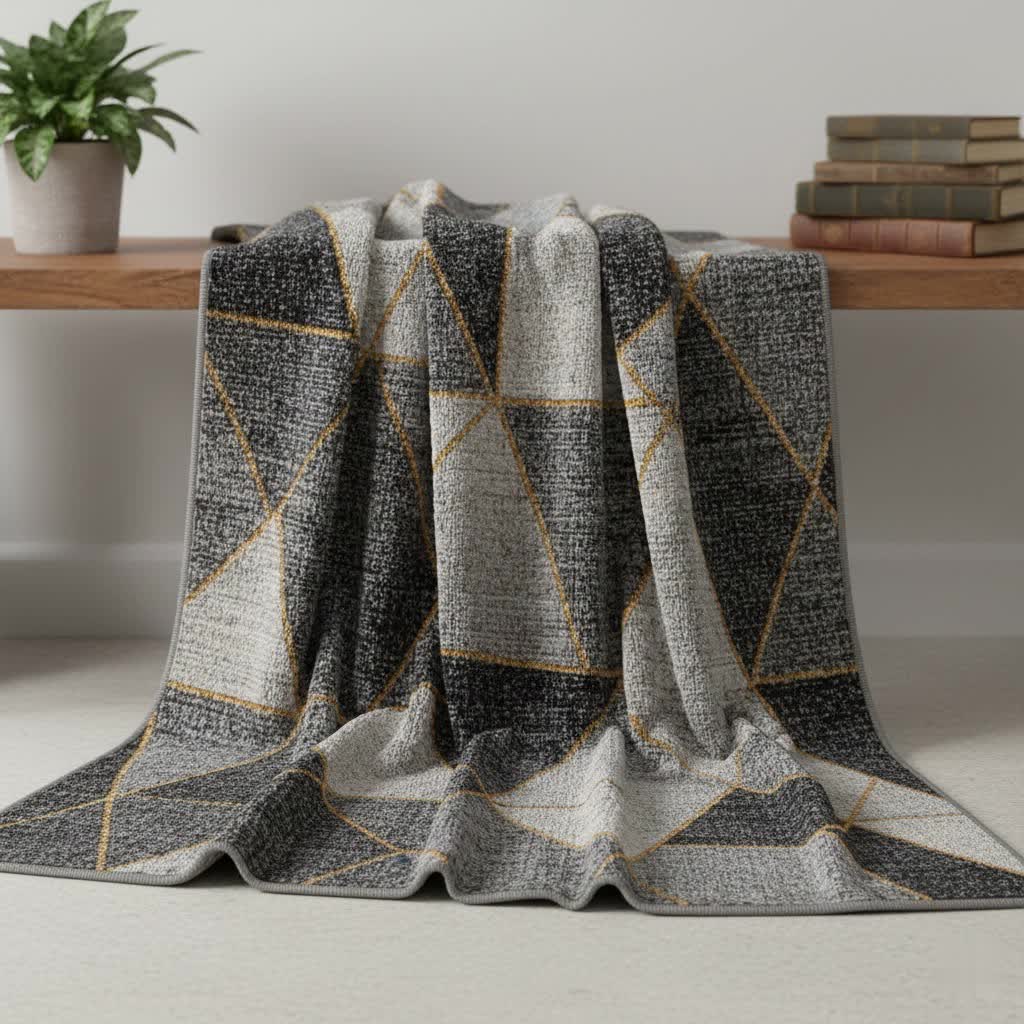
Stepping into the world of carpet buying can feel like navigating a plush, patterned maze. With countless options, from luxurious wool to resilient synthetics, choosing the right carpet—and more importantly, the right carpet seller—is crucial for transforming your home. This comprehensive guide will equip you with the knowledge to confidently select a reputable local carpet seller, understand the diverse range of carpets available, and make an informed decision that brings comfort and style to your space.
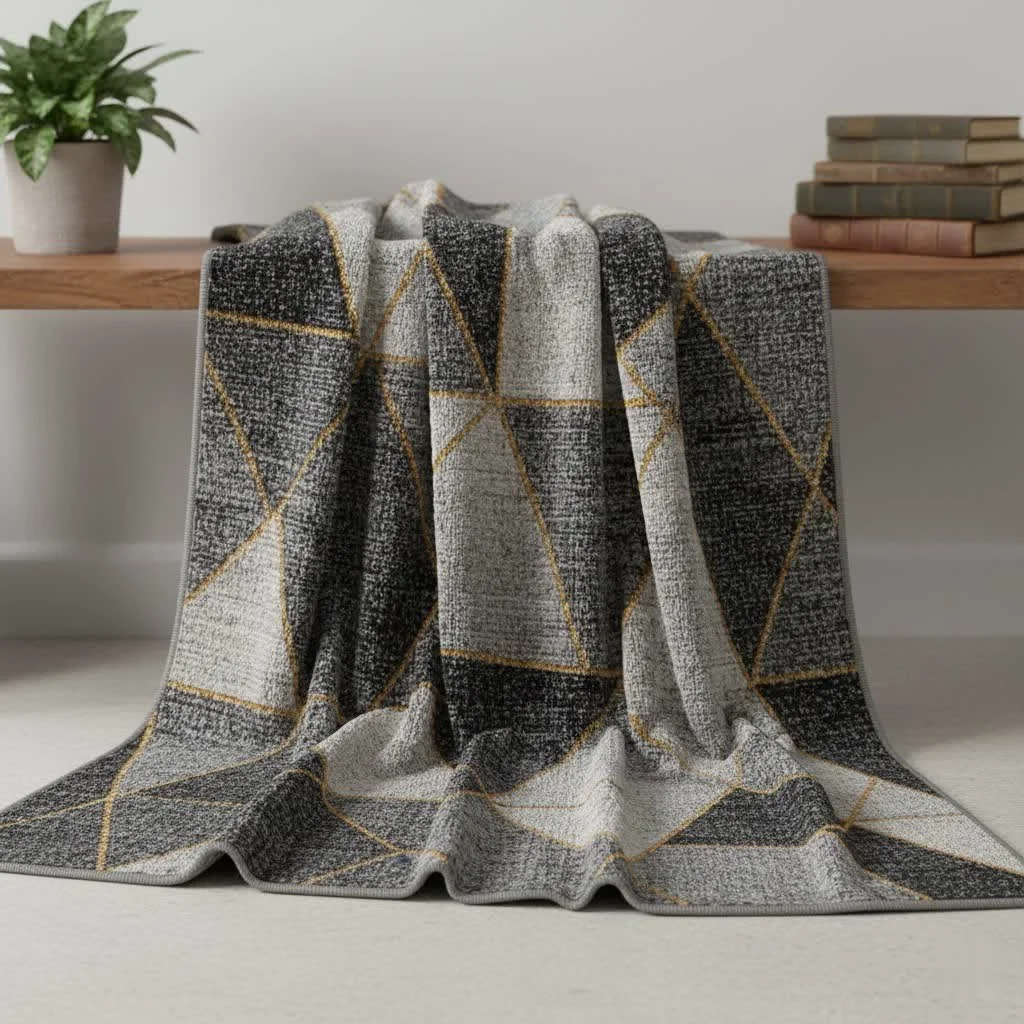
Exploring Popular Carpet Types and Styles
Before visiting carpet sellers near you, familiarizing yourself with common carpet types and styles can streamline your selection process. Each material offers distinct advantages in terms of durability, feel, and aesthetic appeal, catering to different lifestyles and room functions. For shop curated home decor on this site.
Natural Fiber Carpets
Natural fiber carpets are celebrated for their eco-friendliness, luxurious feel, and inherent durability. These options are often a top choice for those seeking sustainable and hypoallergenic flooring solutions.
-
Wool Carpets:
- Pros: Exceptionally soft, durable, naturally stain-resistant (due to lanolin), excellent insulation, fire-resistant, biodegradable.
- Cons: Can be more expensive, may shed initially, susceptible to moth damage without proper treatment.
- Popular Types:
- Cut Pile: Offers a soft, velvety texture, ideal for bedrooms and living rooms.
- Loop Pile (Berber): Known for its durability and natural, textured look, suitable for high-traffic areas.
- Choosing Wisely: Consider wool for areas where comfort and natural elegance are priorities. Look for untreated or organically processed wool for maximum eco-benefits.
-
Plant-Based Fiber Carpets (Sisal, Jute, Seagrass, Coir):
- Pros: Highly sustainable, natural aesthetic, durable (especially sisal), good for low-traffic areas.
- Cons: Less soft underfoot, can be absorbent and prone to staining, limited color options.
- Choosing Wisely: Best for natural, earthy decor styles in low to medium-traffic rooms like home offices or sunrooms.
Synthetic Fiber Carpets
Synthetic carpets offer a blend of durability, stain resistance, and affordability, making them a popular choice for busy households and budget-conscious buyers. Advancements in technology have significantly improved their look and feel.
-
Nylon Carpets:
- Pros: Extremely durable, resilient, excellent stain resistance (especially treated nylon), wide range of colors and styles, good for high-traffic areas.
- Cons: Can be more expensive than other synthetics, less eco-friendly than natural fibers unless recycled.
- Choosing Wisely: An excellent all-rounder for homes with pets, children, or heavy foot traffic.
-
Polyester Carpets:
- Pros: Soft, luxurious feel, vibrant colors, good stain resistance (especially oil-based stains), often made from recycled materials (PET polyester), affordable.
- Cons: Less resilient than nylon, can flatten in high-traffic areas, absorbs oil-based stains readily.
- Choosing Wisely: Ideal for bedrooms, living rooms, and low-traffic areas where softness and vibrant color are desired. Look for recycled PET options for sustainability.
-
Polypropylene (Olefin) Carpets:
- Pros: Highly stain, moisture, and mildew resistant, bleach-friendly, very affordable, colorfast.
- Cons: Less durable and resilient than nylon, can matte or crush over time, limited color vibrancy.
- Choosing Wisely: A practical choice for basements, outdoor areas, and rental properties where resistance to moisture and stains is paramount.
-
Triexta Carpets:
- Pros: Inherently stain-resistant (not a treatment), exceptionally durable, soft, eco-friendly options available (partially plant-based polymers).
- Cons: Newer fiber, so long-term wear data is still accumulating, can be pricier than other synthetics.
- Choosing Wisely: A great option for families seeking both softness and superior stain resistance, particularly for active households.
Decorative Carpet Styles and Textures
|
Our Picks for the Best Floor Rug in 2026
As an Amazon Associate I earn from qualifying purchases.
|
||
| Num | Product | Action |
|---|---|---|
| 1 | OLANLY Area Rugs for Living Room Bedroom, Machine Washable 4x5.9 ft Soft Fluffy Shaggy Bedside Rug, Indoor Floor Carpet for Kids Girls and Boys, Dorms, Nursery Rooms, Home Decor Aesthetic, Beige |

|
| 2 | Ophanie Area Rugs for Living Room Bedroom, Upgrade Non-Slip Fluffy Soft Grey Shag Carpet, Indoor Floor Gray 4x6 Fuzzy Shaggy Living Room Plush Rug for Kids Home Dorm Decor Aesthetic |
|
| 3 | Ophanie Black Area Rugs for Bedroom Living Room, 4x6 Fluffy Fuzzy Shag Shaggy Carpet Soft Plush Furry Bedside Rug, Indoor Floor Rug for Kids Girls Boys Home Decor Aesthetic, Dorm Nursery |
|
| 4 | Ophanie Area Rugs for Bedroom, Christmas Upgrade Non-Slip Ivory Fluffy Soft Shag Living Room Carpet, Indoor Floor 4x6 Fuzzy Shaggy Living Room Plush Nursery Rug for Kids Home Dorm Decor Aesthetic |
|
| 5 | OLANLY Area Rugs for Living Room Bedroom, Machine Washable 4x5.9 ft Soft Fluffy Shaggy Bedside Rug, Indoor Floor Carpet for Kids Girls and Boys, Dorms, Nursery Rooms, Home Decor Aesthetic, Blush |
|
| 6 | OLANLY Area Rugs for Living Room Bedroom, Machine Washable 4x5.9 ft Soft Fluffy Shaggy Bedside Rug, Indoor Floor Carpet for Kids Girls and Boys, Dorms, Nursery Rooms, Home Decor Aesthetic, Grey |
|
| 7 | Ophanie Blue Rug, Boys 4x6 Rugs for Bedroom Royal Dark Blue Carpet Nursery Aesthetic, Kids Playroom Navy Area Rugs for Girls Teen Home Decor, Fluffy Shag Bedside Floor Living Room Carpet |
|
| 8 | OLANLY Area Rugs for Living Room Bedroom, Machine Washable 4x5.9 ft Soft Fluffy Shaggy Bedside Rug, Indoor Floor Carpet for Kids Girls and Boys, Dorms, Nursery Rooms, Home Decor Aesthetic, Burgundy |
|
| 9 | OLANLY Area Rugs for Living Room Bedroom, Machine Washable 4x5.9 ft Soft Fluffy Shaggy Bedside Rug, Indoor Floor Carpet for Kids Girls and Boys, Dorms, Nursery Rooms, Home Decor Aesthetic, Coffee |
|
| 10 | OLANLY Area Rugs for Living Room Bedroom, Machine Washable 4x5.9 ft Soft Fluffy Shaggy Bedside Rug, Indoor Floor Carpet for Kids Girls and Boys, Dorms, Nursery Rooms, Home Decor Aesthetic, Black |
|
Beyond fiber type, the construction and style of a carpet significantly influence its look, feel, and performance.
- Cut-Pile Carpets: The most common type, where yarn loops are cut, creating an upright pile.
- Plush/Velvet: Smooth, dense, formal appearance; shows footprints and vacuum marks easily.
- Saxony: Similar to plush but with slightly twisted yarns, offering a softer, less formal look.
- Frieze (Twist): Highly twisted yarns that curl, creating a textured, informal look; excellent for hiding footprints and dirt.
- Shag: Long, loose pile for a very relaxed, retro, and comfortable feel.
- Loop-Pile Carpets: Yarn loops remain uncut, creating a durable, textured surface.
- Level Loop (Berber): Uniform loop height, very durable, often features flecks of color.
- Multi-Level Loop: Loops of varying heights create patterned textures.
- Cut-and-Loop Carpets: Combines cut and uncut loops to create sculpted patterns and textures. Offers good durability and visual interest.
Your Essential Guide to Choosing the Right Carpet Seller
Finding “carpet sellers near me” isn’t just about proximity; it’s about finding a partner who understands your vision and provides quality products and services. Here’s how to navigate the process effectively.
1. Define Your Needs and Budget
Before you start looking, clarify what you need. Which rooms are being carpeted? What level of foot traffic do they experience? Do you have pets or children? What’s your aesthetic preference (modern, traditional, cozy)? Crucially, establish a realistic budget, including not just the carpet itself but also padding, installation, and old carpet removal.
2. Research Local Reputation and Experience
A reputable carpet seller will have a proven track record. Start your research online by checking reviews on Google, Yelp, and other local business directories. Look for consistent positive feedback regarding product quality, customer service, and installation professionalism. Ask friends, family, and neighbors for recommendations, as personal referrals often lead to trustworthy businesses. A long-standing history in the community often signals reliability and expertise.
3. Evaluate Product Selection and Expertise
When you visit a carpet store, observe the variety of options available. A good seller should offer a wide range of carpet types, materials, colors, and patterns from well-known manufacturers. More importantly, the staff should be knowledgeable.
“A truly great carpet store isn’t just selling you a product; they’re providing a solution tailored to your home and lifestyle. Their expertise should guide you, not push you.” – Sarah Chen, Interior Design Consultant
A knowledgeable salesperson will ask about your lifestyle, home environment, and specific needs (e.g., allergies, pets, sunlight exposure) to make personalized recommendations. They should explain the pros and cons of different fibers and styles without high-pressure tactics.
4. Assess Services Offered
Beyond selling carpet, a full-service carpet dealer typically offers:
- In-Home Measurement: Essential for accurate estimates and minimizing waste.
- Professional Installation: Proper installation is as critical as the carpet itself for longevity and appearance. Inquire about their installers’ experience and whether they are employees or subcontractors.
- Old Carpet Removal and Disposal: Many sellers include this as part of the service.
- Warranties: Understand the warranties offered on both the carpet product and the installation.
5. Compare Prices and Get Multiple Quotes
Always get at least three detailed quotes from different carpet sellers. Ensure each quote includes the same specifics: carpet type, padding, installation, removal, and any additional fees. Be wary of quotes that seem significantly lower than others, as they might indicate hidden costs or lower quality materials/installation. Negotiating is often possible, especially if you have a competitive quote from another reputable seller.
Understanding Carpet Costs and Installation
Carpet cost can vary widely, typically ranging from $2 to $9 per square foot, including the carpet, padding, and labor. This average can fluctuate based on several factors:
- Carpet Material: Natural fibers like wool are generally more expensive than synthetic options like polyester or olefin. Triexta and high-quality nylon fall in the mid-to-high range.
- Carpet Quality and Density: Denser, higher-pile carpets with more tightly twisted fibers tend to be more durable and expensive.
- Padding: Underlayment or padding costs approximately $0.50 to $1.50 per square foot, and its quality impacts comfort and carpet lifespan.
- Labor: Installation labor costs typically range from $0.50 to $1.50 per square foot. This can increase for complex layouts, stairs, or if subfloor repairs are needed.
- Additional Services: Removal of old carpet, furniture moving, and custom cuts will add to the overall cost.
For a 300-square-foot room, expect total installation costs to range from $600 for basic carpet to over $2,700 for luxury options. Always get a detailed breakdown of all costs.
Carpet Trends for 2024
Staying current with carpet trends can help you choose a stylish and modern option for your home. The year 2024 brings exciting developments in both aesthetics and sustainability.
Eco-Friendly and Sustainable Options
A major trend is the increased demand for environmentally conscious choices.
- Recycled Fibers: Carpets made from recycled PET plastic bottles or regenerated nylon (like ECONYL®) are gaining popularity.
- Natural Materials: Untreated wool, jute, and sisal continue to be favored for their renewability and biodegradability.
- Eco-Friendly Dyes: Manufacturers are increasingly using dyes free from harmful chemicals, promoting healthier indoor air quality.
Bold Patterns and Textured Finishes
Say goodbye to plain, flat carpets!
- Geometric Designs & Abstract Motifs: Bold patterns add a focal point and personality to a room.
- Textured Finishes: Loops, twists, and cut-pile patterns add depth and visual interest, and can help hide footprints.
- Layering: Placing area rugs over wall-to-wall carpets to combine textures and patterns is also trending.
Soft Pastels and Earthy/Neutral Tones
While bold patterns are in, calming colors are also making a statement.
- Soft Pastels: Gentle blues, blush pinks, and muted greens create serene and inviting spaces.
- Earthy & Neutral Hues: Warm beiges, soft greys, and earthy browns remain timeless, providing a versatile backdrop for various decor styles.
High-Performance and Luxurious Plush
Comfort and functionality are key.
- Luxurious Plushness: Soft, velvety high-pile carpets are in demand for bedrooms and living rooms, offering indulgence and comfort.
- High-Performance Carpets: Stain-resistant, easy-to-clean, and pet-friendly carpets with advanced technologies are popular for busy households, ensuring durability and ease of maintenance.
Carpet Care and Maintenance Tips
Proper care ensures your carpet remains beautiful and lasts longer, protecting your investment.
Regular Cleaning
- Vacuuming: Vacuum frequently, especially in high-traffic areas (2-3 times a week). Use a vacuum with strong suction and a HEPA filter to capture dust and allergens effectively.
- Deep Cleaning: Professionally deep clean your carpets every 12-18 months. This removes embedded dirt and allergens that regular vacuuming cannot reach, extending the carpet’s life.
Stain Removal
Act quickly when spills happen.
- Blot, Don’t Rub: Blot the stain with a clean white cloth, working from the outside in. Rubbing can spread the stain and damage carpet fibers.
- Gentle Cleaning Solutions: Use a mild detergent mixed with water, a specialized carpet stain remover, or natural solutions like white vinegar or baking soda for specific stains. Always test any cleaning solution on an inconspicuous area first.
- Avoid Over-Wetting: Excessive moisture can lead to mold and mildew or damage the carpet backing.
Proper Storage
If storing a carpet, roll it tightly, secure it, and wrap it in a breathable cloth to protect it from dust and pests. Store it in a cool, dry place away from direct sunlight and humidity to prevent fading and mildew.
Conclusion
Choosing the right carpet for your home is an investment in comfort, style, and durability. By understanding the various carpet types, knowing what to look for in local carpet sellers, appreciating cost factors, and staying informed about current trends, you can make a decision you’ll love for years to come. Remember, a trusted local seller offers not just products, but expertise and reliable service that ensures a seamless experience from selection to installation. Are you ready to discover the perfect carpet for your home with the help of a knowledgeable local expert?
Frequently Asked Questions
What are the most durable carpet types for high-traffic areas?
For high-traffic areas, nylon and Triexta synthetic carpets are excellent choices due to their resilience and durability. Loop pile constructions like Berber are also highly recommended for their ability to withstand heavy footfall without showing wear quickly.
How often should I have my carpets professionally cleaned?
It’s generally recommended to have your carpets professionally deep cleaned every 12 to 18 months. However, homes with pets, children, or high foot traffic may benefit from more frequent cleaning, perhaps every 6-12 months, to maintain cleanliness and prolong carpet life.
What should I ask a carpet seller about installation?
When discussing installation, ask if the installers are employees or subcontractors, what their experience level is, if they move furniture, and if old carpet removal and disposal are included. Also, inquire about warranty on the installation itself.
Are eco-friendly carpets really worth the higher price?
Eco-friendly carpets, often made from natural fibers like wool or recycled synthetics, can sometimes have a higher upfront cost. However, their benefits include improved indoor air quality, reduced environmental impact, and often superior durability, making them a worthwhile long-term investment for many homeowners.
Can I get an accurate carpet estimate over the phone?
While you can get a rough estimate over the phone, an accurate carpet estimate requires an in-home measurement. Factors like room shape, transitions, and subfloor conditions significantly impact the final cost, making an on-site assessment by a professional essential.
Pet products vetted on real animals
Free PDF — protein DMB calculator + 18 dog foods rated.
