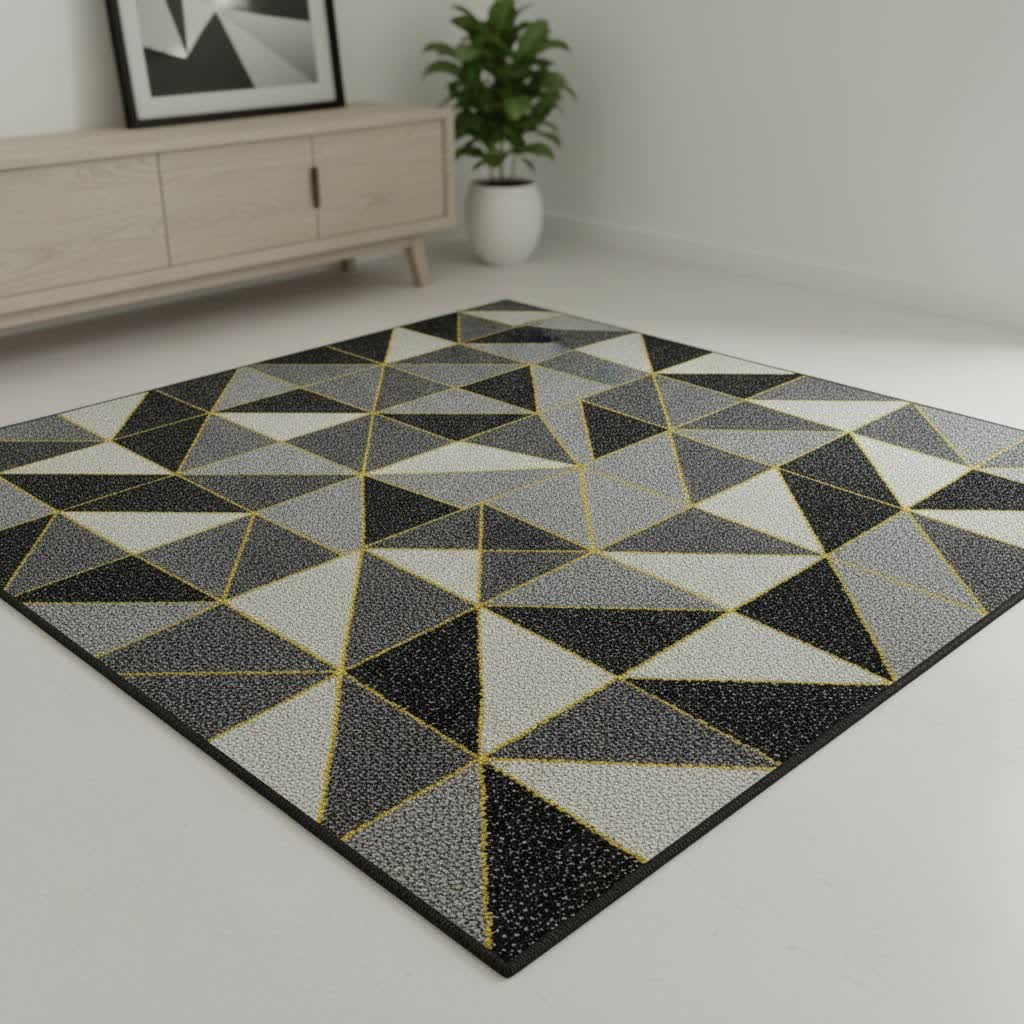
Stepping onto a plush carpet rug can transform a house into a home, adding warmth, comfort, and a touch of personal style. As someone who has spent over a decade navigating the intricate world of home furnishings, especially the vast array of carpet rugs, I understand the considerations that go into finding the perfect piece. From luxurious wool to durable synthetics, the choices are immense, making the selection process feel overwhelming. This comprehensive guide is designed to share my expertise, helping you make an informed decision on quality, durability, aesthetics, and value when selecting carpet rugs, and ensuring they remain a cherished part of your home for years to come.
Common Carpet Rug Types
Carpet rugs come in an impressive variety, each offering unique benefits and characteristics. Understanding the fundamental differences in materials and construction is the first step toward choosing the perfect rug for your space.
Natural Fiber Rugs
Natural fiber rugs bring an organic elegance and distinct texture to any room, often celebrated for their sustainability and timeless appeal. These rugs are woven from plant or animal-derived fibers, each with its own set of advantages and considerations.
- Advantages and Disadvantages: Natural fiber rugs are often praised for their eco-friendliness, luxurious feel, and ability to improve indoor air quality. However, they can sometimes be more susceptible to certain types of stains, require specific cleaning methods, and generally come at a higher price point than their synthetic counterparts.
- Popular Natural Fibers:
- Wool: Known as the “gold standard,” wool offers exceptional softness, durability, and resilience. It naturally resists stains and flames, making it ideal for high-traffic areas. Despite its luxurious feel and longevity, wool rugs can be expensive and require careful cleaning to prevent shrinking or mildew from excessive moisture.
- Cotton: A softer and more breathable option, cotton is often used for flatweave rugs. It is generally more affordable than wool and many cotton rugs are machine washable, making them a practical choice for family rooms, dining areas, or children’s bedrooms. However, cotton is not as durable as wool, jute, or sisal, and often requires a rug pad to prevent slipping.
- Sisal & Jute: These plant-based fibers are celebrated for their earthy textures and rustic charm. Sisal is extremely durable, making it excellent for high-traffic zones, though it can feel somewhat rough underfoot. Jute, while similar, is notably softer. Both are less forgiving with direct water exposure and can be challenging to clean if over-saturated.
- Choosing the Right Natural Fiber Rug: When selecting a natural fiber rug, consider the room’s function and traffic level. Wool is superb for living rooms or bedrooms where comfort and durability are paramount, while cotton might suit a casual dining area. Sisal or jute can add textural interest to entryways or studies, provided they aren’t in areas prone to spills or moisture.
Synthetic Fiber Rugs
|
Our Picks for the Best Floor Rug in 2026
As an Amazon Associate I earn from qualifying purchases.
|
||
| Num | Product | Action |
|---|---|---|
| 1 | Ophanie Blue Rug, Boys 4x6 Rugs for Bedroom Royal Dark Blue Carpet Nursery Aesthetic, Kids Playroom Navy Area Rugs for Girls Teen Home Decor, Fluffy Shag Bedside Floor Living Room Carpet |

|
| 2 | OLANLY Area Rugs for Living Room Bedroom, Machine Washable 4x5.9 ft Soft Fluffy Shaggy Bedside Rug, Indoor Floor Carpet for Kids Girls and Boys, Dorms, Nursery Rooms, Home Decor Aesthetic, Beige |
|
| 3 | OLANLY Area Rugs for Living Room Bedroom, Machine Washable 4x5.9 ft Soft Fluffy Shaggy Bedside Rug, Indoor Floor Carpet for Kids Girls and Boys, Dorms, Nursery Rooms, Home Decor Aesthetic, Blush |
|
| 4 | OLANLY Area Rugs for Living Room Bedroom, Machine Washable 4x5.9 ft Soft Fluffy Shaggy Bedside Rug, Indoor Floor Carpet for Kids Girls and Boys, Dorms, Nursery Rooms, Home Decor Aesthetic, Grey |
|
| 5 | Ophanie Black Area Rugs for Bedroom Living Room, 4x6 Fluffy Fuzzy Shag Shaggy Carpet Soft Plush Furry Bedside Rug, Indoor Floor Rug for Kids Girls Boys Home Decor Aesthetic, Dorm Nursery |
|
| 6 | OLANLY Area Rugs for Living Room Bedroom, Machine Washable 4x5.9 ft Soft Fluffy Shaggy Bedside Rug, Indoor Floor Carpet for Kids Girls and Boys, Dorms, Nursery Rooms, Home Decor Aesthetic, Coffee |
|
| 7 | Ophanie Area Rugs for Living Room Bedroom, Upgrade Non-Slip Fluffy Soft Grey Shag Carpet, Indoor Floor Gray 4x6 Fuzzy Shaggy Living Room Plush Rug for Kids Home Dorm Decor Aesthetic |
|
| 8 | OLANLY Area Rugs for Living Room Bedroom, Machine Washable 4x5.9 ft Soft Fluffy Shaggy Bedside Rug, Indoor Floor Carpet for Kids Girls and Boys, Dorms, Nursery Rooms, Home Decor Aesthetic, Black |
|
| 9 | Ophanie Area Rugs for Bedroom, Christmas Upgrade Non-Slip Ivory Fluffy Soft Shag Living Room Carpet, Indoor Floor 4x6 Fuzzy Shaggy Living Room Plush Nursery Rug for Kids Home Dorm Decor Aesthetic |
|
| 10 | OLANLY Area Rugs for Living Room Bedroom, Machine Washable 4x5.9 ft Soft Fluffy Shaggy Bedside Rug, Indoor Floor Carpet for Kids Girls and Boys, Dorms, Nursery Rooms, Home Decor Aesthetic, Burgundy |
|
Synthetic fiber carpet rugs are engineered for performance, offering durability, stain resistance, and affordability. These man-made fibers provide versatile solutions for a wide range of household needs and decor styles.
- Advantages and Disadvantages: The primary benefits of synthetic rugs include their resistance to stains and fading, ease of maintenance, and generally lower cost. They are often highly durable and can withstand significant foot traffic. On the downside, some synthetic materials may not offer the same luxurious feel as natural fibers and can sometimes flatten or show wear more quickly in very high-traffic areas.
- Popular Synthetic Fibers:
- Nylon: Often considered the most durable synthetic fiber, nylon is highly resilient, stain-resistant, and easy to clean. It’s an excellent choice for busy households, hallways, and commercial spaces. While pricier than other synthetics, its longevity often justifies the investment.
- Polyester: Renowned for its luxurious softness and vibrant color retention, polyester is an affordable synthetic option. It offers good stain resistance and is relatively easy to clean. However, polyester may not be as resilient as nylon, making it more prone to crushing or matting in heavily trafficked areas.
- Polypropylene (Olefin): This fiber is celebrated for its exceptional stain, moisture, and fade resistance, making it an ideal choice for outdoor rugs, basements, or homes with pets and children. Polypropylene is very affordable but is generally less durable than nylon or polyester and can be susceptible to permanent indentations from heavy furniture.
- Choosing the Right Synthetic Fiber Rug: Match the synthetic fiber to your lifestyle. Nylon is a workhorse for active families, offering resilience and easy care. Polyester provides a soft, budget-friendly option for bedrooms or low-traffic living areas. Polypropylene is unmatched for areas needing robust stain and moisture protection.
Decorative Rugs
Decorative rugs go beyond mere floor covering; they are statements of style and personality. These rugs weave together patterns, colors, and textures to define a space, anchor furniture, and infuse character into your home.
- Popular Design Styles:
- Vintage & Oriental: These rugs often feature intricate patterns, rich colors, and a storied history, bringing a sense of timeless elegance and warmth. They can serve as a focal point in traditional or eclectic settings.
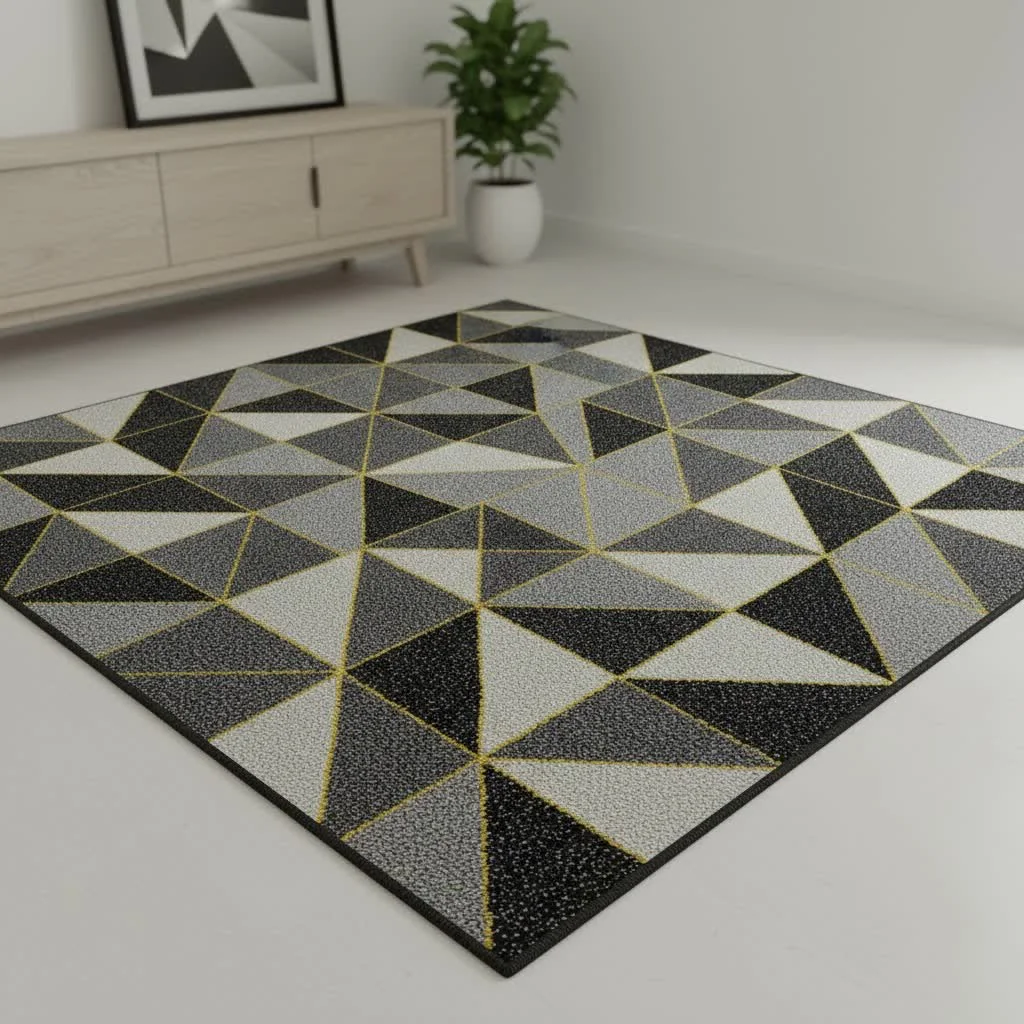
- Modern & Abstract: Characterized by bold geometric shapes, minimalist designs, or artistic abstract motifs, modern rugs lend a contemporary edge. They often feature a simpler color palette or striking contrasts, perfect for modern living spaces.
- Bohemian & Eclectic: With vibrant colors, global-inspired patterns, and often a mix of textures, bohemian rugs create a free-spirited, layered look. They are perfect for adding personality and a relaxed vibe to any room.
- Choosing a Decorative Rug for Your Space: When integrating a decorative rug, consider the existing decor and the mood you wish to create. A large patterned rug can unify a diverse furniture collection, while a vibrant rug can introduce a much-needed pop of color. Ensure the rug’s style complements, rather than clashes with, your room’s overall aesthetic.
- Tips for Using Decorative Rugs: Decorative rugs are excellent for defining zones within open-plan living areas or adding a layer of comfort and sound absorption. Always use a rug pad underneath to prevent slipping and extend the rug’s life. Consider the scale of the pattern in relation to the room size; a large pattern might overwhelm a small space, while a subtle design could get lost in a grand room.
Carpet Rug Buying Guide
Navigating the world of carpet rugs requires more than just knowing types; it demands a strategic approach to ensure your investment truly enhances your home. From assessing your needs to inspecting quality, every step is crucial.
Identify Usage Needs
Before you begin browsing, take a moment to consider where your carpet rug will live and how it will be used. This foundational step will significantly narrow down your options and lead you to the most suitable choice.
- Determine the Right Rug Size for Your Space: The size of your rug is paramount to the room’s balance and flow. For living rooms, aim for a rug large enough to comfortably accommodate the front legs of all major furniture pieces, such as sofas and armchairs. A common guideline suggests leaving 18-24 inches of bare floor between the rug’s edge and the walls, or 30-36 inches in larger spaces. For dining rooms, ensure the rug extends far enough so that chairs remain on the rug even when pulled out.
- Choose a Rug Material Suitable for Its Purpose: The material should align with the rug’s intended use and the room’s traffic level. High-traffic areas like hallways and living rooms demand durable materials such as wool or nylon. For bedrooms, where softness is key, options like cotton or polyester might be preferred. Consider moisture-prone areas like entryways or kitchens, which benefit from moisture-resistant materials or professional-grade synthetic options.
- Select Colors and Patterns that Complement Your Interior Style: The rug’s color and pattern are powerful design elements. A rug can introduce color, tie existing hues together, or serve as a neutral backdrop. Consider your room’s color scheme and overall aesthetic. A patterned rug can add visual interest to a monochromatic room, while a solid-colored rug can provide a calm foundation in a space with vibrant decor.
- Consider Pile Height for Traffic and Comfort: Pile height refers to the length of the fibers. Low-pile rugs (e.g., flatweave, loop pile) are durable, easy to clean, and excellent for high-traffic areas and under furniture. High-pile rugs (e.g., shag, cut pile) offer luxurious softness and warmth, making them perfect for bedrooms or cozy living spaces, though they may require more frequent vacuuming.
Compare Prices and Brands
Understanding the market landscape for carpet rugs, including pricing and brand reputation, is crucial for making a smart purchase. High-quality rugs are an investment, and knowing what to expect can guide your decision.
- Reputable Carpet Rug Brands on the Market: While specific brand names vary by region and retailer, look for manufacturers known for their craftsmanship, ethical sourcing, and customer satisfaction. Brands often specialize in certain materials (e.g., hand-knotted wool rugs, machine-made synthetics). Researching reviews and asking for recommendations from interior design professionals can reveal trusted names.
- Average Price Range for Different Rug Types: The price of a carpet rug can vary significantly based on material, size, construction method (hand-knotted vs. machine-made), and brand. Natural fiber rugs like wool and silk are generally more expensive due to their quality and labor-intensive production. Synthetic rugs like polypropylene or polyester offer more budget-friendly options, especially for larger sizes. Expect to pay more for larger dimensions and intricate, handmade designs.
- Tips for Finding Good Value Rugs: To find a high-quality rug at a good price, consider shopping during sales events, browsing outlet stores, or exploring online retailers that offer competitive pricing. Don’t overlook smaller, independent rug shops, which might carry unique finds. Always compare prices across several vendors for similar styles and materials. Remember that a higher initial investment in a durable, well-made rug often translates to better long-term value due to its extended lifespan.
Check Rug Quality
Ensuring the quality of a carpet rug is essential for its longevity and aesthetic appeal. A keen eye can help you distinguish between a fleeting trend and a lasting treasure.
- How to Identify a High-Quality Carpet Rug:
- Density: For cut pile rugs, press your fingers into the pile. If you can easily feel the backing, the density is low. Higher density indicates more material per square inch, leading to better durability and a more luxurious feel.
- Construction: Examine the stitching and binding on the edges. They should be tight, even, and secure, without loose threads. For hand-knotted rugs, the knots should be consistent and close together.
- Materials: Natural fibers like wool should feel rich and resilient. Synthetic fibers should be soft yet firm. Avoid rugs with excessive shedding, which can indicate poor fiber quality.
- Backing: A quality rug often has a sturdy, flexible backing that lies flat and does not easily crack or deteriorate.
- Considerations When Purchasing Rugs Online: Buying rugs online offers vast selections and convenience, but it requires careful attention. Always check the retailer’s return policy, read customer reviews (especially those with photos), and scrutinize product descriptions for detailed information on material, pile height, and country of origin. Requesting samples if available can help you assess color and texture accurately.
- Warranty and Return Policies: Before finalizing your purchase, understand the warranty offered by the manufacturer or retailer. A good warranty covers defects in material and craftsmanship. Familiarize yourself with the return policy, including any restocking fees or time limits, to ensure peace of mind with your investment.
Carpet Rug Comparison Table
To help you quickly compare common carpet rug materials, here’s a concise overview of their key attributes:
| Feature | Wool Rugs | Cotton Rugs | Nylon Rugs | Polyester Rugs | Polypropylene (Olefin) Rugs |
|---|---|---|---|---|---|
| Material Type | Natural (Animal Fiber) | Natural (Plant Fiber) | Synthetic | Synthetic | Synthetic |
| Durability | Excellent (long-lasting, resilient) | Good (less durable than wool/nylon) | Excellent (most durable synthetic) | Good (less resilient than nylon) | Fair (less durable, prone to matting) |
| Softness | High (luxurious, soft underfoot) | Moderate to High (soft, breathable) | Moderate | High (very soft, luxurious feel) | Moderate (can feel coarse) |
| Stain Resistance | Good (naturally resists stains) | Low to Moderate (absorbent) | Excellent (highly stain-resistant) | Good (can be treated for resistance) | Excellent (highly resistant to moisture/stains) |
| Cost | High (premium investment) | Moderate (more affordable than wool) | Moderate to High | Low to Moderate (budget-friendly) | Low (most affordable synthetic) |
| Best Use | Living rooms, bedrooms, high-end spaces | Casual living areas, kids’ rooms, dining | High-traffic areas, hallways, commercial | Bedrooms, low-traffic living rooms | Outdoor, basements, high-spill areas, pets |
| Key Advantage | Natural elegance, longevity, fire resistance | Washable, breathable, casual style | Extreme durability, resilience | Softness, vibrant colors, affordability | Moisture/stain resistance, affordability |
| Key Disadvantage | Higher cost, can shrink/mildew if over-wet | Less durable, can show wear | Can be pricier than other synthetics | Prone to crushing in high-traffic areas | Less resilient, susceptible to fading (untreated) |
Carpet Rug Cleaning and Maintenance Tips
Proper care is essential to preserve the beauty and extend the life of your carpet rugs. A consistent cleaning and maintenance routine will keep them looking fresh and vibrant for years.
Regular Cleaning
Establishing a routine for regular cleaning prevents dirt and grime from embedding deep into the fibers, which can cause premature wear and dullness.
- Vacuuming: Vacuum your carpet rugs frequently, especially in high-traffic areas, at least twice a week. For delicate rugs or those with a high pile, use a vacuum cleaner without a beater bar or adjust the settings to a high pile height to prevent snagging or damage to the fibers. For loop pile wool rugs, a suction-only canister vacuum is often recommended to prevent fuzzing. Change your vacuum’s dust bag when it’s about half full to maintain optimal suction power.
- Routine Washing: Most carpet rugs are not suitable for machine washing. For smaller, machine-washable cotton rugs, follow the manufacturer’s instructions, typically using cold water and a gentle cycle. For larger rugs, routine washing usually refers to professional deep cleaning rather than DIY methods.
- Odor Neutralization: To naturally neutralize odors, sprinkle baking soda generously over the rug, let it sit for at least 30 minutes (or longer for stubborn odors), then vacuum it up thoroughly. This absorbs unpleasant smells without harsh chemicals.
Stain Removal
Accidents happen, but quick and correct action can prevent most spills from turning into permanent stains. Knowing how to tackle different types of stains is a valuable skill for any rug owner.
- Common Stains and How to Address Them:
- Liquids (Coffee, Wine, Juice): Blot the spill immediately with a clean, dry white cloth, working from the outside in to prevent spreading. Avoid rubbing, as this can push the stain deeper.
- Solid/Semi-Solid Stains (Food, Mud): Carefully scrape off any excess solid material with a blunt knife or spoon before blotting the remaining stain.
- Using Specialized Cleaning Solutions: For most stains, a mild solution of dish soap and cool water can be effective. Apply a small amount to a clean cloth and blot the stained area. Always test any cleaning solution on an inconspicuous spot of the rug first to ensure it doesn’t cause discoloration or damage. For tougher stains, consider a carpet cleaner specifically designed for your rug’s material.
- Natural Stain Removal Tricks: For grease stains, sprinkle cornstarch or talcum powder, let it absorb the oil, then vacuum. For pet urine, a mixture of white vinegar and water can help neutralize odors and remove residue, followed by blotting dry.
Proper Storage
If you need to store a carpet rug, correct preparation and storage methods are key to protecting it from damage, dust, and pests.
- Preparing Rugs for Storage: Thoroughly clean and dry the rug before storage to prevent mold, mildew, and pest infestations. Vacuum both sides, and if possible, have it professionally cleaned for deep sanitization.
- Avoiding Sunlight and Humidity: Store rugs in a cool, dry, dark place. Direct sunlight can cause colors to fade, while humidity encourages mold and mildew growth. Consider using a dehumidifier in storage areas if moisture is a concern.
- Using Protective Materials: Roll the rug tightly, pile side in, to protect the fibers. Wrap it in breathable fabric (like a cotton sheet) or specialized rug storage bags, avoiding plastic, which can trap moisture. Elevate the rug off the floor if possible to prevent moisture absorption. Regular rotation (every six months) of stored rugs can also help prevent permanent creasing.
Conclusion
Choosing and caring for the right carpet rug can significantly enhance your living space, adding comfort, style, and a touch of personal flair. By understanding the diverse array of natural and synthetic materials, making informed decisions based on your specific usage needs, and committing to a consistent maintenance routine, your carpet rug will remain a beautiful and functional element in your home for years to come. Remember, an informed choice leads to a lasting investment. What personal touch will your next carpet rug bring to your favorite room?
Frequently Asked Questions
How often should I vacuum my carpet rug?
For optimal care, vacuum high-traffic carpet rugs at least twice a week, and other areas once a week. This regular vacuuming schedule helps prevent dirt and dust from settling deep into the fibers, preserving the rug’s appearance and extending its lifespan.
Can all carpet rugs be machine washed?
No, not all carpet rugs are suitable for machine washing. Generally, only small, lightweight rugs made of cotton or certain synthetic blends are machine washable. Always check the manufacturer’s care label, as washing unsuitable rugs can lead to shrinking, fading, or damage.
What is the best rug material for high-traffic areas?
For high-traffic areas like hallways and living rooms, durable materials such as wool and nylon are highly recommended. Wool offers natural resilience and stain resistance, while nylon is the most durable synthetic fiber, both designed to withstand significant foot traffic and maintain their appearance over time.
How do I choose the right size carpet rug for my living room?
When selecting a living room carpet rug, aim for one large enough to accommodate at least the front legs of all major furniture pieces (sofa, armchairs). Ideally, leave 18-24 inches of bare floor around the rug’s perimeter to define the space without overwhelming it, ensuring a balanced and cohesive look.
When should I call a professional for rug cleaning?
You should consider professional rug cleaning every 12 to 18 months, or sooner for rugs in homes with pets, children, or high foot traffic. Deep stains, persistent odors, or delicate, valuable rugs (like silk or antique pieces) also warrant professional attention to ensure thorough cleaning without damage.
Pet products vetted on real animals
Free PDF — protein DMB calculator + 18 dog foods rated.
