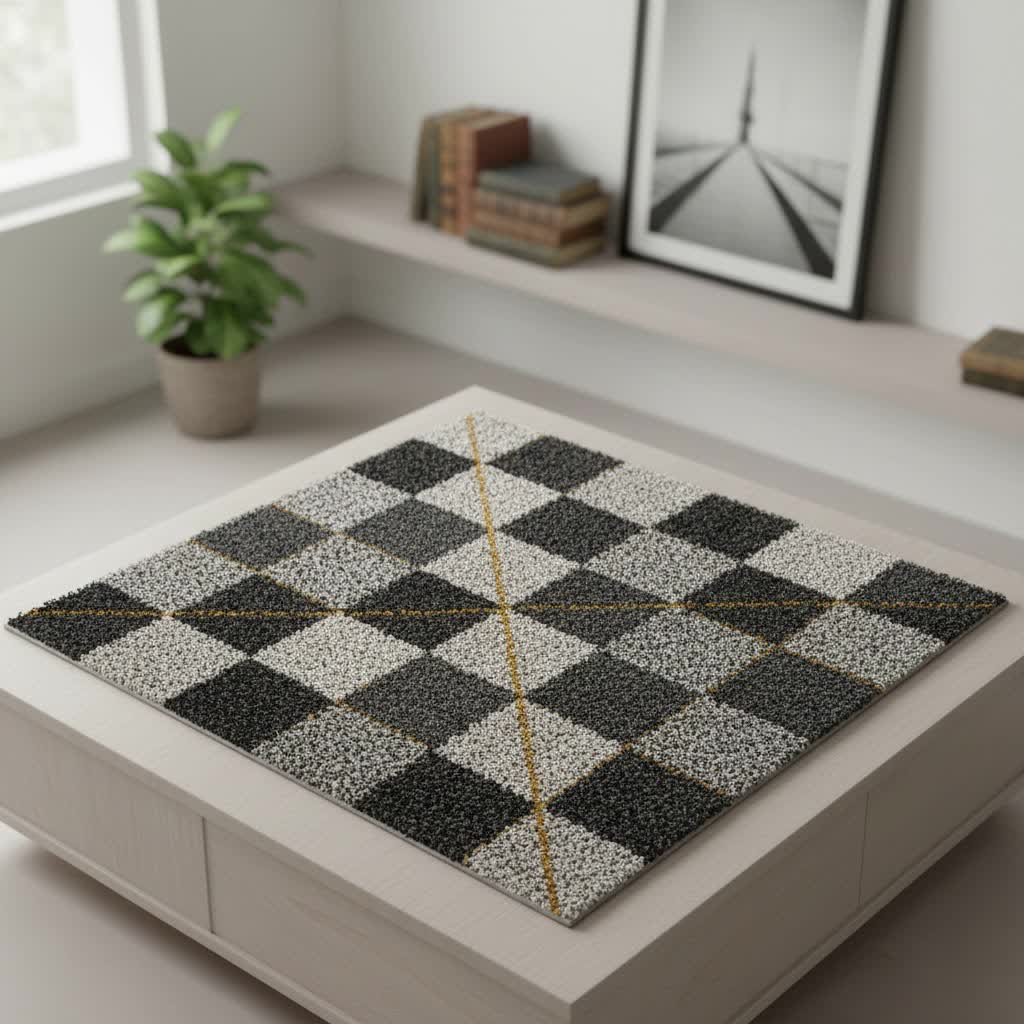
Are you ready to transform your living space into a gallery of personal style? Imagine a single element that can anchor a room, inject personality, and serve as a conversation starter, all while offering warmth and comfort. That’s the power of an abstract carpet. Far more than just a floor covering, an abstract carpet is a statement piece, blending the practical utility of a rug with the boundless creativity of modern art. This comprehensive guide will navigate you through the diverse world of abstract carpets, from understanding their unique styles and materials to selecting the perfect piece for your home and mastering essential care techniques.
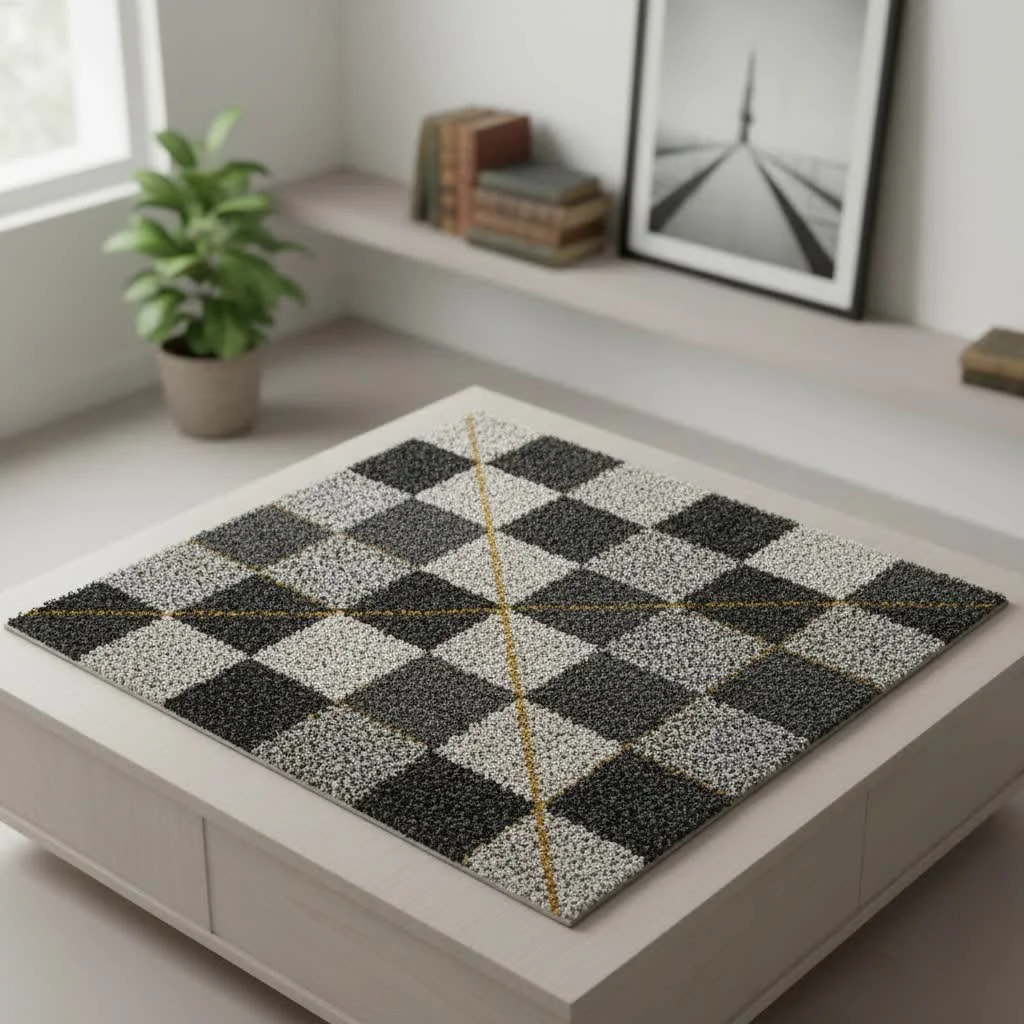
Popular Abstract Carpet Types
Abstract carpets are defined by their non-representational, artistic, and often unconventional patterns. Unlike traditional rugs that depict specific objects or scenes, abstract designs use shapes, lines, colors, and textures to create visually captivating compositions that evoke emotion and intrigue. These artistic expressions can vary wildly, offering a vast palette of options for any interior design vision. For complete home decor library on this site.
Natural Fiber Abstract Carpets
Natural fiber abstract carpets bring an organic touch and luxurious feel to your home. They are celebrated for their quality, durability, and often artisanal craftsmanship.
-
Advantages:
- Luxurious Texture: Fibers like wool and silk offer a soft, rich feel underfoot, enhancing comfort and elegance.
- Durability: High-quality natural fibers, especially hand-knotted wool and silk, are known for their longevity and ability to withstand wear over time.
- Eco-Friendly: Many natural fibers are renewable and biodegradable, appealing to environmentally conscious homeowners.
- Unique Aesthetic: Often hand-finished, these rugs can boast unique textures, subtle variations, and a painterly effect from numerous color tones.
-
Disadvantages:
- Cost: Generally more expensive than synthetic alternatives due to material and craftsmanship.
- Stain Sensitivity: Some natural fibers, particularly wool, can be more prone to staining if not treated promptly.
- Maintenance: May require specialized cleaning methods or professional care.
-
Common Natural Fibers:
- Wool: A classic choice, prized for its softness, resilience, and natural resistance to dirt and crushing. It’s excellent for luxurious abstract designs.
- Silk: Adds a shimmering luster and incredible softness, often blended with wool for an elevated, refined look.
- Cotton: Offers a softer, more casual feel and is often more affordable, though less durable than wool or silk for high-traffic areas.
- Sisal and Jute: Provide a coarser, more textural look, ideal for neutral abstract designs seeking an earthy, organic vibe.
-
Choosing Natural Fiber Abstract Carpets: When selecting, consider the desired level of softness, traffic in the area, and your budget. Wool and silk blends excel in living rooms and bedrooms, while sisal or jute might fit a more rustic or high-texture neutral abstract style.
Synthetic Fiber Abstract Carpets
|
Our Picks for the Best Floor Rug in 2026
As an Amazon Associate I earn from qualifying purchases.
|
||
| Num | Product | Action |
|---|---|---|
| 1 | Ophanie Area Rugs for Living Room Bedroom, Upgrade Non-Slip Fluffy Soft Grey Shag Carpet, Indoor Floor Gray 4x6 Fuzzy Shaggy Living Room Plush Rug for Kids Home Dorm Decor Aesthetic |

|
| 2 | Ophanie Area Rugs for Bedroom, Christmas Upgrade Non-Slip Ivory Fluffy Soft Shag Living Room Carpet, Indoor Floor 4x6 Fuzzy Shaggy Living Room Plush Nursery Rug for Kids Home Dorm Decor Aesthetic |
|
| 3 | OLANLY Area Rugs for Living Room Bedroom, Machine Washable 4x5.9 ft Soft Fluffy Shaggy Bedside Rug, Indoor Floor Carpet for Kids Girls and Boys, Dorms, Nursery Rooms, Home Decor Aesthetic, Black |
|
| 4 | OLANLY Area Rugs for Living Room Bedroom, Machine Washable 4x5.9 ft Soft Fluffy Shaggy Bedside Rug, Indoor Floor Carpet for Kids Girls and Boys, Dorms, Nursery Rooms, Home Decor Aesthetic, Blush |
|
| 5 | Ophanie Blue Rug, Boys 4x6 Rugs for Bedroom Royal Dark Blue Carpet Nursery Aesthetic, Kids Playroom Navy Area Rugs for Girls Teen Home Decor, Fluffy Shag Bedside Floor Living Room Carpet |
|
| 6 | OLANLY Area Rugs for Living Room Bedroom, Machine Washable 4x5.9 ft Soft Fluffy Shaggy Bedside Rug, Indoor Floor Carpet for Kids Girls and Boys, Dorms, Nursery Rooms, Home Decor Aesthetic, Beige |
|
| 7 | OLANLY Area Rugs for Living Room Bedroom, Machine Washable 4x5.9 ft Soft Fluffy Shaggy Bedside Rug, Indoor Floor Carpet for Kids Girls and Boys, Dorms, Nursery Rooms, Home Decor Aesthetic, Grey |
|
| 8 | Ophanie Black Area Rugs for Bedroom Living Room, 4x6 Fluffy Fuzzy Shag Shaggy Carpet Soft Plush Furry Bedside Rug, Indoor Floor Rug for Kids Girls Boys Home Decor Aesthetic, Dorm Nursery |
|
| 9 | OLANLY Area Rugs for Living Room Bedroom, Machine Washable 4x5.9 ft Soft Fluffy Shaggy Bedside Rug, Indoor Floor Carpet for Kids Girls and Boys, Dorms, Nursery Rooms, Home Decor Aesthetic, Coffee |
|
| 10 | OLANLY Area Rugs for Living Room Bedroom, Machine Washable 4x5.9 ft Soft Fluffy Shaggy Bedside Rug, Indoor Floor Carpet for Kids Girls and Boys, Dorms, Nursery Rooms, Home Decor Aesthetic, Burgundy |
|
Synthetic fiber abstract carpets offer a practical and versatile option, making contemporary design accessible for a wider range of needs and budgets.
-
Advantages:
- Affordability: Generally less expensive than natural fiber rugs.
- Durability and Resistance: Many synthetic fibers are highly resistant to stains, fading, and wear, making them ideal for high-traffic areas and homes with pets or children.
- Easy Care: Often simpler to clean and maintain, tolerating various cleaning solutions.
- Vibrant Colors: Synthetic fibers hold dye exceptionally well, allowing for bold, intricate, and stable abstract patterns.
-
Disadvantages:
- Texture: Can sometimes feel less luxurious or natural than wool or silk.
- Environmental Impact: Less biodegradable than natural fibers.
-
Common Synthetic Fibers:
- Nylon: Extremely durable and resilient, excellent for high-traffic areas, and holds color well.
- Polyester: Known for its softness and resistance to fading, often used to mimic the look of wool.
- Polypropylene (Olefin): Very water and stain-resistant, durable, and cost-effective, making it a popular choice for indoor-outdoor or high-spill areas.
-
Choosing Synthetic Fiber Abstract Carpets: These are a smart choice for busy family rooms, dining areas, or entryways where spills and heavy foot traffic are common. Prioritize material type based on specific performance needs.
Decorative Abstract Carpet Styles
The beauty of abstract carpets lies in their diverse range of artistic expressions. They offer a unique opportunity to curate a specific mood or theme within a space.
-
Popular Design Styles:
- Watercolor-Inspired: These rugs feature soft, flowing tones and subtle washes of color, creating a serene, artistic effect. Think faded blues, sandy beiges, or gentle pastels that mimic brushed paint on a canvas. They are perfect for creating a soothing ambiance in neutral living rooms or bedrooms filled with natural light.
- Bold Geometric Chaos: Characterized by conflicting shapes, sharp lines, and dynamic compositions, these rugs bring structured mayhem with style. They work well in minimalist rooms, offering a striking contrast to clean lines and simple furniture, making an excellent conversation piece.
- Neutral Abstracts with Texture: For those who prefer subtlety, these rugs use subdued colors like beige, cream, taupe, or grey, enhanced with soft carvings or varying pile heights to create visual interest through texture rather than overt color. They are ideal for layered neutral interiors and modern minimalist arrangements.
- Color-Block Designs: Featuring large, distinct blocks of color, sometimes blurred, sometimes precise, these rugs strike a balance between order and disorder. They complement modern furniture with glass or metal finishes and are effective in large, open-plan spaces to define areas.
- Vintage Meets Abstract: This style seamlessly combines classic motifs (like distressed Persian patterns) with fresh, abstract overlays such as smudged color washes or brushstroke highlights. They are perfect for eclectic or bohemian spaces that blend old and new furniture, adding character and a lived-in feel.
- High-Contrast Monochrome: Utilizing a palette of black, white, and various shades of grey, these rugs create movement and drama through bold shapes and contrasting tones. They are ideal for minimalist spaces, modern apartments, or rooms with crisp lines, anchoring the area and making other colorful elements pop.
- Earthy Organic Forms: Drawing inspiration from nature, these designs feature soft, flowing lines and non-realistic shapes that evoke river stones, clouds, or dunes. Color schemes typically include grounding earth tones like clay, moss, sand, and rust, perfect for creating peaceful, grounding spaces that favor natural materials.
-
Matching with Space: An abstract rug can serve as the focal point of a room, so consider how its style will interact with your existing decor. A bold geometric piece might energize a contemporary living room, while a soft watercolor design could bring tranquility to a bedroom.
-
Usage Notes: Abstract carpets are art for your floor. Use them to define zones in open-plan living, add a pop of color to a neutral room, or complete a themed interior.
Floor Rug Buying Guide: Choosing Your Abstract Masterpiece
Selecting the ideal abstract carpet involves more than just picking a design you like. It requires careful consideration of your needs, the room’s aesthetics, and the rug’s practical qualities.
Identify Usage Needs
Understanding how and where your abstract carpet will be used is the first step in making an informed decision.
-
Appropriate Size for the Space: Measure your room meticulously. A rug that is too large can make a room feel overwhelming, while one that is too small can make it appear disconnected.
- Living Rooms: Aim for a size that allows at least the front legs of your main furniture pieces (sofa, armchairs) to rest on the rug, ideally outlining the entire seating area. Common sizes like 8×10 feet or 9×12 feet often work well.
- Dining Rooms: The rug should be large enough to allow all chair legs to remain on the rug even when pulled out from the table, typically extending at least 18-24 inches beyond the table’s perimeter.
- Bedrooms: For a cohesive look, the rug should extend beyond the sides of the bed, allowing you to comfortably step onto it from both sides. For smaller bedrooms, a rug placed perpendicular to the bed, covering the lower two-thirds, can work.
- Entryways/Hallways: Runners are ideal, ensuring they are long enough to fit the length of the hall without looking awkward.
-
Material Suitability for Purpose: Consider the traffic level of the area.
- High-Traffic Areas (Living Room, Hallway, Dining Room): Opt for durable materials like wool or high-quality synthetics (nylon, polypropylene) known for their resilience and stain resistance.
- Low-Traffic Areas (Bedroom, Office): You have more flexibility with softer, more delicate materials like silk or less robust natural fibers, where comfort and aesthetic are primary.
-
Color and Pattern Harmony with Interior Style:
- Complementary Colors: If your space features neutral walls and furniture, a bold, vibrant abstract carpet can act as a striking focal point. Conversely, in an already colorful room, a more muted abstract design can provide balance and grounding.
- Desired Mood: Darker colors (navy, charcoal, deep green) create a cozy, intimate atmosphere, suitable for bedrooms or reading nooks. Lighter shades (cream, pale blue, pastels) make a room feel larger and more open. Warm colors (reds, oranges, yellows) inject energy, while cool colors (blues, greens) promote calm and tranquility.
Compare Prices and Brands
While direct brand comparisons are beyond this scope, focusing on value, material, and retailer reputation is key.
- Reputable Brands/Retailers: Seek out brands known for their quality craftsmanship and ethical sourcing, especially when investing in natural fiber abstract carpets.
- Price Range Awareness: Natural fiber rugs, particularly hand-knotted wool and silk, typically command higher prices due to their material and labor. Synthetic options offer a more budget-friendly entry into abstract design.
- Smart Shopping Tips:
- Online Comparison: Utilize online platforms to compare designs, materials, and prices across various retailers.
- Sales and Promotions: Keep an eye out for seasonal sales or special promotions to find quality rugs at better value.
- Consider Samples: If possible, order samples to see how colors and textures appear in your home’s lighting before committing to a full-size purchase.
Check Carpet Quality
Ensuring the quality of your abstract carpet means looking beyond just the visual appeal.
- Indicators of High Quality:
- Material Density: For wool rugs, a higher knot count often indicates greater durability and detail.
- Color Depth and Clarity: High-quality rugs exhibit rich, consistent colors with clear transitions, often featuring numerous tones for a painterly effect.
- Construction: Hand-knotted or hand-finished rugs typically offer superior durability and unique character compared to machine-made alternatives. Look for even weaving and sturdy edges.
- Intelligent Design: The abstract pattern should feel cohesive and intentional, reflecting a thoughtful design process that balances artistry with practicality.
- Online Purchase Considerations: Carefully read product descriptions, paying close attention to material composition, construction method, and pile height. Reviews from other buyers can offer valuable insights into actual quality and durability.
- Warranty and Return Policies: Understand the retailer’s policies regarding returns, exchanges, and warranties, especially for larger investments.
Floor Rug Comparison Table
To help visualize the differences between common abstract carpet materials, here’s a comparison:
| Feature | Wool & Silk Blend | Nylon | Polypropylene (Olefin) |
|---|---|---|---|
| Material | Natural fibers, often hand-knotted | Synthetic fiber | Synthetic fiber |
| Durability | High (especially hand-knotted) | Very High | High |
| Price | High | Medium | Low |
| Aesthetics | Luxurious, soft, rich texture, unique sheen | Versatile, vibrant colors, good pattern retention | Casual, good colorfastness, often mimics natural fibers |
| Pros | Excellent underfoot feel, natural insulation, long-lasting, artistic value | Extremely wear-resistant, stain-resistant, holds color well, affordable | Very water and stain-resistant, highly durable, budget-friendly |
| Cons | More expensive, requires careful cleaning, wool can stain if not prompt | Less luxurious feel than natural fibers, can crush in high-traffic over time | Less soft than wool/nylon, can be less resilient to crushing over time |
| Best Use | Living rooms, bedrooms, low-to-medium traffic areas, statement pieces | High-traffic areas, family rooms, kids’ rooms | Indoor-outdoor, dining rooms, basements, high-spill areas |
Floor Rug Cleaning and Maintenance Tips
Proper care is crucial to preserving the beauty and longevity of your abstract carpet, ensuring it remains a vibrant centerpiece in your home for years.
Regular Cleaning
Consistent routine care is your first line of defense against dirt and wear.
- Vacuuming: Vacuum your abstract carpet at least once a week, and more frequently in high-traffic areas.
- Use a vacuum cleaner without a beater bar (or with the beater bar turned off) to prevent damage to delicate fibers, especially with wool or silk rugs.
- For shaggy or high-pile abstract rugs, use a handheld attachment to avoid pulling on threads.
- Occasionally vacuum both sides of the rug to dislodge trapped dirt and allergens that settle underneath.
- Shaking Out: For smaller, more portable abstract rugs, take them outside and give them a good shake to remove loose dirt and debris. This is a gentle yet effective method for routine cleaning.
- Deodorizing: To naturally freshen your abstract carpet and absorb odors, sprinkle a generous amount of baking soda evenly over the entire surface. Let it sit for at least 15-30 minutes (or longer for stubborn odors) before thoroughly vacuuming it up.
Stain Removal
Accidents happen, but quick and correct action can save your abstract carpet from permanent damage.
- Immediate Action: The key to successful stain removal is speed. Act immediately after a spill.
- Blot, Don’t Rub: Gently blot the spill with a clean, white cloth or paper towel to absorb as much liquid as possible. Rubbing can spread the stain and push it deeper into the fibers.
- Mild Detergent Solution: For most common spills, mix a small amount of mild dish soap with water. Always patch test this solution on an inconspicuous area of your rug first to ensure colorfastness.
- Apply the solution sparingly to the stained area, then continue to blot with a clean cloth.
- Follow by blotting with a cloth dampened with plain water to rinse away any soap residue.
- Allow the area to air dry completely, avoiding direct heat, which can set stains or damage fibers.
- Oil-Based Stains: For grease or oil spills, sprinkle cornstarch or baking soda directly onto the stain to absorb the oil. Let it sit for several hours before gently scraping it off and then vacuuming the residue. Follow with a mild detergent solution if needed.
- Specialized Cleaners: While many commercial stain removers exist, avoid harsh chemicals or cleaners not specifically designed for rugs, as they can cause discoloration or fiber damage. Products like Folex are often recommended for tough stains, but always spot test.
Proper Storage
If you need to store your abstract carpet for an extended period, follow these guidelines to protect it.
- Thorough Cleaning: Before storage, ensure the rug is completely clean and dry to prevent mold, mildew, or insect damage.
- Roll, Don’t Fold: Always roll your abstract carpet, never fold it. Folding can create permanent creases and damage the rug’s foundation. Roll it tightly with the pile facing inwards to protect the design.
- Climate-Controlled Environment: Store the rolled rug in a cool, dry, well-ventilventilated area away from direct sunlight, extreme temperatures, and high humidity. Attics, basements, and garages are often unsuitable due to fluctuating conditions.
- Protection: Wrap the rolled rug in breathable fabric (like cotton sheets) or a specialized rug bag. Avoid plastic, which can trap moisture and cause mildew. Consider mothballs or cedar chips for insect deterrence.
Conclusion
Abstract carpets are more than just functional floor coverings; they are dynamic works of art that can infuse your home with personality, color, and unparalleled style. From the luxurious embrace of natural fibers like wool and silk to the practical resilience of synthetics such as nylon and polypropylene, there’s an abstract design to suit every taste and need. By understanding the diverse styles, considering essential factors like size, material, and color harmony, and committing to proper cleaning and maintenance, you can ensure your abstract carpet remains a captivating focal point for years to come.
Ready to unleash your inner interior designer and discover the perfect abstract carpet that speaks to your soul? What unique abstract pattern will you choose to tell your home’s story?
Frequently Asked Questions
What truly defines an abstract carpet?
An abstract carpet is characterized by its non-representational designs, utilizing shapes, lines, colors, and textures to create a visually engaging and often conceptual pattern rather than depicting specific objects or scenes. It functions as a piece of floor art, adding modern artistic flair to any room.
Can abstract carpets work in any room?
Yes, abstract carpets are incredibly versatile. By selecting the appropriate size, material, color palette, and design style (e.g., bold geometric for a modern living room or a subtle watercolor for a calming bedroom), an abstract carpet can beautifully complement and enhance almost any space in your home.
What are the best materials for abstract carpets?
The best material depends on usage. For luxury and soft feel, wool and silk blends are excellent. For high-traffic areas and stain resistance, durable synthetics like nylon and polypropylene are highly recommended. Each material offers distinct aesthetic and practical benefits.
How do I clean a stained abstract carpet?
Prompt action is crucial. Always blot the stain gently with a clean white cloth (never rub). For most stains, a mild detergent mixed with water, applied sparingly after a patch test, works well. Rinse with clean water and air dry. For oil-based stains, baking soda or cornstarch can help absorb the grease before cleaning.
How do I choose the right size abstract carpet for my room?
Measure your space and consider the furniture arrangement. In living rooms, aim for the rug to extend beneath the front legs of main seating. For dining rooms, ensure the rug is large enough for chairs to remain on it when pulled out. Proper sizing prevents the room from feeling too crowded or disconnected.
Should I use a rug pad with my abstract carpet?
Yes, using a rug pad is highly recommended. A rug pad provides cushioning, preventing premature wear and extending the life of your carpet. It also adds stability, reducing slipping, and offers an extra layer of insulation and sound absorption, enhancing comfort and safety.
Pet products vetted on real animals
Free PDF — protein DMB calculator + 18 dog foods rated.
