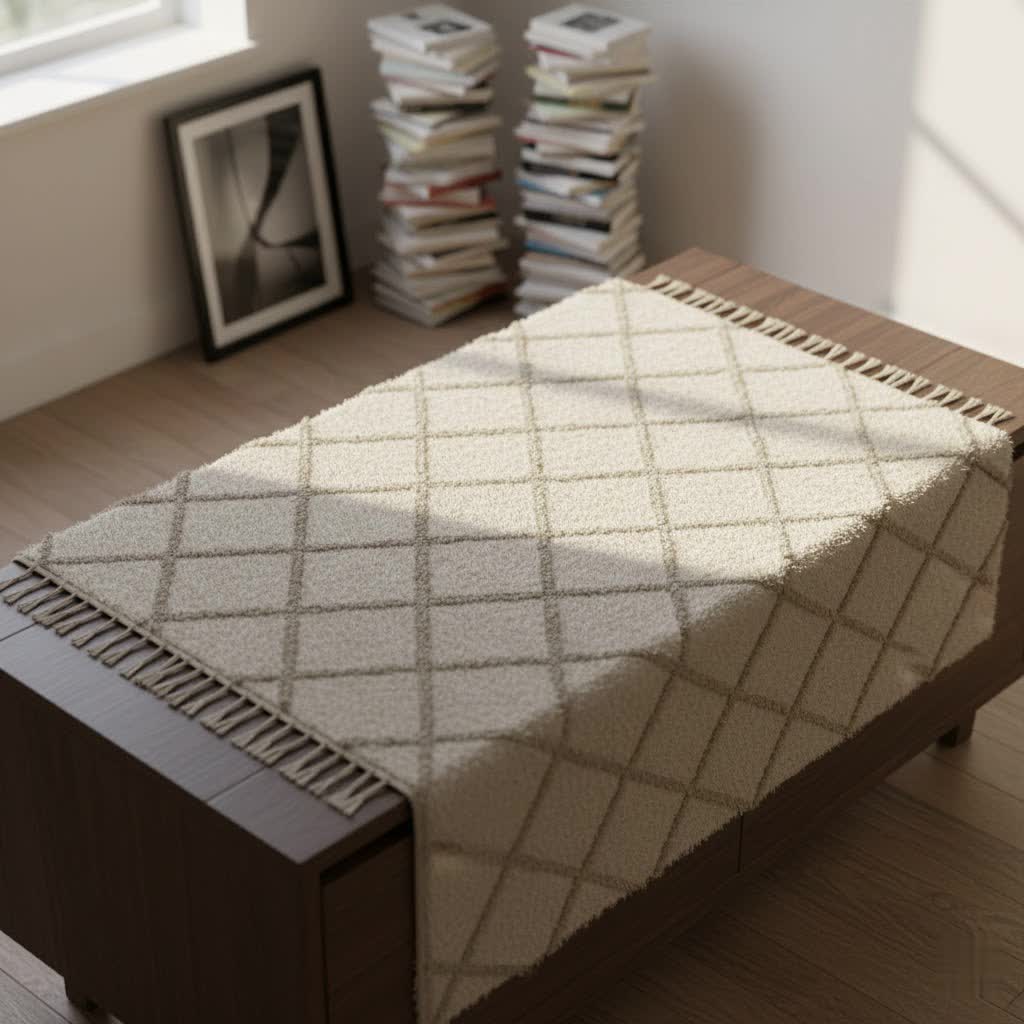
Have you ever walked into a room and felt an immediate sense of warmth and cohesion, all thanks to a beautifully placed area rug? A well-chosen rug doesn’t just cover your floor; it defines your space, anchors your furniture, and infuses personality into your home. Among the many sizes available, the 6×9 area rug stands out as a particularly versatile and popular choice, offering a perfect balance for many rooms without overwhelming them. Whether you’re furnishing a cozy apartment or adding an intimate touch to a larger space, understanding how to select and position this specific size can improve your interiors.
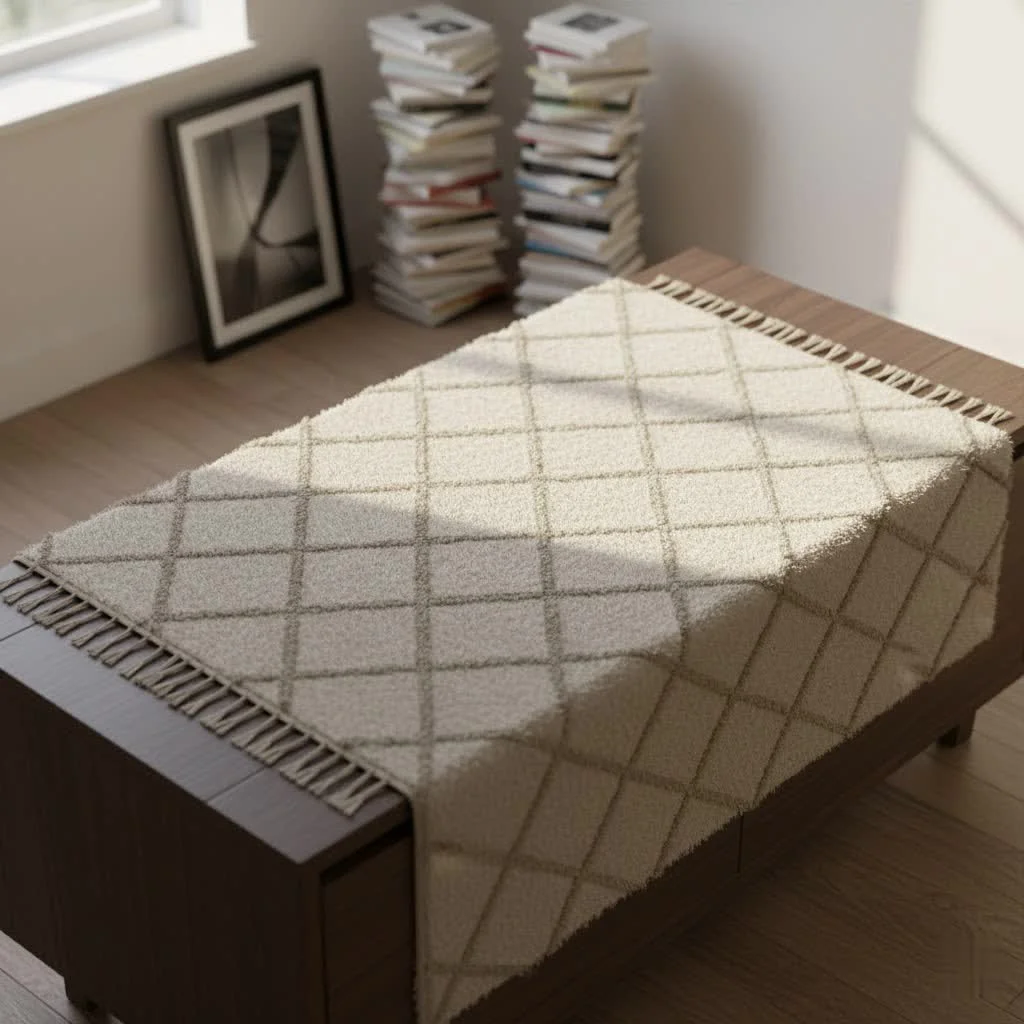
This comprehensive guide will share expert insights and practical advice, helping you navigate the world of 6×9 area rugs. We’ll explore various types and materials, provide a detailed buying guide, offer room-by-room placement strategies, and equip you with essential cleaning and maintenance tips to ensure your rug remains a cherished part of your home for years to come.
Popular 6×9 Area Rug Types
When selecting a 6×9 area rug, the material is often the first consideration, influencing everything from its feel and durability to its ideal placement and care requirementsLet’s examine the most common types.
Natural Fiber 6×9 Area Rugs
Natural fiber rugs bring an organic, earthy feel to any space, often boasting unique textures and exceptional durability. They are a favored choice for those seeking sustainable and hypoallergenic options.
- Advantages: Typically durable, breathable, eco-friendly, and offer a soft, luxurious underfoot feel (especially wool). Many develop a beautiful patina over time.
- Disadvantages: Can be more expensive, may require specific cleaning methods, and some natural fibers like jute or sisal can be rougher in texture or prone to shedding.
- Common Types:
- Wool: Known for its softness, resilience, and natural stain resistance. Ideal for living rooms and bedrooms, providing warmth and comfort.
- Cotton: Lightweight, soft, and often machine washable, making it excellent for casual spaces and areas requiring frequent cleaning.
- Jute & Sisal: Derived from plant fibers, these offer a rustic, textured look. Best for low-traffic areas or layering, as they can be somewhat coarse and less soft.
- Choosing Wisely: Consider the traffic level of your room. Wool is excellent for moderate to high traffic, while cotton is great for lighter use. Jute and sisal are perfect for adding texture in areas where extreme softness isn’t the priority.
Synthetic Fiber 6×9 Area Rugs
Synthetic rugs are celebrated for their affordability, durability, and resistance to stains, making them a practical choice for busy households and high-traffic areas. They offer a vast array of colors and patterns.
- Advantages: Generally more budget-friendly, highly durable, stain-resistant, fade-resistant, and often easy to clean. Many synthetic options are now designed to be machine washable.
- Disadvantages: Can sometimes lack the luxurious feel of natural fibers, and their production often has a higher environmental impact. Some may show wear patterns over time in high-traffic zones.
- Common Types:
- Nylon: Extremely durable and resilient, making it a top choice for high-traffic areas like entryways and family rooms. It also holds color well.
- Polyester: Known for its softness and vibrant color retention, often used for plush rugs. It’s naturally stain-resistant, though less resilient than nylon.
- Polypropylene (Olefin): Highly resistant to moisture, mildew, and fading, making it ideal for indoor-outdoor use, kitchens, or children’s play areas.
- Choosing Wisely: For high-traffic areas or homes with pets and children, synthetics like nylon or polypropylene are excellent. If you prioritize softness and rich color at a lower cost, polyester can be a good fit.
Decorative 6×9 Area Rug Styles
|
Our Picks for the Best Floor Rug in 2026
As an Amazon Associate I earn from qualifying purchases.
|
||
| Num | Product | Action |
|---|---|---|
| 1 | Ophanie Blue Rug, Boys 4x6 Rugs for Bedroom Royal Dark Blue Carpet Nursery Aesthetic, Kids Playroom Navy Area Rugs for Girls Teen Home Decor, Fluffy Shag Bedside Floor Living Room Carpet |

|
| 2 | OLANLY Area Rugs for Living Room Bedroom, Machine Washable 4x5.9 ft Soft Fluffy Shaggy Bedside Rug, Indoor Floor Carpet for Kids Girls and Boys, Dorms, Nursery Rooms, Home Decor Aesthetic, Beige |
|
| 3 | OLANLY Area Rugs for Living Room Bedroom, Machine Washable 4x5.9 ft Soft Fluffy Shaggy Bedside Rug, Indoor Floor Carpet for Kids Girls and Boys, Dorms, Nursery Rooms, Home Decor Aesthetic, Blush |
|
| 4 | OLANLY Area Rugs for Living Room Bedroom, Machine Washable 4x5.9 ft Soft Fluffy Shaggy Bedside Rug, Indoor Floor Carpet for Kids Girls and Boys, Dorms, Nursery Rooms, Home Decor Aesthetic, Coffee |
|
| 5 | Ophanie Area Rugs for Living Room Bedroom, Upgrade Non-Slip Fluffy Soft Grey Shag Carpet, Indoor Floor Gray 4x6 Fuzzy Shaggy Living Room Plush Rug for Kids Home Dorm Decor Aesthetic |
|
| 6 | OLANLY Area Rugs for Living Room Bedroom, Machine Washable 4x5.9 ft Soft Fluffy Shaggy Bedside Rug, Indoor Floor Carpet for Kids Girls and Boys, Dorms, Nursery Rooms, Home Decor Aesthetic, Grey |
|
| 7 | OLANLY Area Rugs for Living Room Bedroom, Machine Washable 4x5.9 ft Soft Fluffy Shaggy Bedside Rug, Indoor Floor Carpet for Kids Girls and Boys, Dorms, Nursery Rooms, Home Decor Aesthetic, Burgundy |
|
| 8 | OLANLY Area Rugs for Living Room Bedroom, Machine Washable 4x5.9 ft Soft Fluffy Shaggy Bedside Rug, Indoor Floor Carpet for Kids Girls and Boys, Dorms, Nursery Rooms, Home Decor Aesthetic, Black |
|
| 9 | Ophanie Area Rugs for Bedroom, Christmas Upgrade Non-Slip Ivory Fluffy Soft Shag Living Room Carpet, Indoor Floor 4x6 Fuzzy Shaggy Living Room Plush Nursery Rug for Kids Home Dorm Decor Aesthetic |
|
| 10 | Ophanie Black Area Rugs for Bedroom Living Room, 4x6 Fluffy Fuzzy Shag Shaggy Carpet Soft Plush Furry Bedside Rug, Indoor Floor Rug for Kids Girls Boys Home Decor Aesthetic, Dorm Nursery |
|
Beyond material, the style of your 6×9 area rug plays a crucial role in enhancing your room’s aesthetic. A 6×9 rug is large enough to make a statement yet compact enough to fit into diverse design schemes.
- Popular Styles:
- Vintage/Distressed: Offers an aged, character-rich look, often with faded patterns that add warmth and history.
- Modern/Abstract: Features bold geometric shapes, abstract designs, or minimalist patterns that complement contemporary interiors.
- Bohemian: Characterized by vibrant colors, intricate patterns, and sometimes tassels or fringe, creating an eclectic, free-spirited vibe.
- Geometric: Clean lines, repetitive patterns, and symmetrical designs that bring structure and visual interest to a room.
- Matching Your Space: Consider your existing furniture and decor. A bold geometric rug can modernize a traditional room, while a soft bohemian pattern can add comfort to a minimalist setting.
- Unique Usage Tips: A 6×9 rug is an excellent size for layering. You can place it on top of a larger, neutral-toned rug (like a sisal or jute) to add texture and define a specific zone, creating a dynamic and personalized look.
Your 6×9 Area Rug Buying Guide
Making an informed decision about your 6×9 area rug involves more than just picking a pretty pattern; it requires careful consideration of your needs, budget, and the rug’s quality.
Identifying Your Needs for a 6×9 Rug
Before you even start browsing, take stock of your space and lifestyle. This crucial step ensures your new rug will be a perfect fit, both aesthetically and functionally.
- Optimal Size for Your Space: While “6×9” specifies the dimensions, understanding how it fits within your room is key. Measure your room’s length and width. For an elegant look, aim to leave a border of bare floor, typically 18 to 24 inches, around the rug’s perimeter in larger rooms. For smaller rooms, a slightly narrower border might be acceptable to avoid a cramped feeling.
- Material Suited for Use: Consider the foot traffic and potential for spills. High-traffic areas (living rooms, entryways) benefit from durable synthetics like nylon or resilient natural fibers like wool. For bedrooms, softness is often prioritized, making wool or plush synthetics ideal. Kitchens and dining rooms may warrant stain-resistant and easily washable materials.
- Color and Pattern to Match Interior Style: The rug’s color and pattern can dramatically influence the perception of your room. Light-colored rugs can make a space feel larger and airier, while darker hues add coziness and drama. Choose patterns that either complement your existing decor or act as a bold statement piece. A subtle pattern can add texture without overwhelming a busy room, while a strong graphic can anchor a minimalist space.
Comparing 6×9 Area Rug Prices and Brands
The market for 6×9 area rugs is vast, with options at nearly every price point. Understanding what influences cost and where to find value is essential.
- Trusted Brands and Retailers: While specific brand recommendations can vary, look for retailers known for quality area rugs. Brands often specialize in certain materials (e.g., wool, washable synthetics), so research those that align with your material preference.
- Average Price Range: A 6×9 area rug can range from under $100 for basic synthetic options to several hundred or even thousands for high-quality hand-knotted natural fiber rugs. The price is directly related to material, construction method (machine-made vs. hand-woven), and brand reputation.
- Tips for Finding Value: Keep an eye out for seasonal sales and promotions from reputable retailers. Sometimes, investing slightly more in a durable, high-quality rug can save money in the long run by reducing the need for frequent replacements. Consider customer reviews to gauge satisfaction with durability and appearance.
Checking 6×9 Area Rug Quality
A rug’s quality isn’t always evident at first glance. Knowing what to look for can prevent buyer’s remorse and ensure your investment lasts.
- Key Indicators of Quality:
- Density: A denser pile (more fibers per square inch) generally indicates better quality and durability.
- Backing: A well-constructed backing (often cotton or jute) prevents stretching and adds stability. Look for even, tight stitching.
- Shedding: Some natural fiber rugs (especially wool) may shed initially, but excessive or persistent shedding can be a sign of lower quality.
- Edges and Fringe: Check for neatly finished edges and securely attached fringes, as loose threads can unravel over time.
- Considerations for Online Purchases: Many shoppers buy rugs online. Utilize features like “see in my room” (if available) and pay close attention to high-resolution images, detailed descriptions of materials and construction, and customer reviews. Always check the seller’s return policy.
- Warranty and Returns: A reputable seller will offer a clear warranty or a generous return policy. This provides peace of mind, especially for larger purchases like a 6×9 area rug, allowing you to assess the rug in your home environment.
6×9 Area Rug Placement: A Room-by-Room Guide
The correct placement of your 6×9 area rug is crucial for defining spaces, anchoring furniture, and enhancing the overall flow and aesthetics of a room. It’s about creating a harmonious visual balance.
Living Room Layouts with a 6×9 Rug
In the living room, a 6×9 rug is often ideal for smaller to medium-sized seating areas, creating a cozy and defined zone.
- Anchoring Furniture: A common and effective approach is
Pet products vetted on real animals
Free PDF — protein DMB calculator + 18 dog foods rated.
