Choosing the perfect area rug can transform any room, adding warmth, texture, and a touch of personal flair. However, the idea of finding a high-quality rug without breaking the bank often feels like an impossible dream. Many homeowners worry that “inexpensive” automatically means “poor quality” or “lackluster design.” This comprehensive guide is here to dispel those myths, offering expert insights and practical advice to help you discover stunning, durable, and truly affordable area rugs that elevate your home’s aesthetic while keeping your budget happily intact. We’ll delve into materials, styles, smart shopping strategies, and essential care tips, ensuring your next rug purchase is both savvy and satisfying.
Types of Inexpensive Area Rugs
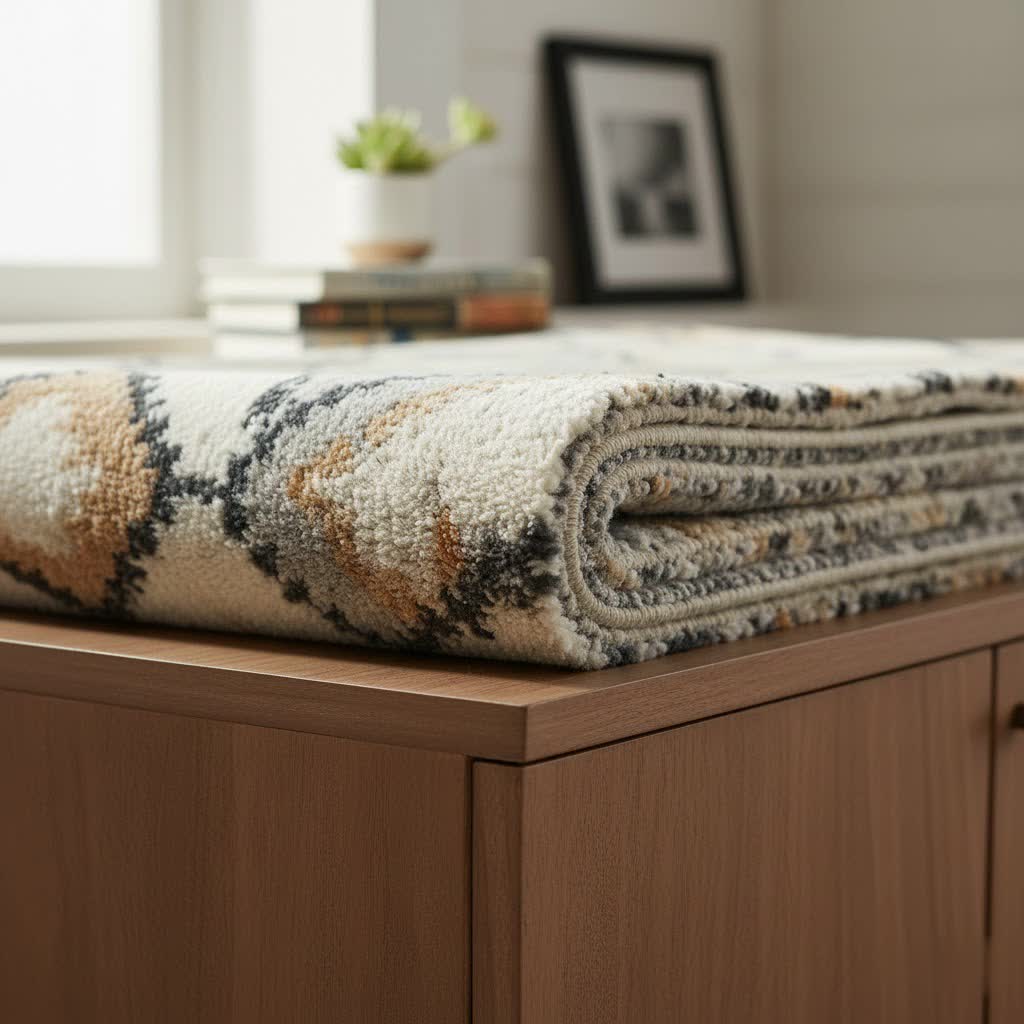
When exploring the world of Inexpensive Area Rugs, understanding the common types and their characteristics is crucial for making an informed decision that balances cost with performance and style.
Natural Fiber Rugs
Natural fiber rugs offer an organic, earthy appeal and can often be found at budget-friendly prices, especially compared to their high-end wool or silk counterparts. They bring a unique texture and warmth to a space, making them a popular choice for those seeking an eco-conscious touch.
- Pros: Environmentally friendly, unique textures, often naturally durable, can add a bohemian or minimalist aesthetic. Many natural fibers are biodegradable.
- Cons: Some types can be rough underfoot, may shed initially, can be susceptible to moisture damage and staining if not properly treated. Cleaning can sometimes be more challenging than synthetics.
- Popular Types:
- Jute: Renowned for its soft, natural texture and golden sheen, jute is one of the most affordable natural fibers. It’s ideal for low to medium-traffic areas like bedrooms or living rooms where comfort and a rustic look are desired.
- Sisal: Derived from the agave plant, sisal is highly durable and has a coarser texture, making it excellent for high-traffic zones like entryways or hallways. Its robust nature makes it resilient against wear and tear.
- Seagrass: With a smooth, non-porous surface, seagrass rugs are naturally stain-resistant and very durable. They offer a unique woven texture and a subtle green hue that mellows over time. They are best for areas where spills are a concern.
- How to Choose Natural Fiber Rugs: Consider the intended room’s traffic level and desired aesthetic. Jute offers softness for bedrooms, while sisal or seagrass provides durability for busier areas. Their neutral tones make them versatile for various decor styles, from coastal to modern farmhouse.
|
Our Picks for the Best Floor Rug in 2026
We may earn a commission when you use one of our links to make a purchase.
|
||
| Num | Product | Action |
|---|---|---|
| 1 | OLANLY Area Rugs for Living Room Bedroom, Machine Washable 4x5.9 ft Soft Fluffy Shaggy Bedside Rug, Indoor Floor Carpet for Kids Girls and Boys, Dorms, Nursery Rooms, Home Decor Aesthetic, Burgundy |

|
| 2 | OLANLY Area Rugs for Living Room Bedroom, Machine Washable 4x5.9 ft Soft Fluffy Shaggy Bedside Rug, Indoor Floor Carpet for Kids Girls and Boys, Dorms, Nursery Rooms, Home Decor Aesthetic, Coffee |
|
| 3 | OLANLY Area Rugs for Living Room Bedroom, Machine Washable 4x5.9 ft Soft Fluffy Shaggy Bedside Rug, Indoor Floor Carpet for Kids Girls and Boys, Dorms, Nursery Rooms, Home Decor Aesthetic, Beige |
|
| 4 | OLANLY Area Rugs for Living Room Bedroom, Machine Washable 4x5.9 ft Soft Fluffy Shaggy Bedside Rug, Indoor Floor Carpet for Kids Girls and Boys, Dorms, Nursery Rooms, Home Decor Aesthetic, Black |
|
| 5 | OLANLY Area Rugs for Living Room Bedroom, Machine Washable 4x5.9 ft Soft Fluffy Shaggy Bedside Rug, Indoor Floor Carpet for Kids Girls and Boys, Dorms, Nursery Rooms, Home Decor Aesthetic, Blush |
|
| 6 | OLANLY Area Rugs for Living Room Bedroom, Machine Washable 4x5.9 ft Soft Fluffy Shaggy Bedside Rug, Indoor Floor Carpet for Kids Girls and Boys, Dorms, Nursery Rooms, Home Decor Aesthetic, Grey |
|
| 7 | Ophanie Blue Rug, Boys 4x6 Rugs for Bedroom Royal Dark Blue Carpet Nursery Aesthetic, Kids Playroom Navy Area Rugs for Girls Teen Home Decor, Fluffy Shag Bedside Floor Living Room Carpet |
|
| 8 | Ophanie Black Area Rugs for Bedroom Living Room, 4x6 Fluffy Fuzzy Shag Shaggy Carpet Soft Plush Furry Bedside Rug, Indoor Floor Rug for Kids Girls Boys Home Decor Aesthetic, Dorm Nursery |
|
| 9 | Ophanie Area Rugs for Living Room Bedroom, Upgrade Non-Slip Fluffy Soft Grey Shag Carpet, Indoor Floor Gray 4x6 Fuzzy Shaggy Living Room Plush Rug for Kids Home Dorm Decor Aesthetic |
|
| 10 | Ophanie Area Rugs for Bedroom, Christmas Upgrade Non-Slip Ivory Fluffy Soft Shag Living Room Carpet, Indoor Floor 4x6 Fuzzy Shaggy Living Room Plush Nursery Rug for Kids Home Dorm Decor Aesthetic |
|
|
Our Picks for the Best Floor Rug in 2026
We may earn a commission when you use one of our links to make a purchase.
|
||
| Num | Product | Action |
|---|---|---|
| 1 | OLANLY Area Rugs for Living Room Bedroom, Machine Washable 4x5.9 ft Soft Fluffy Shaggy Bedside Rug, Indoor Floor Carpet for Kids Girls and Boys, Dorms, Nursery Rooms, Home Decor Aesthetic, Coffee |
|
| 2 | Ophanie Black Area Rugs for Bedroom Living Room, 4x6 Fluffy Fuzzy Shag Shaggy Carpet Soft Plush Furry Bedside Rug, Indoor Floor Rug for Kids Girls Boys Home Decor Aesthetic, Dorm Nursery |
|
| 3 | Ophanie Area Rugs for Living Room Bedroom, Upgrade Non-Slip Fluffy Soft Grey Shag Carpet, Indoor Floor Gray 4x6 Fuzzy Shaggy Living Room Plush Rug for Kids Home Dorm Decor Aesthetic |
|
| 4 | OLANLY Area Rugs for Living Room Bedroom, Machine Washable 4x5.9 ft Soft Fluffy Shaggy Bedside Rug, Indoor Floor Carpet for Kids Girls and Boys, Dorms, Nursery Rooms, Home Decor Aesthetic, Burgundy |
|
| 5 | OLANLY Area Rugs for Living Room Bedroom, Machine Washable 4x5.9 ft Soft Fluffy Shaggy Bedside Rug, Indoor Floor Carpet for Kids Girls and Boys, Dorms, Nursery Rooms, Home Decor Aesthetic, Beige |
|
| 6 | Ophanie Blue Rug, Boys 4x6 Rugs for Bedroom Royal Dark Blue Carpet Nursery Aesthetic, Kids Playroom Navy Area Rugs for Girls Teen Home Decor, Fluffy Shag Bedside Floor Living Room Carpet |
|
| 7 | Ophanie Area Rugs for Bedroom, Christmas Upgrade Non-Slip Ivory Fluffy Soft Shag Living Room Carpet, Indoor Floor 4x6 Fuzzy Shaggy Living Room Plush Nursery Rug for Kids Home Dorm Decor Aesthetic |
|
| 8 | OLANLY Area Rugs for Living Room Bedroom, Machine Washable 4x5.9 ft Soft Fluffy Shaggy Bedside Rug, Indoor Floor Carpet for Kids Girls and Boys, Dorms, Nursery Rooms, Home Decor Aesthetic, Black |
|
| 9 | OLANLY Area Rugs for Living Room Bedroom, Machine Washable 4x5.9 ft Soft Fluffy Shaggy Bedside Rug, Indoor Floor Carpet for Kids Girls and Boys, Dorms, Nursery Rooms, Home Decor Aesthetic, Grey |
|
| 10 | OLANLY Area Rugs for Living Room Bedroom, Machine Washable 4x5.9 ft Soft Fluffy Shaggy Bedside Rug, Indoor Floor Carpet for Kids Girls and Boys, Dorms, Nursery Rooms, Home Decor Aesthetic, Blush |
|
Synthetic Fiber Rugs
Synthetic fiber rugs dominate the inexpensive area rug market due for their remarkable affordability, durability, and versatility. These man-made materials offer a fantastic blend of practicality and style, making them a go-to for budget-conscious decorators.
- Pros: Highly affordable, exceptionally durable, excellent stain and fade resistance, available in an extensive range of colors, patterns, and textures, easy to clean and maintain. Many are ideal for homes with pets and children.
- Cons: May not have the luxurious feel of high-end natural fibers, some types can be prone to static, and their environmental impact is higher than natural alternatives.
- Popular Types:
- Polypropylene (Olefin): This is arguably the most common and cost-effective synthetic rug material. Polypropylene rugs are incredibly durable, water-resistant, and virtually stain-proof, making them perfect for high-traffic areas, kitchens, and even outdoor use. They offer a soft feel similar to wool.
- Polyester: Known for its vibrant color retention and soft, plush feel, polyester is often used in machine-made rugs designed for comfort. While stain-resistant, it may not be as durable as polypropylene in extremely high-traffic zones but is excellent for bedrooms and living rooms.
- Nylon: A highly resilient and durable synthetic fiber, nylon rugs are excellent for high-traffic areas due to their ability to resist crushing and matting. They are also easy to clean and maintain, though often slightly more expensive than polypropylene or polyester.
- How to Choose Synthetic Fiber Rugs: For ultimate durability and stain resistance, opt for polypropylene. For a softer feel and vibrant colors in moderate traffic areas, polyester is a great choice. Nylon provides a good balance of durability and comfort. These rugs are perfect for busy households or those who love to frequently update their decor.
Decorative Rugs: Achieving Style on a Budget
Even with a limited budget, you don’t have to sacrifice style. Many inexpensive area rugs come in an array of fashionable designs, allowing you to create a personalized and cohesive look without overspending. The key is knowing which styles are widely available in budget-friendly materials and how to leverage them.
- Popular Design Styles Found Affordably:
- Geometric Rugs: Clean lines and repeating patterns can add a modern or contemporary touch. Machine-made versions in polypropylene are often abundant and very affordable.
- Modern & Abstract Rugs: Bold colors and non-traditional designs are readily available in synthetic blends, perfect for adding an artistic focal point to a room.
- Traditional & Vintage-Inspired Rugs: Many inexpensive rugs mimic the intricate patterns of traditional Persian or Oriental rugs through machine-made printing or tufting techniques, offering a classic look for less.
- Bohemian Rugs: Featuring global-inspired patterns, tassels, and natural textures, these styles are often found in jute, cotton, or blended synthetic options that fit a relaxed, eclectic vibe.
- Choosing Decorative Rugs for Your Space:
- Complementing Your Interior: Neutral-colored rugs with subtle patterns can seamlessly integrate into almost any decor, providing a versatile foundation.
- Making a Statement: Don’t shy away from bold patterns or vibrant colors if you want your rug to be the room’s focal point. Inexpensive options allow you to experiment without a huge commitment.
- Considering Flatweave: Flatweave rugs, often made from cotton or synthetic blends, are particularly budget-friendly. Their low-profile design makes them reversible and easy to clean, ideal for dining rooms or under furniture.
- Considerations When Using Decorative Rugs: Ensure the pattern and color complement your existing furniture and wall colors. Remember that lighter colors can make a room feel larger and brighter, while darker shades add coziness and can hide stains better.
Inexpensive Area Rug Buying Guide
Navigating the vast market for inexpensive area rugs requires a strategic approach. By focusing on your specific needs, comparing options, and understanding quality indicators, you can confidently select a rug that offers both style and value.
Identify Usage Needs
Before diving into styles and colors, assess where and how your rug will be used. This foundational step will guide your material, size, and durability choices, ensuring your budget-friendly purchase genuinely meets your practical requirements.
- Determine the Right Size for Your Space: The size of your area rug significantly impacts both the room’s aesthetics and the rug’s cost. A common mistake is buying a rug that is too small, which can make a room feel disjointed. Measure your space carefully, considering how much furniture you want the rug to anchor. For living rooms, aim for a rug large enough to place at least the front legs of all major furniture pieces on it. In bedrooms, a large rug under the bed creates a soft landing, while smaller options can define bedside areas.
- Match Material to Purpose: Different materials excel in different environments. For high-traffic areas like living rooms, entryways, or hallways, durable synthetic fibers such as polypropylene or sturdy natural fibers like sisal are excellent choices that withstand daily wear and tear. In contrast, for lower-traffic, cozier spaces like bedrooms or reading nooks, softer materials like polyester or jute can provide comfort and warmth.
- Choose Colors and Patterns that Enhance Your Interior: The color and pattern of your rug should harmonize with your existing decor. Neutral-toned rugs (beige, grey, cream) offer versatility and create a calming backdrop, easily blending with various furniture styles. If you desire a bold statement, opt for a rug with vibrant colors or an eye-catching pattern. Remember that lighter colors can make a room feel more open, while darker shades add intimacy and can cleverly conceal minor stains.
Compare Prices and Brands
Finding a great deal on an inexpensive area rug involves smart shopping. While many brands offer affordable options, knowing where to look and how to compare can save you significant money without compromising on style or acceptable quality.
- Reputable Retailers for Affordable Rugs: Online retailers are often the best places to find inexpensive area rugs due to their vast selections and competitive pricing. Look for well-known online stores like Wayfair, Overstock, Amazon, Target, and Rugs USA, which frequently offer sales and discounts. These platforms often provide detailed product descriptions and customer reviews, which are invaluable for assessing value. Discount stores and home improvement chains can also yield surprising finds, especially during clearance events.
- Understanding Average Price Ranges: What constitutes “inexpensive” can vary by size and material. Generally, a small (e.g., 3×5 ft) machine-made synthetic rug can range from $30-$80, while a medium (e.g., 5×8 ft) might be $70-$150, and larger sizes (e.g., 8×10 ft) from $150-$300+. Natural fiber rugs like jute often fall into similar or slightly higher brackets depending on the weave. Always compare prices across several retailers for the exact size and material you need.
- Tips for Discovering the Best Deals:
- Shop During Sales Events: Major holidays (Black Friday, Cyber Monday, Memorial Day, Labor Day) are prime times for deep discounts on home goods, including rugs.
- Explore Clearance and Outlet Sections: Many online and brick-and-mortar stores have dedicated clearance sections where discontinued or overstocked items are sold at significantly reduced prices.
- Utilize Filters: When shopping online, always use price filters to narrow down options within your budget. Filtering by material or construction type (e.g., “machine-made”) can also quickly reveal more affordable choices.
- Sign Up for Email Lists: Retailers often offer welcome discounts or exclusive promotions to email subscribers.
Check Rug Quality
Even when buying inexpensive area rugs, it’s possible to find options that offer decent quality and durability. A few key indicators can help you distinguish a worthwhile purchase from a flimsy one, ensuring your rug stands up to daily life.
- How to Identify Quality in Affordable Rugs:
- Dense Weave: A denser pile usually indicates better quality and durability. For synthetic rugs, try to push your fingers into the pile; if you can easily feel the backing, the weave might be too loose.
- Sturdy Backing: The rug’s backing should be robust and securely attached to the pile. A good backing prevents stretching, slipping, and premature wear. Look for materials like latex or canvas.
- Even Stitching/Finish: Inspect the edges and corners for even, secure stitching. Loose threads or uneven borders can indicate poor craftsmanship and lead to unraveling over time.
- Material Feel: While inexpensive, the rug should still feel decent underfoot. Polypropylene and polyester can be surprisingly soft.
- Tips for Buying Rugs Online: Since you can’t physically inspect online purchases, rely heavily on:
- Customer Reviews: Pay attention to comments regarding quality, durability, and how true the color and texture are to the photos.
- High-Resolution Images: Zoom in on product photos to examine the weave and texture.
- Detailed Product Descriptions: Look for information on pile height, material composition, and construction method.
- Understanding Warranty and Return Policies: Before purchasing, always check the retailer’s return policy. A generous return window can be crucial if the rug doesn’t meet your expectations upon arrival. Some brands may offer limited warranties against manufacturing defects, even on their more affordable lines. This provides an extra layer of confidence in your purchase.
Inexpensive Area Rug Comparison Table
| Feature | Jute Rugs | Polypropylene (Olefin) Rugs | Polyester Rugs |
|---|---|---|---|
| Material | Natural plant fiber | Synthetic plastic polymer | Synthetic plastic polymer |
| Durability | Good, resilient (especially sisal/seagrass) | Excellent, highly resistant to wear | Good, but less resilient than polypropylene |
| Stain Resist. | Moderate, can absorb liquids (requires quick clean) | Excellent, naturally water and stain resistant | Very good, resists water-based stains |
| Softness | Moderate to firm, textured | Soft to very soft, can mimic wool | Very soft, often plush and luxurious feel |
| Cost | Low to Moderate | Very Low to Low | Low to Moderate |
| Aesthetic | Natural, bohemian, rustic, neutral | Wide range of colors/patterns, modern, traditional | Vibrant colors, modern, often shaggy/plush |
| Best Use | Low-to-medium traffic areas, bedrooms, living rooms | High-traffic areas, kitchens, entryways, outdoors | Bedrooms, low-to-medium traffic living rooms |
| Maintenance | Spot clean with mild soap, vacuum regularly | Easy to clean, vacuum, spot clean with mild soap | Easy to clean, vacuum, spot clean |
| Eco-Friendly | Yes, biodegradable | No, petroleum-based | No, petroleum-based (can be from recycled plastics) |
Inexpensive Area Rug Cleaning and Maintenance Tips
Even budget-friendly rugs can last for years with proper care. Extending the lifespan of your inexpensive area rug not only saves you money in the long run but also keeps your home looking fresh and inviting.
Regular Cleaning
Consistent cleaning is the cornerstone of rug longevity, preventing dirt and grime from embedding into fibers and causing premature wear.
- Vacuuming Routinely: This is the most crucial step. Vacuum your rug at least once a week, more often in high-traffic areas or homes with pets. Regular vacuuming removes loose dirt and debris before it can settle deep into the fibers, which can otherwise cause abrasive damage over time. Use a vacuum with adjustable height settings to avoid damaging the pile, especially for delicate or shag rugs.
- Deep Cleaning (As Needed): While you might not need professional cleaning for an inexpensive rug, consider deep cleaning synthetic rugs annually or biennially. Many synthetic rugs can be spot-cleaned effectively or even machine-washed if they are small and clearly labeled as washable. Always check the manufacturer’s care instructions first. For natural fiber rugs, dry cleaning or specialized gentle cleaning methods are usually recommended.
- Odor Removal: For general freshness, sprinkle baking soda liberally over the rug, let it sit for at least 30 minutes (or overnight for stubborn odors), then vacuum thoroughly. For pet odors, enzymatic cleaners designed for pet stains can be highly effective.
Stain Removal
Accidents happen, but quick and correct action can prevent permanent stains, especially on stain-resistant synthetic rugs.
- Act Immediately: The faster you address a spill, the better your chances of complete removal. Blot, don’t rub, with a clean white cloth or paper towel to absorb as much liquid as possible. Rubbing can spread the stain and push it deeper into the fibers.
- Common Stains and Solutions:
- Liquid Spills (coffee, juice): Blot, then dab with a solution of mild dish soap and cool water. Rinse by blotting with a damp cloth, then dry thoroughly.
- Grease/Oil: Blot excess, then apply a small amount of cornstarch or baking soda to absorb the grease. Let it sit for 15-30 minutes, then vacuum. Follow with a mild detergent solution if needed.
- Pet Stains: Blot immediately. Use a specialized enzymatic pet stain remover, following product instructions. These break down the odor-causing bacteria.
- Using Specialized Cleaning Solutions: For synthetic rugs, many over-the-counter rug cleaners are safe and effective. Always test any cleaning solution on an inconspicuous area first to ensure it doesn’t cause discoloration or damage. Avoid harsh chemicals, especially on natural fiber rugs, as they can cause irreversible damage.
- Natural Stain Remedies: A mixture of white vinegar and water (1:1 ratio) can be an effective, natural stain remover and deodorizer for many common spills on synthetic rugs.
Proper Storage
If you need to store your area rug, doing so correctly will prevent damage, mold, and pests, ensuring it remains in good condition for future use.
- Clean and Dry Thoroughly Before Storage: Never store a dirty or damp rug. Ensure it is completely clean and dry to prevent mold, mildew, and pest infestations.
- Roll, Don’t Fold: Always roll your rug tightly, pile side in, around a sturdy cardboard tube if possible. Folding can create permanent creases and damage the backing.
- Protect from Elements and Pests: Wrap the rolled rug in a breathable material like cotton sheeting or a special rug storage bag. Avoid plastic wraps, which can trap moisture and encourage mold growth. Store in a cool, dry place away from direct sunlight, extreme temperatures, and high humidity. Consider using mothballs or cedar blocks as a natural pest deterrent, especially for natural fiber rugs.
- Utilize Rug Pads: Investing in an inexpensive rug pad is a smart decision for any area rug. A good rug pad provides cushioning, prevents slipping, and acts as a barrier, protecting both your rug from wear and your floors from scratches. It also adds a layer of comfort and can make an inexpensive rug feel more substantial.
Frequently Asked Questions
Are inexpensive area rugs durable?
Yes, many inexpensive area rugs, particularly those made from synthetic fibers like polypropylene, are designed to be highly durable and stain-resistant. Their machine-made construction allows for consistent quality, making them suitable for high-traffic areas and busy households. However, “durability” varies by material and construction, so always match the rug to its intended use.
What are the best materials for affordable rugs in high-traffic areas?
For high-traffic areas, polypropylene (olefin) is an excellent and highly affordable choice due to its superior durability, stain resistance, and ease of cleaning. Sturdy natural fibers like sisal or seagrass also offer great resilience, though they may require more specific cleaning methods.
How can I make a cheap rug look more expensive?
To make an inexpensive rug appear more luxurious, choose a subtle texture or a sophisticated, abstract pattern in a neutral color palette. Adding a high-quality rug pad underneath can also provide extra cushioning and a more substantial feel, enhancing its perceived value. Ensure the rug is the correct size for your space to create a polished, intentional look.
Where are the best places to buy inexpensive area rugs online?
Top online retailers for inexpensive area rugs include Wayfair, Overstock, Amazon, Target, and Rugs USA. These platforms offer a vast selection, frequent sales, and customer reviews that can help you find quality options at competitive prices. Always check their clearance and sale sections for the best deals.
What’s the difference between machine-made and hand-tufted rugs in terms of cost?
Machine-made rugs are generally the most inexpensive type because they are mass-produced efficiently by automated looms. Hand-tufted rugs, while still more affordable than hand-knotted ones, are slightly pricier than machine-made options as they involve a handheld tufting gun and require more manual labor, allowing for intricate designs and a more plush feel.