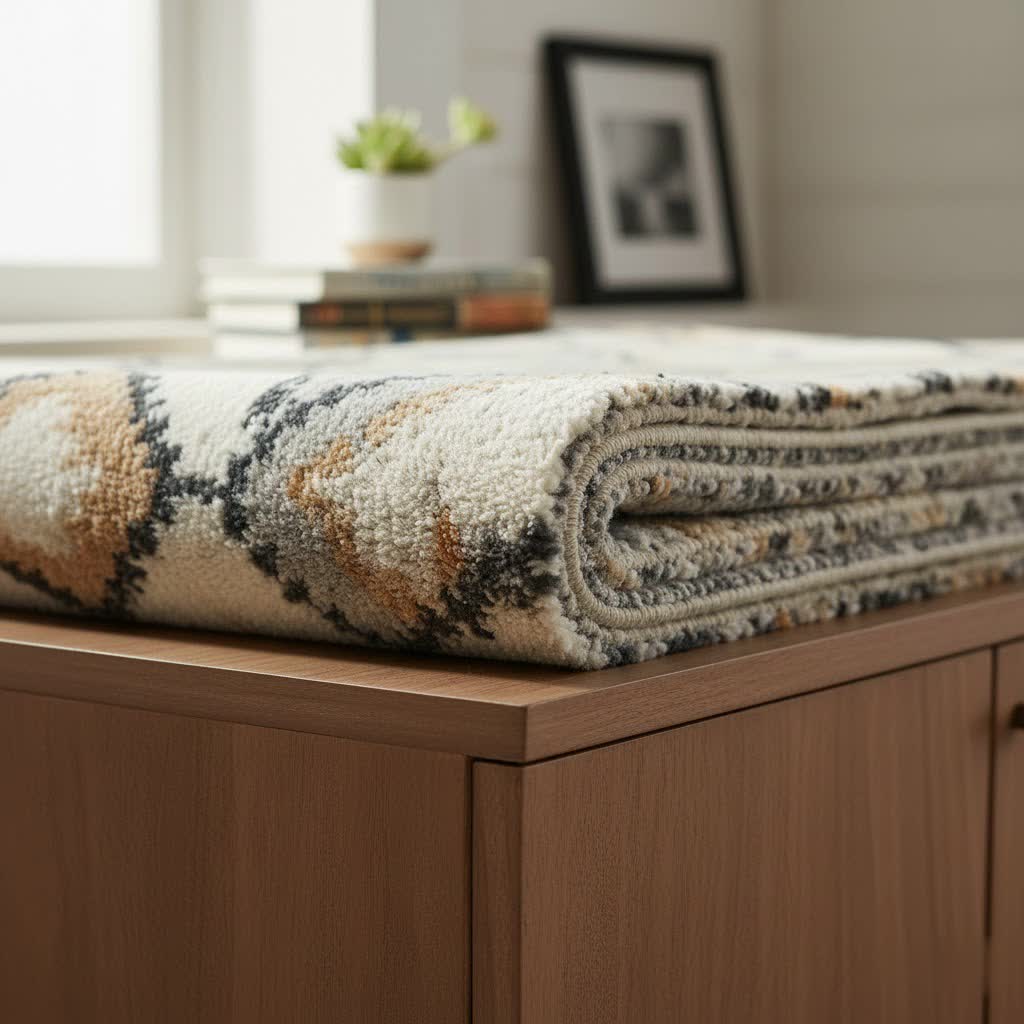
Bringing a new carpet into your home is an exciting transformation, promising warmth, comfort, and a fresh aesthetic. Yet, the journey from selection to a beautifully installed floor can feel complex. From understanding the true costs involved to navigating the installation process and preparing your home, there’s a lot to consider. This comprehensive guide will walk you through every aspect of getting Carpet Installed, ensuring you’re well-informed to make the best decisions for your space and budget.
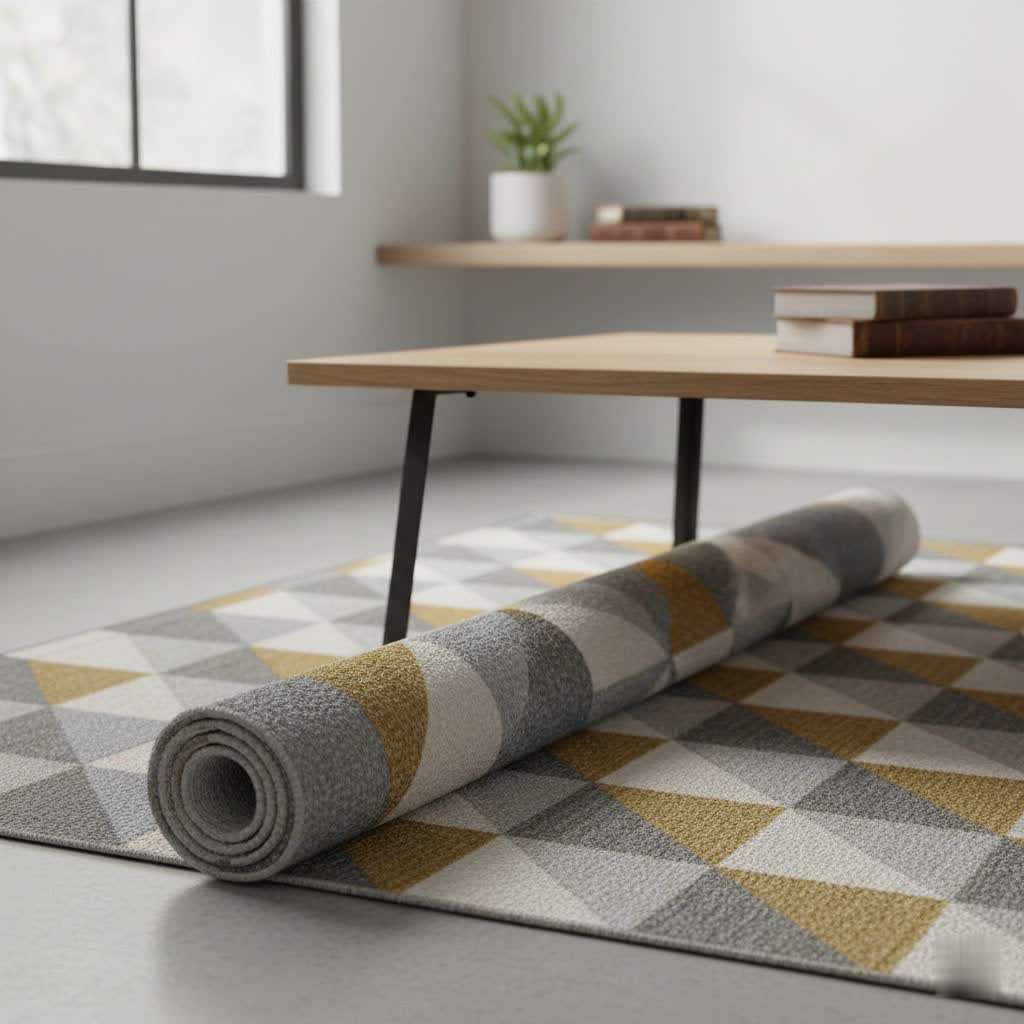
Understanding the Costs of Having Carpet Installed
The total cost to have carpet installed is more than just the price per square foot of the carpet itself. Many factors contribute to the final bill, which can range significantly depending on your choices and home conditions. Typically, carpet installation costs anywhere from $3 to $11 per square foot, including both materials and labor.
Factors Influencing Installation Price
Several elements can cause the price of your carpet installation to fluctuate:
- Carpet Material & Style: The type of fiber and construction significantly impacts cost. More luxurious or durable materials like wool can be $4 to $20 per square foot, while budget-friendly options like polyester or olefin might be $1 to $3 per square foot. Styles like Berber, Frieze, or Saxony also have varying price points, influencing both material and installation complexity.
- Carpet Padding & Underlayment: While adding to the upfront cost (typically $0.75 to $2.00 per square foot), quality padding is crucial. It enhances comfort, provides insulation, extends the carpet’s lifespan, and can even reduce noise.
- Subfloor Preparation & Repairs: The condition of your existing subfloor is paramount. If it’s uneven, damaged, or requires extensive cleaning, you might incur additional costs. Subfloor repairs average around $600, with complete replacement costing $3 to $10 per square foot.
- Old Carpet Removal: If you’re replacing existing carpet, removal and disposal typically add $1 to $5 per square foot to the total cost. Some installers may include this in their package, while others charge separately.
- Labor Costs: These cover the installers’ time and expertise. Complex room shapes, multiple seams, and especially carpeting stairs, will increase labor. Carpeting stairs can add $1 to $2 per square foot extra, or $11 to $26 per step, due to the intricate work involved. Custom cuts for irregular rooms also incur additional charges, usually $1 to $2 per square foot for those specific areas.
|
Our Picks for the Best Floor Rug in 2026
We may earn a commission when you use one of our links to make a purchase.
|
||
| Num | Product | Action |
|---|---|---|
| 1 | Ophanie Black Area Rugs for Bedroom Living Room, 4x6 Fluffy Fuzzy Shag Shaggy Carpet Soft Plush Furry Bedside Rug, Indoor Floor Rug for Kids Girls Boys Home Decor Aesthetic, Dorm Nursery |

|
| 2 | OLANLY Area Rugs for Living Room Bedroom, Machine Washable 4x5.9 ft Soft Fluffy Shaggy Bedside Rug, Indoor Floor Carpet for Kids Girls and Boys, Dorms, Nursery Rooms, Home Decor Aesthetic, Burgundy |
|
| 3 | OLANLY Area Rugs for Living Room Bedroom, Machine Washable 4x5.9 ft Soft Fluffy Shaggy Bedside Rug, Indoor Floor Carpet for Kids Girls and Boys, Dorms, Nursery Rooms, Home Decor Aesthetic, Coffee |
|
| 4 | Ophanie Area Rugs for Living Room Bedroom, Upgrade Non-Slip Fluffy Soft Grey Shag Carpet, Indoor Floor Gray 4x6 Fuzzy Shaggy Living Room Plush Rug for Kids Home Dorm Decor Aesthetic |
|
| 5 | OLANLY Area Rugs for Living Room Bedroom, Machine Washable 4x5.9 ft Soft Fluffy Shaggy Bedside Rug, Indoor Floor Carpet for Kids Girls and Boys, Dorms, Nursery Rooms, Home Decor Aesthetic, Blush |
|
| 6 | Ophanie Blue Rug, Boys 4x6 Rugs for Bedroom Royal Dark Blue Carpet Nursery Aesthetic, Kids Playroom Navy Area Rugs for Girls Teen Home Decor, Fluffy Shag Bedside Floor Living Room Carpet |
|
| 7 | OLANLY Area Rugs for Living Room Bedroom, Machine Washable 4x5.9 ft Soft Fluffy Shaggy Bedside Rug, Indoor Floor Carpet for Kids Girls and Boys, Dorms, Nursery Rooms, Home Decor Aesthetic, Beige |
|
| 8 | Ophanie Area Rugs for Bedroom, Christmas Upgrade Non-Slip Ivory Fluffy Soft Shag Living Room Carpet, Indoor Floor 4x6 Fuzzy Shaggy Living Room Plush Nursery Rug for Kids Home Dorm Decor Aesthetic |
|
| 9 | OLANLY Area Rugs for Living Room Bedroom, Machine Washable 4x5.9 ft Soft Fluffy Shaggy Bedside Rug, Indoor Floor Carpet for Kids Girls and Boys, Dorms, Nursery Rooms, Home Decor Aesthetic, Grey |
|
| 10 | OLANLY Area Rugs for Living Room Bedroom, Machine Washable 4x5.9 ft Soft Fluffy Shaggy Bedside Rug, Indoor Floor Carpet for Kids Girls and Boys, Dorms, Nursery Rooms, Home Decor Aesthetic, Black |
|
|
Our Picks for the Best Floor Rug in 2026
We may earn a commission when you use one of our links to make a purchase.
|
||
| Num | Product | Action |
|---|---|---|
| 1 | OLANLY Area Rugs for Living Room Bedroom, Machine Washable 4x5.9 ft Soft Fluffy Shaggy Bedside Rug, Indoor Floor Carpet for Kids Girls and Boys, Dorms, Nursery Rooms, Home Decor Aesthetic, Burgundy |
|
| 2 | OLANLY Area Rugs for Living Room Bedroom, Machine Washable 4x5.9 ft Soft Fluffy Shaggy Bedside Rug, Indoor Floor Carpet for Kids Girls and Boys, Dorms, Nursery Rooms, Home Decor Aesthetic, Grey |
|
| 3 | OLANLY Area Rugs for Living Room Bedroom, Machine Washable 4x5.9 ft Soft Fluffy Shaggy Bedside Rug, Indoor Floor Carpet for Kids Girls and Boys, Dorms, Nursery Rooms, Home Decor Aesthetic, Coffee |
|
| 4 | OLANLY Area Rugs for Living Room Bedroom, Machine Washable 4x5.9 ft Soft Fluffy Shaggy Bedside Rug, Indoor Floor Carpet for Kids Girls and Boys, Dorms, Nursery Rooms, Home Decor Aesthetic, Beige |
|
| 5 | Ophanie Area Rugs for Bedroom, Christmas Upgrade Non-Slip Ivory Fluffy Soft Shag Living Room Carpet, Indoor Floor 4x6 Fuzzy Shaggy Living Room Plush Nursery Rug for Kids Home Dorm Decor Aesthetic |
|
| 6 | Ophanie Area Rugs for Living Room Bedroom, Upgrade Non-Slip Fluffy Soft Grey Shag Carpet, Indoor Floor Gray 4x6 Fuzzy Shaggy Living Room Plush Rug for Kids Home Dorm Decor Aesthetic |
|
| 7 | OLANLY Area Rugs for Living Room Bedroom, Machine Washable 4x5.9 ft Soft Fluffy Shaggy Bedside Rug, Indoor Floor Carpet for Kids Girls and Boys, Dorms, Nursery Rooms, Home Decor Aesthetic, Blush |
|
| 8 | Ophanie Blue Rug, Boys 4x6 Rugs for Bedroom Royal Dark Blue Carpet Nursery Aesthetic, Kids Playroom Navy Area Rugs for Girls Teen Home Decor, Fluffy Shag Bedside Floor Living Room Carpet |
|
| 9 | Ophanie Black Area Rugs for Bedroom Living Room, 4x6 Fluffy Fuzzy Shag Shaggy Carpet Soft Plush Furry Bedside Rug, Indoor Floor Rug for Kids Girls Boys Home Decor Aesthetic, Dorm Nursery |
|
| 10 | OLANLY Area Rugs for Living Room Bedroom, Machine Washable 4x5.9 ft Soft Fluffy Shaggy Bedside Rug, Indoor Floor Carpet for Kids Girls and Boys, Dorms, Nursery Rooms, Home Decor Aesthetic, Black |
|
Average Cost Breakdown
While individual projects vary, a general breakdown helps in budgeting. For an average living room of about 330 square feet, the total carpet replacement cost, including carpet, padding, installation, and disposal, might be around $1,780. Homewyse.com estimated in January 2026 that installing carpet could start between $5.27 and $7.72 per square foot.
“Investing in professional carpet installation ensures longevity and a flawless finish, often saving homeowners from costly DIY mistakes down the line.”
Professional Carpet Installation vs. DIY: Which is Right for You?
When considering a new carpet, one of the biggest decisions is whether to tackle the installation yourself or hire professionals.
The DIY Approach: Pros and Cons
Pros:
- Cost Savings: The most significant advantage is saving on labor costs, which can be substantial.
- Flexibility: You control the schedule and pace of the project.
Cons:
- Specialized Tools Required: Proper carpet installation demands tools like knee kickers, power stretchers, seam irons, and carpet tuckers, which can be expensive to buy or rent.
- Skill and Experience: Achieving a professional, wrinkle-free finish with invisible seams requires considerable skill and practice. Mistakes can lead to uneven seams, buckling, subfloor damage, and a shorter carpet lifespan.
- Time and Effort: It’s a physically demanding and time-consuming process.
Why Choose Professional Installation
Hiring experienced installers offers numerous benefits:
- Expertise and Precision: Professionals possess the specialized knowledge and tools to ensure your carpet is perfectly measured, cut, stretched, and seamed according to manufacturer guidelines and building standards.
- Flawless Finish: They prevent common issues like visible seams, ripples, and premature wear, resulting in a smooth, aesthetically pleasing installation.
- Efficiency: Professional teams work quickly and efficiently, minimizing disruption to your home.
- Warranty and Guarantees: Reputable installers often provide warranties on their workmanship, offering peace of mind.
- Subfloor Assessment: They can identify and address any subfloor issues before installation, preventing future problems.
The Carpet Installation Process: A Step-by-Step Guide
Whether you’re a keen DIYer or hiring professionals, understanding the carpet installation process demystifies the project. Professional installation typically follows these key stages:
Pre-Installation Site Assessment and Measurement
Before any carpet is laid, accurate measurements are taken to determine the precise amount of carpet and padding needed. The installation area is assessed for any unique architectural features, room shapes, or potential challenges. This crucial step minimizes waste and ensures a seamless fit.
Preparing the Subfloor
A clean, dry, and level subfloor is the foundation of a successful carpet installation. Installers will remove any existing flooring, including old carpet, padding, staples, and nails. The subfloor is then thoroughly cleaned and inspected for cracks, unevenness, or damage, which must be repaired before proceeding.
Installing Tackless Strips
Tackless strips, thin strips of wood with sharp tacks pointing upwards, are precisely cut and nailed around the room’s perimeter, about half an inch from the walls. These strips are what grip the carpet and hold it taut. Care is taken to avoid installing them across doorways or thresholds where they could pose a hazard.
Laying Down the Carpet Padding
Carpet padding is unrolled and laid over the subfloor, typically perpendicular to the direction the carpet will be installed. It is stapled securely, with care taken to alternate staples at the seams to ensure a smooth, even surface. The padding provides cushioning, insulation, and protects the carpet from wear.
Cutting and Seaming the Carpet
The new carpet, often rolled and delivered, is unrolled and positioned in the room. Large pieces are carefully trimmed to fit the room’s dimensions, leaving a few extra inches around the edges for stretching. If the room requires multiple pieces of carpet, professional seaming tape and a heated iron are used to create strong, near-invisible joins, ensuring the pattern aligns perfectly.
Stretching and Securing the Carpet
This is a critical stage. Using specialized tools like a knee kicker and a power stretcher, the carpet is stretched taut across the room and hooked onto the tackless strips. This process eliminates wrinkles and ensures a smooth, flat surface. Installers work systematically from the center outwards to achieve even tension.
Finishing Touches
Once the carpet is fully stretched and secured, any excess material along the edges is trimmed. The carpet edges are then carefully tucked between the tackless strips and the baseboards, creating a neat and finished appearance. Doors are re-hung if removed, and any necessary trim work is completed.
Essential Preparations Before Your Carpet Is Installed
A smooth installation begins long before the installers arrive. Proper preparation can save time, prevent damage, and ensure a better outcome.
Clear the Installation Area
Remove all furniture, decorations, personal items, and any wall hangings from the room where the carpet will be installed. For heavier items, check if your installers offer a furniture moving service, often for an additional charge. Clearing the space allows installers unrestricted access and prevents damage to your belongings.
Handle Electronics and Valuables
Disconnect and remove all electronic equipment, including TVs, computers, and sound systems. Bundle any electrical wires running under existing carpet or along baseboards. Move fragile or valuable items to a safe, unaffected area.
Ensure a Clean and Sound Subfloor
If you are removing old flooring yourself, ensure the subfloor is thoroughly cleaned, vacuumed, and free of any debris, nails, or staples. Inspect for unevenness or damage and address these issues. A clean, smooth subfloor ensures better adhesion and prevents bumps.
Plan for Ventilation and Accessibility
Carpet installation can produce dust and odors from materials and adhesives. Plan to open windows and use fans during and after installation to promote airflow and dissipate odors. Ensure a clear pathway from your home’s entry to the installation area for easy access for installers and material transport. If you have children or pets, consider keeping them in a different area of the house or arranging for them to be elsewhere during the installation day.
Choosing the Right Carpet and Installer
Making informed decisions about your carpet and the professionals who install it is crucial for satisfaction.
Selecting the Ideal Carpet Material and Style
Consider the room’s function, traffic levels, and your lifestyle. High-traffic areas benefit from durable materials like nylon or Triexta. For comfort in bedrooms, wool or plush Saxony might be preferred. Evaluate stain resistance, pile height, and color to match your interior design.
What to Look for in a Professional Installer
- Experience and Reputation: Seek out installers with a proven track record and positive customer reviews.
- Licensing and Insurance: Ensure they are licensed and insured to protect yourself from liability.
- Detailed Quotes: Request a comprehensive quote that itemizes all costs, including materials, labor, padding, subfloor work, and old carpet removal.
- Warranties: Inquire about warranties on both the carpet and the installation workmanship.
- Communication: Choose a company that communicates clearly and answers all your questions.
Carpet Installed: A Comparison Table
To help summarize the main differences, here’s a quick comparison between DIY and professional carpet installation:
| Feature | DIY Carpet Installation | Professional Carpet Installation |
|---|---|---|
| Cost | Lower initial outlay (no labor costs) | Higher initial outlay (includes labor and expertise) |
| Time | Potentially longer, dependent on skill and availability | Efficient, usually completed in a day or two |
| Skill Required | Significant, learning curve for tools and techniques | Expert-level, specialized training and experience |
| Tools | Requires renting or purchasing specialized equipment | Installers provide all necessary professional tools |
| Finish Quality | Risk of uneven seams, wrinkles, and improper stretching | Smooth, taut, and professional finish guaranteed |
| Warranty | No labor warranty | Often includes a warranty on workmanship |
Maintaining Your Newly Installed Carpet
Once your carpet is beautifully installed, a little care goes a long way in preserving its appearance and extending its life.
Initial Care After Installation
New carpets may have a “new carpet smell” due to VOCs from the materials and adhesives. Ensure good ventilation for a few days by opening windows and using fans. You might also notice some shedding or “fuzzing” initially; this is normal and will decrease with regular vacuuming. Avoid heavy foot traffic for the first 24-48 hours to allow adhesives to fully cure and the carpet to settle.
Regular Cleaning for Longevity
- Vacuum Frequently: Regular vacuuming (2-3 times a week, more in high-traffic areas) removes dirt and prevents it from settling deep into the fibers, which can cause premature wear.
- Address Spills Immediately: Blot spills with a clean cloth, working from the outside in. Avoid rubbing, as this can spread the stain.
- Professional Cleaning: Schedule professional deep cleaning every 12-18 months to extract embedded dirt and refresh the carpet’s appearance.
Stain Removal and Deep Cleaning
For tougher stains, use a carpet-safe stain remover, always spot-testing in an inconspicuous area first. Natural remedies like a mixture of white vinegar and water can also be effective for some stains. For persistent or widespread issues, professional carpet cleaning is the most effective solution, utilizing specialized equipment and cleaning agents.
Frequently Asked Questions About Carpet Installation
How long does carpet installation take?
Most residential carpet installations in a standard room can be completed in less than a day, often just a few hours. Larger or more complex projects involving multiple rooms, stairs, or extensive subfloor preparation may take one to two days.
Do I need new padding every time I get carpet installed?
While it may seem like an unnecessary expense, installing new padding with new carpet is highly recommended. Old padding may have compressed, reducing its cushioning and protective qualities, and can harbor dirt or allergens. New padding ensures optimal comfort, support, and extends the life of your new carpet.
Can I install carpet over existing flooring?
It’s generally not recommended to install new carpet directly over existing carpet. This can lead to an unstable surface, uneven wear, and difficulty with proper stretching. Installing over other hard surfaces like tile or hardwood may be possible, but often requires specific preparation to ensure a smooth, level subfloor. Always consult with your installer.
What kind of odors can I expect after carpet is installed?
A distinct “new carpet smell” is common due to volatile organic compounds (VOCs) released from the carpet fibers, backing, and adhesives. This odor is usually strongest immediately after installation and dissipates within a few days to a week with good ventilation. Opening windows and using fans can help speed up this process.