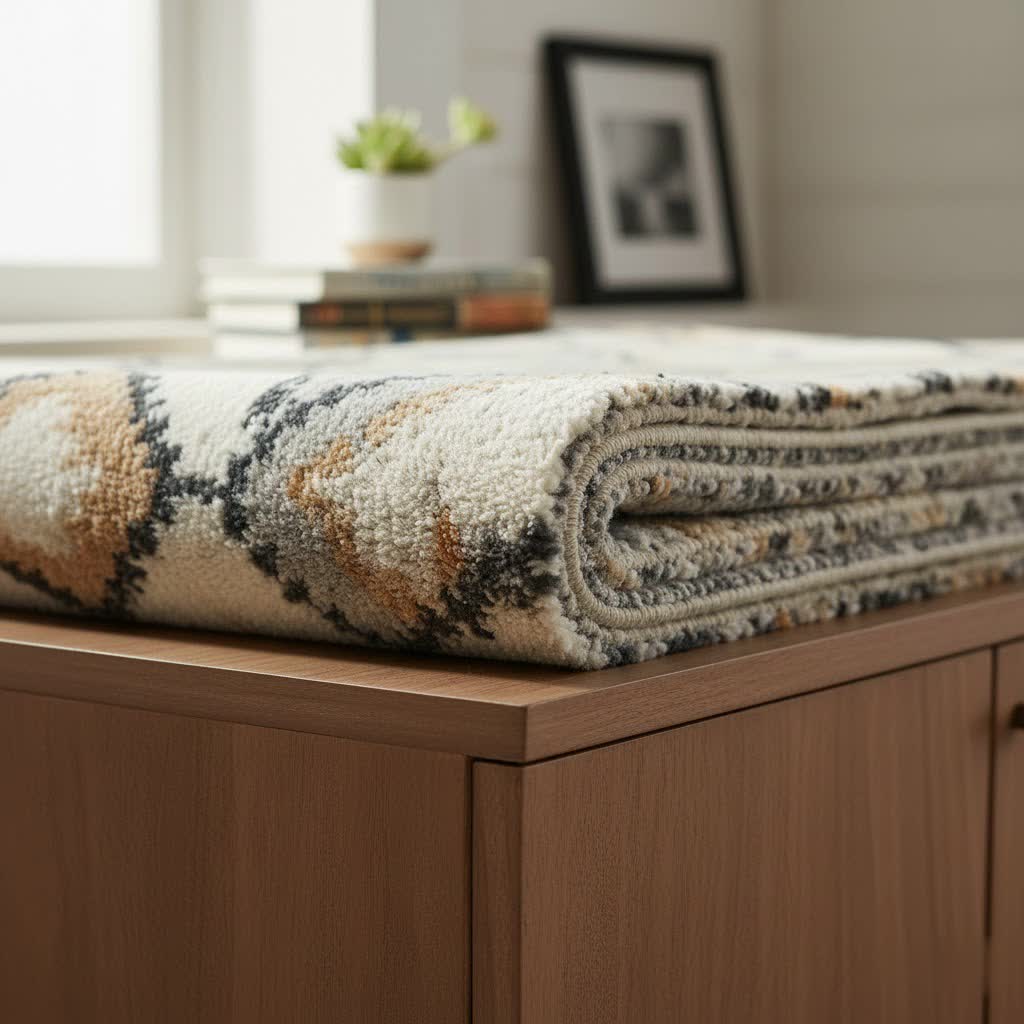
Stepping into a home, do you ever notice how some spaces immediately feel warm, inviting, and complete, while others seem to lack that essential touch of comfort and style? Often, the secret lies beneath your feet: the Floor Carpet Rug. More than just a decorative element, a thoughtfully chosen rug can transform a room, defining spaces, adding warmth, absorbing sound, and introducing texture and color that reflects your unique personality. With over a decade of experience navigating the intricate world of home furnishings, especially floor coverings, I understand the myriad questions and concerns that arise when selecting the perfect rug. This comprehensive guide is designed to empower you with the expert knowledge needed to make a brilliant, informed decision, ensuring your floor rug not only looks stunning but also stands the test of time.
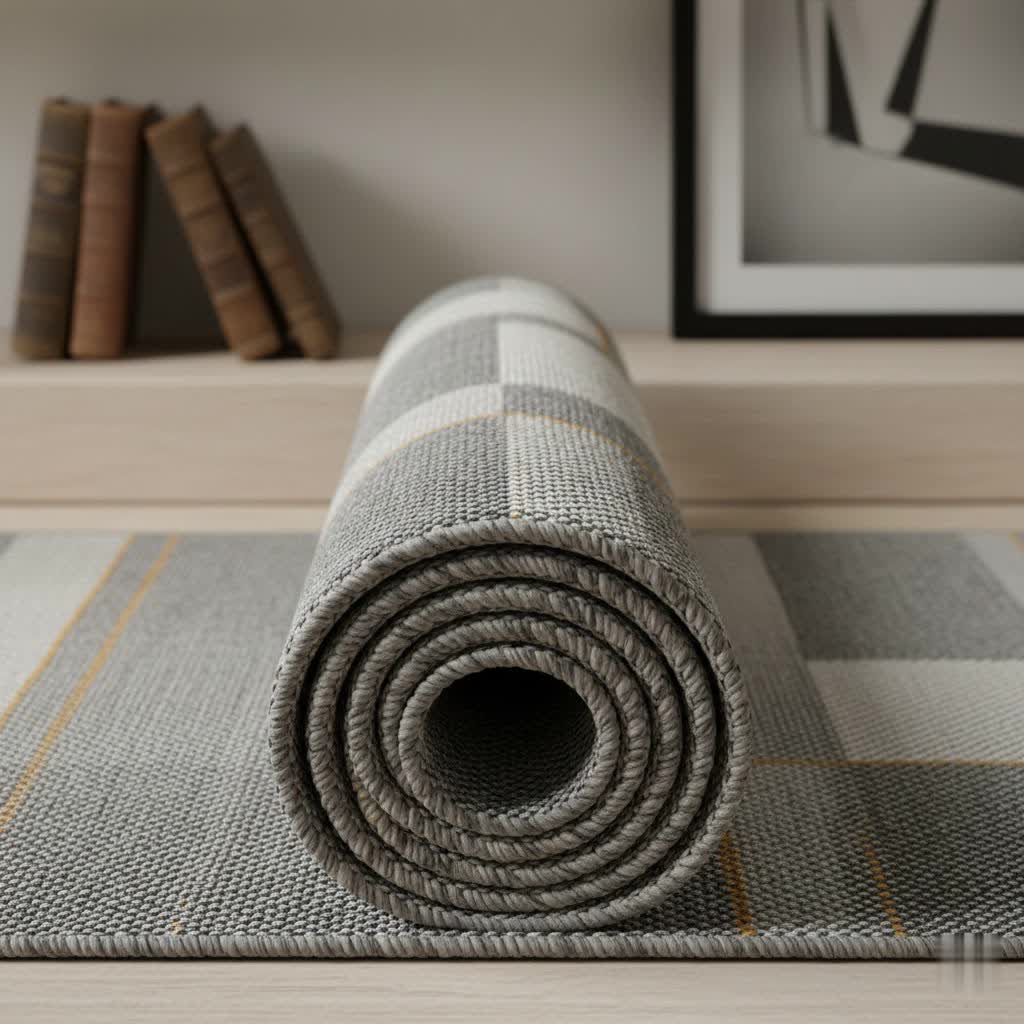
Common Floor Rug Types
The journey to finding your ideal floor carpet rug begins with understanding the diverse materials available, each offering a unique blend of aesthetics, durability, and maintenance requirements.
Natural Fiber Rugs
Natural fiber rugs bring an organic, earthy elegance to any space, celebrated for their sustainability, unique textures, and ability to age gracefully.
Advantages and Disadvantages: Natural fibers like wool, cotton, jute, and sisal offer excellent breathability and are often more eco-friendly. They tend to be durable and soft underfoot, though their natural characteristics can mean varied textures. However, some natural rugs, especially those without stain treatments, can be more susceptible to staining and may require specific cleaning methods. Their cost can also be higher than synthetic alternatives, reflecting their quality and craftsmanship.
Popular Natural Fiber Rugs:
- Wool: Revered for its exceptional durability, luxurious softness, and natural resilience. Wool rugs bounce back from compression, resist dirt and moisture, and offer excellent insulation. They are a timeless choice for high-traffic areas and formal settings.
- Cotton: An affordable and versatile option, cotton rugs are known for their softness and ease of cleaning, often being machine washable in smaller sizes. They are ideal for casual spaces and flatweave constructions like kilims and dhurries.
- Jute & Sisal: These strong, renewable fibers offer distinct, coarse textures, perfect for adding an organic, rustic touch. Highly durable and naturally resistant to dirt, jute and sisal rugs are excellent for high-traffic zones, though they may feel rougher underfoot.
- Silk: The epitome of luxury, silk rugs boast an exquisite sheen and unparalleled softness. They are often hand-knotted with intricate designs, making them prized decorative pieces for low-traffic areas like bedrooms or formal living rooms.
|
Our Picks for the Best Floor Rug in 2026
We may earn a commission when you use one of our links to make a purchase.
|
||
| Num | Product | Action |
|---|---|---|
| 1 | Ophanie Blue Rug, Boys 4x6 Rugs for Bedroom Royal Dark Blue Carpet Nursery Aesthetic, Kids Playroom Navy Area Rugs for Girls Teen Home Decor, Fluffy Shag Bedside Floor Living Room Carpet |

|
| 2 | Ophanie Area Rugs for Living Room Bedroom, Upgrade Non-Slip Fluffy Soft Grey Shag Carpet, Indoor Floor Gray 4x6 Fuzzy Shaggy Living Room Plush Rug for Kids Home Dorm Decor Aesthetic |
|
| 3 | Ophanie Area Rugs for Bedroom, Christmas Upgrade Non-Slip Ivory Fluffy Soft Shag Living Room Carpet, Indoor Floor 4x6 Fuzzy Shaggy Living Room Plush Nursery Rug for Kids Home Dorm Decor Aesthetic |
|
| 4 | OLANLY Area Rugs for Living Room Bedroom, Machine Washable 4x5.9 ft Soft Fluffy Shaggy Bedside Rug, Indoor Floor Carpet for Kids Girls and Boys, Dorms, Nursery Rooms, Home Decor Aesthetic, Beige |
|
| 5 | OLANLY Area Rugs for Living Room Bedroom, Machine Washable 4x5.9 ft Soft Fluffy Shaggy Bedside Rug, Indoor Floor Carpet for Kids Girls and Boys, Dorms, Nursery Rooms, Home Decor Aesthetic, Coffee |
|
| 6 | OLANLY Area Rugs for Living Room Bedroom, Machine Washable 4x5.9 ft Soft Fluffy Shaggy Bedside Rug, Indoor Floor Carpet for Kids Girls and Boys, Dorms, Nursery Rooms, Home Decor Aesthetic, Grey |
|
| 7 | Ophanie Black Area Rugs for Bedroom Living Room, 4x6 Fluffy Fuzzy Shag Shaggy Carpet Soft Plush Furry Bedside Rug, Indoor Floor Rug for Kids Girls Boys Home Decor Aesthetic, Dorm Nursery |
|
| 8 | OLANLY Area Rugs for Living Room Bedroom, Machine Washable 4x5.9 ft Soft Fluffy Shaggy Bedside Rug, Indoor Floor Carpet for Kids Girls and Boys, Dorms, Nursery Rooms, Home Decor Aesthetic, Black |
|
| 9 | OLANLY Area Rugs for Living Room Bedroom, Machine Washable 4x5.9 ft Soft Fluffy Shaggy Bedside Rug, Indoor Floor Carpet for Kids Girls and Boys, Dorms, Nursery Rooms, Home Decor Aesthetic, Blush |
|
| 10 | OLANLY Area Rugs for Living Room Bedroom, Machine Washable 4x5.9 ft Soft Fluffy Shaggy Bedside Rug, Indoor Floor Carpet for Kids Girls and Boys, Dorms, Nursery Rooms, Home Decor Aesthetic, Burgundy |
|
|
Our Picks for the Best Floor Rug in 2026
We may earn a commission when you use one of our links to make a purchase.
|
||
| Num | Product | Action |
|---|---|---|
| 1 | OLANLY Area Rugs for Living Room Bedroom, Machine Washable 4x5.9 ft Soft Fluffy Shaggy Bedside Rug, Indoor Floor Carpet for Kids Girls and Boys, Dorms, Nursery Rooms, Home Decor Aesthetic, Beige |
|
| 2 | Ophanie Area Rugs for Living Room Bedroom, Upgrade Non-Slip Fluffy Soft Grey Shag Carpet, Indoor Floor Gray 4x6 Fuzzy Shaggy Living Room Plush Rug for Kids Home Dorm Decor Aesthetic |
|
| 3 | OLANLY Area Rugs for Living Room Bedroom, Machine Washable 4x5.9 ft Soft Fluffy Shaggy Bedside Rug, Indoor Floor Carpet for Kids Girls and Boys, Dorms, Nursery Rooms, Home Decor Aesthetic, Blush |
|
| 4 | OLANLY Area Rugs for Living Room Bedroom, Machine Washable 4x5.9 ft Soft Fluffy Shaggy Bedside Rug, Indoor Floor Carpet for Kids Girls and Boys, Dorms, Nursery Rooms, Home Decor Aesthetic, Coffee |
|
| 5 | OLANLY Area Rugs for Living Room Bedroom, Machine Washable 4x5.9 ft Soft Fluffy Shaggy Bedside Rug, Indoor Floor Carpet for Kids Girls and Boys, Dorms, Nursery Rooms, Home Decor Aesthetic, Black |
|
| 6 | Ophanie Black Area Rugs for Bedroom Living Room, 4x6 Fluffy Fuzzy Shag Shaggy Carpet Soft Plush Furry Bedside Rug, Indoor Floor Rug for Kids Girls Boys Home Decor Aesthetic, Dorm Nursery |
|
| 7 | Ophanie Blue Rug, Boys 4x6 Rugs for Bedroom Royal Dark Blue Carpet Nursery Aesthetic, Kids Playroom Navy Area Rugs for Girls Teen Home Decor, Fluffy Shag Bedside Floor Living Room Carpet |
|
| 8 | Ophanie Area Rugs for Bedroom, Christmas Upgrade Non-Slip Ivory Fluffy Soft Shag Living Room Carpet, Indoor Floor 4x6 Fuzzy Shaggy Living Room Plush Nursery Rug for Kids Home Dorm Decor Aesthetic |
|
| 9 | OLANLY Area Rugs for Living Room Bedroom, Machine Washable 4x5.9 ft Soft Fluffy Shaggy Bedside Rug, Indoor Floor Carpet for Kids Girls and Boys, Dorms, Nursery Rooms, Home Decor Aesthetic, Grey |
|
| 10 | OLANLY Area Rugs for Living Room Bedroom, Machine Washable 4x5.9 ft Soft Fluffy Shaggy Bedside Rug, Indoor Floor Carpet for Kids Girls and Boys, Dorms, Nursery Rooms, Home Decor Aesthetic, Burgundy |
|
Choosing the Right Natural Fiber Rug: Consider the room’s function and traffic level. For busy family rooms, durable wool or robust jute are excellent. For a serene bedroom, the plush comfort of wool or delicate silk can create a luxurious retreat. Cotton works wonderfully in children’s rooms or kitchens where frequent cleaning is a necessity.
Synthetic Fiber Rugs
Synthetic fiber rugs have revolutionized the market, offering incredible versatility, robust performance, and often more budget-friendly options.
Advantages and Disadvantages: The primary benefits of synthetic rugs include their remarkable stain resistance, fade resistance, and durability, making them superb for active households and high-traffic areas. They are also generally more affordable than natural fibers. However, some synthetics may lack the luxurious feel of natural materials, and their environmental footprint can be larger, as they are petroleum-based.
Popular Synthetic Fiber Rugs:
- Nylon: One of the most durable synthetic fibers, nylon rugs are highly resilient, standing up well to heavy foot traffic and furniture indentation. They are known for excellent stain and abrasion resistance, making them a top choice for busy hallways and living areas.
- Polyester: Valued for its luxurious softness, vibrant colors, and resistance to fading. Polyester rugs are an excellent choice for bedrooms or low-traffic living spaces where comfort and aesthetics are priorities, though they may not be as resilient to crushing as nylon.
- Polypropylene (Olefin): An incredibly popular and affordable choice, polypropylene rugs are inherently stain, moisture, and fade-resistant. They are lightweight, easy to clean, and suitable for both indoor and outdoor use, making them perfect for kitchens, entryways, and patios.
- Viscose (Rayon): Often used to mimic the look and feel of silk, viscose rugs offer a beautiful luster and exceptional softness at a lower price point. While stunning, they are less durable and can be prone to water spotting, best suited for low-traffic, decorative purposes.
Choosing the Right Synthetic Fiber Rug: For areas prone to spills or heavy use, polypropylene and nylon offer superior practicality. Polyester can bring a plush, comfortable feel to less active rooms, while viscose adds a touch of glamour where durability is not the primary concern.
Decorative Rugs
Beyond their material, floor rugs are powerful decorative tools, capable of dictating a room’s mood and style.
Popular Design Styles:
- Vintage: These rugs, whether genuinely old or new designs with an aged look, often feature distressed patterns and muted color palettes, adding character and history to a space.
- Modern: Characterized by clean lines, geometric patterns, abstract designs, and a minimalist color scheme, modern rugs complement contemporary interiors.
- Bohemian: Rich in texture, vibrant colors, and eclectic patterns, bohemian rugs bring a free-spirited, global aesthetic, often featuring fringe and tassel details.
- Persian & Oriental: Hand-knotted masterpieces known for their intricate patterns, rich colors, and enduring quality, these rugs add a touch of timeless elegance and cultural heritage.
- Shag: With their long, plush pile, shag rugs provide unparalleled softness and a retro-chic vibe, perfect for creating cozy zones.
Choosing the Right Decorative Rug for Your Space: Consider the existing furniture and decor. A bold, geometric rug can anchor a minimalist room, while a soft, neutral shag can enhance a cozy reading nook. A vintage-inspired rug can inject personality into a modern farmhouse aesthetic.
Notes on Using Decorative Rugs: Ensure the rug’s style complements, rather than clashes with, your overall interior design. Layering smaller, decorative rugs over a larger, neutral base carpet can add depth and warmth, creating a multi-dimensional look.
Floor Rug Buying Guide
Navigating the vast selection of floor carpet rugs can feel overwhelming. A structured approach ensures you find a rug that perfectly fits your home and lifestyle.
Identify Usage Needs
Before falling in love with a rug’s appearance, consider its primary function within your home.
- Appropriate Rug Size for Your Space: The right size is crucial for defining a room and ensuring balance.
- Living Room: Ideally, the rug should be large enough to allow at least the front legs of all main seating furniture (sofas, armchairs) to rest on it, creating a cohesive conversation area. For larger rooms, consider a rug that all furniture can sit entirely on.
- Dining Room: Choose a rug generous enough that dining chairs remain on the rug even when pulled out from the table, preventing snagging and protecting your floor.
- Bedroom: A large rug can sit under the entire bed and nightstands, extending outwards to provide soft landing spots. Alternatively, smaller runners can flank either side of the bed.
- Hallways & Entryways: Runners are perfect for these high-traffic, narrow spaces, protecting floors and adding visual interest.
- Rug Material for Specific Purposes: Match the material to the room’s demands. High-traffic areas like entryways and family rooms benefit from durable, easy-to-clean synthetics like polypropylene or resilient natural fibers like wool and sisal. For luxurious comfort in a bedroom or formal living room, consider softer options like wool, cotton, or even silk/viscose where spills are less likely.
- Color and Pattern to Complement Interior Style: The rug’s color and pattern significantly impact the room’s aesthetic. A neutral rug can provide a calm foundation, while a vibrant, patterned rug can serve as a focal point. Consider how the rug’s hues will interact with your existing wall colors, furniture, and accent pieces.
Compare Prices and Brands
Quality floor rugs are an investment. Understanding market benchmarks and reputable sources is key.
- Reputable Floor Rug Brands: While specific brands can vary by region and specialty, look for those known for their craftsmanship, ethical sourcing, and customer satisfaction. Brands often specialize in certain materials or styles (e.g., hand-knotted wool, machine-made synthetics).
- Average Price Ranges for Floor Rugs: Prices fluctuate widely based on material, size, construction method (hand-knotted rugs are typically the most expensive), and brand. Synthetic rugs generally start at a lower price point, while natural fibers like wool and especially silk command higher prices. Expect to invest more for larger sizes and intricate, handmade designs.
- Tips for Finding Good Value: Shop during sales events, check online retailers, and consider end-of-season clearances. Factory outlets or specialized rug stores can sometimes offer competitive pricing. Don’t be afraid to compare prices across different vendors once you have a specific material and size in mind.
Check Rug Quality
A rug’s true value lies in its construction and materials, not just its initial appearance.
- How to Recognize Quality Floor Rugs:
- Fiber Density: Denser rugs generally indicate higher quality and durability, especially for cut pile rugs. Test by pressing down; the less you feel the backing, the denser the pile.
- Construction: Hand-knotted rugs are typically superior in quality and longevity, followed by hand-tufted, and then machine-made. Inspect the backing and stitching for consistency and strength.
- Material Quality: Look for uniform fiber thickness and consistent color saturation. For natural fibers, verify authenticity.
- Considerations When Buying Floor Rugs Online:
- Read Reviews: Customer photos and reviews can provide valuable insights into true color, texture, and quality.
- Return Policy: Always check the return policy, especially for large items, to ensure you can return the rug if it doesn’t meet expectations.
- Order Samples: Some retailers offer small swatches, which are invaluable for assessing color and texture in your home’s lighting.
- Warranty and Return Policies: Understand the manufacturer’s warranty against defects and the retailer’s return window. A good warranty reflects the company’s confidence in their product’s durability.
Floor Rug Comparison Table
To simplify your decision, here’s a comparative overview of common rug materials:
| Feature | Wool | Cotton | Jute/Sisal | Nylon | Polypropylene (Olefin) | Viscose |
|---|---|---|---|---|---|---|
| Durability | Excellent, resilient | Good, but less resilient | Excellent, very strong | Excellent, highly durable | Excellent, tough | Fair, less durable |
| Cost | High | Moderate | Moderate | Moderate to High | Low to Moderate | Moderate |
| Aesthetics | Rich, luxurious, traditional | Casual, versatile, often flat | Natural, earthy, textured | Vibrant colors, wide styles | Wide range, often bright | Silky sheen, luxurious look |
| Maintenance | Moderate, stain-resistant | Easy, often machine-washable | Moderate, can shed | Easy, stain-resistant | Very easy, stain/water-res. | Difficult, prone to water spots |
| Best Use | High-traffic, formal, bedrooms | Casual, kids’ rooms, kitchens | High-traffic, rustic, entryways | High-traffic, family rooms | High-traffic, outdoor, kids’ | Low-traffic, decorative |
“The right rug can anchor a room, defining zones and adding a layer of sophisticated comfort that speaks volumes about your style.” – Sarah Chen, Lead Interior Designer at Elite Spaces.
Floor Rug Cleaning and Maintenance Tips
Maintaining your floor rug properly is essential to preserve its beauty and extend its lifespan. Regular care prevents dirt buildup and keeps colors vibrant.
Regular Cleaning
Consistency is key to keeping your rug looking its best.
- Vacuuming: Regular vacuuming is crucial, especially in high-traffic areas. For most rugs, a vacuum with adjustable height settings and a rotating brush can be effective. However, for delicate natural fiber rugs (like silk or some wools) or high-pile shag rugs, use a vacuum with a plain suction setting or a handheld attachment to avoid damaging fibers. Vacuum at least once a week, more often for busy areas or homes with pets.
- Spot Cleaning: Address spills immediately. Blot the area with a clean, white cloth, working from the outside of the stain inwards to prevent spreading. Avoid rubbing, which can push the stain deeper into the fibers. For most fresh spills, a mixture of mild dish soap and water can be effective. Always test any cleaning solution on an inconspicuous area first.
- Odor Removal: For general freshening and odor absorption, sprinkle baking soda liberally over the rug, let it sit for 15-30 minutes (or longer for stubborn odors), then vacuum thoroughly. This is a simple yet effective natural method.
Stain Removal
Different stains require specific approaches. Acting quickly is always the best defense.
- Common Stains and How to Handle Them:
- Liquid Spills (Wine, Coffee): Blot immediately with a clean cloth. Apply a small amount of club soda or a dilute mixture of white vinegar and water, then blot again.
- Grease/Oil Stains: Scrape off any excess, then apply a small amount of cornstarch or baking soda to absorb the oil. Let it sit for several hours before vacuuming, then follow with a mild detergent solution.
- Mud: Let the mud dry completely, then scrape off the excess. Vacuum the remaining dry dirt. For any residue, use a mild detergent and blot.
- Using Specialized Cleaning Solutions: For tough stains or specific rug materials, consider using commercially available rug cleaners. Always ensure the product is safe for your rug’s fiber type by reading labels and spot-testing.
- Natural Stain Treatment Methods:
- Vinegar and Water: A common mix (1:1 ratio) for many stains and general deodorizing.
- Baking Soda Paste: For light stains, mix baking soda with a little water to form a paste, apply, let dry, then vacuum. For tougher stains, sprinkle baking soda, then spray with a vinegar-water solution, let it fizz, blot, and vacuum when dry.
Proper Storage
If you need to store your rug, proper preparation prevents damage.
- How to Store a Rug When Not in Use: Clean the rug thoroughly before storage to prevent mold, mildew, and pest infestations. Roll the rug tightly, pile-side in, around a sturdy cardboard tube to prevent creases. Never fold a rug, as this can cause permanent damage.
- Protecting from Sunlight and Humidity: Store rugs in a cool, dry place away from direct sunlight, which can cause fading. Avoid damp basements or attics where humidity fluctuations can lead to mildew or fiber damage.
- Using Specialized Preservation Products: Wrap the rolled rug in breathable fabric (like cotton sheets) or Tyvek, avoiding plastic, which can trap moisture and cause mildew. Consider using mothballs or cedar chips to deter pests, ensuring they don’t directly touch the rug fibers. For valuable rugs, professional cleaning and storage are recommended.
Conclusion
Choosing the perfect floor carpet rug for your home is an art that blends aesthetic preference with practical considerations. From the luxurious softness of wool to the resilient practicality of polypropylene, each fiber offers a distinct character and performance profile. By understanding the nuances of natural versus synthetic materials, identifying your usage needs, and mastering the essentials of rug care, you’re well-equipped to make a decision that enhances your living space for years to come. A floor rug is more than just a covering; it’s an investment in comfort, style, and the very ambiance of your home. Which rug will you choose to weave into the story of your sanctuary?
Frequently Asked Questions
What is the difference between a carpet and a rug?
While often used interchangeably, a carpet typically refers to a floor covering that is installed wall-to-wall and permanently affixed, sometimes called broadloom. A rug, on the other hand, is generally a loose-laid floor covering, typically smaller than the room, designed to be movable and decorative. Area rugs, specifically, are meant to define areas within a larger room.
How do I choose the right rug size for my living room?
For most living rooms, the best practice is to select a rug large enough to extend at least under the front legs of your main seating furniture (sofa, armchairs). This visually anchors the seating arrangement, creates a cohesive conversation area, and makes the room feel larger and more integrated.
Can I use a rug on top of carpet?
Yes, you can place a rug over existing carpet to add texture, color, or define a specific zone, such as a seating area. When doing so, choose a rug with a firmer backing and use a non-slip rug pad designed for carpet-on-carpet use to prevent bunching and creeping.
How often should I clean my floor rug?
Regular vacuuming should be done at least once a week, or more frequently for high-traffic areas and homes with pets. Spot clean spills immediately to prevent permanent stains. A deeper clean, either professional or with a home carpet cleaner (depending on the rug type), is recommended every 12-18 months, or as needed based on use and visible soiling.