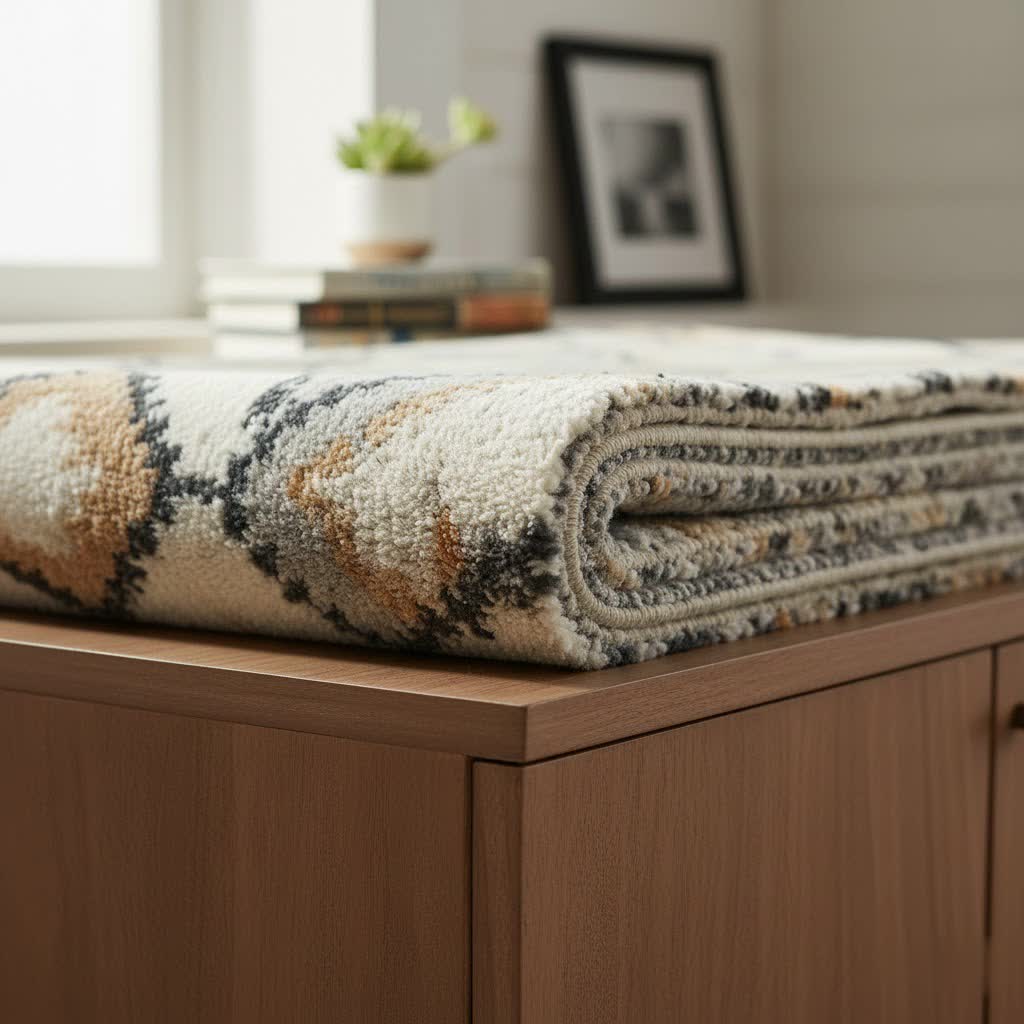
Have you ever walked into a room and felt it was missing something, a certain warmth or grounding element? The answer often lies beneath your feet: a large area rug. More than just decorative accessories, Large Area Rugs are functional foundations that can transform any space, adding comfort, reducing noise, and defining zones in open-concept layouts. As an Admin for Reviewsque.com with over a decade of experience in home furnishings, particularly with floor coverings, I understand the nuances of selecting the perfect rug. This comprehensive guide will equip you with the expertise to choose, care for, and style large area rugs that enhance your home’s aesthetic and comfort.
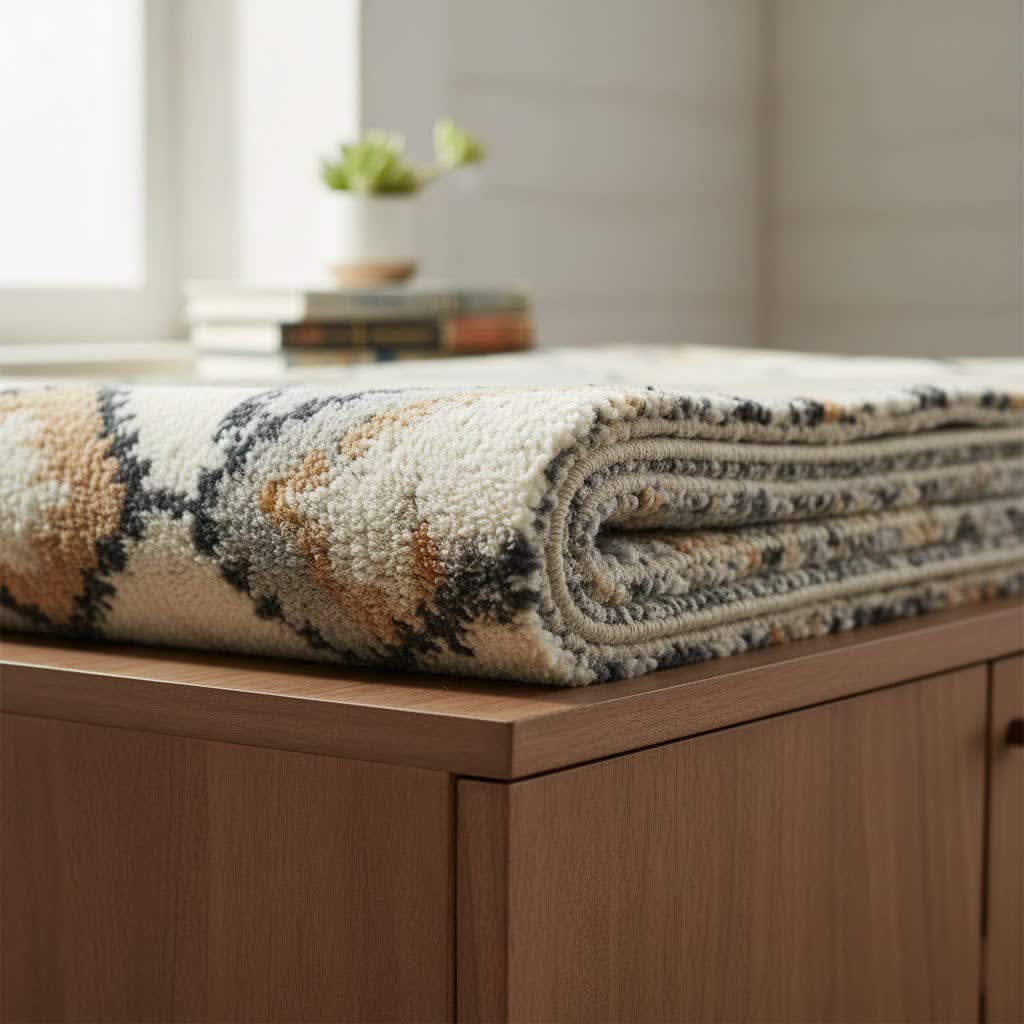
Popular Large Area Rug Types
The material of your large area rug significantly influences its appearance, feel, durability, and maintenance needs. Understanding the characteristics of different fibers, both natural and synthetic, is key to making an informed decision for your home.
Natural Fiber Rugs
Natural fiber rugs bring an organic, often luxurious touch to any interior. They are cherished for their inherent beauty and unique textures.
-
Advantages and Disadvantages
- Advantages: Generally durable, offer unique textures, can be eco-friendly, and often possess a timeless appeal. Many natural fibers are also excellent at trapping dust and allergens, improving air quality.
- Disadvantages: Can be more expensive than synthetic options, some are sensitive to moisture and staining, and cleaning methods can be specific and require care. Certain fibers might also feel rougher underfoot initially.
-
Common Natural Fiber Types
- Wool: A perennial favorite, wool is renowned for its exceptional softness, durability, and natural stain resistance. It holds its density well and is easy to clean, making it ideal for high-traffic areas like living rooms and bedrooms. However, it typically comes with a higher price tag.
- Cotton: Often found in flatweave rugs, cotton is soft, breathable, and generally more affordable than wool. It’s suitable for bedrooms and living rooms, though it’s less durable than wool and may require more frequent cleaning. Smaller cotton rugs are often machine washable.
- Jute and Sisal: These natural fibers offer an earthy, rustic charm and a distinct textured appearance. Jute is softer underfoot, while sisal is known for its exceptional strength and impressive durability, making it perfect for high-traffic areas. Both are eco-friendly but can be sensitive to moisture and may be harder to clean than other materials.
-
Choosing the Right Natural Fiber Rug
When selecting a natural fiber rug, consider the room’s traffic level and your desired level of softness. Wool excels in comfort and durability for main living areas, while jute or sisal are excellent for adding texture in casual spaces, sunrooms, or dining rooms where a more rugged feel is desired. Always check for specific care instructions, as natural fibers can vary greatly.
|
Our Picks for the Best Floor Rug in 2026
We may earn a commission when you use one of our links to make a purchase.
|
||
| Num | Product | Action |
|---|---|---|
| 1 | Ophanie Black Area Rugs for Bedroom Living Room, 4x6 Fluffy Fuzzy Shag Shaggy Carpet Soft Plush Furry Bedside Rug, Indoor Floor Rug for Kids Girls Boys Home Decor Aesthetic, Dorm Nursery |

|
| 2 | Ophanie Area Rugs for Living Room Bedroom, Upgrade Non-Slip Fluffy Soft Grey Shag Carpet, Indoor Floor Gray 4x6 Fuzzy Shaggy Living Room Plush Rug for Kids Home Dorm Decor Aesthetic |
|
| 3 | OLANLY Area Rugs for Living Room Bedroom, Machine Washable 4x5.9 ft Soft Fluffy Shaggy Bedside Rug, Indoor Floor Carpet for Kids Girls and Boys, Dorms, Nursery Rooms, Home Decor Aesthetic, Black |
|
| 4 | OLANLY Area Rugs for Living Room Bedroom, Machine Washable 4x5.9 ft Soft Fluffy Shaggy Bedside Rug, Indoor Floor Carpet for Kids Girls and Boys, Dorms, Nursery Rooms, Home Decor Aesthetic, Burgundy |
|
| 5 | OLANLY Area Rugs for Living Room Bedroom, Machine Washable 4x5.9 ft Soft Fluffy Shaggy Bedside Rug, Indoor Floor Carpet for Kids Girls and Boys, Dorms, Nursery Rooms, Home Decor Aesthetic, Coffee |
|
| 6 | OLANLY Area Rugs for Living Room Bedroom, Machine Washable 4x5.9 ft Soft Fluffy Shaggy Bedside Rug, Indoor Floor Carpet for Kids Girls and Boys, Dorms, Nursery Rooms, Home Decor Aesthetic, Grey |
|
| 7 | Ophanie Blue Rug, Boys 4x6 Rugs for Bedroom Royal Dark Blue Carpet Nursery Aesthetic, Kids Playroom Navy Area Rugs for Girls Teen Home Decor, Fluffy Shag Bedside Floor Living Room Carpet |
|
| 8 | OLANLY Area Rugs for Living Room Bedroom, Machine Washable 4x5.9 ft Soft Fluffy Shaggy Bedside Rug, Indoor Floor Carpet for Kids Girls and Boys, Dorms, Nursery Rooms, Home Decor Aesthetic, Blush |
|
| 9 | Ophanie Area Rugs for Bedroom, Christmas Upgrade Non-Slip Ivory Fluffy Soft Shag Living Room Carpet, Indoor Floor 4x6 Fuzzy Shaggy Living Room Plush Nursery Rug for Kids Home Dorm Decor Aesthetic |
|
| 10 | OLANLY Area Rugs for Living Room Bedroom, Machine Washable 4x5.9 ft Soft Fluffy Shaggy Bedside Rug, Indoor Floor Carpet for Kids Girls and Boys, Dorms, Nursery Rooms, Home Decor Aesthetic, Beige |
|
|
Our Picks for the Best Floor Rug in 2026
We may earn a commission when you use one of our links to make a purchase.
|
||
| Num | Product | Action |
|---|---|---|
| 1 | OLANLY Area Rugs for Living Room Bedroom, Machine Washable 4x5.9 ft Soft Fluffy Shaggy Bedside Rug, Indoor Floor Carpet for Kids Girls and Boys, Dorms, Nursery Rooms, Home Decor Aesthetic, Beige |
|
| 2 | OLANLY Area Rugs for Living Room Bedroom, Machine Washable 4x5.9 ft Soft Fluffy Shaggy Bedside Rug, Indoor Floor Carpet for Kids Girls and Boys, Dorms, Nursery Rooms, Home Decor Aesthetic, Black |
|
| 3 | Ophanie Area Rugs for Bedroom, Christmas Upgrade Non-Slip Ivory Fluffy Soft Shag Living Room Carpet, Indoor Floor 4x6 Fuzzy Shaggy Living Room Plush Nursery Rug for Kids Home Dorm Decor Aesthetic |
|
| 4 | OLANLY Area Rugs for Living Room Bedroom, Machine Washable 4x5.9 ft Soft Fluffy Shaggy Bedside Rug, Indoor Floor Carpet for Kids Girls and Boys, Dorms, Nursery Rooms, Home Decor Aesthetic, Coffee |
|
| 5 | OLANLY Area Rugs for Living Room Bedroom, Machine Washable 4x5.9 ft Soft Fluffy Shaggy Bedside Rug, Indoor Floor Carpet for Kids Girls and Boys, Dorms, Nursery Rooms, Home Decor Aesthetic, Burgundy |
|
| 6 | Ophanie Blue Rug, Boys 4x6 Rugs for Bedroom Royal Dark Blue Carpet Nursery Aesthetic, Kids Playroom Navy Area Rugs for Girls Teen Home Decor, Fluffy Shag Bedside Floor Living Room Carpet |
|
| 7 | Ophanie Area Rugs for Living Room Bedroom, Upgrade Non-Slip Fluffy Soft Grey Shag Carpet, Indoor Floor Gray 4x6 Fuzzy Shaggy Living Room Plush Rug for Kids Home Dorm Decor Aesthetic |
|
| 8 | OLANLY Area Rugs for Living Room Bedroom, Machine Washable 4x5.9 ft Soft Fluffy Shaggy Bedside Rug, Indoor Floor Carpet for Kids Girls and Boys, Dorms, Nursery Rooms, Home Decor Aesthetic, Blush |
|
| 9 | OLANLY Area Rugs for Living Room Bedroom, Machine Washable 4x5.9 ft Soft Fluffy Shaggy Bedside Rug, Indoor Floor Carpet for Kids Girls and Boys, Dorms, Nursery Rooms, Home Decor Aesthetic, Grey |
|
| 10 | Ophanie Black Area Rugs for Bedroom Living Room, 4x6 Fluffy Fuzzy Shag Shaggy Carpet Soft Plush Furry Bedside Rug, Indoor Floor Rug for Kids Girls Boys Home Decor Aesthetic, Dorm Nursery |
|
Synthetic Fiber Rugs
Synthetic fiber rugs are engineered to offer a balance of affordability, durability, and ease of care, making them practical choices for busy households.
-
Advantages and Disadvantages
- Advantages: Typically more affordable, highly resistant to stains, fading, and moisture, and often very easy to clean. Many synthetic options are suitable for high-traffic areas, pet-friendly, and some are even machine-washable.
- Disadvantages: Can sometimes lack the luxurious feel of natural fibers, may not be as breathable, and can build up static electricity. Some synthetic materials, like polyester, might be vulnerable to oil-based stains.
-
Common Synthetic Fiber Types
- Nylon: Known for its outstanding durability, resilience, and ease of cleaning, nylon is a top choice for high-traffic zones. It resists crushing and is colorfast, maintaining its appearance over time. It can, however, generate static electricity.
- Polyester/Microfiber: Soft to the touch and available in a wide array of vibrant colors, polyester rugs are an affordable option. They are suitable for low-traffic areas and bedrooms, offering a plush feel. Microfiber, a type of polyester, offers enhanced softness. These are generally stain-resistant but can be susceptible to oil-based stains.
- Polypropylene (Olefin): This highly versatile synthetic fiber is resistant to stains, fading, and moisture, making it an excellent choice for outdoor spaces, high-traffic areas, and homes with children or pets. It’s often used in flatweave rugs for its durability and ease of maintenance.
- Viscose: Also known as rayon, viscose is derived from wood pulp and offers a silky, lustrous finish, mimicking the look and feel of silk at a more affordable price point. While soft, it is generally less durable than other synthetic options and can be sensitive to moisture.
-
Choosing the Right Synthetic Fiber Rug
For busy areas prone to spills, polypropylene or nylon are excellent choices due to their resilience and ease of cleaning. Polyester and microfiber provide softness and vibrant color options for bedrooms or low-traffic living spaces. Consider blended synthetic materials if you want to balance softness with durability and affordability.
Decorative Rugs
Decorative rugs encompass a vast array of styles and patterns, serving as focal points that tie a room’s design together. They add personality, texture, and color, reflecting individual taste and complementing various interior themes.
-
Popular Design Styles
- Vintage/Distressed: These rugs often feature faded patterns and muted colors, offering a sense of history and eclectic charm. They can add character to both traditional and modern settings.
- Modern/Geometric: Characterized by clean lines, bold shapes, and often a monochromatic or minimalist color palette, modern rugs are perfect for contemporary interiors, adding a sophisticated, architectural feel.
- Bohemian (Boho): Boho rugs are typically vibrant, with intricate patterns, fringe, and a mix of textures. They create a relaxed, free-spirited atmosphere, often incorporating natural fibers and global influences.
- Traditional/Oriental/Persian: Rich in history and craftsmanship, these rugs feature elaborate medallions, floral motifs, and detailed borders. They bring timeless elegance and a sense of grandeur, often made from high-quality wool.
- Farmhouse/Coastal: Farmhouse rugs lean towards rustic charm with simple stripes, plaids, or natural textures in neutral tones. Coastal rugs evoke a breezy, beachside feel with nautical patterns or motifs in blues, whites, and sand tones.
-
Matching Decorative Rugs to Your Space
Selecting a decorative rug involves harmonizing its style, color, and pattern with your existing furniture and decor. If your furniture is neutral, a patterned or colorful rug can become a striking focal point. Conversely, in a room with vibrant artwork or upholstery, a simpler rug in a coordinating solid color or subtle texture will create balance. Consider the overall mood you wish to evoke—a plush shag for coziness, a flatweave for a sleek modern look, or a hand-knotted Oriental for classic sophistication. -
Considerations for Decorative Rugs
When integrating decorative rugs, pay attention to their impact on the room’s visual weight. A busy pattern on a large rug can be overwhelming if not balanced with simpler elements elsewhere. Think about how the rug’s colors echo or contrast with other hues in the room to create a cohesive design. For instance, a light-colored rug can make a room feel larger and more open, while a dark, richly hued rug adds depth and a cozy, grounded ambiance.
Large Area Rug Buying Guide
Choosing the right large area rug is a significant investment that can define the character and comfort of your home. It requires careful consideration of various factors to ensure it perfectly suits your needs and space.
Identify Usage Needs
Before you even start looking at designs, clarify what you need your rug to do. This foundational step will guide all subsequent decisions.
-
Selecting the Right Rug Size for Your Space
The most crucial rule in choosing an area rug is to “go bigger than you think.” A rug should anchor your furniture grouping, not float disconnectedly in the middle of the room. A common guideline is to leave 6 to 18 inches of exposed flooring between the rug’s edge and the walls, creating a visual frame without making the room feel like it has wall-to-wall carpeting.- Living Room: The rug should be large enough to at least have the front legs of all major seating pieces (sofas, armchairs) resting on it. Ideally, all furniture in the conversational area should be on the rug, grounding the entire space. Common sizes like 8’x10′ and 9’x12′ are ideal for most standard living rooms.
- Dining Room: Your dining room rug should be expansive enough to accommodate all dining chairs, even when they are pulled out from the table. To measure, add 24 to 30 inches to each side of your dining table. For example, an 8’x10′ or 9’x12′ rug often works well for rectangular tables, while round rugs complement round tables.
- Bedroom: Position the rug so it extends beyond the sides and foot of your bed, providing a soft landing spot. For a king-size bed, a 9’x12′ or 10’x14′ rug is often suitable, framing the bed and nightstands with room to spare. For a queen bed, an 8’x10′ works well. Alternatively, for smaller rooms, two runners can flank the sides of the bed.
-
Choosing the Right Rug Material for Your Purpose
The material should align with the rug’s intended use and the room’s traffic level.- High-Traffic Areas (e.g., living rooms, entryways): Opt for durable and easy-to-clean materials like wool, nylon, or polypropylene. Low-pile rugs are also preferable here as they are less likely to trip on and easier to clean.
- Low-Traffic/Cozy Areas (e.g., bedrooms): You have more freedom here. Soft, plush materials like high-pile wool, cotton, or polyester can add luxurious comfort.
- Dining Rooms/Kids’ Rooms: Stain-resistant and machine-washable synthetics (like polypropylene or certain cotton blends) are highly practical for managing spills and accidents.
-
Matching Rug Color and Pattern to Your Interior Style
Consider your room’s existing color scheme and desired mood.- Color: Light-colored rugs can make a room feel larger and more open, while darker, richer hues add depth and a cozy, grounded ambiance. Choose a color that complements your walls, furnishings, or decorative accents to create a cohesive look.
- Pattern: Patterned rugs can add visual interest to a simple room and are excellent at disguising stains in high-traffic areas. If your room already has many patterns, a solid-colored rug with an interesting texture might be a better choice to maintain balance.
- Style: Align the rug’s style (e.g., modern, traditional, bohemian) with your overall interior design aesthetic to ensure a harmonious look.
Compare Prices and Brands
Investing in a large area rug requires balancing quality with budget. Understanding what drives pricing and knowing reputable brands can help you find value.
-
Reputable Area Rug Brands
While specific brand recommendations can vary by region and retailer, look for brands known for quality materials, durable construction, and fair labor practices. Many large home furnishing retailers (like Wayfair, Pottery Barn, Lowe’s, Slumberland) carry their own lines or curate collections from well-regarded manufacturers. Researching customer reviews and product specifications is always advisable. -
Average Price Range for Different Rug Types
The price of a large area rug can vary significantly based on its size, material, weave technique, brand, and design complexity.- Synthetic rugs (polypropylene, polyester, nylon): Generally the most affordable, with large sizes often ranging from a few hundred dollars to around $1000, depending on quality and design.
- Natural fiber rugs (cotton, jute, sisal): Tend to be moderately priced, offering good value for their natural aesthetic and durability.
- Wool rugs: Typically command higher prices due to their luxurious feel, durability, and natural properties. Hand-knotted wool rugs, especially those with intricate designs, can be a significant investment, often ranging from $1,000 to several thousand dollars for large sizes.
- Handcrafted/Specialty rugs (silk, hand-knotted): These are often the most expensive due to the artisanal skill and time involved in their creation.
-
Tips for Finding Great Deals on Area Rugs
- Shop sales events: Major holidays and seasonal clearances are excellent times to find discounted rugs.
- Consider blended materials: These can offer the best of both worlds—combining natural and synthetic fibers for a balance of comfort, durability, and affordability.
- Check online retailers: Online stores often have a wider selection and competitive pricing compared to brick-and-mortar stores.
- Look for washable options: Machine-washable rugs can save on professional cleaning costs over time, contributing to long-term value.
Check Rug Quality
A large area rug is a long-term investment, so assessing its quality is paramount. This ensures both durability and lasting aesthetic appeal.
-
How to Identify a Quality Area Rug
- Material: High-quality natural fibers like virgin wool are soft, resilient, and naturally stain-resistant. For synthetics, look for dense fibers that are tightly woven, indicating better durability.
- Construction/Weave Technique:
- Hand-knotted: Considered the highest quality, these rugs are extremely durable, often lasting generations. They are made by skilled artisans tying individual knots.
- Hand-tufted: Less expensive than hand-knotted, these involve punching yarn into a canvas backing. They offer a plush feel but require a backing glue that can degrade over time.
- Flatweave (e.g., kilim): Durable, reversible, and low-pile, perfect for high-traffic areas.
- Machine-made/Power-loomed: More affordable and produced quickly, they offer good durability for their price point but typically have a shorter lifespan than handmade rugs.
- Density and Pile Height: A denser rug generally indicates better quality and durability. Low-pile rugs (short, flat fibers) are easier to clean and suitable for high-traffic areas, while high-pile rugs (longer, plush fibers) offer more softness and warmth, ideal for cozy spaces.
- Backing: For tufted rugs, a sturdy, well-applied backing prevents shedding and holds the fibers in place.
-
Considerations for Buying Rugs Online
Buying online offers vast selection, but verifying quality can be challenging.- Read reviews: Pay close attention to customer feedback regarding material quality, color accuracy, and durability.
- Request samples: If available, order swatches to assess texture and color in person.
- Understand return policies: Ensure there’s a clear and reasonable return policy, especially for large items.
- Check dimensions: Double-check the exact dimensions and scale against your space measurements.
-
Warranty and Return Policies
Always inquire about the warranty offered by the manufacturer or retailer. A good warranty reflects confidence in the product’s quality. Familiarize yourself with the return and exchange policies, including any restocking fees or shipping costs, particularly for large area rugs. This provides peace of mind in case the rug doesn’t meet your expectations.
Floor Rug Comparison Table
| Feature | Natural Fiber Rugs (Wool, Cotton, Jute/Sisal) | Synthetic Fiber Rugs (Nylon, Polyester, Polypropylene) |
|---|---|---|
| Material | Wool, Cotton, Jute, Sisal, Seagrass, Silk | Nylon, Polyester, Polypropylene (Olefin), Viscose (Rayon), Acrylic |
| Durability | Wool, Sisal, Jute: High; Cotton: Moderate; Silk: Moderate to High | Nylon, Polypropylene: High; Polyester, Viscose: Moderate |
| Softness | Wool, Silk, Cotton: High; Jute, Sisal: Low to Moderate (textured) | Polyester, Viscose, Nylon: High; Polypropylene: Moderate |
| Stain Resistance | Wool: Good (natural lanolin); Cotton, Jute, Sisal, Silk: Low to Moderate | Nylon, Polypropylene: High; Polyester: Moderate (vulnerable to oil) |
| Water Resistance | Generally Low (except some treated wool) | Polypropylene: High; Nylon, Polyester: Moderate |
| Fade Resistance | Moderate to High | Nylon, Polypropylene: High; Polyester: Moderate |
| Price Range | Moderate to High (Wool/Silk highest) | Low to Moderate (Nylon highest among synthetics) |
| Maintenance | Specific care, professional cleaning often recommended | Generally easy to clean, many machine-washable |
| Eco-Friendliness | Generally High (biodegradable, renewable) | Varies (some recycled options, but mostly petroleum-based) |
| Best For | Living rooms, bedrooms, formal areas, creating natural aesthetics | High-traffic areas, kids’ rooms, dining rooms, outdoors, budget-conscious decorating |
This table provides a snapshot, but individual product characteristics can vary.
“The perfect rug isn’t just about aesthetics; it’s a symphony of material, size, and function tailored to your unique lifestyle.” – Jane Doe, Lead Interior Designer, Elite Home Decor.
Floor Rug Cleaning and Maintenance Tips
Proper care is essential to preserve the beauty, longevity, and hygiene of your large area rugs. A consistent routine can prevent accumulation of dirt and extend the life of your investment.
Regular Cleaning
Routine cleaning is your first line of defense against dirt and wear.
- Vacuuming: Regularly vacuum your large area rug, ideally at least once a week, to remove dust, dirt, and debris. For natural fiber rugs, vacuum both the top and underside, as they can shed more. Use a vacuum with adjustable settings or an upholstery attachment set to low suction to prevent damage, especially to delicate fibers or high-pile rugs. For pet owners, a soft brush attachment can effectively remove pet hair.
- Shaking Out Smaller Rugs: If you have smaller rugs that aren’t integrated into a larger layout, take them outdoors and shake them vigorously to dislodge deeply embedded dirt.
- Odor Neutralization: Sprinkle baking soda evenly over your rug before vacuuming. Let it sit for about 15-30 minutes, then vacuum thoroughly. Baking soda helps absorb odors, leaving your rug smelling fresher.
Stain Removal
Accidents happen, but quick action and the right technique can prevent permanent stains.
-
Common Stains and How to Address Them
- General Spills (liquid): Blot the spill immediately with a clean, dry white cloth. Avoid rubbing, as this can push the stain deeper into the fibers. Work from the outside of the stain inwards.
- Food Stains: Scrape off any solid residue first. Then, blot with a cloth dampened with a mild detergent solution (e.g., a capful of gentle laundry detergent mixed with cold water).
- Oil-based Stains: These can be tricky, especially on polyester. Apply a small amount of cornstarch or baking soda to absorb the oil, let it sit for a while, then vacuum it up before proceeding with a mild detergent solution.
-
Using Specialized Cleaning Solutions
Always spot test any cleaning solution on an inconspicuous area of your rug first to ensure it doesn’t cause discoloration or damage. Follow the product’s instructions carefully. For tougher stains or deep cleaning, consider portable rug cleaners or carpet shampooers, especially for synthetic rugs. -
Natural Stain Removal Methods
For a gentle approach, a solution of white vinegar and water (1:1 ratio) can be effective for many common stains and odors. Spray the solution lightly on the stain, let it sit for a few minutes, then blot dry. Always ensure the rug dries completely to prevent mildew.
Proper Storage
If you need to store your large area rug, doing so correctly will protect it from damage and deterioration.
- Preparing for Storage: Thoroughly clean your rug before storage. Any dirt or moisture left on the rug can lead to mold, mildew, or insect infestation. Ensure the rug is completely dry before rolling.
- Rolling and Wrapping: Roll the rug tightly with the pile facing inward. This helps protect the fibers and maintain the rug’s shape. Wrap the rolled rug in breathable fabric, such as a cotton sheet, or a non-acidic plastic wrap. Avoid sealing it in non-breathable plastic for long periods, as this can trap moisture and cause mildew.
- Choosing the Right Location: Store your rug in a cool, dry place, away from direct sunlight, which can cause fading. Elevate the rug off the floor if possible to protect it from potential moisture or pests. Avoid humid basements or attics with extreme temperature fluctuations. Using mothballs or cedar chips can help deter pests, but ensure they don’t directly touch the rug.
Conclusion
Choosing a large area rug is about more than just filling a space; it’s about defining comfort, enhancing aesthetics, and grounding your home’s design. By understanding the diverse world of materials, mastering the art of sizing and placement, and committing to diligent care, you can select a rug that not only elevates your decor but also withstands the test of time. A thoughtfully chosen large area rug serves as a foundational element, tying together your furniture, complementing your style, and infusing your living spaces with unparalleled warmth and personality.
What style of large area rug are you envisioning for your next home transformation?
Frequently Asked Questions
What size large area rug do I need for a living room?
For a living room, aim for a large area rug that allows at least the front legs of your sofa and accent chairs to rest on it. Common sizes include 8’x10′ or 9’x12′, which help anchor the seating arrangement and create a cohesive conversational area, making the room feel more intentional and spacious.
Can a large area rug make a small room look bigger?
Yes, a well-chosen large area rug can make a room feel bigger. By extending close to the walls (leaving 6-18 inches of exposed floor) and encompassing key furniture pieces, a large rug can visually expand the space, creating a more cohesive and less cluttered appearance compared to a rug that “floats” in the center.
What are the most durable materials for large area rugs?
For high durability, consider large area rugs made from wool, nylon, or polypropylene. Wool is naturally resilient and long-lasting, while nylon and polypropylene are synthetic powerhouses known for their resistance to wear, stains, and fading, making them excellent choices for high-traffic areas and busy households.
How often should I clean my large area rug?
Regular vacuuming should be done at least once a week, and more frequently in high-traffic areas or homes with pets. Deep cleaning schedules vary by material and usage but generally, a thorough cleaning every 6-12 months is sufficient for most rugs to maintain their appearance and hygiene.
Is a rug pad necessary for a large area rug?
While not strictly necessary, a rug pad is highly recommended for large area rugs. It provides critical benefits by preventing the rug from slipping, adding extra cushioning for comfort, protecting your flooring from scratches and dye transfer, and extending the life of your rug by reducing wear and tear.
Should a large area rug touch the walls?
No, a large area rug should generally not touch the walls. It is recommended to leave a consistent border of 6 to 18 inches of exposed flooring between the edge of the rug and the walls. This creates a visual frame that helps define the space and makes the room feel more balanced and finished, rather than giving the impression of wall-to-wall carpeting.